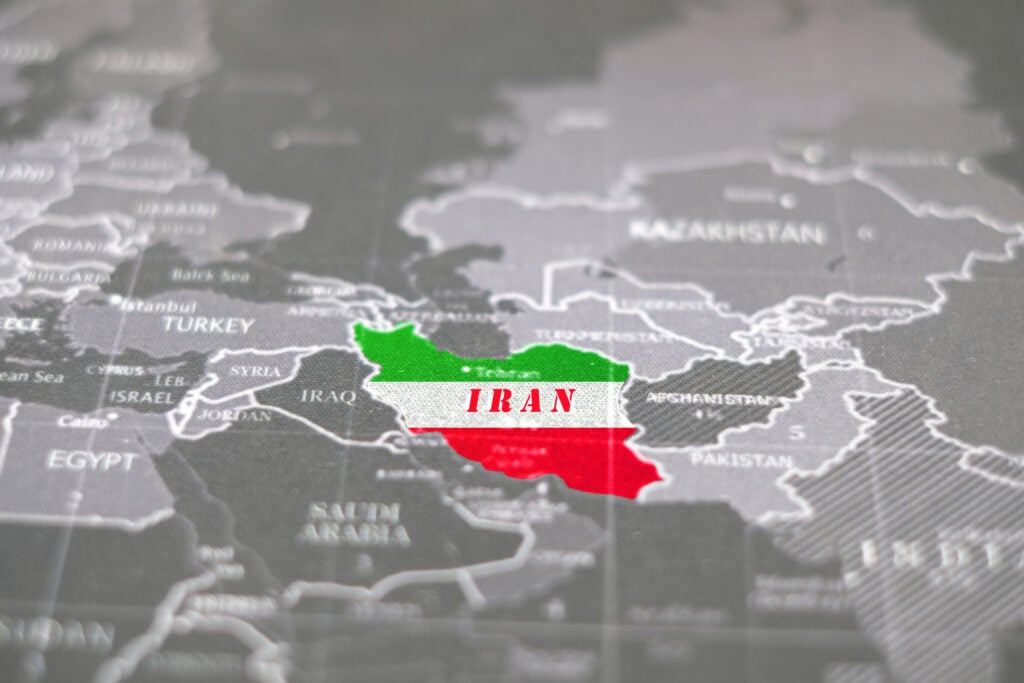
Oil Prices Expected to Surge Amid U.S.-Iran Conflict Fears
Written by Emily J. Thompson, Senior Investment Analyst
Updated: 1 hour ago
0mins

Source: CNBC
- Price Predictions: Market participants anticipate U.S. crude oil prices could rise to $73 per barrel from the current $67.02, reflecting a 17% increase year-to-date due to fears surrounding the Iran conflict.
- Brent Crude Outlook: Brent crude futures closed at $73.21 on Friday, up 20% this year, with expectations of a potential $20 surge at market open, indicating strong market reactions to supply disruption fears.
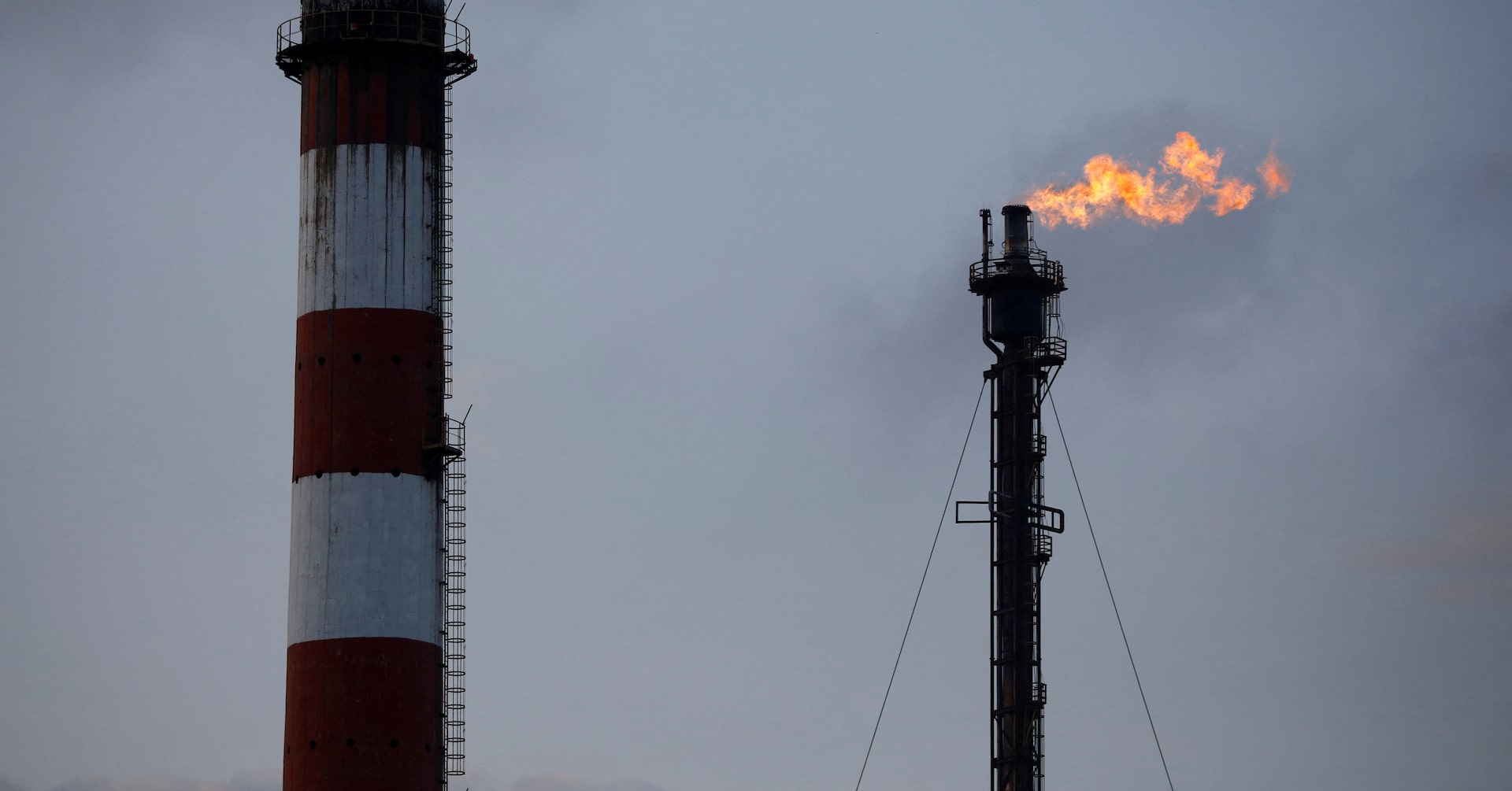
- Strait of Hormuz Impact: The Strait of Hormuz, a critical oil transport route, saw an average of 14 million barrels per day in 2025; any escalation in conflict could lead to a complete halt in tanker traffic, significantly affecting global oil supply.
- Analyst Insights: Barclays analysts predict Brent crude could hit $100 per barrel at market open, highlighting the market's acute sensitivity to potential supply disruptions and the significant uncertainty surrounding the situation's resolution.
Trade with 70% Backtested Accuracy
Stop guessing "Should I Buy CVX?" and start using high-conviction signals backed by rigorous historical data.
Sign up today to access powerful investing tools and make smarter, data-driven decisions.
Analyst Views on CVX
Wall Street analysts forecast CVX stock price to fall
19 Analyst Rating
15 Buy
4 Hold
0 Sell
Strong Buy
Current: 184.160

Low
158.00
Averages
176.95
High
206.00
Current: 184.160
Low
158.00
Averages
176.95
High
206.00
About CVX
Chevron Corporation is an integrated energy company. The Company produces crude oil and natural gas; manufactures transportation fuels, lubricants, petrochemicals and additives; and develops technologies that enhance its business and industry. The Company’s segments include Upstream and Downstream. Upstream operations consist primarily of exploring for, developing, producing and transporting crude oil and natural gas; liquefaction, transportation and regasification associated with LNG; transporting crude oil by major international oil export pipelines; processing, transporting, storage and marketing of natural gas; carbon capture and storage; and a gas-to-liquids plant. Downstream operations consist primarily of the refining of crude oil into petroleum products; marketing crude oil, refined products, and lubricants; manufacturing and marketing of renewable fuels, and transporting of crude oil and refined products by pipeline, marine vessel, motor equipment and rail car.
About the author

Emily J. Thompson
Emily J. Thompson, a Chartered Financial Analyst (CFA) with 12 years in investment research, graduated with honors from the Wharton School. Specializing in industrial and technology stocks, she provides in-depth analysis for Intellectia’s earnings and market brief reports.
Chevron Stock Approaches All-Time High Amid Energy Boom

- Strong Stock Performance: Chevron's stock has surged 21.6% year-to-date, currently hovering around $185, nearing the $200 milestone, reflecting a booming energy sector driven by rising oil prices and attracting investor interest.
- Enhanced Profitability: Chevron has reduced its break-even level to $50 per barrel of Brent crude through technological advancements, enabling it to sustain operations and long-term investments even in low oil price environments, showcasing its financial resilience.
- Robust Cash Flow: In 2025, Chevron generated $16.8 billion in free cash flow, impressively supporting $12.8 billion in dividends despite the lowest oil prices since 2020, demonstrating strong cash flow management capabilities.
- International Expansion Risks: Chevron's daily production increased from 3.34 million barrels in 2024 to 3.72 million in 2025, with plans for investments in Iraq and other international projects, which, while riskier, are expected to further drive earnings growth.
See More
Oil Prices Expected to Surge Amid U.S.-Iran Conflict Fears

- Price Predictions: Market participants anticipate U.S. crude oil prices could rise to $73 per barrel from the current $67.02, reflecting a 17% increase year-to-date due to fears surrounding the Iran conflict.
- Brent Crude Outlook: Brent crude futures closed at $73.21 on Friday, up 20% this year, with expectations of a potential $20 surge at market open, indicating strong market reactions to supply disruption fears.
- Strait of Hormuz Impact: The Strait of Hormuz, a critical oil transport route, saw an average of 14 million barrels per day in 2025; any escalation in conflict could lead to a complete halt in tanker traffic, significantly affecting global oil supply.
- Analyst Insights: Barclays analysts predict Brent crude could hit $100 per barrel at market open, highlighting the market's acute sensitivity to potential supply disruptions and the significant uncertainty surrounding the situation's resolution.
See More
Wall Street's First Trading Day of March Outlook


- Middle East Impact: The U.S.-Israeli attack on Iran is likely to ripple through financial markets, with oil prices rising due to geopolitical risk premiums, as Brent crude has surged from the low $60s to around $73, indicating potential for further volatility.
- CrowdStrike Earnings Preview: CrowdStrike is set to report its quarterly results after Tuesday's close, with Wall Street expecting fiscal 2026 Q4 revenue of $1.3 billion and EPS of $1.10, providing CEO George Kurtz an opportunity to highlight the cybersecurity sector's unique position amidst AI disruption fears.
- Broadcom Earnings Expectations: Broadcom will release its earnings on Wednesday, with anticipated fiscal 2026 Q1 revenue of $19.14 billion and EPS of $2.02, as market sentiment remains optimistic about AI chip demand despite concerns over potential disruptions to infrastructure software.
- Costco Quarterly Report: Costco is expected to report its fiscal 2026 Q2 results after Thursday's close, with projected revenue of $69.22 billion and EPS of $4.56, as management will address consumer spending trends and membership renewal rates amid high price pressures.
See More

Abel Commits to Uphold Berkshire's Culture


- Cultural Continuity Commitment: New CEO Greg Abel emphasized in his letter to shareholders that Berkshire's culture and values will remain unchanged, committing to uphold the great legacy built by Buffett and Munger, thereby ensuring the company's long-term stability and excellence.
- Buyback and Dividend Policy: Abel reiterated that Berkshire will continue to repurchase shares when they trade below intrinsic value and will not pay dividends, ensuring that every dollar of retained earnings creates reasonable market value for shareholders, reflecting the company's cautious approach to capital allocation.
- Cash Flow and Investment Strategy: Despite a 2.2% decrease in Berkshire's cash reserves to $373.3 billion in Q4, Abel stated that the company will maintain a 'fortress-like' balance sheet, ensuring flexibility to respond to investment opportunities, demonstrating confidence in future growth.
- Leadership and Investment Management: Abel confirmed that he is ultimately responsible for Berkshire's equity investments and did not disclose a successor for insurance chief Ajit Jain, indicating stability and continuity in the company's leadership amid transitions.
See More

Strait of Hormuz Tensions Could Trigger Oil Price Surge
- Supply Shock Warning: Following U.S. strikes on Iran, markets brace for potential disruptions in oil flows through the Strait of Hormuz, with analysts cautioning that escalating tensions could lead to significant global oil supply risks, potentially driving prices into triple digits.
- Critical Transit Route: The Strait of Hormuz serves as a vital transit route for approximately 13 million barrels per day of crude oil, accounting for 31% of global seaborne oil flows, meaning any disruption would have profound implications for the global oil and gas markets, particularly affecting major producers like Saudi Arabia, Iran, and the UAE.
- Market Reaction Expectations: Analysts anticipate a
See More

Escalating Middle East Conflict: US-Israel Joint Strikes on Iran

- Military Conflict Escalation: The US and Israel launched joint airstrikes on Iran, resulting in the assassination of Supreme Leader Khamenei, with analysts warning that this could mark the beginning of sustained military operations, potentially leading to rapid regional and global destabilization.
- Clear Strategic Objectives: The strikes target not only Iran's nuclear weapons program but also its command and control structures and military leadership, aiming to overthrow the Iranian regime through domestic unrest or a coup, reflecting US intentions to assert control over critical Middle Eastern oil resources.
- Strong International Reactions: Both Russia and China condemned the US military actions, and while neither can provide substantial support in the current situation, China's purchase of over 80% of Iran's oil in 2025 underscores its critical economic role for Iran amid heavy sanctions.
- Negotiation Prospects Shattered: The military actions have effectively destroyed any remaining chances for a negotiated settlement regarding Iran's nuclear program, with analysts noting that the US and Israel seized the opportunity to reshape the regional power dynamics amid Iran's critical vulnerability.
See More
Chevron Stock Approaches All-Time High Amid Energy Boom
- Strong Stock Performance: Chevron's stock has surged 21.6% year-to-date, currently hovering around $185, nearing the $200 milestone, reflecting a booming energy sector driven by rising oil prices and attracting investor interest.
- Enhanced Profitability: Chevron has reduced its break-even level to $50 per barrel of Brent crude through technological advancements, enabling it to sustain operations and long-term investments even in low oil price environments, showcasing its financial resilience.
- Robust Cash Flow: In 2025, Chevron generated $16.8 billion in free cash flow, impressively supporting $12.8 billion in dividends despite the lowest oil prices since 2020, demonstrating strong cash flow management capabilities.
- International Expansion Risks: Chevron's daily production increased from 3.34 million barrels in 2024 to 3.72 million in 2025, with plans for investments in Iraq and other international projects, which, while riskier, are expected to further drive earnings growth.
See More
Oil Prices Expected to Surge Amid U.S.-Iran Conflict Fears
- Price Predictions: Market participants anticipate U.S. crude oil prices could rise to $73 per barrel from the current $67.02, reflecting a 17% increase year-to-date due to fears surrounding the Iran conflict.
- Brent Crude Outlook: Brent crude futures closed at $73.21 on Friday, up 20% this year, with expectations of a potential $20 surge at market open, indicating strong market reactions to supply disruption fears.
- Strait of Hormuz Impact: The Strait of Hormuz, a critical oil transport route, saw an average of 14 million barrels per day in 2025; any escalation in conflict could lead to a complete halt in tanker traffic, significantly affecting global oil supply.
- Analyst Insights: Barclays analysts predict Brent crude could hit $100 per barrel at market open, highlighting the market's acute sensitivity to potential supply disruptions and the significant uncertainty surrounding the situation's resolution.
See More
Wall Street's First Trading Day of March Outlook
- Middle East Impact: The U.S.-Israeli attack on Iran is likely to ripple through financial markets, with oil prices rising due to geopolitical risk premiums, as Brent crude has surged from the low $60s to around $73, indicating potential for further volatility.
- CrowdStrike Earnings Preview: CrowdStrike is set to report its quarterly results after Tuesday's close, with Wall Street expecting fiscal 2026 Q4 revenue of $1.3 billion and EPS of $1.10, providing CEO George Kurtz an opportunity to highlight the cybersecurity sector's unique position amidst AI disruption fears.
- Broadcom Earnings Expectations: Broadcom will release its earnings on Wednesday, with anticipated fiscal 2026 Q1 revenue of $19.14 billion and EPS of $2.02, as market sentiment remains optimistic about AI chip demand despite concerns over potential disruptions to infrastructure software.
- Costco Quarterly Report: Costco is expected to report its fiscal 2026 Q2 results after Thursday's close, with projected revenue of $69.22 billion and EPS of $4.56, as management will address consumer spending trends and membership renewal rates amid high price pressures.
See More
Abel Commits to Uphold Berkshire's Culture
- Cultural Continuity Commitment: New CEO Greg Abel emphasized in his letter to shareholders that Berkshire's culture and values will remain unchanged, committing to uphold the great legacy built by Buffett and Munger, thereby ensuring the company's long-term stability and excellence.
- Buyback and Dividend Policy: Abel reiterated that Berkshire will continue to repurchase shares when they trade below intrinsic value and will not pay dividends, ensuring that every dollar of retained earnings creates reasonable market value for shareholders, reflecting the company's cautious approach to capital allocation.
- Cash Flow and Investment Strategy: Despite a 2.2% decrease in Berkshire's cash reserves to $373.3 billion in Q4, Abel stated that the company will maintain a 'fortress-like' balance sheet, ensuring flexibility to respond to investment opportunities, demonstrating confidence in future growth.
- Leadership and Investment Management: Abel confirmed that he is ultimately responsible for Berkshire's equity investments and did not disclose a successor for insurance chief Ajit Jain, indicating stability and continuity in the company's leadership amid transitions.
See More
Strait of Hormuz Tensions Could Trigger Oil Price Surge
- Supply Shock Warning: Following U.S. strikes on Iran, markets brace for potential disruptions in oil flows through the Strait of Hormuz, with analysts cautioning that escalating tensions could lead to significant global oil supply risks, potentially driving prices into triple digits.
- Critical Transit Route: The Strait of Hormuz serves as a vital transit route for approximately 13 million barrels per day of crude oil, accounting for 31% of global seaborne oil flows, meaning any disruption would have profound implications for the global oil and gas markets, particularly affecting major producers like Saudi Arabia, Iran, and the UAE.
- Market Reaction Expectations: Analysts anticipate a
See More
Escalating Middle East Conflict: US-Israel Joint Strikes on Iran
- Military Conflict Escalation: The US and Israel launched joint airstrikes on Iran, resulting in the assassination of Supreme Leader Khamenei, with analysts warning that this could mark the beginning of sustained military operations, potentially leading to rapid regional and global destabilization.
- Clear Strategic Objectives: The strikes target not only Iran's nuclear weapons program but also its command and control structures and military leadership, aiming to overthrow the Iranian regime through domestic unrest or a coup, reflecting US intentions to assert control over critical Middle Eastern oil resources.
- Strong International Reactions: Both Russia and China condemned the US military actions, and while neither can provide substantial support in the current situation, China's purchase of over 80% of Iran's oil in 2025 underscores its critical economic role for Iran amid heavy sanctions.
- Negotiation Prospects Shattered: The military actions have effectively destroyed any remaining chances for a negotiated settlement regarding Iran's nuclear program, with analysts noting that the US and Israel seized the opportunity to reshape the regional power dynamics amid Iran's critical vulnerability.
See More