Oil Price Drop Eases Market Pressure Amid Volatility

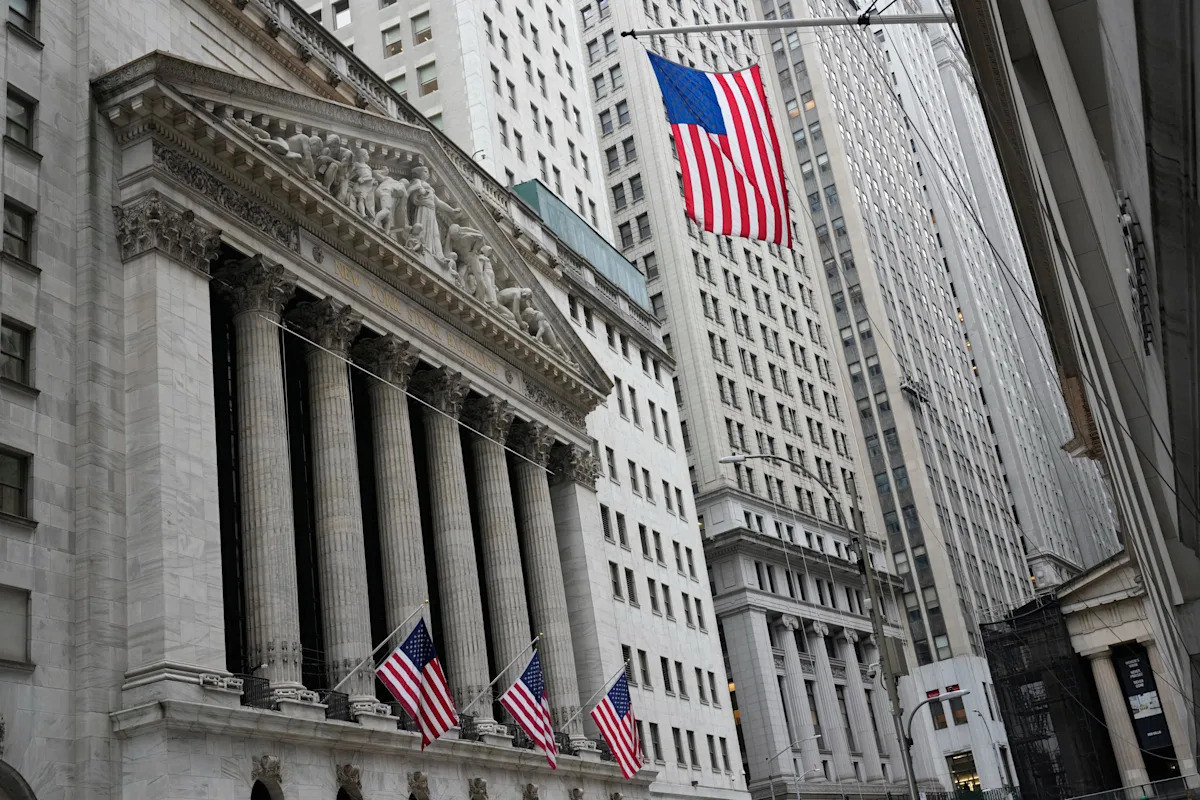
- Market Volatility: U.S. stocks rebounded on Monday as oil prices fell below $100 per barrel, although the Dow Jones Industrial Average still dropped 300 points, or 0.7%, indicating ongoing market pressure.
- Energy Market Dynamics: West Texas Intermediate crude briefly surged to $119 per barrel before retreating to around $96, primarily due to output cuts from Middle Eastern producers and the continued closure of the Strait of Hormuz, leading to increased market volatility.
- Strong Tech Stock Performance: Despite broader market pressures, technology stocks like Broadcom rose over 3%, while Nvidia, AMD, and Micron Technology surged by 12.6%, reflecting investor confidence in the tech sector.
- Rising Inflation Risks: Analysts warned that prolonged oil supply disruptions could heighten inflation risks and constrain economic growth, potentially putting pressure on Federal Reserve policy decisions.
Trade with 70% Backtested Accuracy
Analyst Views on DOW

About DOW
About the author


Oil Price Drop Eases Market Pressure Amid Volatility

- Market Volatility: U.S. stocks rebounded on Monday as oil prices fell below $100 per barrel, although the Dow Jones Industrial Average still dropped 300 points, or 0.7%, indicating ongoing market pressure.
- Energy Market Dynamics: West Texas Intermediate crude briefly surged to $119 per barrel before retreating to around $96, primarily due to output cuts from Middle Eastern producers and the continued closure of the Strait of Hormuz, leading to increased market volatility.
- Strong Tech Stock Performance: Despite broader market pressures, technology stocks like Broadcom rose over 3%, while Nvidia, AMD, and Micron Technology surged by 12.6%, reflecting investor confidence in the tech sector.
- Rising Inflation Risks: Analysts warned that prolonged oil supply disruptions could heighten inflation risks and constrain economic growth, potentially putting pressure on Federal Reserve policy decisions.

Oil Prices Could Remain High: 4 Key Insights from the Middle East Energy Crisis

Oil Price Volatility: Oil prices have surged past $100 due to ongoing conflict in the Middle East, with analysts predicting potential further increases if production continues to be curtailed. However, prolonged conflict could harm global economic demand, leading to a possible oversupply situation.
U.S. Shale Producers: U.S. oil producers are positioned favorably as prices remain high, particularly small- and mid-cap companies that are seeing attractive free cash flow. The market has not fully priced in the potential for sustained higher oil prices, creating investment opportunities.
Refining Sector Dynamics: U.S. refiners are benefiting from high international gas prices and reduced competition, leading to significant stock price increases. However, refining margins may decline once supply chains stabilize, suggesting a potential sell-off in refiner stocks.
LNG and Petrochemical Gains: American LNG producers are experiencing a surge in demand due to global supply constraints, while U.S. petrochemical companies are benefiting from rising costs of competing producers. This situation is expected to provide a margin boost for U.S. firms in the long term.

DOW STOCKS RISE 5.5% AS RBC RAISES RATING TO OUTPERFORM FROM SECTOR PERFORM
Market Performance: DOW shares have increased by 5.5%, indicating a positive trend in the market.
RBC Upgrade: RBC has upgraded its outlook, suggesting improved performance expectations for certain sectors.
Major Wall Street Rating Updates on Monday


- Apple Rating Maintained: Citigroup reiterates Apple as a buy despite trimming its second-half earnings estimates, projecting a 140bps and 48bps gross margin headwind in 2026 and 2027, indicating Apple's relative strength in navigating memory component price hikes.
- Oracle Price Target Cut: Deutsche Bank lowers Oracle's price target from $375 to $300 while maintaining a buy rating, reflecting concerns over extended timelines to resolve issues that could impact equity performance in the coming quarters.
- Nvidia Core Holding: Citigroup reaffirms Nvidia as a core holding, emphasizing its pivotal role in agentic and physical AI, showcasing confidence in the company's growth potential in these critical sectors.
- Netflix Downgrade: Wells Fargo downgrades Netflix from overweight to equal weight, citing the need for continued investment to drive growth and concerns over its competitive positioning in the market, indicating a cautious outlook on its future performance.

J.P. Morgan Upgrades Dow Inc. to Overweight with $40 Price Target
- Rating Upgrade: J.P. Morgan upgraded Dow Inc. from Neutral to Overweight with a price target increase from $26 to $40, reflecting expectations for a sharp rise in near-term polyethylene prices due to higher energy costs.
- Market Challenges: Despite facing weak demand in China and Europe, global capacity additions, and high interest rates, Dow's 4.2% dividend yield highlights its attractiveness in a low cyclical earnings environment.
- Cost Impact: The analyst noted that each $10 increase in Brent oil prices could boost Dow's annual EBITDA by approximately $1 billion, while recent naphtha price increases of $142/ton to $775/ton could raise polyethylene production costs by about $0.20/lb.
- Relative Valuation: Dow trades at a discount compared to peers, with a projected EBITDA multiple of 9.7x for FY 2026 and 7.7x for FY 2027, significantly lower than Westlake and LyondellBasell, indicating potential investment opportunities.

Middle East Tensions Weigh on Stock Market


- Market Reaction: The S&P 500 and Nasdaq both fell about 1% on Friday due to escalating tensions in the Middle East, reflecting increased investor uncertainty, particularly after President Trump stated there would be no deal with Iran.
- Rising Oil Prices: Oil prices reached their highest levels since April 2024, causing U.S. gas prices to rise, which benefits Costco as its reputation for low gas prices attracts more customers, leading to a 1% increase in its stock price on Friday.
- Financial Sector Pressure: Financial stocks continue to face pressure as a spike in private credit redemptions weighs on sentiment, with shares of Goldman Sachs, Capital One, and Wells Fargo declining, while BlackRock's stock dropped nearly 6% after it limited withdrawals from a private credit fund, raising concerns about financial health.
- Investment Strategy: During Friday's meeting, Jim Cramer highlighted that despite the market's downturn, there are still buying opportunities, particularly favoring Goldman Sachs and Cardinal Health, the latter of which saw its fourth purchase this week.
Oil Price Drop Eases Market Pressure Amid Volatility
- Market Volatility: U.S. stocks rebounded on Monday as oil prices fell below $100 per barrel, although the Dow Jones Industrial Average still dropped 300 points, or 0.7%, indicating ongoing market pressure.
- Energy Market Dynamics: West Texas Intermediate crude briefly surged to $119 per barrel before retreating to around $96, primarily due to output cuts from Middle Eastern producers and the continued closure of the Strait of Hormuz, leading to increased market volatility.
- Strong Tech Stock Performance: Despite broader market pressures, technology stocks like Broadcom rose over 3%, while Nvidia, AMD, and Micron Technology surged by 12.6%, reflecting investor confidence in the tech sector.
- Rising Inflation Risks: Analysts warned that prolonged oil supply disruptions could heighten inflation risks and constrain economic growth, potentially putting pressure on Federal Reserve policy decisions.
Oil Prices Could Remain High: 4 Key Insights from the Middle East Energy Crisis
Oil Price Volatility: Oil prices have surged past $100 due to ongoing conflict in the Middle East, with analysts predicting potential further increases if production continues to be curtailed. However, prolonged conflict could harm global economic demand, leading to a possible oversupply situation.
U.S. Shale Producers: U.S. oil producers are positioned favorably as prices remain high, particularly small- and mid-cap companies that are seeing attractive free cash flow. The market has not fully priced in the potential for sustained higher oil prices, creating investment opportunities.
Refining Sector Dynamics: U.S. refiners are benefiting from high international gas prices and reduced competition, leading to significant stock price increases. However, refining margins may decline once supply chains stabilize, suggesting a potential sell-off in refiner stocks.
LNG and Petrochemical Gains: American LNG producers are experiencing a surge in demand due to global supply constraints, while U.S. petrochemical companies are benefiting from rising costs of competing producers. This situation is expected to provide a margin boost for U.S. firms in the long term.
DOW STOCKS RISE 5.5% AS RBC RAISES RATING TO OUTPERFORM FROM SECTOR PERFORM
Market Performance: DOW shares have increased by 5.5%, indicating a positive trend in the market.
RBC Upgrade: RBC has upgraded its outlook, suggesting improved performance expectations for certain sectors.
Major Wall Street Rating Updates on Monday
- Apple Rating Maintained: Citigroup reiterates Apple as a buy despite trimming its second-half earnings estimates, projecting a 140bps and 48bps gross margin headwind in 2026 and 2027, indicating Apple's relative strength in navigating memory component price hikes.
- Oracle Price Target Cut: Deutsche Bank lowers Oracle's price target from $375 to $300 while maintaining a buy rating, reflecting concerns over extended timelines to resolve issues that could impact equity performance in the coming quarters.
- Nvidia Core Holding: Citigroup reaffirms Nvidia as a core holding, emphasizing its pivotal role in agentic and physical AI, showcasing confidence in the company's growth potential in these critical sectors.
- Netflix Downgrade: Wells Fargo downgrades Netflix from overweight to equal weight, citing the need for continued investment to drive growth and concerns over its competitive positioning in the market, indicating a cautious outlook on its future performance.
J.P. Morgan Upgrades Dow Inc. to Overweight with $40 Price Target
- Rating Upgrade: J.P. Morgan upgraded Dow Inc. from Neutral to Overweight with a price target increase from $26 to $40, reflecting expectations for a sharp rise in near-term polyethylene prices due to higher energy costs.
- Market Challenges: Despite facing weak demand in China and Europe, global capacity additions, and high interest rates, Dow's 4.2% dividend yield highlights its attractiveness in a low cyclical earnings environment.
- Cost Impact: The analyst noted that each $10 increase in Brent oil prices could boost Dow's annual EBITDA by approximately $1 billion, while recent naphtha price increases of $142/ton to $775/ton could raise polyethylene production costs by about $0.20/lb.
- Relative Valuation: Dow trades at a discount compared to peers, with a projected EBITDA multiple of 9.7x for FY 2026 and 7.7x for FY 2027, significantly lower than Westlake and LyondellBasell, indicating potential investment opportunities.
Middle East Tensions Weigh on Stock Market
- Market Reaction: The S&P 500 and Nasdaq both fell about 1% on Friday due to escalating tensions in the Middle East, reflecting increased investor uncertainty, particularly after President Trump stated there would be no deal with Iran.
- Rising Oil Prices: Oil prices reached their highest levels since April 2024, causing U.S. gas prices to rise, which benefits Costco as its reputation for low gas prices attracts more customers, leading to a 1% increase in its stock price on Friday.
- Financial Sector Pressure: Financial stocks continue to face pressure as a spike in private credit redemptions weighs on sentiment, with shares of Goldman Sachs, Capital One, and Wells Fargo declining, while BlackRock's stock dropped nearly 6% after it limited withdrawals from a private credit fund, raising concerns about financial health.
- Investment Strategy: During Friday's meeting, Jim Cramer highlighted that despite the market's downturn, there are still buying opportunities, particularly favoring Goldman Sachs and Cardinal Health, the latter of which saw its fourth purchase this week.