Nvidia's Stock Price Matches Market Despite Massive Growth Potential
- Remarkable Growth Rates: Nvidia reported a 73% revenue increase in the last quarter, with management projecting a 77% gain for the current quarter, indicating strong demand in the AI sector, even as its stock price aligns with the S&P 500, reflecting market caution about future performance.
- Leading Market Share: As the primary manufacturer of GPUs, Nvidia holds the largest market share in accelerated computing and AI training, and with increased spending from AI hyperscalers, the company's business outlook remains optimistic, with continued expansion expected through at least 2030.
- Shifting Investor Sentiment: Despite Nvidia's robust growth momentum, investor enthusiasm for AI has waned, leading to a stock price that does not fully reflect the company's actual growth potential, likely due to uncertainties regarding the returns on AI spending.
- Valuation Analysis: Nvidia's forward price-to-earnings ratio stands at approximately 21.5 times, slightly above the S&P 500's 20.3 times; however, given the anticipated growth potential, the current stock price is viewed as a buying opportunity, especially in the context of ongoing investments in the AI sector.
Trade with 70% Backtested Accuracy
Analyst Views on NVDA

About NVDA
About the author


GMO INTERNET INC: Announcement Regarding Fixed Asset Acquisition

Notice Regarding Acquisition: The notice addresses the acquisition of fixed assets, outlining the necessary procedures and implications for stakeholders involved.
Impact on Stakeholders: The acquisition may affect various stakeholders, including investors and employees, highlighting the importance of transparency and communication during the process.
Regulatory Compliance: Emphasis is placed on ensuring compliance with relevant regulations and guidelines throughout the acquisition process to mitigate risks.
Future Considerations: The notice suggests that further assessments and evaluations will be conducted post-acquisition to determine the long-term impact on the organization.
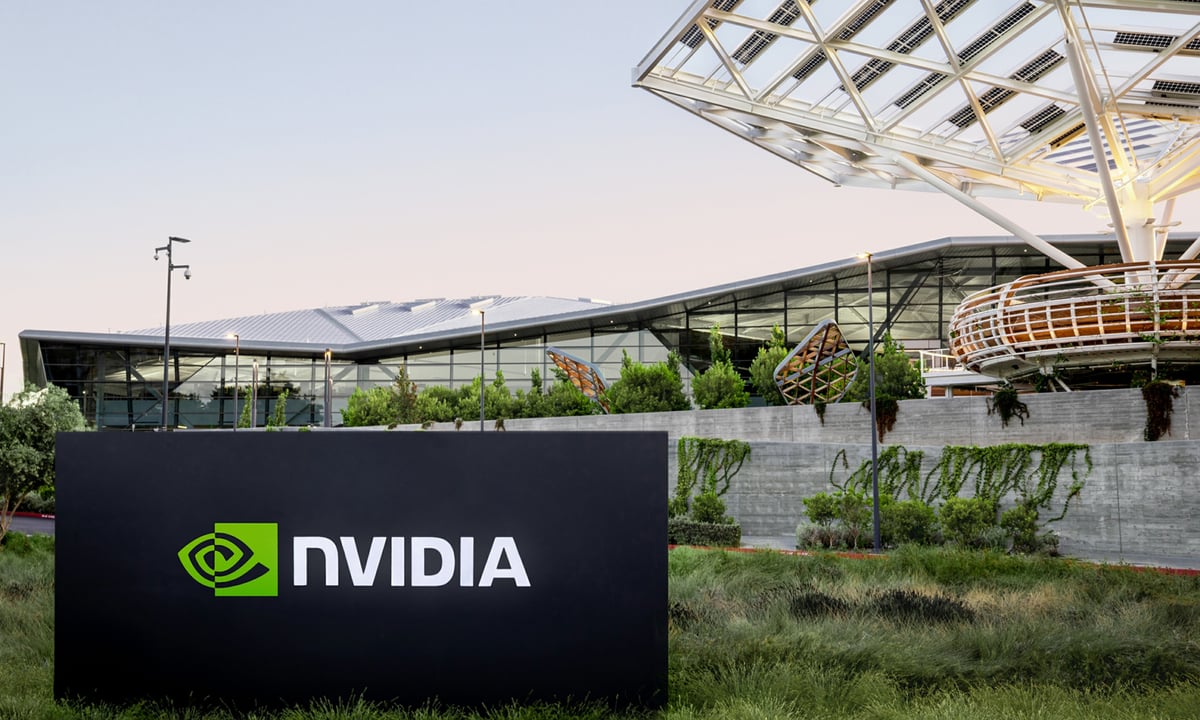
Nvidia: The Best Investment in AI Sector
- Surging AI Demand: Currently, less than 20% of businesses utilize AI according to the U.S. Census Bureau, and as more organizations adopt AI, the demand for computing power is expected to rise significantly, driving Nvidia's growth in the data center market.
- Chinese Market Recovery: After the sales ban imposed by the Trump administration, Nvidia has received approval to resume shipments to China, and successfully regaining market share could provide a new growth impetus, further solidifying its leadership in the global AI market.
- Accelerating Revenue Growth: Wall Street analysts project Nvidia's revenue growth to reach 79% next quarter and 85% the following quarter, indicating a reversal of previous tapering trends, which will significantly boost investor confidence and market expectations.
- Reasonable Valuation: With a P/E ratio of 36.2, Nvidia's valuation remains attractive given its growth potential, and the market's optimistic outlook for 2026 suggests that patient long-term investors could still profit significantly, especially as AI demand continues to rise.

Analysts Favor Intel and Micron Stocks Amid AI Demand


- Positive Outlook for Intel: KeyBanc analyst John Vinh raised Intel's price target from $65 to $70, with the current stock price around $50, indicating a 35% upside, reflecting confidence in its potential amid rising AI demand.
- Rising CPU Demand: As AI-driven workloads increase, Intel's CPU demand has significantly strengthened, with expectations of a 10% to 15% price hike in CPUs in Q2, which will further enhance profitability and solidify market position.
- Micron's Memory Price Surge: Vinh anticipates DRAM and NAND prices at Micron will rise by 30% to 50% in Q2 due to surging memory demand from the AI boom, contributing to a stock price increase of over 450% in the past year.
- Positive Impact of Long-Term Agreements: Micron's upcoming long-term agreements are expected to stabilize customer relationships and mitigate cyclical risks, although market volatility remains, the overall environment is favorable for Micron, highlighting its future growth potential.

AI Stocks Face Challenges and Opportunities Amid Market Dynamics
- Market Challenges: Investor confidence in AI stocks is challenged by resource demands and supply issues, leading to skepticism about the sustainability of AI capital expenditures amid current market dynamics.
- Intel's Recovery: Intel expects to raise its CPU prices by 10% to 15% in Q2 to address the increased server demand driven by AI workloads, although its stock remains down about 26% over the past five years.
- Micron's Surging Demand: Micron has seen a surge in demand for DRAM and NAND due to the AI boom, resulting in a stock price increase of over 450% in the past year, with expectations of a 30% to 50% price rise in Q2.
- Advantages of Long-Term Agreements: Micron's upcoming long-term agreements (LTAs) are expected to mitigate past contractual shortcomings, enhancing its market position, although cyclical risks remain a concern.
IonQ Stock Outlook: Challenges Ahead in Quantum Computing

- Financial Overview: IonQ's revenue reached $130 million in 2025, yet its negative free cash flow of $300 million indicates significant operational pressure, suggesting the need for external funding to support ongoing R&D efforts in the future.
- Liquidity and Share Dilution: With $2.4 billion in liquidity at the end of 2024, IonQ's outstanding shares increased by 65% during the year, resulting in a current stock price of around $29, which poses risks of price decline and may affect future financing capabilities.
- Increased Competitive Pressure: IonQ faces competition from major tech companies like Google and IBM, which are making strides in quantum computing, necessitating IonQ to ramp up R&D investments to maintain its market position, potentially exacerbating its financial burdens.
- Cautious Investment Advice: Given IonQ's current price-to-sales ratio of 61, significantly higher than other fast-growing stocks, analysts recommend that investors avoid purchasing IonQ shares at current prices, especially in light of its lack of profitability.

Delta Air Lines Posts Strong Q1 Earnings Amid Fuel Price Surge

- Strong Earnings Report: Despite jet fuel prices surging nearly 88% since late February, Delta Air Lines posted adjusted earnings per share of $0.64 and operating revenue of $14.2 billion for Q1, demonstrating resilience in a high-cost environment.
- Consumer Confidence Fluctuations: Following the Iran conflict, the S&P 500 surged over 2.5% on the day the ceasefire was announced, yet consumer confidence remains shaky, with the 30-year mortgage rate climbing back above 6.1%, potentially impacting future travel demand.
- Oil Price Volatility Impact: Oil prices soared from $72 to over $100 amid the Iran conflict, with analysts warning that renewed conflict could push prices to the $120 to $130 range, significantly affecting consumer goods companies' costs and transportation expenses.
- Market Observation Signals: Investors should monitor sales trends in consumer goods companies like Procter & Gamble; a decline in volumes could indicate rising consumer sensitivity to prices, impacting overall market performance, particularly in relation to Delta Air Lines' outlook.
GMO INTERNET INC: Announcement Regarding Fixed Asset Acquisition
Notice Regarding Acquisition: The notice addresses the acquisition of fixed assets, outlining the necessary procedures and implications for stakeholders involved.
Impact on Stakeholders: The acquisition may affect various stakeholders, including investors and employees, highlighting the importance of transparency and communication during the process.
Regulatory Compliance: Emphasis is placed on ensuring compliance with relevant regulations and guidelines throughout the acquisition process to mitigate risks.
Future Considerations: The notice suggests that further assessments and evaluations will be conducted post-acquisition to determine the long-term impact on the organization.
Nvidia: The Best Investment in AI Sector
- Surging AI Demand: Currently, less than 20% of businesses utilize AI according to the U.S. Census Bureau, and as more organizations adopt AI, the demand for computing power is expected to rise significantly, driving Nvidia's growth in the data center market.
- Chinese Market Recovery: After the sales ban imposed by the Trump administration, Nvidia has received approval to resume shipments to China, and successfully regaining market share could provide a new growth impetus, further solidifying its leadership in the global AI market.
- Accelerating Revenue Growth: Wall Street analysts project Nvidia's revenue growth to reach 79% next quarter and 85% the following quarter, indicating a reversal of previous tapering trends, which will significantly boost investor confidence and market expectations.
- Reasonable Valuation: With a P/E ratio of 36.2, Nvidia's valuation remains attractive given its growth potential, and the market's optimistic outlook for 2026 suggests that patient long-term investors could still profit significantly, especially as AI demand continues to rise.
Analysts Favor Intel and Micron Stocks Amid AI Demand
- Positive Outlook for Intel: KeyBanc analyst John Vinh raised Intel's price target from $65 to $70, with the current stock price around $50, indicating a 35% upside, reflecting confidence in its potential amid rising AI demand.
- Rising CPU Demand: As AI-driven workloads increase, Intel's CPU demand has significantly strengthened, with expectations of a 10% to 15% price hike in CPUs in Q2, which will further enhance profitability and solidify market position.
- Micron's Memory Price Surge: Vinh anticipates DRAM and NAND prices at Micron will rise by 30% to 50% in Q2 due to surging memory demand from the AI boom, contributing to a stock price increase of over 450% in the past year.
- Positive Impact of Long-Term Agreements: Micron's upcoming long-term agreements are expected to stabilize customer relationships and mitigate cyclical risks, although market volatility remains, the overall environment is favorable for Micron, highlighting its future growth potential.
AI Stocks Face Challenges and Opportunities Amid Market Dynamics
- Market Challenges: Investor confidence in AI stocks is challenged by resource demands and supply issues, leading to skepticism about the sustainability of AI capital expenditures amid current market dynamics.
- Intel's Recovery: Intel expects to raise its CPU prices by 10% to 15% in Q2 to address the increased server demand driven by AI workloads, although its stock remains down about 26% over the past five years.
- Micron's Surging Demand: Micron has seen a surge in demand for DRAM and NAND due to the AI boom, resulting in a stock price increase of over 450% in the past year, with expectations of a 30% to 50% price rise in Q2.
- Advantages of Long-Term Agreements: Micron's upcoming long-term agreements (LTAs) are expected to mitigate past contractual shortcomings, enhancing its market position, although cyclical risks remain a concern.
IonQ Stock Outlook: Challenges Ahead in Quantum Computing
- Financial Overview: IonQ's revenue reached $130 million in 2025, yet its negative free cash flow of $300 million indicates significant operational pressure, suggesting the need for external funding to support ongoing R&D efforts in the future.
- Liquidity and Share Dilution: With $2.4 billion in liquidity at the end of 2024, IonQ's outstanding shares increased by 65% during the year, resulting in a current stock price of around $29, which poses risks of price decline and may affect future financing capabilities.
- Increased Competitive Pressure: IonQ faces competition from major tech companies like Google and IBM, which are making strides in quantum computing, necessitating IonQ to ramp up R&D investments to maintain its market position, potentially exacerbating its financial burdens.
- Cautious Investment Advice: Given IonQ's current price-to-sales ratio of 61, significantly higher than other fast-growing stocks, analysts recommend that investors avoid purchasing IonQ shares at current prices, especially in light of its lack of profitability.
Delta Air Lines Posts Strong Q1 Earnings Amid Fuel Price Surge
- Strong Earnings Report: Despite jet fuel prices surging nearly 88% since late February, Delta Air Lines posted adjusted earnings per share of $0.64 and operating revenue of $14.2 billion for Q1, demonstrating resilience in a high-cost environment.
- Consumer Confidence Fluctuations: Following the Iran conflict, the S&P 500 surged over 2.5% on the day the ceasefire was announced, yet consumer confidence remains shaky, with the 30-year mortgage rate climbing back above 6.1%, potentially impacting future travel demand.
- Oil Price Volatility Impact: Oil prices soared from $72 to over $100 amid the Iran conflict, with analysts warning that renewed conflict could push prices to the $120 to $130 range, significantly affecting consumer goods companies' costs and transportation expenses.
- Market Observation Signals: Investors should monitor sales trends in consumer goods companies like Procter & Gamble; a decline in volumes could indicate rising consumer sensitivity to prices, impacting overall market performance, particularly in relation to Delta Air Lines' outlook.