Nvidia's Challenge May Transform the Future of China Tech ETFs


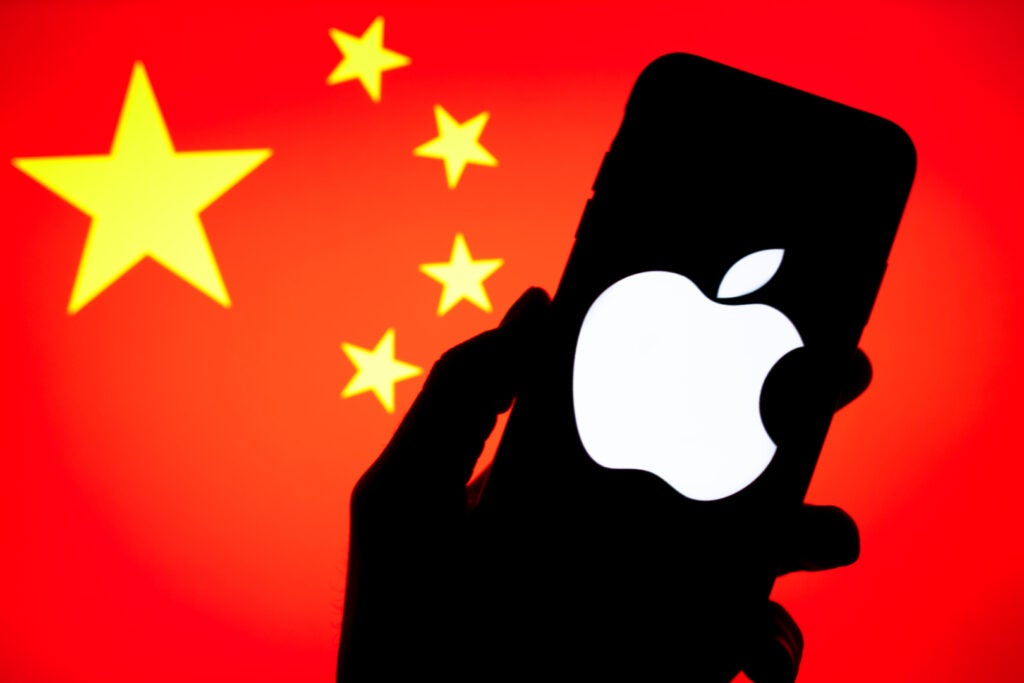
Nvidia's New AI Chip: Nvidia is set to launch a China-specific AI chip, the B30A processor, next month, despite facing a 15% revenue tax on its sales in China.
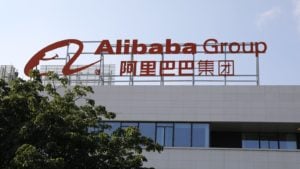
Regulatory Pushback: Chinese regulators have advised major tech firms like Alibaba and Tencent to halt procurement of Nvidia's H20 chip due to national security concerns, complicating Nvidia's market strategy in China.
Impact on Tech ETFs: The disruption in Nvidia's chip supply could negatively affect the growth prospects of China-focused tech ETFs, such as KWEB and CQQQ, which heavily invest in companies reliant on advanced GPUs for AI and cloud services.
Long-Term Market Shift: Beijing's emphasis on domestic self-sufficiency suggests a shift towards local alternatives like Huawei's GPUs, potentially transforming KWEB and CQQQ from consumer internet proxies to indicators of China's technological independence.
Trade with 70% Backtested Accuracy
Analyst Views on BIDU

About BIDU
About the author

Autonomous Trucks Face Significant Challenges Despite AI Advances

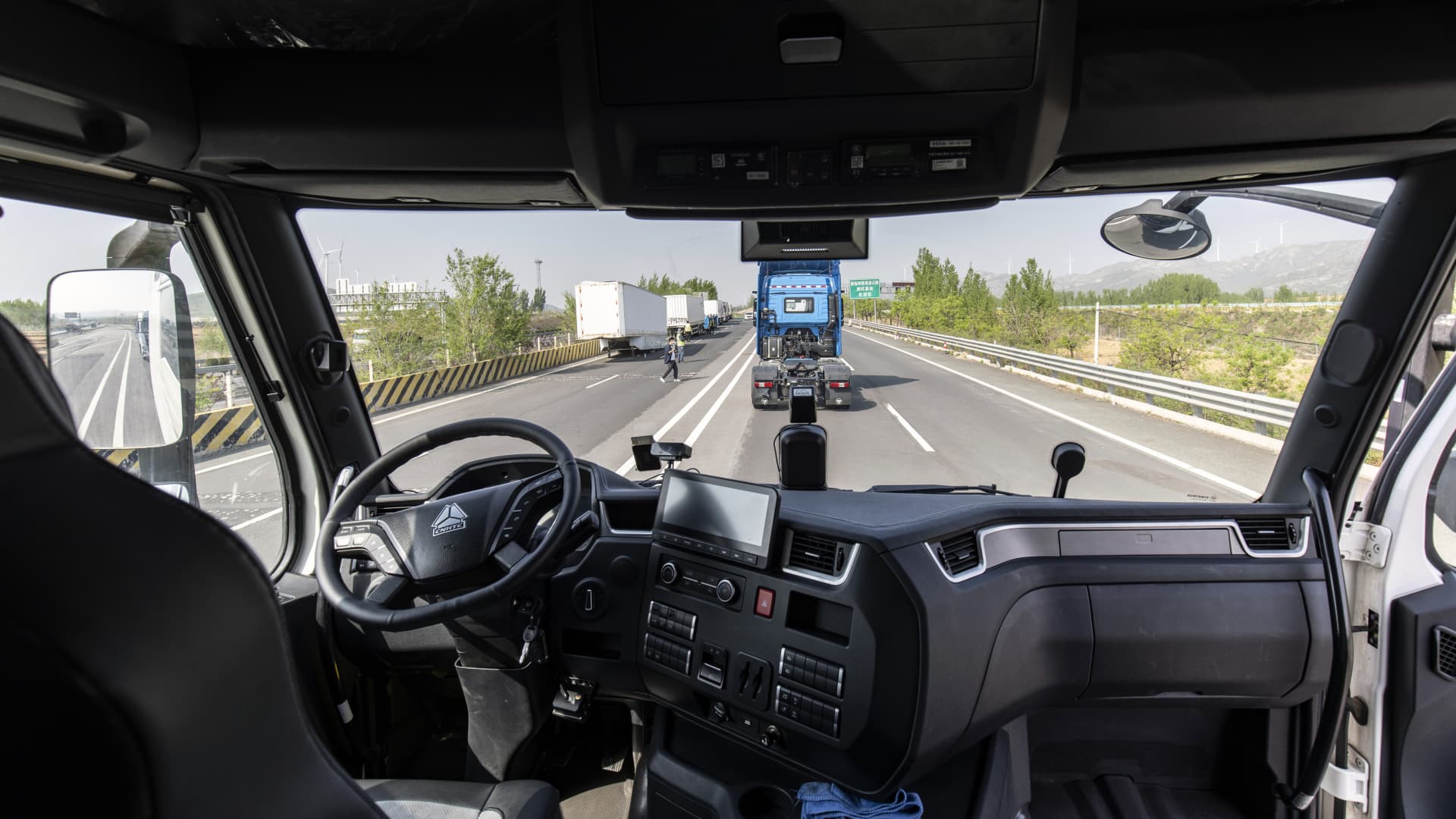
- Limited Technological Impact: Despite ongoing advancements in AI, Inceptio Technology's CEO Julian Ma states that these improvements have minimal effect on the timeline for commercializing autonomous trucks, with full commercialization expected by mid-2028, highlighting the complexities of industry development.
- Data Accumulation Goals: Inceptio aims to collect 5 billion kilometers of driving data by the end of 2028 to support fully autonomous heavy-duty trucks, emphasizing the critical role of data in autonomous driving and the necessity for partnerships and regulatory approval to achieve this goal.
- Industry-Leading Mileage: Inceptio has recorded over 700 million kilometers of autonomous driving, significantly surpassing competitors like Pony.ai, which has logged 4.2 million kilometers, establishing a strong foundation for future technology validation and market penetration.
- Increasing Regulatory Challenges: Chinese authorities have suspended new autonomous driving licenses due to safety incidents, reflecting the regulatory risks faced by the rapidly expanding industry and underscoring the close relationship between technology and policy.
Baidu to Hold 2026 Annual General Meeting
- AGM Announcement: Baidu has announced that its annual general meeting will take place on June 5, 2026, at 9:00 a.m. in Beijing, providing shareholders with crucial company updates despite no proposals for approval.
- Record Date Set: The board has established May 18, 2026, as the record date for shareholders, ensuring that holders of Class A and Class B ordinary shares can attend the AGM, which promotes shareholder engagement and transparency.
- Financial Report Filing: Baidu has filed its annual report (Form 20-F) with the U.S. SEC for the year ending December 31, 2025, which includes audited financial statements, thereby enhancing investor confidence in the company's financial health.
- Hong Kong Annual Report Issued: The company has also published its Hong Kong Annual Report in compliance with HKEx regulations, containing similar information as the Form 20-F, which ensures consistency and compliance, thereby increasing transparency in the Hong Kong market.
Baidu to Hold 2026 Annual General Meeting
- AGM Announcement: Baidu has announced that it will hold its annual general meeting on June 5, 2026, at 9:00 a.m. in Beijing, providing shareholders with important company updates despite no proposals for approval.
- Record Date Set: The board has fixed May 18, 2026, as the record date for shareholders entitled to attend the AGM, ensuring transparency and participation from holders of Class A and Class B ordinary shares.
- Annual Report Filed: The company has filed its annual report on Form 20-F with the SEC for the year ended December 31, 2025, which includes audited financial statements, thereby enhancing investor confidence in Baidu's financial health.
- Hong Kong Annual Report: Baidu has also published its Hong Kong Annual Report in compliance with HKEx regulations, which contains similar information to the Form 20-F, ensuring consistency and regulatory compliance across markets.
Baidu's Autonomous Driving Permit Approvals Suspended

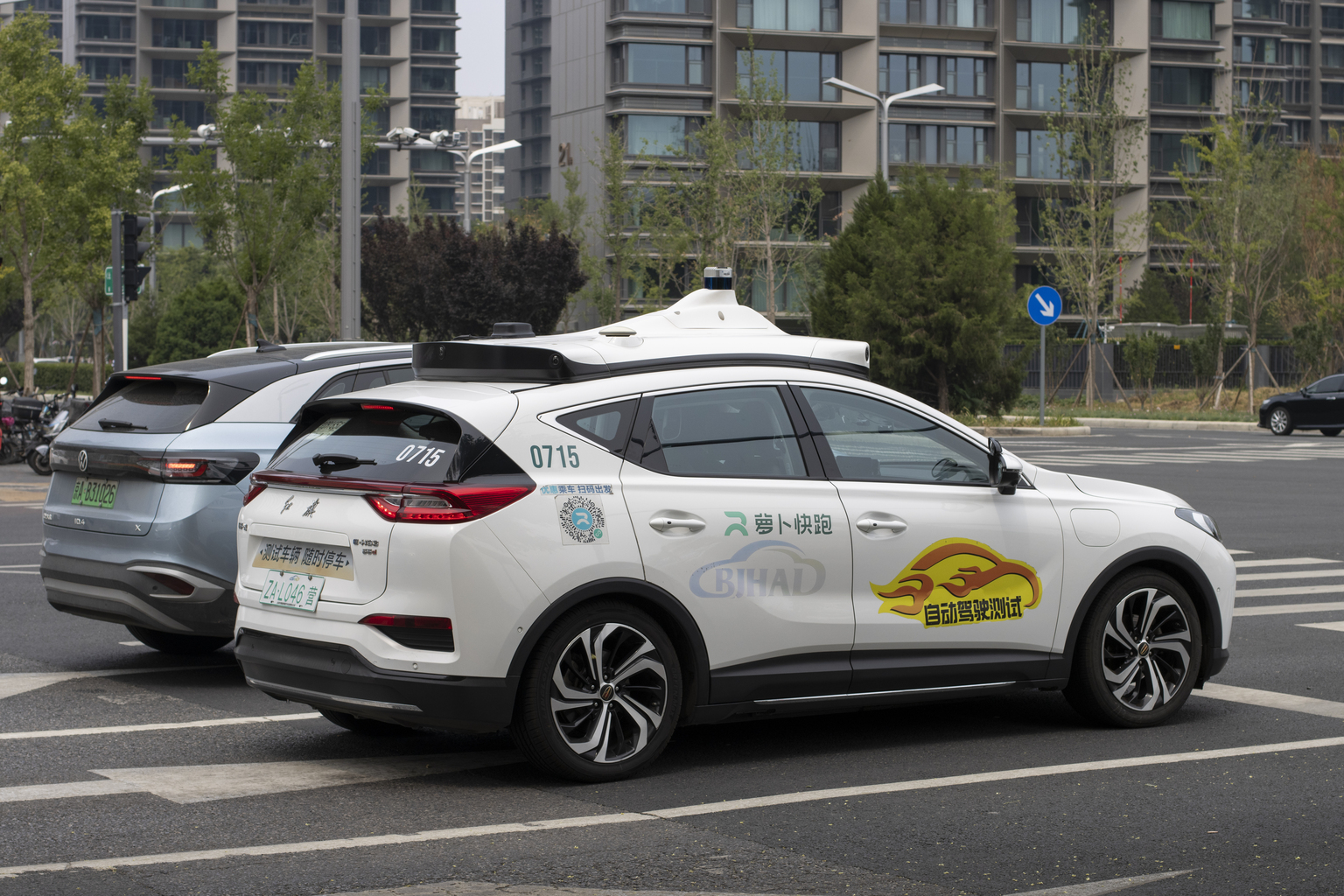
- Regulatory Approval Halt: Following a system malfunction that caused over 100 Baidu Apollo Go robotaxis to stall in Wuhan, Chinese regulators have suspended approvals for new autonomous driving permits, impacting Baidu and other self-driving companies' future expansion plans.
- Incident Investigation: The outage stranded passengers for up to two hours, prompting a meeting among three agencies, including the Ministry of Industry and Information Technology, which called for local governments to conduct self-reviews and enhance safety monitoring, indicating heightened regulatory scrutiny on autonomous driving safety.
- Operational Restrictions: Baidu's robotaxi operations in Wuhan have been suspended pending investigation, and the halt on new licenses means self-driving companies cannot add to their fleets or launch new pilot programs, potentially affecting their market share in the long term.
- Market Reaction: Baidu's stock price declined by about 4% in Hong Kong trading, while other major robotaxi firms like Pony.ai and WeRide also saw stock drops, reflecting market sensitivity to regulatory risks in the autonomous driving sector.

House Democrats Urge Restrictions on Chinese Automakers Ahead of Trump-Xi Meeting


- Congressional Push: Over 70 House Democrats have urged President Trump to maintain restrictions on Chinese automakers, citing national security concerns and competitive pressures on the domestic auto industry, reflecting heightened vigilance towards the Chinese EV market.
- Regulatory Developments: China has suspended new robotaxi license approvals after 200 Baidu Apollo Go vehicles stopped mid-traffic in Wuhan, prompting regulators to enforce comprehensive safety self-inspections across autonomous-driving companies, which may impact future robotaxi deployment.
- Market Competition: Tesla's market share in China has declined from 11.7% in 2023 to 10.4%, facing increasing pressure from domestic rivals like Nio, BYD, XPeng, and Li Auto, which are enhancing their advanced driver-assistance capabilities at more competitive price points.
- Investor Sentiment: Despite Tesla's stock underperforming with a 16% decline year-to-date, retail sentiment on Stocktwits remains 'extremely bullish', indicating strong market expectations for the company's future growth.
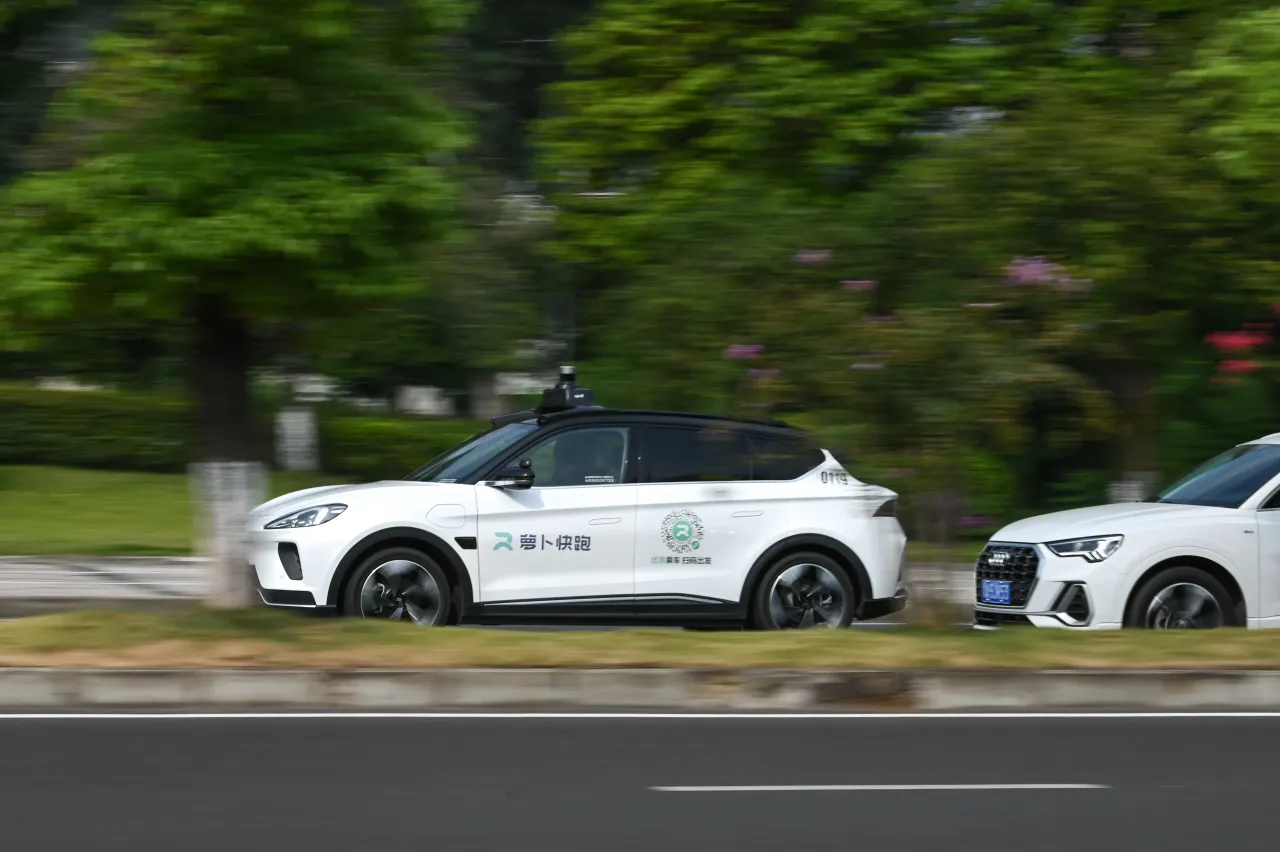
Beijing Halts New Licenses for Self-Driving Robotaxis
- License Suspension: Beijing's decision to halt new licenses for self-driving companies prevents the addition of new robotaxis, initiation of new test projects, or expansion into new cities, directly impacting the industry's growth and innovation capabilities.
- Investigation Triggered: Last month, over 100 Apollo Go robotaxis stalled on the streets of Wuhan, prompting regulators to convene a meeting that called for local governments to conduct comprehensive self-reviews and enhance safety monitoring to prevent similar incidents in the future.
- Market Reaction: Following this news, Baidu's shares dropped nearly 4% in Hong Kong trading, potentially marking a third consecutive day of decline, reflecting market concerns regarding the future prospects of its autonomous driving business.
- Investor Sentiment: While retail sentiment towards Baidu remains neutral, the negative market reaction to its robotaxi operations could undermine its recent rebound momentum, especially with the fiscal first-quarter results set to be announced soon.
Autonomous Trucks Face Significant Challenges Despite AI Advances
- Limited Technological Impact: Despite ongoing advancements in AI, Inceptio Technology's CEO Julian Ma states that these improvements have minimal effect on the timeline for commercializing autonomous trucks, with full commercialization expected by mid-2028, highlighting the complexities of industry development.
- Data Accumulation Goals: Inceptio aims to collect 5 billion kilometers of driving data by the end of 2028 to support fully autonomous heavy-duty trucks, emphasizing the critical role of data in autonomous driving and the necessity for partnerships and regulatory approval to achieve this goal.
- Industry-Leading Mileage: Inceptio has recorded over 700 million kilometers of autonomous driving, significantly surpassing competitors like Pony.ai, which has logged 4.2 million kilometers, establishing a strong foundation for future technology validation and market penetration.
- Increasing Regulatory Challenges: Chinese authorities have suspended new autonomous driving licenses due to safety incidents, reflecting the regulatory risks faced by the rapidly expanding industry and underscoring the close relationship between technology and policy.
Baidu to Hold 2026 Annual General Meeting
- AGM Announcement: Baidu has announced that its annual general meeting will take place on June 5, 2026, at 9:00 a.m. in Beijing, providing shareholders with crucial company updates despite no proposals for approval.
- Record Date Set: The board has established May 18, 2026, as the record date for shareholders, ensuring that holders of Class A and Class B ordinary shares can attend the AGM, which promotes shareholder engagement and transparency.
- Financial Report Filing: Baidu has filed its annual report (Form 20-F) with the U.S. SEC for the year ending December 31, 2025, which includes audited financial statements, thereby enhancing investor confidence in the company's financial health.
- Hong Kong Annual Report Issued: The company has also published its Hong Kong Annual Report in compliance with HKEx regulations, containing similar information as the Form 20-F, which ensures consistency and compliance, thereby increasing transparency in the Hong Kong market.
Baidu to Hold 2026 Annual General Meeting
- AGM Announcement: Baidu has announced that it will hold its annual general meeting on June 5, 2026, at 9:00 a.m. in Beijing, providing shareholders with important company updates despite no proposals for approval.
- Record Date Set: The board has fixed May 18, 2026, as the record date for shareholders entitled to attend the AGM, ensuring transparency and participation from holders of Class A and Class B ordinary shares.
- Annual Report Filed: The company has filed its annual report on Form 20-F with the SEC for the year ended December 31, 2025, which includes audited financial statements, thereby enhancing investor confidence in Baidu's financial health.
- Hong Kong Annual Report: Baidu has also published its Hong Kong Annual Report in compliance with HKEx regulations, which contains similar information to the Form 20-F, ensuring consistency and regulatory compliance across markets.
Baidu's Autonomous Driving Permit Approvals Suspended
- Regulatory Approval Halt: Following a system malfunction that caused over 100 Baidu Apollo Go robotaxis to stall in Wuhan, Chinese regulators have suspended approvals for new autonomous driving permits, impacting Baidu and other self-driving companies' future expansion plans.
- Incident Investigation: The outage stranded passengers for up to two hours, prompting a meeting among three agencies, including the Ministry of Industry and Information Technology, which called for local governments to conduct self-reviews and enhance safety monitoring, indicating heightened regulatory scrutiny on autonomous driving safety.
- Operational Restrictions: Baidu's robotaxi operations in Wuhan have been suspended pending investigation, and the halt on new licenses means self-driving companies cannot add to their fleets or launch new pilot programs, potentially affecting their market share in the long term.
- Market Reaction: Baidu's stock price declined by about 4% in Hong Kong trading, while other major robotaxi firms like Pony.ai and WeRide also saw stock drops, reflecting market sensitivity to regulatory risks in the autonomous driving sector.
House Democrats Urge Restrictions on Chinese Automakers Ahead of Trump-Xi Meeting
- Congressional Push: Over 70 House Democrats have urged President Trump to maintain restrictions on Chinese automakers, citing national security concerns and competitive pressures on the domestic auto industry, reflecting heightened vigilance towards the Chinese EV market.
- Regulatory Developments: China has suspended new robotaxi license approvals after 200 Baidu Apollo Go vehicles stopped mid-traffic in Wuhan, prompting regulators to enforce comprehensive safety self-inspections across autonomous-driving companies, which may impact future robotaxi deployment.
- Market Competition: Tesla's market share in China has declined from 11.7% in 2023 to 10.4%, facing increasing pressure from domestic rivals like Nio, BYD, XPeng, and Li Auto, which are enhancing their advanced driver-assistance capabilities at more competitive price points.
- Investor Sentiment: Despite Tesla's stock underperforming with a 16% decline year-to-date, retail sentiment on Stocktwits remains 'extremely bullish', indicating strong market expectations for the company's future growth.
Beijing Halts New Licenses for Self-Driving Robotaxis
- License Suspension: Beijing's decision to halt new licenses for self-driving companies prevents the addition of new robotaxis, initiation of new test projects, or expansion into new cities, directly impacting the industry's growth and innovation capabilities.
- Investigation Triggered: Last month, over 100 Apollo Go robotaxis stalled on the streets of Wuhan, prompting regulators to convene a meeting that called for local governments to conduct comprehensive self-reviews and enhance safety monitoring to prevent similar incidents in the future.
- Market Reaction: Following this news, Baidu's shares dropped nearly 4% in Hong Kong trading, potentially marking a third consecutive day of decline, reflecting market concerns regarding the future prospects of its autonomous driving business.
- Investor Sentiment: While retail sentiment towards Baidu remains neutral, the negative market reaction to its robotaxi operations could undermine its recent rebound momentum, especially with the fiscal first-quarter results set to be announced soon.