Nvidia vs. CoreWeave: An AI Investment Analysis
Written by Emily J. Thompson, Senior Investment Analyst
Updated: 1 day ago
0mins

Should l Buy NVDA?
Source: NASDAQ.COM
- Nvidia's Market Dominance: In fiscal 2026, Nvidia's revenue surged by 65%, reaching a market cap of over $4.1 trillion, and despite facing growth challenges, its strong liquidity and $97 billion in free cash flow maintain its competitive edge in the market.
- CoreWeave's Growth Potential: CoreWeave achieved a remarkable 167% revenue growth in 2025, totaling $5.1 billion, and with a market cap of only $39 billion, its $67 billion backlog indicates robust market demand, attracting investor interest.
- High Debt Risks: CoreWeave's total debt has exceeded $21 billion, a nearly 170% increase from the previous year, while its liquidity stands at only $3.9 billion, posing significant financial pressure in meeting rapid growth demands.
- Investor Choice Considerations: While CoreWeave offers higher growth potential, its substantial debt and uncertain financial outlook lead conservative investors to prefer Nvidia, which demonstrates superior liquidity and stability.
Trade with 70% Backtested Accuracy
Stop guessing "Should I Buy NVDA?" and start using high-conviction signals backed by rigorous historical data.
Sign up today to access powerful investing tools and make smarter, data-driven decisions.
Analyst Views on NVDA
Wall Street analysts forecast NVDA stock price to rise
41 Analyst Rating
39 Buy
1 Hold
1 Sell
Strong Buy
Current: 177.390

Low
200.00
Averages
264.97
High
352.00
Current: 177.390
Low
200.00
Averages
264.97
High
352.00
About NVDA
NVIDIA Corporation is an artificial intelligence (AI) infrastructure company. The Company is engaged in accelerated computing to help solve the challenging computational problems. Its segments include Compute & Networking and Graphics. The Compute & Networking segment includes its Data Center accelerated computing and networking platforms and AI solutions and software, and automotive platforms and autonomous and electric vehicle solutions, including software. The Graphics segment includes GeForce GPUs for gaming and personal computers (PCs), and Quadro/NVIDIA RTX GPUs for enterprise workstation graphics. Its technology stack includes the foundational NVIDIA CUDA development platform that runs on all NVIDIA GPUs, as well as hundreds of domain-specific software libraries, frameworks, algorithms, software development kits (SDKs), and application programming interfaces (APIs). Its platforms address four markets, which include Data Center, Gaming, Professional Visualization, and Automotive.
About the author

Emily J. Thompson
Emily J. Thompson, a Chartered Financial Analyst (CFA) with 12 years in investment research, graduated with honors from the Wharton School. Specializing in industrial and technology stocks, she provides in-depth analysis for Intellectia’s earnings and market brief reports.

Analysis of OpenAI's IPO Prospects and Challenges

- IPO Potential: OpenAI is expected to go public in 2026, with a recent funding round valuing it at $852 billion, potentially reaching $1 trillion, which has drawn significant investor interest.
- Lack of Profitability: OpenAI currently has no profits and may take years to achieve profitability; its recent decision to shut down the Sora video project to cut costs indicates financial pressures.
- Insufficient Competitive Advantage: OpenAI lacks a strong competitive moat, facing fierce competition from major tech firms and Chinese companies, which could impact its market position and future growth.
- Investment Risk Advisory: Despite OpenAI's high valuation, investors should carefully assess its financials and consider more stable tech stocks like Nvidia, which boasts a strong market share and profitability in the AI chip sector.
See More

OpenAI's IPO Looms with $1 Trillion Valuation Target
- IPO Timeline: OpenAI is expected to go public in Q4 2026 with a target valuation of $1 trillion; while this timeline is not set in stone, the company has expanded its finance team to enhance investor relations, indicating urgency for its IPO.
- Future Revenue Projections: OpenAI anticipates generating $280 billion in annual revenue by 2030, up from just $13.1 billion last year, with nearly half of its 2026 sales expected from enterprise customers, highlighting the potential of its business model.
- User Base Growth: ChatGPT boasts 900 million weekly active users, far surpassing competitors, with 50 million paying customers and 9 million business users, demonstrating its strong market appeal and growth potential.
- Compute Spending Plans: OpenAI plans to reach $600 billion in total compute spending by 2030; despite investor concerns about rising AI expenditures, this spending will drive the demand for rapid revenue growth post-IPO.
See More

Anthropic AI Company Revenue Surges

- Significant Revenue Growth: Anthropic's run-rate revenue has surpassed $30 billion, a substantial increase from approximately $9 billion at the end of 2025, demonstrating its strong performance and ongoing appeal in the enterprise market.
- Enterprise Customer Attraction: Over 500 enterprise customers are currently spending more than $1 million annually on Anthropic, indicating that its 'agentic' capabilities enhance customer stickiness, further solidifying its market position.
- Market Competition Landscape: Anthropic has rapidly emerged as the fastest-growing AI company in the industry, marking significant progress in its competition with OpenAI, particularly in the realm of enterprise contracts.
- Investor Interest: Several public companies, including Alphabet, NVIDIA, and Amazon, have made significant investments in Anthropic, reflecting market confidence and expectations for its future development.
See More

Potential Acquisition of Peloton by Apple Explored


- Stock Price Plunge: Peloton's shares have plummeted 96% from their peak over five years ago, with a 34% decline in 2026 alone, resulting in a market cap of only $2 billion, indicating worsening market sentiment that may attract potential buyers.
- Apple's Financial Strength: Apple reported a net income of $42 billion in Q1 2026, which means it could easily afford a $3 billion acquisition of Peloton, demonstrating its robust capacity for strategic acquisitions.
- Health Strategy Alignment: Peloton's fitness equipment aligns well with Apple's health ambitions, as CEO Tim Cook stated that improving human health is Apple's greatest contribution, suggesting that acquiring Peloton could enhance Apple's hardware offerings.
- Limited Market Opportunity: Despite Peloton's strong reputation in the fitness industry, its addressable market may be too small, coupled with declining revenue and subscriber numbers, which could lead Apple to avoid the potential headaches of such an acquisition.
See More

Trump's Iran Comments Boost Stock Market

- Market Rally: The stock market closed higher on Monday following President Trump's latest comments on Iran, indicating investor optimism regarding geopolitical tensions, which may stimulate short-term investment activity.
- Tesla Stock Decline: Despite the overall market rise, Tesla's stock fell, reflecting investor concerns about the company's future performance, which could impact market confidence and shareholder returns.
- Geopolitical Impact: Trump's remarks may influence investor perceptions of the Middle East situation, thereby affecting stock performance in related sectors, particularly energy and defense.
- Investor Sentiment Shift: The market's rise juxtaposed with Tesla's decline highlights a cautious approach among investors when selecting stocks, potentially leading to a shift of funds towards more stable investment options.
See More
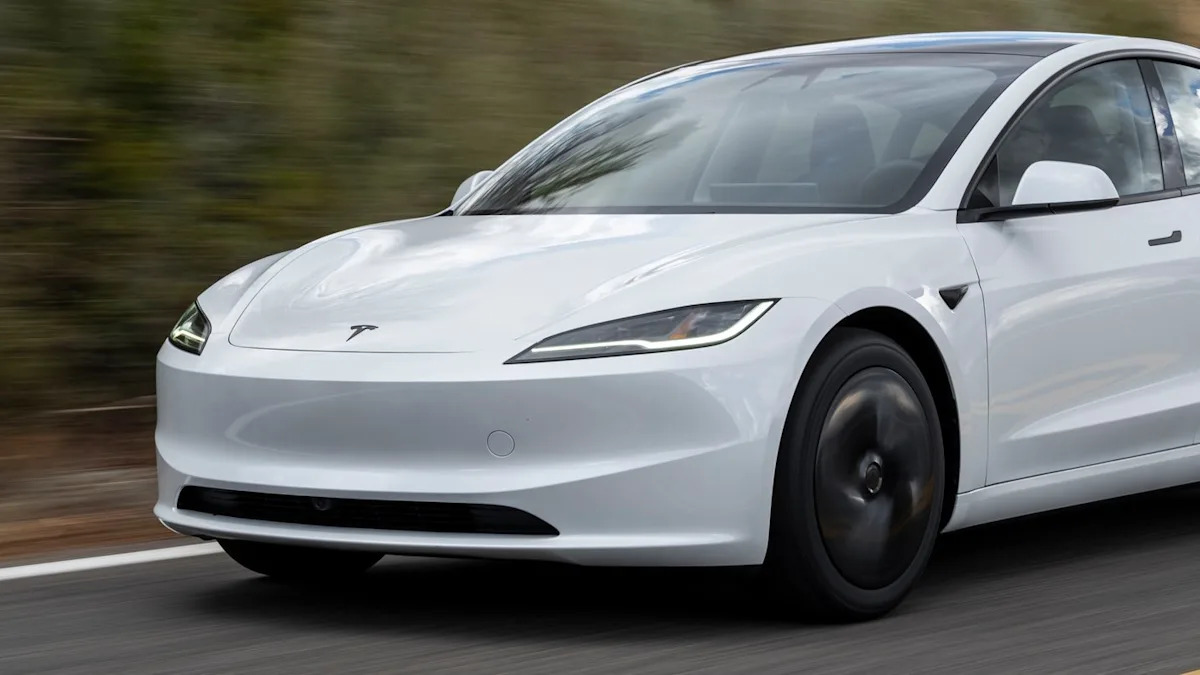
Tesla Faces Significant Valuation Pressure Amidst Declining Performance
- Core Business Decline: Tesla's electric vehicle business saw a volume decline in 2024 and 2025, with total revenue for 2025 at $94.8 billion, slightly below 2023's $96.8 billion, indicating severe impacts on profitability amid increasing competition.
- Operating Income Plummets: Tesla reported just $4.4 billion in GAAP operating income for 2025, halving from previous periods, reflecting a significant drop in margins due to intensified competition in the EV market, which has shaken investor confidence.
- Market Expectations Collapse: JPMorgan analysts noted that expectations for Tesla's financial and performance metrics have collapsed, with only a 9% revenue growth forecast for 2026 to $103.1 billion and a 17% growth for 2027, indicating a pessimistic outlook on future growth.
- Increased Stock Price Risks: Despite a 40% rise in Tesla's stock since the end of 2023, analysts warn of a potential 60% drop, reflecting the growing risks faced by Tesla amid high valuations and ongoing market pressures.
See More
Analysis of OpenAI's IPO Prospects and Challenges
- IPO Potential: OpenAI is expected to go public in 2026, with a recent funding round valuing it at $852 billion, potentially reaching $1 trillion, which has drawn significant investor interest.
- Lack of Profitability: OpenAI currently has no profits and may take years to achieve profitability; its recent decision to shut down the Sora video project to cut costs indicates financial pressures.
- Insufficient Competitive Advantage: OpenAI lacks a strong competitive moat, facing fierce competition from major tech firms and Chinese companies, which could impact its market position and future growth.
- Investment Risk Advisory: Despite OpenAI's high valuation, investors should carefully assess its financials and consider more stable tech stocks like Nvidia, which boasts a strong market share and profitability in the AI chip sector.
See More
OpenAI's IPO Looms with $1 Trillion Valuation Target
- IPO Timeline: OpenAI is expected to go public in Q4 2026 with a target valuation of $1 trillion; while this timeline is not set in stone, the company has expanded its finance team to enhance investor relations, indicating urgency for its IPO.
- Future Revenue Projections: OpenAI anticipates generating $280 billion in annual revenue by 2030, up from just $13.1 billion last year, with nearly half of its 2026 sales expected from enterprise customers, highlighting the potential of its business model.
- User Base Growth: ChatGPT boasts 900 million weekly active users, far surpassing competitors, with 50 million paying customers and 9 million business users, demonstrating its strong market appeal and growth potential.
- Compute Spending Plans: OpenAI plans to reach $600 billion in total compute spending by 2030; despite investor concerns about rising AI expenditures, this spending will drive the demand for rapid revenue growth post-IPO.
See More
Anthropic AI Company Revenue Surges
- Significant Revenue Growth: Anthropic's run-rate revenue has surpassed $30 billion, a substantial increase from approximately $9 billion at the end of 2025, demonstrating its strong performance and ongoing appeal in the enterprise market.
- Enterprise Customer Attraction: Over 500 enterprise customers are currently spending more than $1 million annually on Anthropic, indicating that its 'agentic' capabilities enhance customer stickiness, further solidifying its market position.
- Market Competition Landscape: Anthropic has rapidly emerged as the fastest-growing AI company in the industry, marking significant progress in its competition with OpenAI, particularly in the realm of enterprise contracts.
- Investor Interest: Several public companies, including Alphabet, NVIDIA, and Amazon, have made significant investments in Anthropic, reflecting market confidence and expectations for its future development.
See More
Potential Acquisition of Peloton by Apple Explored
- Stock Price Plunge: Peloton's shares have plummeted 96% from their peak over five years ago, with a 34% decline in 2026 alone, resulting in a market cap of only $2 billion, indicating worsening market sentiment that may attract potential buyers.
- Apple's Financial Strength: Apple reported a net income of $42 billion in Q1 2026, which means it could easily afford a $3 billion acquisition of Peloton, demonstrating its robust capacity for strategic acquisitions.
- Health Strategy Alignment: Peloton's fitness equipment aligns well with Apple's health ambitions, as CEO Tim Cook stated that improving human health is Apple's greatest contribution, suggesting that acquiring Peloton could enhance Apple's hardware offerings.
- Limited Market Opportunity: Despite Peloton's strong reputation in the fitness industry, its addressable market may be too small, coupled with declining revenue and subscriber numbers, which could lead Apple to avoid the potential headaches of such an acquisition.
See More
Trump's Iran Comments Boost Stock Market
- Market Rally: The stock market closed higher on Monday following President Trump's latest comments on Iran, indicating investor optimism regarding geopolitical tensions, which may stimulate short-term investment activity.
- Tesla Stock Decline: Despite the overall market rise, Tesla's stock fell, reflecting investor concerns about the company's future performance, which could impact market confidence and shareholder returns.
- Geopolitical Impact: Trump's remarks may influence investor perceptions of the Middle East situation, thereby affecting stock performance in related sectors, particularly energy and defense.
- Investor Sentiment Shift: The market's rise juxtaposed with Tesla's decline highlights a cautious approach among investors when selecting stocks, potentially leading to a shift of funds towards more stable investment options.
See More
Tesla Faces Significant Valuation Pressure Amidst Declining Performance
- Core Business Decline: Tesla's electric vehicle business saw a volume decline in 2024 and 2025, with total revenue for 2025 at $94.8 billion, slightly below 2023's $96.8 billion, indicating severe impacts on profitability amid increasing competition.
- Operating Income Plummets: Tesla reported just $4.4 billion in GAAP operating income for 2025, halving from previous periods, reflecting a significant drop in margins due to intensified competition in the EV market, which has shaken investor confidence.
- Market Expectations Collapse: JPMorgan analysts noted that expectations for Tesla's financial and performance metrics have collapsed, with only a 9% revenue growth forecast for 2026 to $103.1 billion and a 17% growth for 2027, indicating a pessimistic outlook on future growth.
- Increased Stock Price Risks: Despite a 40% rise in Tesla's stock since the end of 2023, analysts warn of a potential 60% drop, reflecting the growing risks faced by Tesla amid high valuations and ongoing market pressures.
See More