Nvidia Set to Benefit from Surge in AI Agent Adoption
Written by Emily J. Thompson, Senior Investment Analyst
Updated: Feb 26 2026
0mins
Should l Buy NVDA?
Source: NASDAQ.COM
- Surge in Market Demand: According to IDC, the use of AI agents could increase tenfold by 2027, with a projected 1,000x rise in AI inference demands next year, driving sustained demand for Nvidia's chips.
- Technological Leadership: Nvidia's GPUs provide essential computing power for training and deploying leading AI models, and its upcoming Vera Rubin accelerators are set to reduce inference costs by 90%, further encouraging enterprise adoption of its products.
- Wide Industry Applications: Companies like Palantir, Salesforce, and Meta Platforms are leveraging Nvidia's AI tools to build agentic AI applications, highlighting Nvidia's pivotal role in driving growth in this emerging market.
- Upward Earnings Forecasts: Analysts forecast a 65% increase in Nvidia's earnings for the current fiscal year, significantly above the 15% average increase for S&P 500 companies, with eight analysts raising their earnings-per-share targets in the past 30 days, indicating strong market confidence in its future performance.
Trade with 70% Backtested Accuracy
Stop guessing "Should I Buy NVDA?" and start using high-conviction signals backed by rigorous historical data.
Sign up today to access powerful investing tools and make smarter, data-driven decisions.
Analyst Views on NVDA
Wall Street analysts forecast NVDA stock price to rise
41 Analyst Rating
39 Buy
1 Hold
1 Sell
Strong Buy
Current: 178.560

Low
200.00
Averages
264.97
High
352.00
Current: 178.560
Low
200.00
Averages
264.97
High
352.00
About NVDA
NVIDIA Corporation is a full-stack computing infrastructure company. The Company is engaged in accelerated computing to help solve the challenging computational problems. The Company’s segments include Compute & Networking and Graphics. The Compute & Networking segment includes its Data Center accelerated computing platforms and artificial intelligence (AI) solutions and software; networking; automotive platforms and autonomous and electric vehicle solutions; Jetson for robotics and other embedded platforms, and DGX Cloud computing services. The Graphics segment includes GeForce GPUs for gaming and PCs, the GeForce NOW game streaming service and related infrastructure, and solutions for gaming platforms; Quadro/NVIDIA RTX GPUs for enterprise workstation graphics; virtual GPU software for cloud-based visual and virtual computing; automotive platforms for infotainment systems, and Omniverse Enterprise software for building and operating industrial AI and digital twin applications.
About the author

Emily J. Thompson
Emily J. Thompson, a Chartered Financial Analyst (CFA) with 12 years in investment research, graduated with honors from the Wharton School. Specializing in industrial and technology stocks, she provides in-depth analysis for Intellectia’s earnings and market brief reports.

Nvidia's Stock Shows Huge Potential Upside

- Impressive Earnings: Nvidia reported $68 billion in revenue for Q4 FY2026, a 73% year-over-year increase that surpassed analyst expectations of $66.2 billion, indicating robust market demand and profitability.
- Analyst Optimism: Tigress Financial's Ivan Feinseth reiterated a strong buy rating and raised the 12-month price target to $360, suggesting a potential upside of 100%, reflecting the market's underestimation of Nvidia's future growth.
- Market Dominance: Nvidia holds a 92% share of the GPU data center market, with projections of nearly $2 trillion in revenue over the next five years, showcasing its strong competitive position and demand in the AI sector.
- Positive Future Outlook: CEO Jensen Huang anticipates generating at least $1 trillion from Blackwell and Vera Rubin chip sales by the end of 2027, demonstrating the company's strong confidence in future computing demand.
See More

Nuclear Renaissance: The Rise of Cameco

- Nuclear Market Revival: The global resurgence of nuclear projects is evident, with France generating 70% of its electricity from nuclear power and Japan aiming for 20% by 2030, indicating strong demand for clean energy that could drive growth for companies like Cameco.
- Uranium Price Surge: The spot price of uranium has increased by nearly 35% over the past year, reflecting heightened market interest in nuclear energy, which will directly enhance Cameco's profitability, especially as its uranium production has decreased.
- Cameco's Market Position: Last year, Cameco produced 15% of the world's uranium, making it the second-largest uranium miner after Kazakhstan, with its high-grade uranium ore providing a competitive edge expected to last until 2044.
- Strong Financial Performance: Cameco generated $3.48 billion in revenue for 2025, an 11% increase despite a 10% drop in uranium production, driven by a 6% rise in uranium prices, maintaining a net profit margin of 16.93%, showcasing its financial stability and growth potential.
See More

Investment Opportunities in Tech Stocks

- Digital Advertising Potential: According to Statista, the digital advertising market is expected to exceed $950 billion by 2026, providing The Trade Desk with significant growth opportunities; despite its stock trading below historical highs, investors can buy at a discount, potentially yielding substantial returns over the next decade.
- Significant Revenue Growth: The Trade Desk generated $13 billion in ad spending last year, with nearly $3 billion in revenue, reflecting an 18% year-over-year increase, indicating strong performance in the digital ad market, and a customer retention rate exceeding 95%, showcasing its competitive advantage.
- Axon's Growth Potential: Axon is building a modern tech stack for law enforcement, with Q4 total revenue surging 39% year-over-year to $797 million and software revenue up 40%, achieving $1.3 billion in annual recurring revenue, demonstrating robust growth in the public safety sector.
- Optimistic Future Outlook: Axon anticipates reaching $6 billion in annual revenue by 2028 with a 28% adjusted operating margin, while future contracted bookings exceed $14 billion, indicating substantial expansion potential in enterprise, corrections, and international markets, with expected annual earnings growth of 38% in the coming years.
See More

Two Stocks to Hold for the Long Term

- Costco's Growth Potential: As of March 19, Costco's stock has risen 13%, demonstrating strong market appeal while the S&P 500 fell 3.5%, with expectations of continued high member retention at 90%, driving long-term profit growth.
- Target's Strategic Shift: Despite a 2.5% decline in same-store sales, Target's new CEO promises a return to differentiated merchandise and improved customer experience, with expectations for a slight sales increase this year, indicating potential recovery ahead.
- Valuation Attractiveness: Costco's P/E ratio stands at 51, significantly higher than the S&P 500's 28, reflecting market confidence in its long-term success, while Target's P/E of 14 remains below half of the S&P 500, suggesting its stock is still appealing.
- Investor Confidence: Target's shares have increased by 17.1% this year, and despite challenges, investor support for its new strategy indicates that if executed well, substantial returns could be realized in the future.
See More
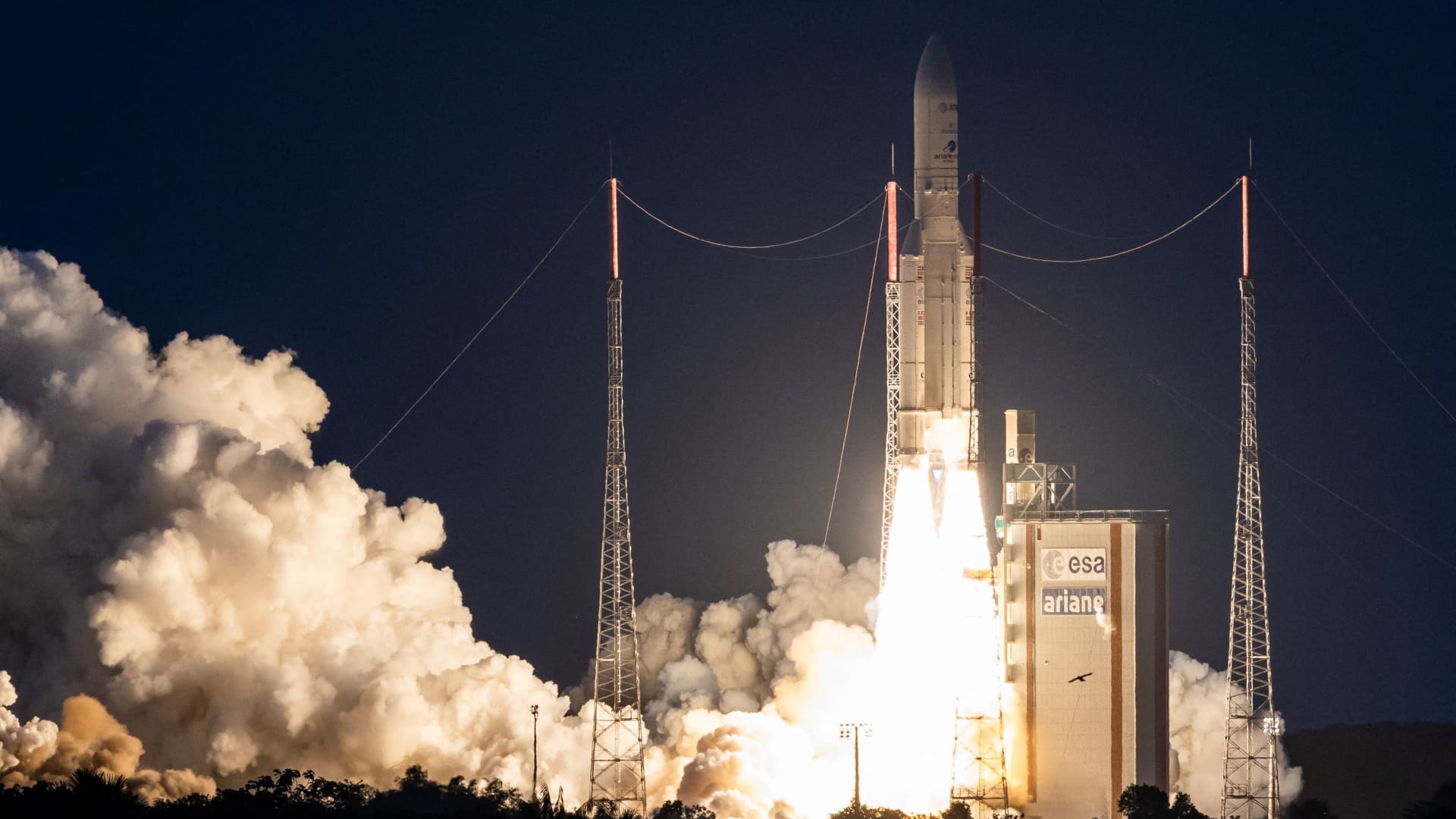
Surge in Low Earth Orbit Satellite Investments

- Investment Surge: In 2025, investments in the low Earth orbit satellite sector exceeded $45 billion, a significant increase from $25 billion in 2024, highlighting the strategic importance and market potential that is attracting global investor interest.
- Technological Innovation: Nvidia unveiled a new platform aimed at integrating AI computing into orbit, supporting autonomous space operations and geospatial intelligence, which could fundamentally transform the functionality of orbital data centers and drive technological advancements in the industry.
- Market Competition: Amazon plans to deploy over 3,000 satellites in low Earth orbit, with the FCC approving an additional 4,500, while Blue Origin aims to launch 5,000 satellites by late 2027, indicating intensifying market competition and rapid technological development.
- Regulatory Challenges: Experts argue that existing legal frameworks are inadequate for managing the complexities and risks of low Earth orbit, necessitating a new regulatory perspective to adapt to commercially driven space activities, ensuring sustainability and safety.
See More

Big Tech Bets Big on Low Earth Orbit Investments
- Investment Surge: According to Space IQ, investments in low Earth orbit exceeded $45 billion in 2025, a significant increase from just under $25 billion in 2024, highlighting the strategic importance and market potential of this sector.
- Satellite Network Expansion: SpaceX's Starlink currently operates over 9,500 satellites and plans to add thousands more, showcasing its dominant position in global communications and data services.
- New Technology Platform: Nvidia unveiled a new platform at GTC 2026 aimed at bringing AI computing into orbit, which could transform the functionality of data centers and enhance the autonomy of space operations.
- Regulatory Challenges: Experts argue that existing legal frameworks are inadequate for the complexities of low Earth orbit, necessitating updates to manage the rapid growth of commercial operations and ensure the sustainability and safety of space activities.
See More
Nvidia's Stock Shows Huge Potential Upside
- Impressive Earnings: Nvidia reported $68 billion in revenue for Q4 FY2026, a 73% year-over-year increase that surpassed analyst expectations of $66.2 billion, indicating robust market demand and profitability.
- Analyst Optimism: Tigress Financial's Ivan Feinseth reiterated a strong buy rating and raised the 12-month price target to $360, suggesting a potential upside of 100%, reflecting the market's underestimation of Nvidia's future growth.
- Market Dominance: Nvidia holds a 92% share of the GPU data center market, with projections of nearly $2 trillion in revenue over the next five years, showcasing its strong competitive position and demand in the AI sector.
- Positive Future Outlook: CEO Jensen Huang anticipates generating at least $1 trillion from Blackwell and Vera Rubin chip sales by the end of 2027, demonstrating the company's strong confidence in future computing demand.
See More
Nuclear Renaissance: The Rise of Cameco
- Nuclear Market Revival: The global resurgence of nuclear projects is evident, with France generating 70% of its electricity from nuclear power and Japan aiming for 20% by 2030, indicating strong demand for clean energy that could drive growth for companies like Cameco.
- Uranium Price Surge: The spot price of uranium has increased by nearly 35% over the past year, reflecting heightened market interest in nuclear energy, which will directly enhance Cameco's profitability, especially as its uranium production has decreased.
- Cameco's Market Position: Last year, Cameco produced 15% of the world's uranium, making it the second-largest uranium miner after Kazakhstan, with its high-grade uranium ore providing a competitive edge expected to last until 2044.
- Strong Financial Performance: Cameco generated $3.48 billion in revenue for 2025, an 11% increase despite a 10% drop in uranium production, driven by a 6% rise in uranium prices, maintaining a net profit margin of 16.93%, showcasing its financial stability and growth potential.
See More
Investment Opportunities in Tech Stocks
- Digital Advertising Potential: According to Statista, the digital advertising market is expected to exceed $950 billion by 2026, providing The Trade Desk with significant growth opportunities; despite its stock trading below historical highs, investors can buy at a discount, potentially yielding substantial returns over the next decade.
- Significant Revenue Growth: The Trade Desk generated $13 billion in ad spending last year, with nearly $3 billion in revenue, reflecting an 18% year-over-year increase, indicating strong performance in the digital ad market, and a customer retention rate exceeding 95%, showcasing its competitive advantage.
- Axon's Growth Potential: Axon is building a modern tech stack for law enforcement, with Q4 total revenue surging 39% year-over-year to $797 million and software revenue up 40%, achieving $1.3 billion in annual recurring revenue, demonstrating robust growth in the public safety sector.
- Optimistic Future Outlook: Axon anticipates reaching $6 billion in annual revenue by 2028 with a 28% adjusted operating margin, while future contracted bookings exceed $14 billion, indicating substantial expansion potential in enterprise, corrections, and international markets, with expected annual earnings growth of 38% in the coming years.
See More
Two Stocks to Hold for the Long Term
- Costco's Growth Potential: As of March 19, Costco's stock has risen 13%, demonstrating strong market appeal while the S&P 500 fell 3.5%, with expectations of continued high member retention at 90%, driving long-term profit growth.
- Target's Strategic Shift: Despite a 2.5% decline in same-store sales, Target's new CEO promises a return to differentiated merchandise and improved customer experience, with expectations for a slight sales increase this year, indicating potential recovery ahead.
- Valuation Attractiveness: Costco's P/E ratio stands at 51, significantly higher than the S&P 500's 28, reflecting market confidence in its long-term success, while Target's P/E of 14 remains below half of the S&P 500, suggesting its stock is still appealing.
- Investor Confidence: Target's shares have increased by 17.1% this year, and despite challenges, investor support for its new strategy indicates that if executed well, substantial returns could be realized in the future.
See More
Surge in Low Earth Orbit Satellite Investments
- Investment Surge: In 2025, investments in the low Earth orbit satellite sector exceeded $45 billion, a significant increase from $25 billion in 2024, highlighting the strategic importance and market potential that is attracting global investor interest.
- Technological Innovation: Nvidia unveiled a new platform aimed at integrating AI computing into orbit, supporting autonomous space operations and geospatial intelligence, which could fundamentally transform the functionality of orbital data centers and drive technological advancements in the industry.
- Market Competition: Amazon plans to deploy over 3,000 satellites in low Earth orbit, with the FCC approving an additional 4,500, while Blue Origin aims to launch 5,000 satellites by late 2027, indicating intensifying market competition and rapid technological development.
- Regulatory Challenges: Experts argue that existing legal frameworks are inadequate for managing the complexities and risks of low Earth orbit, necessitating a new regulatory perspective to adapt to commercially driven space activities, ensuring sustainability and safety.
See More
Big Tech Bets Big on Low Earth Orbit Investments
- Investment Surge: According to Space IQ, investments in low Earth orbit exceeded $45 billion in 2025, a significant increase from just under $25 billion in 2024, highlighting the strategic importance and market potential of this sector.
- Satellite Network Expansion: SpaceX's Starlink currently operates over 9,500 satellites and plans to add thousands more, showcasing its dominant position in global communications and data services.
- New Technology Platform: Nvidia unveiled a new platform at GTC 2026 aimed at bringing AI computing into orbit, which could transform the functionality of data centers and enhance the autonomy of space operations.
- Regulatory Challenges: Experts argue that existing legal frameworks are inadequate for the complexities of low Earth orbit, necessitating updates to manage the rapid growth of commercial operations and ensure the sustainability and safety of space activities.
See More