Norwegian Cruise Line Faces Growing Debt Crisis
Written by Emily J. Thompson, Senior Investment Analyst
Updated: 1 hour ago
0mins

Source: Fool
- High Debt Levels: Norwegian Cruise Line holds $14.6 billion in total debt against a book value of $2.2 billion, indicating significant financial vulnerability, especially amid rising economic uncertainties that could lead to a financial crisis.
- Increased Interest Expenses: In 2025, Norwegian's interest payments exceeded those of 2024, and although the company refinanced about $2 billion of its debt and extended some maturities, the continuous rise in debt remains a critical issue.
- Rising Fuel Costs: In 2025, Norwegian spent $676 million on fuel, and a 45% increase in fuel costs could raise this to $980 million, potentially leading to a 72% drop in net income, exacerbating its debt challenges.
- Uncertain Future Outlook: While high demand has temporarily supported profitability, if economic downturns or persistently high fuel prices occur, Norwegian may struggle to fill its new ships, leading to increased financial uncertainty moving forward.
Trade with 70% Backtested Accuracy
Stop guessing "Should I Buy NCLH?" and start using high-conviction signals backed by rigorous historical data.
Sign up today to access powerful investing tools and make smarter, data-driven decisions.
Analyst Views on NCLH
Wall Street analysts forecast NCLH stock price to rise
13 Analyst Rating
8 Buy
5 Hold
0 Sell
Moderate Buy
Current: 19.370

Low
20.00
Averages
26.77
High
40.00
Current: 19.370
Low
20.00
Averages
26.77
High
40.00
About NCLH
Norwegian Cruise Line Holdings Ltd. is a global cruise company. The Company operates Norwegian Cruise Line, Oceania Cruises and Regent Seven Seas Cruises. With a combined fleet of 32 ships and over 66,500 berths, it offers itineraries to over 700 destinations worldwide. Its brands offer itineraries to worldwide destinations, including Europe, Asia, Australia, New Zealand, South America, Africa, Canada, Bermuda, Caribbean, Alaska and Hawaii. All its brands offer an assortment of features, amenities and activities, including a variety of accommodations, multiple dining venues, bars and lounges, spa, casino and retail shopping areas and numerous entertainment choices. All brands also offer a selection of shore excursions at each port of call, as well as air transportation and hotel packages for stays before or after a voyage. Norwegian’s ships cater to a variety of travelers with up to 20 dining options. Oceania Cruises offers onboard dining, with multiple open-seating dining venues.
About the author

Emily J. Thompson
Emily J. Thompson, a Chartered Financial Analyst (CFA) with 12 years in investment research, graduated with honors from the Wharton School. Specializing in industrial and technology stocks, she provides in-depth analysis for Intellectia’s earnings and market brief reports.

Norwegian Cruise Line Faces Rising Debt Challenges


- Strong Demand Supports Performance: Norwegian Cruise Line has recorded record bookings in recent quarters, maintaining high occupancy rates despite economic uncertainty, indicating robust market demand; however, the ongoing rise in debt levels could jeopardize its financial stability.
- Rising Debt Levels: The company's total debt has reached $14.6 billion against a book value of only $2.2 billion, with interest expenses in 2025 exceeding those of 2024, highlighting significant pressure on its debt repayment capacity that could lead to a financial crisis.
- Fuel Cost Challenges: In 2025, Norwegian spent $676 million on fuel, and a 45% increase in fuel costs would raise this to $980 million, resulting in a projected 72% decline in profits, exacerbating its debt issues.
- Future Uncertainty: Although the company has successfully refinanced about $2 billion to extend some debt maturities, if economic downturns or persistently high fuel prices occur, Norwegian may struggle to fill its new ships, casting doubt on its future prospects.
See More
Norwegian Cruise Line Faces Growing Debt Crisis
- High Debt Levels: Norwegian Cruise Line holds $14.6 billion in total debt against a book value of $2.2 billion, indicating significant financial vulnerability, especially amid rising economic uncertainties that could lead to a financial crisis.
- Increased Interest Expenses: In 2025, Norwegian's interest payments exceeded those of 2024, and although the company refinanced about $2 billion of its debt and extended some maturities, the continuous rise in debt remains a critical issue.
- Rising Fuel Costs: In 2025, Norwegian spent $676 million on fuel, and a 45% increase in fuel costs could raise this to $980 million, potentially leading to a 72% drop in net income, exacerbating its debt challenges.
- Uncertain Future Outlook: While high demand has temporarily supported profitability, if economic downturns or persistently high fuel prices occur, Norwegian may struggle to fill its new ships, leading to increased financial uncertainty moving forward.
See More

Airline and Cruise Stocks Rise in Premarket


- Market Rally: Airline and cruise operator stocks saw an uptick in premarket trading on Wednesday following a US-Iran agreement, indicating a positive sentiment towards industry recovery.
- Investor Confidence Boost: This upward trend reflects growing investor confidence in the future prospects of the airline and cruise sectors, particularly in the context of post-pandemic recovery, which may drive increased travel demand.
- Dynamic Industry Changes: As global travel restrictions gradually ease, airlines and cruise companies are likely to attract more customers, further boosting stock prices and enhancing market competitiveness.
- Economic Recovery Signal: This trend not only highlights the recovery potential of the airline and cruise industries but may also signal an overall economic rebound, drawing more investor attention to related stocks.
See More

US Stocks Fluctuate Slightly as Oil Prices Rise Impact Market


- Market Fluctuations: The S&P 500 Index rose by 0.08%, while the Dow Jones Industrial Average fell by 0.18%, and the Nasdaq 100 Index increased by 0.04%, indicating a cautious market response amid rising oil prices and geopolitical tensions.
- Oil Price Impact: Crude oil prices surged to a four-week high due to escalating tensions with Iran, leading to declines in airline and cruise line stocks, with Norwegian Cruise Line Holdings, Carnival, and Royal Caribbean all dropping over 3%.
- Economic Data: February's non-defense capital goods new orders rose by 0.6% month-over-month, surpassing the expected 0.5%, indicating an improvement in capital spending, although consumer credit growth fell short of expectations, potentially affecting consumer confidence.
- Fed Policy Expectations: The market is pricing in only a 3% chance of a 25 basis point rate hike at the Fed's April meeting, reflecting investor caution regarding future monetary policy, especially in light of rising oil prices that could drive inflation.
See More

U.S. Economic Outlook Dims Amid Iran Tensions


- Market Weakness: The S&P 500 index showed significant weakness as President Trump's deadline for Iran approached, with most of the session in the red, reflecting investor concerns over economic prospects amid declining consumer confidence and rising inflation.
- Retail Sector Decline: Walmart's 3.3% drop indicates that even budget-conscious consumers may cut back on spending during an economic downturn, suggesting a deteriorating overall consumer health that could have long-term implications for the retail sector.
- Cruise Industry Struggles: Shares of Royal Caribbean, Norwegian Cruise Line, and Carnival fell nearly 3%, 3.3%, and 2.96% respectively, indicating a potential decline in consumer demand for travel post-pandemic, which raises further concerns about economic recovery.
- Pharmaceutical Stocks Underperform: Merck, Pfizer, and AbbVie saw declines of 1.3%, 2.6%, and 0.2%, respectively, highlighting inflationary pressures and the dual challenges of economic slowdown and rising costs faced by the pharmaceutical industry.
See More
US Stocks Decline as Oil Prices Surge Amid Iran Tensions

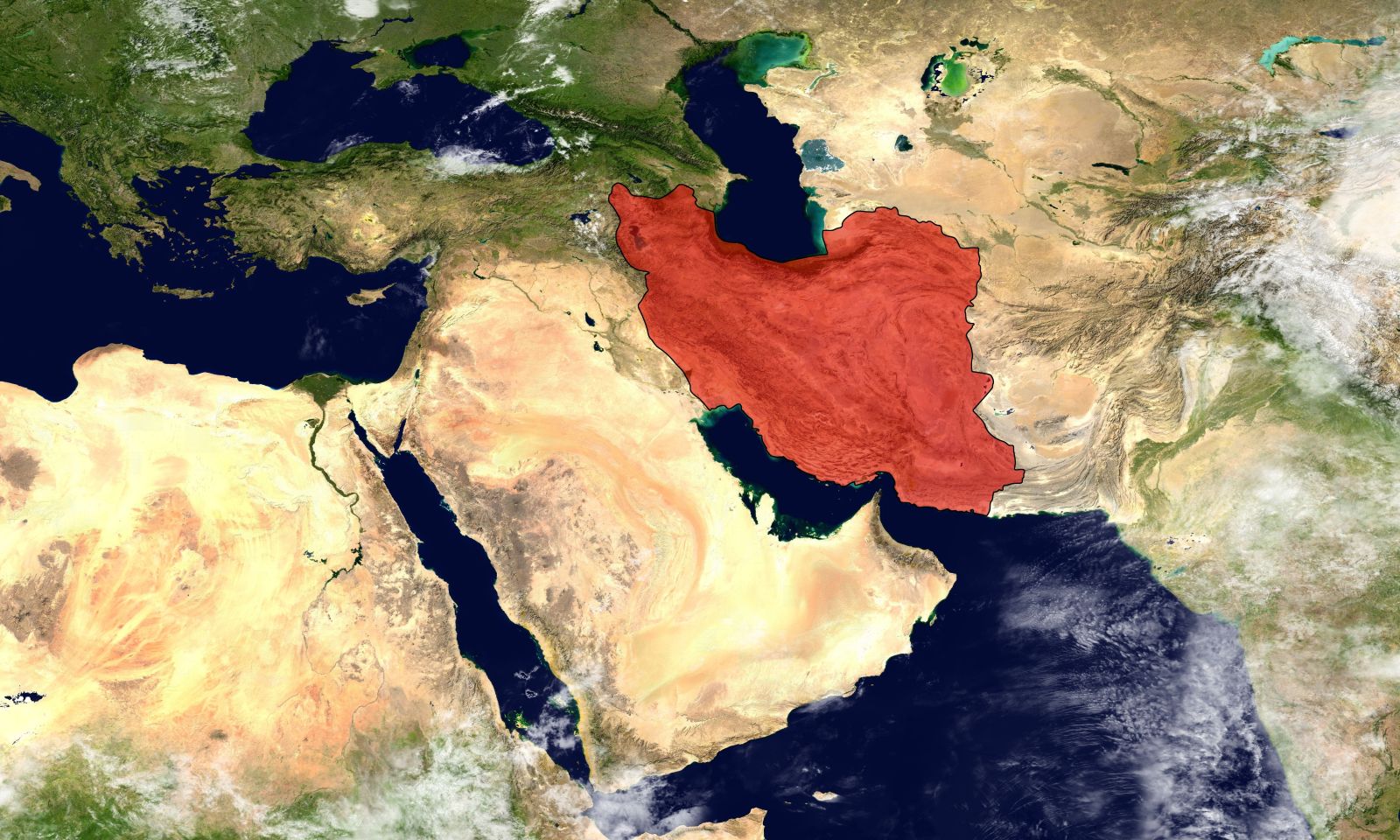
- Market Decline: The S&P 500 Index fell by 0.90%, the Dow Jones Industrial Average dropped by 0.76%, and the Nasdaq 100 Index decreased by 1.40%, reflecting investor concerns over geopolitical tensions, particularly the potential escalation of conflict between Iran and the US.
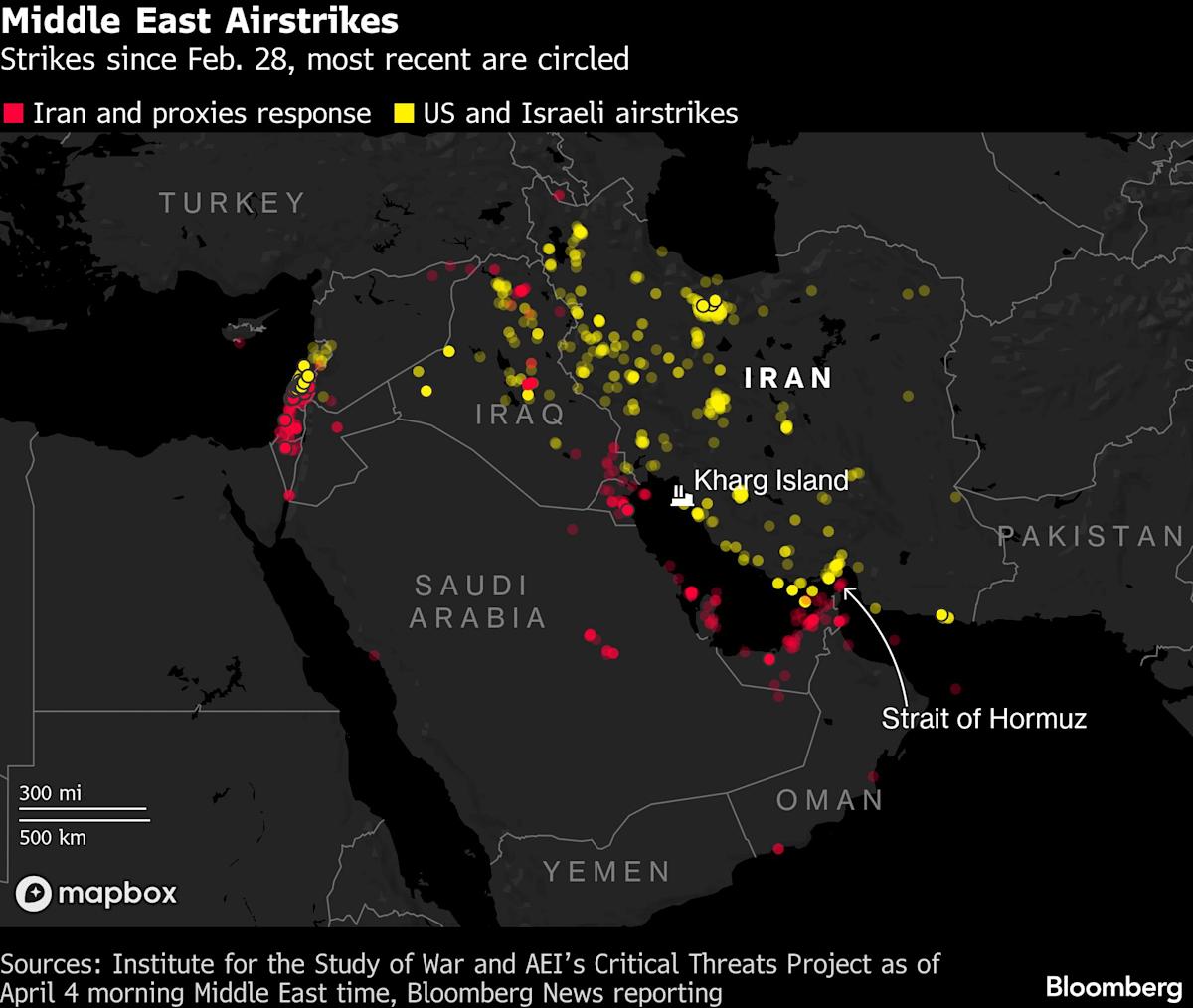
- Oil Price Surge: Crude oil prices rose over 3% to a four-week high as the market watches for Iran's response to a ceasefire deadline tonight, with failure to reach an agreement potentially leading to broader military conflict and impacting global energy supplies.
- Positive Economic Data: Despite the overall market downturn, February's non-defense capital goods new orders increased by 0.6% month-over-month, surpassing expectations of 0.5%, indicating resilience in US capital spending that could support future market stability.
- Bond Market Reaction: The 10-year Treasury note yield rose to 4.357% as rising oil prices boosted inflation expectations, while the market's diminished outlook for a Fed rate hike reflects investor caution regarding future economic policies.
See More
Norwegian Cruise Line Faces Rising Debt Challenges
- Strong Demand Supports Performance: Norwegian Cruise Line has recorded record bookings in recent quarters, maintaining high occupancy rates despite economic uncertainty, indicating robust market demand; however, the ongoing rise in debt levels could jeopardize its financial stability.
- Rising Debt Levels: The company's total debt has reached $14.6 billion against a book value of only $2.2 billion, with interest expenses in 2025 exceeding those of 2024, highlighting significant pressure on its debt repayment capacity that could lead to a financial crisis.
- Fuel Cost Challenges: In 2025, Norwegian spent $676 million on fuel, and a 45% increase in fuel costs would raise this to $980 million, resulting in a projected 72% decline in profits, exacerbating its debt issues.
- Future Uncertainty: Although the company has successfully refinanced about $2 billion to extend some debt maturities, if economic downturns or persistently high fuel prices occur, Norwegian may struggle to fill its new ships, casting doubt on its future prospects.
See More
Norwegian Cruise Line Faces Growing Debt Crisis
- High Debt Levels: Norwegian Cruise Line holds $14.6 billion in total debt against a book value of $2.2 billion, indicating significant financial vulnerability, especially amid rising economic uncertainties that could lead to a financial crisis.
- Increased Interest Expenses: In 2025, Norwegian's interest payments exceeded those of 2024, and although the company refinanced about $2 billion of its debt and extended some maturities, the continuous rise in debt remains a critical issue.
- Rising Fuel Costs: In 2025, Norwegian spent $676 million on fuel, and a 45% increase in fuel costs could raise this to $980 million, potentially leading to a 72% drop in net income, exacerbating its debt challenges.
- Uncertain Future Outlook: While high demand has temporarily supported profitability, if economic downturns or persistently high fuel prices occur, Norwegian may struggle to fill its new ships, leading to increased financial uncertainty moving forward.
See More
Airline and Cruise Stocks Rise in Premarket
- Market Rally: Airline and cruise operator stocks saw an uptick in premarket trading on Wednesday following a US-Iran agreement, indicating a positive sentiment towards industry recovery.
- Investor Confidence Boost: This upward trend reflects growing investor confidence in the future prospects of the airline and cruise sectors, particularly in the context of post-pandemic recovery, which may drive increased travel demand.
- Dynamic Industry Changes: As global travel restrictions gradually ease, airlines and cruise companies are likely to attract more customers, further boosting stock prices and enhancing market competitiveness.
- Economic Recovery Signal: This trend not only highlights the recovery potential of the airline and cruise industries but may also signal an overall economic rebound, drawing more investor attention to related stocks.
See More
US Stocks Fluctuate Slightly as Oil Prices Rise Impact Market
- Market Fluctuations: The S&P 500 Index rose by 0.08%, while the Dow Jones Industrial Average fell by 0.18%, and the Nasdaq 100 Index increased by 0.04%, indicating a cautious market response amid rising oil prices and geopolitical tensions.
- Oil Price Impact: Crude oil prices surged to a four-week high due to escalating tensions with Iran, leading to declines in airline and cruise line stocks, with Norwegian Cruise Line Holdings, Carnival, and Royal Caribbean all dropping over 3%.
- Economic Data: February's non-defense capital goods new orders rose by 0.6% month-over-month, surpassing the expected 0.5%, indicating an improvement in capital spending, although consumer credit growth fell short of expectations, potentially affecting consumer confidence.
- Fed Policy Expectations: The market is pricing in only a 3% chance of a 25 basis point rate hike at the Fed's April meeting, reflecting investor caution regarding future monetary policy, especially in light of rising oil prices that could drive inflation.
See More
U.S. Economic Outlook Dims Amid Iran Tensions
- Market Weakness: The S&P 500 index showed significant weakness as President Trump's deadline for Iran approached, with most of the session in the red, reflecting investor concerns over economic prospects amid declining consumer confidence and rising inflation.
- Retail Sector Decline: Walmart's 3.3% drop indicates that even budget-conscious consumers may cut back on spending during an economic downturn, suggesting a deteriorating overall consumer health that could have long-term implications for the retail sector.
- Cruise Industry Struggles: Shares of Royal Caribbean, Norwegian Cruise Line, and Carnival fell nearly 3%, 3.3%, and 2.96% respectively, indicating a potential decline in consumer demand for travel post-pandemic, which raises further concerns about economic recovery.
- Pharmaceutical Stocks Underperform: Merck, Pfizer, and AbbVie saw declines of 1.3%, 2.6%, and 0.2%, respectively, highlighting inflationary pressures and the dual challenges of economic slowdown and rising costs faced by the pharmaceutical industry.
See More
US Stocks Decline as Oil Prices Surge Amid Iran Tensions
- Market Decline: The S&P 500 Index fell by 0.90%, the Dow Jones Industrial Average dropped by 0.76%, and the Nasdaq 100 Index decreased by 1.40%, reflecting investor concerns over geopolitical tensions, particularly the potential escalation of conflict between Iran and the US.
- Oil Price Surge: Crude oil prices rose over 3% to a four-week high as the market watches for Iran's response to a ceasefire deadline tonight, with failure to reach an agreement potentially leading to broader military conflict and impacting global energy supplies.
- Positive Economic Data: Despite the overall market downturn, February's non-defense capital goods new orders increased by 0.6% month-over-month, surpassing expectations of 0.5%, indicating resilience in US capital spending that could support future market stability.
- Bond Market Reaction: The 10-year Treasury note yield rose to 4.357% as rising oil prices boosted inflation expectations, while the market's diminished outlook for a Fed rate hike reflects investor caution regarding future economic policies.
See More