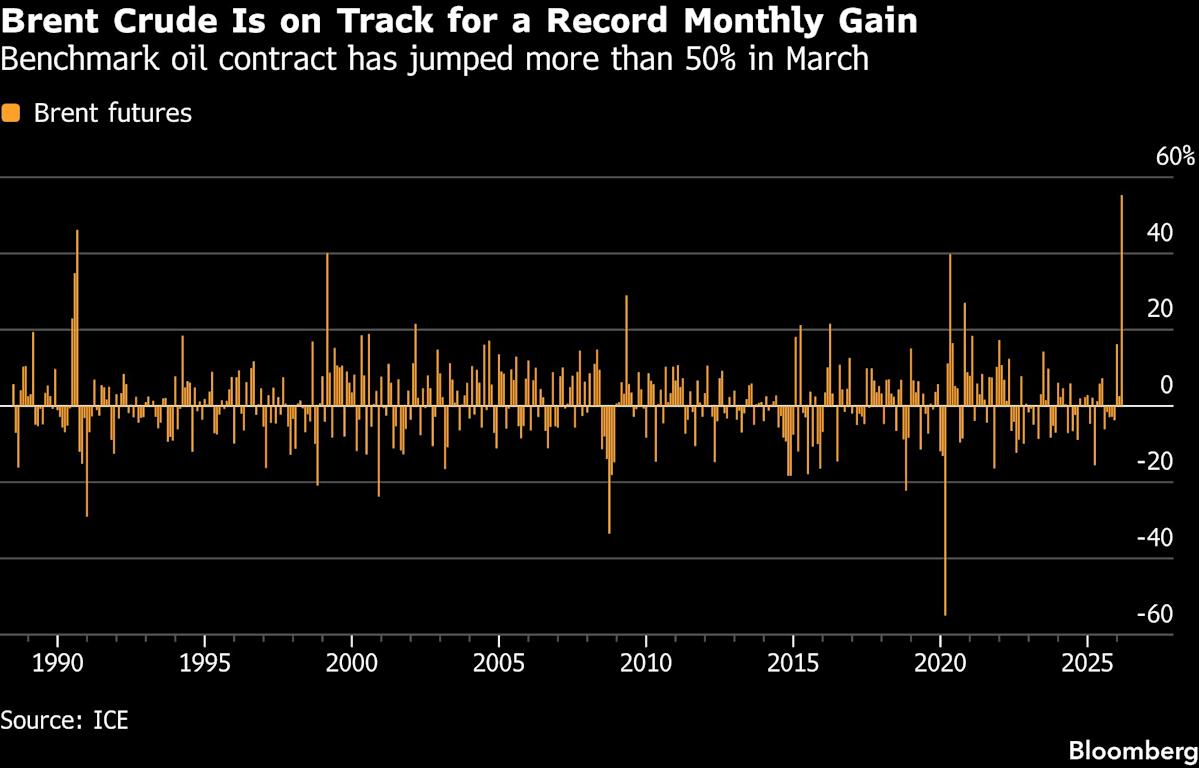
Nikesh Arora Purchases 68,085 Shares
Written by Emily J. Thompson, Senior Investment Analyst
Updated: 1 hour ago
0mins
Should l Buy PANW?
Source: Yahoo Finance
- Executive Purchase: CEO Nikesh Arora executed a purchase of 68,085 shares on March 27, 2026, demonstrating confidence in the company's future, which may positively impact market sentiment.
- Market Reaction Anticipation: Such executive purchases are often viewed as a positive signal regarding the company's outlook, potentially attracting more investor interest and driving up the stock price.
- Strategic Implications: By increasing his shareholding, Arora not only enhances his personal stake in the company but may also contribute to the stability of the corporate governance structure, thereby boosting investor trust.
- Investor Confidence Boost: Executive stock purchases are typically interpreted as an endorsement of the company's value, which could enhance investor confidence and market activity in the short term.
Trade with 70% Backtested Accuracy
Stop guessing "Should I Buy PANW?" and start using high-conviction signals backed by rigorous historical data.
Sign up today to access powerful investing tools and make smarter, data-driven decisions.
Analyst Views on PANW
Wall Street analysts forecast PANW stock price to rise
34 Analyst Rating
28 Buy
5 Hold
1 Sell
Strong Buy
Current: 156.360

Low
157.00
Averages
232.49
High
265.00
Current: 156.360
Low
157.00
Averages
232.49
High
265.00
About PANW
Palo Alto Networks, Inc. is a global artificial intelligence (AI) cybersecurity company, with a comprehensive portfolio of cybersecurity solutions and platforms across network, cloud, security operations, AI and Identity. Its network security platform includes Secure Access Service Edge (SASE), Next-Generation Firewalls, Cloud Delivered Security Services (CDSS), Prisma AIRS, and Strata Cloud Manager (SCM). It delivers security operations capabilities that unifies standalone Security Information and Event Management (SIEM) tools, endpoint security, security automation, cloud detection and response (CDR), as well as attack surface management (ASM) capabilities on its Cortex platform. It delivers comprehensive security across the cloud application development lifecycle through Cortex Cloud. Its Unit 42 brings together expertise across threat research, incident response, and security consulting to deliver intelligence-driven, response-ready outcomes that help customers reduce cyber risk.
About the author

Emily J. Thompson
Emily J. Thompson, a Chartered Financial Analyst (CFA) with 12 years in investment research, graduated with honors from the Wharton School. Specializing in industrial and technology stocks, she provides in-depth analysis for Intellectia’s earnings and market brief reports.

Rumors of Claude Mythos Cybersecurity Program Worry Palo Alto Investors

- Market Reaction: Palo Alto Networks (NASDAQ: PANW) saw its stock drop by 7% by 9:55 a.m. ET on Friday, reflecting investor concerns over the upcoming Claude Mythos AI model, which has not yet been officially released.
- Competitive Threat: Claude Mythos is reported to be Anthropic's most powerful AI model to date, particularly excelling in reasoning, coding, and cybersecurity functions, posing a potential threat to Palo Alto's market share.
- Investor Sentiment: With Palo Alto's stock trading at 35 times free cash flow and 90 times earnings, the lack of margin of safety has led investors to react sensitively to rumors, opting to sell even before confirmation.
- Analyst Perspective: Although Palo Alto Networks is recommended by The Motley Fool, analysts have identified ten other stocks as more valuable investments, indicating a cautious market outlook on Palo Alto's future growth.
See More

Nikesh Arora Purchases 68,085 Shares
- Executive Purchase: CEO Nikesh Arora executed a purchase of 68,085 shares on March 27, 2026, demonstrating confidence in the company's future, which may positively impact market sentiment.
- Market Reaction Anticipation: Such executive purchases are often viewed as a positive signal regarding the company's outlook, potentially attracting more investor interest and driving up the stock price.
- Strategic Implications: By increasing his shareholding, Arora not only enhances his personal stake in the company but may also contribute to the stability of the corporate governance structure, thereby boosting investor trust.
- Investor Confidence Boost: Executive stock purchases are typically interpreted as an endorsement of the company's value, which could enhance investor confidence and market activity in the short term.
See More
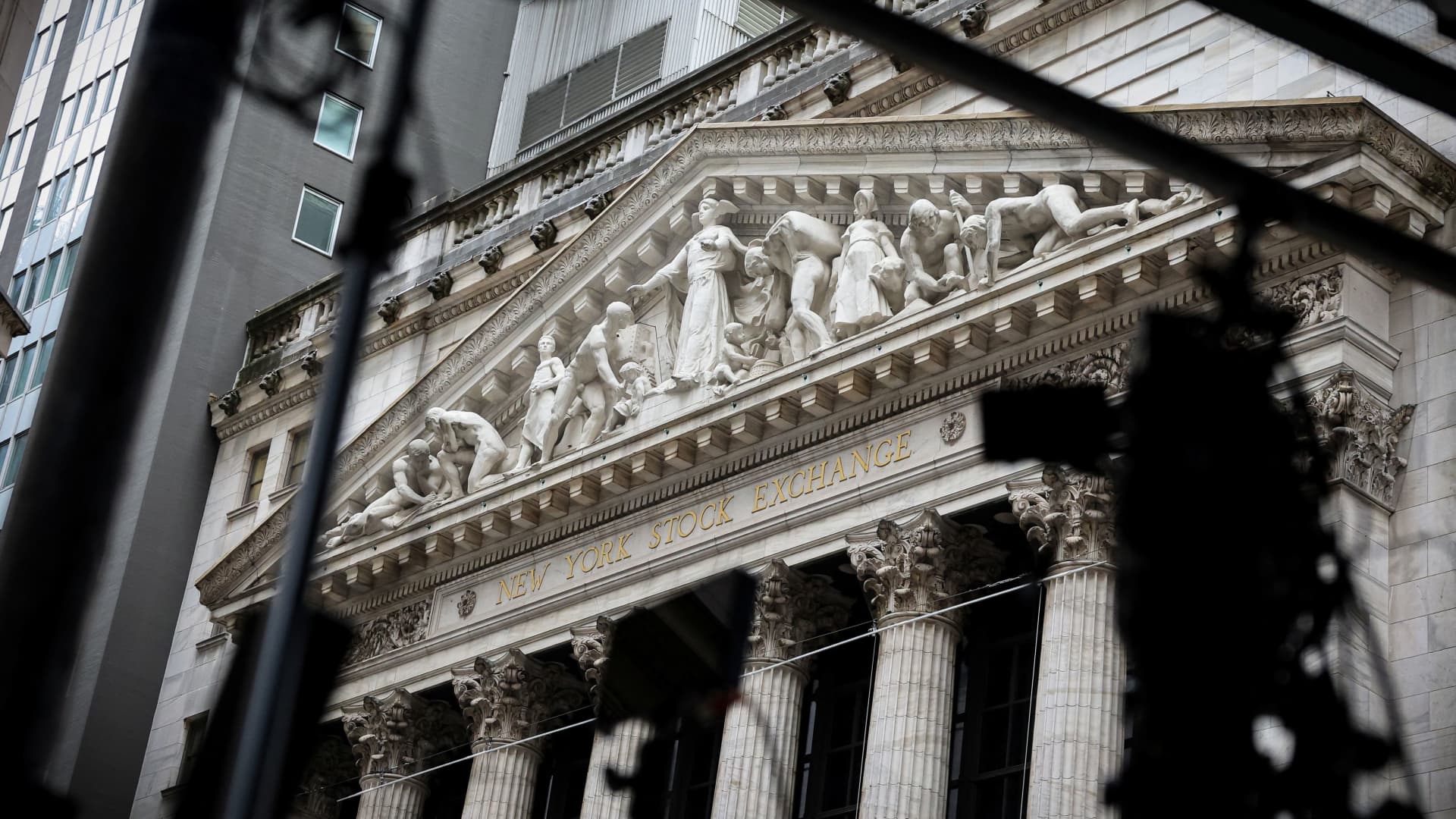
Iran War Effects Widen, Pressuring Stock Markets

- Oil Price Surge Impact: The ongoing war in Iran has led to a 5.5% increase in West Texas Intermediate crude to $99.64 per barrel and a 4.2% rise in Brent crude to $112.57, causing the Dow and Nasdaq to drop 1.7% and 2.2%, respectively, highlighting the market's sensitivity to rising oil prices.
- Tech Stocks Hit Hard: News regarding Anthropic's AI model has severely impacted enterprise software stocks, with CrowdStrike and Palo Alto Networks seeing declines of 6% and over 9%, respectively, reflecting investor concerns about AI potentially replacing traditional software companies and exacerbating market anxiety.
- Meta Platforms Legal Challenges: Meta's stock fell nearly 11.5% after losing two social media addiction lawsuits, raising concerns about the company's short-term performance and long-term legal risks, although analysts believe the company has a strong legal position.
- Costco's Resilience: Despite overall market pressures, Costco's shares rose 1.2% last week, driven by increased customer traffic from higher gas prices and a new standalone gas station initiative, demonstrating the company's ability to find growth opportunities even in challenging conditions.
See More

US Stocks Plunge as Oil Prices Surge Amid Iran Conflict


- Market Decline: The S&P 500 index fell by 1.67%, marking a 7-month low, while the Nasdaq 100 and Dow Jones Industrial Average dropped by 1.93% and 1.73%, respectively, indicating heightened concerns over economic slowdown.
- Oil Price Surge: WTI crude oil prices surged over 5% due to fears surrounding the Iran conflict, which not only exacerbates inflation expectations but may also compel the Federal Reserve to tighten monetary policy, impacting overall economic growth.
- Consumer Sentiment Drop: The University of Michigan's consumer sentiment index was revised down to 53.3 from 55.5, below the expected 54.0, reflecting a pessimistic outlook among consumers regarding future economic conditions, potentially suppressing consumer spending.
- Escalating US-China Trade Tensions: China launched investigations into US trade practices targeting restrictions on Chinese goods, which could further disrupt global supply chains and increase market uncertainty.
See More
CNBC Investing Club March Meeting Overview


- Energy Stocks Surge: Following the outbreak of war in Iran, energy stocks, particularly fertilizer manufacturers, have shown strong performance, indicating robust market demand that could drive profitability for related companies.
- AWS Growth Acceleration: Amazon's cloud unit AWS is no longer lagging behind Microsoft Azure, thanks to its partnership with Anthropic, with expectations for next quarter's margins to exceed market forecasts, boosting investor confidence.
- Cybersecurity Challenges: CrowdStrike has been affected by turmoil in the software market, but the CEO highlighted the positive impact of AI on cyberattacks, indicating long-term growth potential in the security sector, despite high stock prices.
- Healthcare Sector Risks: Eli Lilly faces pricing pressure from competitor Novo Nordisk, but the company is prepared to counter this by increasing volume, with the upcoming launch of its GLP-1 obesity drug expected to drive growth.
See More

US Stocks Decline as Oil Prices Surge Amid Iran Conflict
- Market Sentiment Declines: The S&P 500 and Nasdaq 100 fell by 0.79% and 1.12%, respectively, reaching 6.75-month lows, reflecting investor concerns about the global economic outlook amid escalating tensions in Iran.
- Rising Inflation Expectations: The University of Michigan's consumer sentiment index was revised down to 53.3 from 55.5, below expectations, while 1-year inflation expectations increased to 3.8%, indicating market fears of rising prices that could prompt the Fed to tighten monetary policy.
- Surging Energy Prices: Crude oil prices rose over 3% due to disruptions in global oil supply caused by the Iran conflict, with the IEA warning that the war could cut global oil supply by 8 million barrels per day, exacerbating inflationary pressures.
- US-China Trade Tensions: China launched investigations into US trade practices in retaliation for similar probes by the Trump administration, potentially impacting global supply chains and increasing market uncertainty, further undermining investor confidence.
See More
Rumors of Claude Mythos Cybersecurity Program Worry Palo Alto Investors
- Market Reaction: Palo Alto Networks (NASDAQ: PANW) saw its stock drop by 7% by 9:55 a.m. ET on Friday, reflecting investor concerns over the upcoming Claude Mythos AI model, which has not yet been officially released.
- Competitive Threat: Claude Mythos is reported to be Anthropic's most powerful AI model to date, particularly excelling in reasoning, coding, and cybersecurity functions, posing a potential threat to Palo Alto's market share.
- Investor Sentiment: With Palo Alto's stock trading at 35 times free cash flow and 90 times earnings, the lack of margin of safety has led investors to react sensitively to rumors, opting to sell even before confirmation.
- Analyst Perspective: Although Palo Alto Networks is recommended by The Motley Fool, analysts have identified ten other stocks as more valuable investments, indicating a cautious market outlook on Palo Alto's future growth.
See More
Nikesh Arora Purchases 68,085 Shares
- Executive Purchase: CEO Nikesh Arora executed a purchase of 68,085 shares on March 27, 2026, demonstrating confidence in the company's future, which may positively impact market sentiment.
- Market Reaction Anticipation: Such executive purchases are often viewed as a positive signal regarding the company's outlook, potentially attracting more investor interest and driving up the stock price.
- Strategic Implications: By increasing his shareholding, Arora not only enhances his personal stake in the company but may also contribute to the stability of the corporate governance structure, thereby boosting investor trust.
- Investor Confidence Boost: Executive stock purchases are typically interpreted as an endorsement of the company's value, which could enhance investor confidence and market activity in the short term.
See More
Iran War Effects Widen, Pressuring Stock Markets
- Oil Price Surge Impact: The ongoing war in Iran has led to a 5.5% increase in West Texas Intermediate crude to $99.64 per barrel and a 4.2% rise in Brent crude to $112.57, causing the Dow and Nasdaq to drop 1.7% and 2.2%, respectively, highlighting the market's sensitivity to rising oil prices.
- Tech Stocks Hit Hard: News regarding Anthropic's AI model has severely impacted enterprise software stocks, with CrowdStrike and Palo Alto Networks seeing declines of 6% and over 9%, respectively, reflecting investor concerns about AI potentially replacing traditional software companies and exacerbating market anxiety.
- Meta Platforms Legal Challenges: Meta's stock fell nearly 11.5% after losing two social media addiction lawsuits, raising concerns about the company's short-term performance and long-term legal risks, although analysts believe the company has a strong legal position.
- Costco's Resilience: Despite overall market pressures, Costco's shares rose 1.2% last week, driven by increased customer traffic from higher gas prices and a new standalone gas station initiative, demonstrating the company's ability to find growth opportunities even in challenging conditions.
See More
US Stocks Plunge as Oil Prices Surge Amid Iran Conflict
- Market Decline: The S&P 500 index fell by 1.67%, marking a 7-month low, while the Nasdaq 100 and Dow Jones Industrial Average dropped by 1.93% and 1.73%, respectively, indicating heightened concerns over economic slowdown.
- Oil Price Surge: WTI crude oil prices surged over 5% due to fears surrounding the Iran conflict, which not only exacerbates inflation expectations but may also compel the Federal Reserve to tighten monetary policy, impacting overall economic growth.
- Consumer Sentiment Drop: The University of Michigan's consumer sentiment index was revised down to 53.3 from 55.5, below the expected 54.0, reflecting a pessimistic outlook among consumers regarding future economic conditions, potentially suppressing consumer spending.
- Escalating US-China Trade Tensions: China launched investigations into US trade practices targeting restrictions on Chinese goods, which could further disrupt global supply chains and increase market uncertainty.
See More
CNBC Investing Club March Meeting Overview
- Energy Stocks Surge: Following the outbreak of war in Iran, energy stocks, particularly fertilizer manufacturers, have shown strong performance, indicating robust market demand that could drive profitability for related companies.
- AWS Growth Acceleration: Amazon's cloud unit AWS is no longer lagging behind Microsoft Azure, thanks to its partnership with Anthropic, with expectations for next quarter's margins to exceed market forecasts, boosting investor confidence.
- Cybersecurity Challenges: CrowdStrike has been affected by turmoil in the software market, but the CEO highlighted the positive impact of AI on cyberattacks, indicating long-term growth potential in the security sector, despite high stock prices.
- Healthcare Sector Risks: Eli Lilly faces pricing pressure from competitor Novo Nordisk, but the company is prepared to counter this by increasing volume, with the upcoming launch of its GLP-1 obesity drug expected to drive growth.
See More
US Stocks Decline as Oil Prices Surge Amid Iran Conflict
- Market Sentiment Declines: The S&P 500 and Nasdaq 100 fell by 0.79% and 1.12%, respectively, reaching 6.75-month lows, reflecting investor concerns about the global economic outlook amid escalating tensions in Iran.
- Rising Inflation Expectations: The University of Michigan's consumer sentiment index was revised down to 53.3 from 55.5, below expectations, while 1-year inflation expectations increased to 3.8%, indicating market fears of rising prices that could prompt the Fed to tighten monetary policy.
- Surging Energy Prices: Crude oil prices rose over 3% due to disruptions in global oil supply caused by the Iran conflict, with the IEA warning that the war could cut global oil supply by 8 million barrels per day, exacerbating inflationary pressures.
- US-China Trade Tensions: China launched investigations into US trade practices in retaliation for similar probes by the Trump administration, potentially impacting global supply chains and increasing market uncertainty, further undermining investor confidence.
See More