Nike Sued Over Failure to Refund Tariff Costs
Written by Emily J. Thompson, Senior Investment Analyst
Updated: 7 hours ago
0mins
Should l Buy NKE?
Source: Newsfilter
- Tariff Refund Lawsuit: Consumers filed a lawsuit against Nike on Friday, accusing the company of failing to refund significant tariff-related costs passed on through higher prices, arguing that Nike should not retain expected refunds.
- Price Increase Impact: Nike raised prices on some footwear by $5 to $10 and apparel by $2 to $10 due to tariffs, imposing additional costs on consumers and potentially damaging the brand's market reputation.
- Legal Liability Dispute: The complaint claims that Nike has made no legally binding commitment to return tariff-related overcharges, raising concerns that the company could profit twice—once from consumers through higher prices and again from the government through tariff refunds.
- Industry Context: Nike's lawsuit parallels similar cases against companies like Costco and EssilorLuxottica, highlighting growing consumer scrutiny regarding corporate transparency and accountability in the wake of tariff policy changes.
Trade with 70% Backtested Accuracy
Stop guessing "Should I Buy NKE?" and start using high-conviction signals backed by rigorous historical data.
Sign up today to access powerful investing tools and make smarter, data-driven decisions.
Analyst Views on NKE
Wall Street analysts forecast NKE stock price to rise
21 Analyst Rating
14 Buy
7 Hold
0 Sell
Moderate Buy
Current: 44.410

Low
62.00
Averages
76.11
High
110.00
Current: 44.410
Low
62.00
Averages
76.11
High
110.00
About NKE
NIKE, Inc. is engaged in the designing, marketing and distributing of athletic footwear, apparel, equipment and accessories and services for sports and fitness activities. The Company's operating segments include North America; Europe, Middle East & Africa (EMEA); Greater China; and Asia Pacific & Latin America (APLA). It sells a line of equipment and accessories under the NIKE Brand name, including bags, socks, sport balls, eyewear, timepieces, digital devices, bats, gloves, protective equipment and other equipment designed for sports activities. It also designs products specifically for the Jordan Brand and Converse. The Jordan Brand designs, distributes and licenses athletic and casual footwear, apparel and accessories predominantly focused on basketball performance and culture using the Jumpman trademark. The Company also designs, distributes and licenses casual sneakers, apparel and accessories under the Chuck Taylor, All Star, One Star, Star Chevron and Jack Purcell trademarks.
About the author

Emily J. Thompson
Emily J. Thompson, a Chartered Financial Analyst (CFA) with 12 years in investment research, graduated with honors from the Wharton School. Specializing in industrial and technology stocks, she provides in-depth analysis for Intellectia’s earnings and market brief reports.
Three Dividend Stocks with Stable Returns

- Target's Dividend Record: Target has paid dividends every quarter since going public in 1967, achieving 235 consecutive payments and raising its dividends for 54 years, earning it the title of Dividend King; despite a 45% drop from its 2021 peak, its current 3.5% yield presents a strong entry point for investors.
- Nike's Recovery Strategy: Nike's stock is near a 12-year low, down 76% from its 2021 peak, yet CEO Elliott Hill is executing a 'Wholesale Renaissance' with Q3 wholesale revenue up 8% globally and 24% in North America, while maintaining a 24-year streak of dividend increases, highlighting the brand's resilience and long-term investment potential.
- Constellation's Brand Strength: Constellation Brands owns the top-selling beer in the U.S., Modelo Especial, and despite a 50% decline from its 2023 peak, its dividend yield has risen to approximately 2.8%, returning over $900 million to shareholders in fiscal 2026, focusing on premium Mexican beer to enhance market position.
- Market Environment Challenges: Despite facing challenges such as consumer caution and rising tariff costs, Target, Nike, and Constellation Brands demonstrate strong brand resilience and consistent dividend payments, attracting long-term investor interest, especially during turbulent market conditions.
See More
Nike Sued Over Failure to Refund Tariff Costs
- Tariff Refund Lawsuit: Consumers filed a lawsuit against Nike on Friday, accusing the company of failing to refund significant tariff-related costs passed on through higher prices, arguing that Nike should not retain expected refunds.
- Price Increase Impact: Nike raised prices on some footwear by $5 to $10 and apparel by $2 to $10 due to tariffs, imposing additional costs on consumers and potentially damaging the brand's market reputation.
- Legal Liability Dispute: The complaint claims that Nike has made no legally binding commitment to return tariff-related overcharges, raising concerns that the company could profit twice—once from consumers through higher prices and again from the government through tariff refunds.
- Industry Context: Nike's lawsuit parallels similar cases against companies like Costco and EssilorLuxottica, highlighting growing consumer scrutiny regarding corporate transparency and accountability in the wake of tariff policy changes.
See More
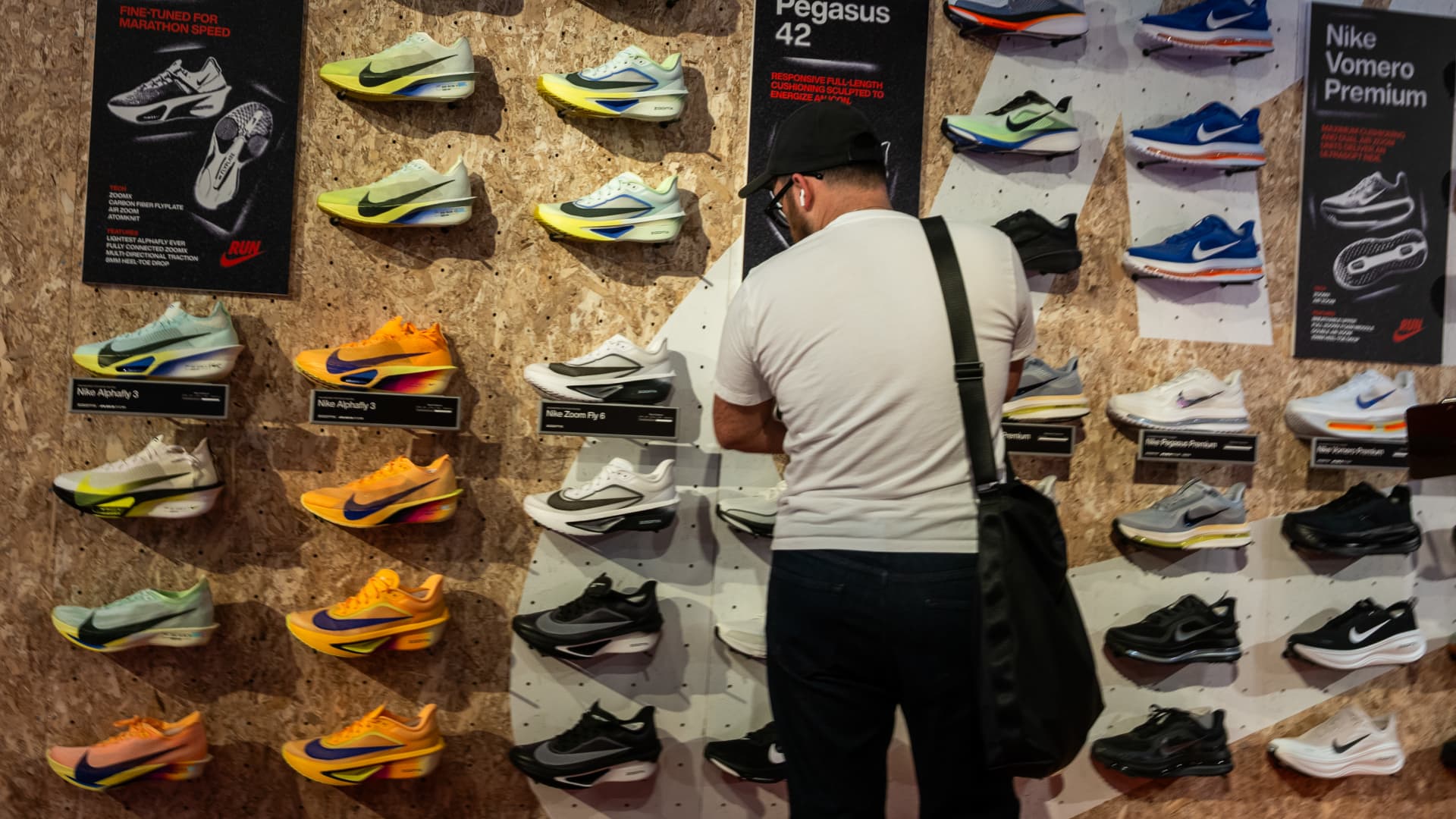
Job Report Exceeds Expectations, Market Rallies

- Strong Job Market: The U.S. Labor Department reported a 115,000 increase in nonfarm payrolls for April, surpassing economists' expectations of 55,000, while the unemployment rate held steady at 4.3%, indicating labor market stability that may weaken the case for near-term Fed rate cuts.
- Nike Downgrade: Wells Fargo downgraded Nike due to concerns that the company's turnaround could take longer than investors hoped, with shares down approximately 30% this year, making it the second-worst performer in the Dow, reflecting the increasingly challenging retail environment.
- Qnity Electronics Performance: Qnity Electronics is set to report earnings on Tuesday, following an impressive beat-and-raise quarter from its former parent, DuPont; Qnity shares have surged about 80% this year, with Deutsche Bank raising its price target from $140 to $170, driven by strong semiconductor demand.
- Rapid Fire Review: The rapid-fire segment at the end of the video covered stocks including CoreWeave, Texas Roadhouse, Cloudflare, DraftKings, and Airbnb, highlighting investor interest in diverse investment opportunities.
See More
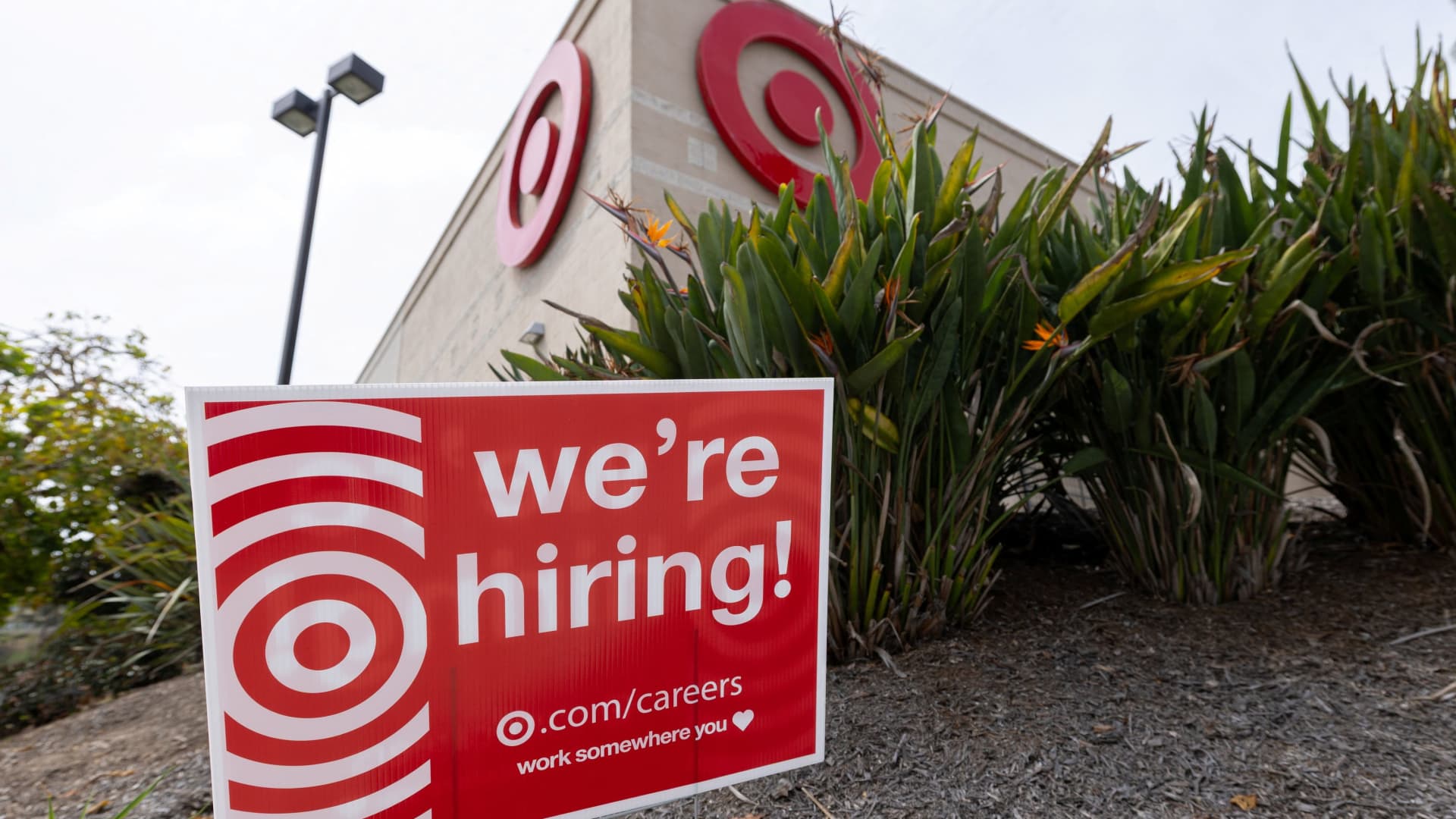
Market Update: Stocks Set for Higher Open Amid Positive Economic Signals
- Positive Employment Report: The April employment report in the U.S. exceeded expectations, albeit not overly strong, leading to optimism for a higher open in the stock market, which may boost investor risk appetite and confidence in economic recovery.
- CoreWeave's Weak Forecast: CoreWeave's second-quarter revenue forecast fell short of expectations, causing its stock to drop over 7%, highlighting the competitive pressures in the AI compute market as operating expenses rise faster than revenue growth.
- Nike Downgrade: Wells Fargo downgraded Nike from buy to hold, reducing the price target from $55 to $45 due to increased competition in the athletic apparel market and slower-than-expected turnaround progress, which could impact future performance.
- Cloudflare Layoff Announcement: Cloudflare announced layoffs of 1,100 employees, or 20% of its workforce, and expects to incur significant charges as it transitions to an AI-first model, with implementation expected to be largely completed by the third quarter, potentially affecting operational efficiency in the short term.
See More

McDonald's Expands Presence in China Amid Challenges

- Expansion Plans: McDonald's aims to open 10,000 stores in mainland China by 2028, significantly increasing from over 7,700 at the end of 2025, demonstrating confidence in its growth amid fierce competition.
- Sales Growth Performance: The company reported a 3.4% increase in same-store sales in China during the first quarter, indicating strong performance driven by the Chinese market within its international developmental licensed markets segment.
- Emotional Brand Connection: The reintroduction of McDonald's classic strawberry and vanilla milkshakes has sparked nostalgia among consumers, particularly those who first experienced Western fast food in the 1990s, further solidifying the brand's influence among younger consumers.
- Value Proposition Advantage: The
See More

Nike CEO Receives Confidence from JD Sports
- Customer Confidence Boost: JD Sports CEO Regis Schultz expressed strong support for Nike CEO Elliott Hill, stating that he is doing a great job in the turnaround process, which reflects customer confidence in Nike's future.
- Market Share Decline: Despite Hill's efforts to implement strategic changes since his return in 2024, Nike continues to lose market share, indicating challenges in its recovery plan that could impact future sales performance.
- Inventory Clearance Pressure: Wall Street's growing impatience regarding Nike's inventory clearance progress highlights investor concerns about the company's ability to quickly launch must-have sneakers, potentially affecting stock performance.
- High Sales Dependency: Nike products account for 45% of JD Sports' sales, indicating a high level of reliance on Nike, where any strategic missteps could significantly impact JD's performance.
See More
Three Dividend Stocks with Stable Returns
- Target's Dividend Record: Target has paid dividends every quarter since going public in 1967, achieving 235 consecutive payments and raising its dividends for 54 years, earning it the title of Dividend King; despite a 45% drop from its 2021 peak, its current 3.5% yield presents a strong entry point for investors.
- Nike's Recovery Strategy: Nike's stock is near a 12-year low, down 76% from its 2021 peak, yet CEO Elliott Hill is executing a 'Wholesale Renaissance' with Q3 wholesale revenue up 8% globally and 24% in North America, while maintaining a 24-year streak of dividend increases, highlighting the brand's resilience and long-term investment potential.
- Constellation's Brand Strength: Constellation Brands owns the top-selling beer in the U.S., Modelo Especial, and despite a 50% decline from its 2023 peak, its dividend yield has risen to approximately 2.8%, returning over $900 million to shareholders in fiscal 2026, focusing on premium Mexican beer to enhance market position.
- Market Environment Challenges: Despite facing challenges such as consumer caution and rising tariff costs, Target, Nike, and Constellation Brands demonstrate strong brand resilience and consistent dividend payments, attracting long-term investor interest, especially during turbulent market conditions.
See More
Nike Sued Over Failure to Refund Tariff Costs
- Tariff Refund Lawsuit: Consumers filed a lawsuit against Nike on Friday, accusing the company of failing to refund significant tariff-related costs passed on through higher prices, arguing that Nike should not retain expected refunds.
- Price Increase Impact: Nike raised prices on some footwear by $5 to $10 and apparel by $2 to $10 due to tariffs, imposing additional costs on consumers and potentially damaging the brand's market reputation.
- Legal Liability Dispute: The complaint claims that Nike has made no legally binding commitment to return tariff-related overcharges, raising concerns that the company could profit twice—once from consumers through higher prices and again from the government through tariff refunds.
- Industry Context: Nike's lawsuit parallels similar cases against companies like Costco and EssilorLuxottica, highlighting growing consumer scrutiny regarding corporate transparency and accountability in the wake of tariff policy changes.
See More
Job Report Exceeds Expectations, Market Rallies
- Strong Job Market: The U.S. Labor Department reported a 115,000 increase in nonfarm payrolls for April, surpassing economists' expectations of 55,000, while the unemployment rate held steady at 4.3%, indicating labor market stability that may weaken the case for near-term Fed rate cuts.
- Nike Downgrade: Wells Fargo downgraded Nike due to concerns that the company's turnaround could take longer than investors hoped, with shares down approximately 30% this year, making it the second-worst performer in the Dow, reflecting the increasingly challenging retail environment.
- Qnity Electronics Performance: Qnity Electronics is set to report earnings on Tuesday, following an impressive beat-and-raise quarter from its former parent, DuPont; Qnity shares have surged about 80% this year, with Deutsche Bank raising its price target from $140 to $170, driven by strong semiconductor demand.
- Rapid Fire Review: The rapid-fire segment at the end of the video covered stocks including CoreWeave, Texas Roadhouse, Cloudflare, DraftKings, and Airbnb, highlighting investor interest in diverse investment opportunities.
See More
Market Update: Stocks Set for Higher Open Amid Positive Economic Signals
- Positive Employment Report: The April employment report in the U.S. exceeded expectations, albeit not overly strong, leading to optimism for a higher open in the stock market, which may boost investor risk appetite and confidence in economic recovery.
- CoreWeave's Weak Forecast: CoreWeave's second-quarter revenue forecast fell short of expectations, causing its stock to drop over 7%, highlighting the competitive pressures in the AI compute market as operating expenses rise faster than revenue growth.
- Nike Downgrade: Wells Fargo downgraded Nike from buy to hold, reducing the price target from $55 to $45 due to increased competition in the athletic apparel market and slower-than-expected turnaround progress, which could impact future performance.
- Cloudflare Layoff Announcement: Cloudflare announced layoffs of 1,100 employees, or 20% of its workforce, and expects to incur significant charges as it transitions to an AI-first model, with implementation expected to be largely completed by the third quarter, potentially affecting operational efficiency in the short term.
See More
McDonald's Expands Presence in China Amid Challenges
- Expansion Plans: McDonald's aims to open 10,000 stores in mainland China by 2028, significantly increasing from over 7,700 at the end of 2025, demonstrating confidence in its growth amid fierce competition.
- Sales Growth Performance: The company reported a 3.4% increase in same-store sales in China during the first quarter, indicating strong performance driven by the Chinese market within its international developmental licensed markets segment.
- Emotional Brand Connection: The reintroduction of McDonald's classic strawberry and vanilla milkshakes has sparked nostalgia among consumers, particularly those who first experienced Western fast food in the 1990s, further solidifying the brand's influence among younger consumers.
- Value Proposition Advantage: The
See More
Nike CEO Receives Confidence from JD Sports
- Customer Confidence Boost: JD Sports CEO Regis Schultz expressed strong support for Nike CEO Elliott Hill, stating that he is doing a great job in the turnaround process, which reflects customer confidence in Nike's future.
- Market Share Decline: Despite Hill's efforts to implement strategic changes since his return in 2024, Nike continues to lose market share, indicating challenges in its recovery plan that could impact future sales performance.
- Inventory Clearance Pressure: Wall Street's growing impatience regarding Nike's inventory clearance progress highlights investor concerns about the company's ability to quickly launch must-have sneakers, potentially affecting stock performance.
- High Sales Dependency: Nike products account for 45% of JD Sports' sales, indicating a high level of reliance on Nike, where any strategic missteps could significantly impact JD's performance.
See More