Nike Lowers Q3 Revenue Outlook, Shares Drop Over 10% After Hours

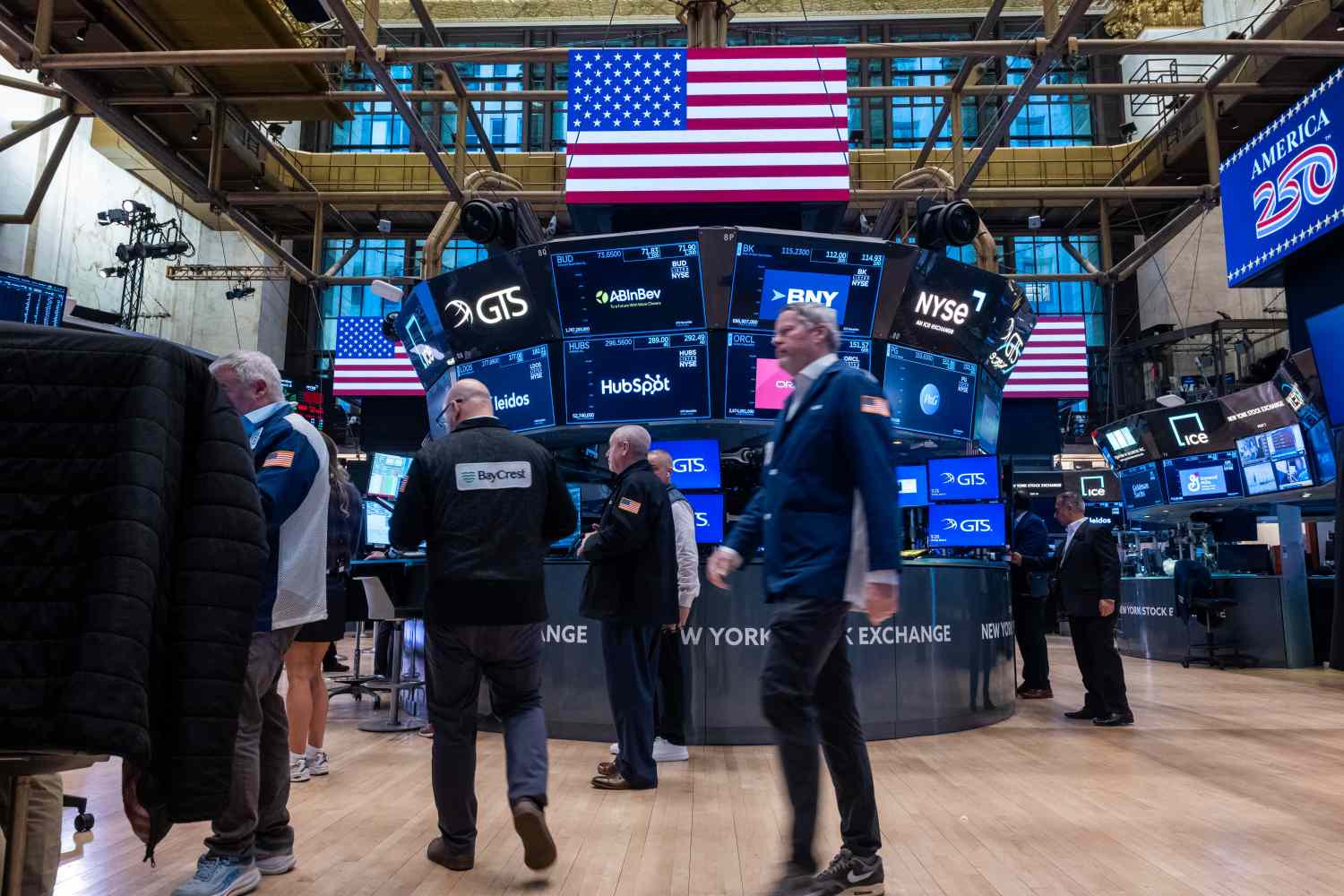
Softer than feared CPI data and better than expected results out of Micron overnight had helped restore bullish sentiment recently dented by concerns with debt-fueled AI capex cycle as S&P 500 ended the day up 0.8% while Nasdaq jumped 1.4% - bolstered by Tech, Consumer Discretionary, and Internet names. Treasury yields also slipped across the curve, with fixed income traders pricing in a higher probability of a two-to-three 2026 rate cut scenario vs. the FOMC's expected one-cut outcome.The opening hour of the evening session is striking a more cautious tone however, with Dow Industrials futures slipping 0.2% and S&P 500 e-minis down a decimal, with investors reacting to disappointing quarterly update from Nike - while the company beat on earnings and revenue for Q2, its management forecast Q3 revenue oulook to be down low single digits from last year against consensus estimate of a 1% y/y increase. Shares of Nike were off by over 10% afterhours, with other athletic apparel names also down.Across commodities, growth worries are dominating again in the Energy space, with WTI Crude Oil reversing the Venezuela-blockade driven rally to retreat below $56 per barrel, while precious metals are consolidating recent gains.Check out this evening's top movers from around Wall Street, compiled by The Fly.HIGHER AFTER EARNINGS -FedExup 1.4%HEICO Corporationup 1.1%ALSO HIGHER -WhiteFiberup 12.5% after signing 10-year 40 MW colocation agreement for NC-1 data center campusDOWN AFTER EARNINGS -Nikedown 10.5%; Deckersdown 2.4%, ON Holdingdown 1.6%, Dick's Sportingdown 1.7% in sympathyBlackBerry Limiteddown 6.7%KB Homedown 4.6%Scholasticdown 1.3%
Trade with 70% Backtested Accuracy
Analyst Views on NKE

About NKE
About the author

Nike Secures $1 Billion Credit Line to Enhance Financial Flexibility
- Credit Line Expansion: On March 6, Nike entered a 364-day credit agreement with Bank of America, providing up to $1 billion in unsecured revolving credit, aimed at supporting working capital and general corporate purposes, which is expected to enhance the company's financial flexibility.
- Restructuring Plan Approved: In a filing dated February 27, Nike disclosed that management approved a restructuring plan expected to generate approximately $300 million in pre-tax charges for the nine months ended February 28, primarily related to employee severance costs, aimed at optimizing operational efficiency.
- Analyst Ratings Remain Positive: RBC Capital analyst Piral Dadhania reiterated an Outperform rating on Nike, maintaining a price target of $78, indicating market confidence in Nike's future performance despite current challenges.
- Earnings Outlook Declines: Nike's upcoming earnings report on March 31 is expected to show earnings per share dropping to 30 cents (down 44% year-over-year) and revenue estimates at $11.25 billion (down 0.2% year-over-year), reflecting the challenges the company faces in the market.
IEA Authorizes Record Oil Release Amid Middle East Conflict

- Energy Market Stabilization: The International Energy Agency has authorized a record release of 400 million barrels of oil from member nations' strategic reserves to address disruptions caused by Middle Eastern conflicts, which is expected to alleviate upward pressure on oil prices and stabilize global energy supply.
- Inflation Data Meets Expectations: The February CPI in the U.S. rose 2.4% year-over-year, with core CPI increasing by 2.5%, indicating that while these figures are near five-year lows, they still exceed the Fed's 2% target, suggesting potential inflationary pressures may worsen in the coming months due to rising oil prices.
- Strong Tech Stock Performance: Oracle's stock surged over 12% after reporting robust earnings and optimistic guidance on AI computing demand, which has positively impacted the software and computing infrastructure sector, with companies like Crowdstrike and Datadog also seeing gains of over 3%.
- Pressure on Private Credit Market: JPMorgan Chase's decision to restrict lending to private credit funds has created challenges for the $1.8 trillion private credit sector, exacerbating investor exodus concerns and increasing the risk of financial difficulties among portfolio borrowers.

Analyst Suggests It's Time to Buy Nike Stock as Upgrade Signals Investor Skepticism.

- Stock Upgrade: Nike stock was upgraded by Barclays analysts on Wednesday.
- Investor Sentiment: The upgrade was influenced by investors' "peak skepticism" regarding Nike's future.
- Operational Progress: Analysts noted signs of operational improvements within the company.
- Market Outlook: The upgrade reflects a more positive outlook for Nike amidst previous doubts.

Procter & Gamble Down 1.7%, Worst Dow Performer Today
- Poor Daily Performance: Procter & Gamble's stock is down 1.7% today, making it the worst performer in the Dow, reflecting market concerns about its short-term outlook, which could impact investor confidence.
- Year-to-Date Review: Despite today's decline, Procter & Gamble has gained 7.0% year-to-date, indicating its relative resilience in the overall market, which may attract long-term investors' interest.
- Other Component Movements: Among other Dow components today, Caterpillar is down 1.1%, while Salesforce is up 1.7%, showcasing the market's varied reactions to different companies, potentially influencing portfolio allocations.
- Market Sentiment Analysis: The decline in Procter & Gamble's stock aligns with overall market sentiment, as investors may be reassessing the investment value in the consumer goods sector while keeping an eye on economic data and corporate earnings.

Market Update: Oil Price Surge and Corporate Earnings

- Oil Price Volatility: U.S. crude prices surged 4% due to reports of cargo ship attacks off Iran's coast, putting pressure on stocks and indicating ongoing geopolitical risks affecting market sentiment as the S&P 500 is set for a slightly lower open.
- Oracle's Strong Earnings: Oracle's quarterly results exceeded expectations, leading to a stock price increase of over 9%, with smooth AI buildout and remaining performance obligations exceeding $500 billion, highlighting the company's robust market position and growth potential.
- Kohl's Price Target Cut: Goldman Sachs lowered its price target for Kohl's from $15 to $13 while maintaining a sell rating, citing mixed quarterly results and decelerating same-store sales, reflecting challenges in the retail sector.
- Nike Upgrade: Barclays upgraded Nike from hold to buy, raising the price target from $64 to $73, arguing that tariff risks have eased, and management's progress in inventory management and margin stabilization provides a solid foundation for investment.

NIKE STOCK RISES NEARLY 2% FOLLOWING BARCLAYS UPGRADE TO 'OVERWEIGHT' FROM 'EQUAL WEIGHT'
Nike Shares Performance: Nike shares have increased by approximately 2% following a recent upgrade from Barclays.
Barclays Upgrade Details: Barclays raised its rating on Nike from 'equal weight' to 'overweight', indicating a more favorable outlook on the company's stock.
Nike Secures $1 Billion Credit Line to Enhance Financial Flexibility
- Credit Line Expansion: On March 6, Nike entered a 364-day credit agreement with Bank of America, providing up to $1 billion in unsecured revolving credit, aimed at supporting working capital and general corporate purposes, which is expected to enhance the company's financial flexibility.
- Restructuring Plan Approved: In a filing dated February 27, Nike disclosed that management approved a restructuring plan expected to generate approximately $300 million in pre-tax charges for the nine months ended February 28, primarily related to employee severance costs, aimed at optimizing operational efficiency.
- Analyst Ratings Remain Positive: RBC Capital analyst Piral Dadhania reiterated an Outperform rating on Nike, maintaining a price target of $78, indicating market confidence in Nike's future performance despite current challenges.
- Earnings Outlook Declines: Nike's upcoming earnings report on March 31 is expected to show earnings per share dropping to 30 cents (down 44% year-over-year) and revenue estimates at $11.25 billion (down 0.2% year-over-year), reflecting the challenges the company faces in the market.
IEA Authorizes Record Oil Release Amid Middle East Conflict
- Energy Market Stabilization: The International Energy Agency has authorized a record release of 400 million barrels of oil from member nations' strategic reserves to address disruptions caused by Middle Eastern conflicts, which is expected to alleviate upward pressure on oil prices and stabilize global energy supply.
- Inflation Data Meets Expectations: The February CPI in the U.S. rose 2.4% year-over-year, with core CPI increasing by 2.5%, indicating that while these figures are near five-year lows, they still exceed the Fed's 2% target, suggesting potential inflationary pressures may worsen in the coming months due to rising oil prices.
- Strong Tech Stock Performance: Oracle's stock surged over 12% after reporting robust earnings and optimistic guidance on AI computing demand, which has positively impacted the software and computing infrastructure sector, with companies like Crowdstrike and Datadog also seeing gains of over 3%.
- Pressure on Private Credit Market: JPMorgan Chase's decision to restrict lending to private credit funds has created challenges for the $1.8 trillion private credit sector, exacerbating investor exodus concerns and increasing the risk of financial difficulties among portfolio borrowers.
Analyst Suggests It's Time to Buy Nike Stock as Upgrade Signals Investor Skepticism.
- Stock Upgrade: Nike stock was upgraded by Barclays analysts on Wednesday.
- Investor Sentiment: The upgrade was influenced by investors' "peak skepticism" regarding Nike's future.
- Operational Progress: Analysts noted signs of operational improvements within the company.
- Market Outlook: The upgrade reflects a more positive outlook for Nike amidst previous doubts.
Procter & Gamble Down 1.7%, Worst Dow Performer Today
- Poor Daily Performance: Procter & Gamble's stock is down 1.7% today, making it the worst performer in the Dow, reflecting market concerns about its short-term outlook, which could impact investor confidence.
- Year-to-Date Review: Despite today's decline, Procter & Gamble has gained 7.0% year-to-date, indicating its relative resilience in the overall market, which may attract long-term investors' interest.
- Other Component Movements: Among other Dow components today, Caterpillar is down 1.1%, while Salesforce is up 1.7%, showcasing the market's varied reactions to different companies, potentially influencing portfolio allocations.
- Market Sentiment Analysis: The decline in Procter & Gamble's stock aligns with overall market sentiment, as investors may be reassessing the investment value in the consumer goods sector while keeping an eye on economic data and corporate earnings.
Market Update: Oil Price Surge and Corporate Earnings
- Oil Price Volatility: U.S. crude prices surged 4% due to reports of cargo ship attacks off Iran's coast, putting pressure on stocks and indicating ongoing geopolitical risks affecting market sentiment as the S&P 500 is set for a slightly lower open.
- Oracle's Strong Earnings: Oracle's quarterly results exceeded expectations, leading to a stock price increase of over 9%, with smooth AI buildout and remaining performance obligations exceeding $500 billion, highlighting the company's robust market position and growth potential.
- Kohl's Price Target Cut: Goldman Sachs lowered its price target for Kohl's from $15 to $13 while maintaining a sell rating, citing mixed quarterly results and decelerating same-store sales, reflecting challenges in the retail sector.
- Nike Upgrade: Barclays upgraded Nike from hold to buy, raising the price target from $64 to $73, arguing that tariff risks have eased, and management's progress in inventory management and margin stabilization provides a solid foundation for investment.
NIKE STOCK RISES NEARLY 2% FOLLOWING BARCLAYS UPGRADE TO 'OVERWEIGHT' FROM 'EQUAL WEIGHT'
Nike Shares Performance: Nike shares have increased by approximately 2% following a recent upgrade from Barclays.
Barclays Upgrade Details: Barclays raised its rating on Nike from 'equal weight' to 'overweight', indicating a more favorable outlook on the company's stock.