Netflix Walks Away from Warner Bros. Acquisition
Written by Emily J. Thompson, Senior Investment Analyst
Updated: Feb 27 2026
0mins

Should l Buy NFLX?
Source: Fool
- Acquisition Decision: Netflix has opted to walk away from its $27.75 per share bid for Warner Bros. after a bidding war with Paramount pushed the price to $31 per share; despite being given a chance to increase its offer, Netflix chose not to match Paramount's bid, demonstrating its disciplined capital allocation strategy.
- Shareholder Reaction: This decision led to a more than 9% increase in Netflix's stock price on Friday, reflecting market approval of its choice to avoid overpaying; Netflix's co-CEOs stated that while the deal could have created shareholder value, it was no longer attractive at the required price.
- Financial Performance: In Q4, Netflix reported revenues of $12.05 billion, a 17.6% year-over-year increase, with net income of $2.41 billion, up 29% year-over-year, indicating strong financial health even without Warner Bros.' content.
- Future Strategy: Analysts reiterated an
Trade with 70% Backtested Accuracy
Stop guessing "Should I Buy NFLX?" and start using high-conviction signals backed by rigorous historical data.
Sign up today to access powerful investing tools and make smarter, data-driven decisions.
Analyst Views on NFLX
Wall Street analysts forecast NFLX stock price to rise
38 Analyst Rating
27 Buy
10 Hold
1 Sell
Moderate Buy
Current: 99.170

Low
92.00
Averages
114.18
High
150.00
Current: 99.170
Low
92.00
Averages
114.18
High
150.00
About NFLX
Netflix, Inc. is a provider of entertainment services. The Company acquires, licenses and produces content, including original programming. It provides paid memberships in over 190 countries offering television (TV) series, films and games across a variety of genres and languages. It allows members to play, pause and resume watching as much as they want, anytime, anywhere, and can change their plans at any time. The Company offers members the ability to receive streaming content through a host of Internet-connected devices, including TVs, digital video players, TV set-top boxes and mobile devices. It is engaged in scaling its streaming service, such as introducing games and advertising on its service, as well as offering live programming. It is developing technology and utilizing third-party cloud computing, technology and other services. The Company is also engaged in scaling its own studio operations to produce original content.
About the author

Emily J. Thompson
Emily J. Thompson, a Chartered Financial Analyst (CFA) with 12 years in investment research, graduated with honors from the Wharton School. Specializing in industrial and technology stocks, she provides in-depth analysis for Intellectia’s earnings and market brief reports.

Netflix Faces Competitive Pressure Amid Stock Fluctuations
- Significant Revenue Growth: Netflix's revenue for 2025 reached $45 billion, marking a 16% year-over-year increase, with operating income growing by 28% as costs rose at a slower pace, indicating strong competitive positioning in the market.
- Content Library Loss Impact: The failure to acquire Warner Media assets means Netflix has lost control over several iconic entertainment franchises, which could hinder its future content competitiveness, especially against rivals like Disney and Paramount.
- User Base Expansion Potential: With over 300 million households currently subscribing to Netflix, analysts believe it could eventually serve between 700 million and 1 billion homes, although it currently captures less than 10% of total TV time, highlighting significant growth potential.
- Declining P/E Ratio: Netflix's P/E ratio has fallen to 38, below the five-year average of 43, and despite strong revenue growth, the market remains cautious about its future valuation, necessitating investor attention to changes in its competitive landscape.
See More

Netflix Abandons Warner Bros. Acquisition
- Public Image Protection: By abandoning the Warner Bros. acquisition, Netflix sidesteps strong opposition from lawmakers and public concerns regarding antitrust issues, thereby safeguarding its brand image and maintaining its leadership position in the streaming industry.
- Debt Avoidance: The proposed $72 billion acquisition would have significantly increased Netflix's debt load, but by walking away, the company retains financial flexibility and secures a $2.8 billion termination fee, which represents about 23% of its fourth-quarter sales.
- Strategic Flexibility: Netflix can refocus on its content creation strategy without the financial burdens of an acquisition, allowing it to maintain a competitive edge in the streaming market, especially as streaming still accounts for less than 50% of TV viewing time in the U.S.
- Positive Market Reaction: The market reacted positively to Netflix's decision to abandon the acquisition, with stock prices rising, reflecting investor confidence in the company's future and indicating that its long-term value in the streaming industry remains promising.
See More
Concerns Rise in US Politics Over Iran Situation


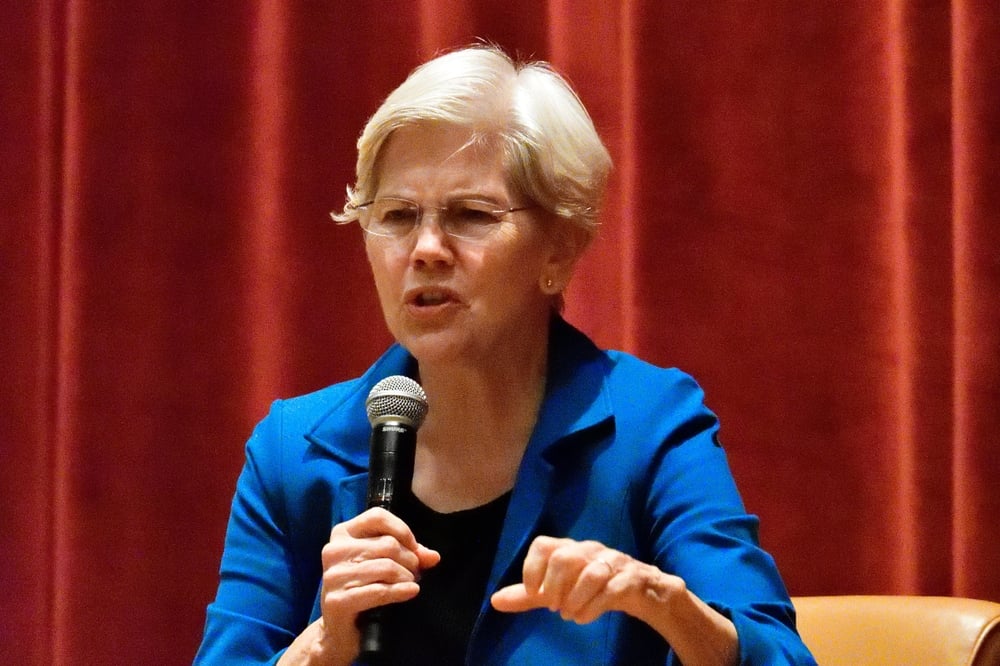
- Warren's Concerns: Senator Elizabeth Warren from Massachusetts expressed heightened worries after a classified briefing on Iran, criticizing the Trump administration for its unclear strategy and the war's foundation on false pretenses, which could lead to policy missteps and a decline in public trust.
- Trump Blames Iran: President Trump accused Iran of bombing a girls' school in Minab, contradicting U.S. media reports suggesting a U.S. airstrike, with the incident resulting in the highest civilian death toll since the U.S.-Israeli operations began, potentially escalating international tensions.
- Rejection of UK Military Support: Trump dismissed the UK's offer to send two aircraft carriers to the Middle East, stating that the U.S.
See More
Netflix Walks Away from Warner Bros. Acquisition

- Acquisition Landscape Shift: Netflix opted out of the bidding war for Warner Bros. after Paramount Skydance secured a deal at $31 per share, totaling approximately $110 billion, allowing Netflix to avoid incurring excessive debt and uncertainty by refusing to raise its bid.
- Positive Market Reaction: Following Paramount's increased offer, Netflix's stock surged by 30%, indicating investor approval of the company's decision to sidestep a costly acquisition, which reflects confidence in its financial stability.
- Strong Financial Performance: In Q4, Netflix reported $12 billion in revenue, an 18% year-over-year increase, with earnings per share (EPS) of $0.56, and forecasts suggest a 15% rise in both revenue and EPS for Q1, showcasing the company's ongoing growth potential in content and advertising technology.
- Strategic Investments and Innovation: Despite not acquiring Warner Bros., Netflix is actively enhancing its Ads Suite platform and has acquired AI firm InterPositive, further strengthening its competitive position in the streaming market, demonstrating the company's strategic commitment to content and technological innovation.
See More

Paramount's Acquisition of Warner Bros. Faces Significant Challenges
- High Acquisition Cost: Paramount's bid for Warner Bros. at $31 per share totals approximately $110 billion, plus a $2.8 billion breakup fee, raising concerns about the sustainability of such a high price in the market.
- Heavy Debt Burden: If the deal closes, the combined company will carry $79 billion in debt, marking the largest leveraged buyout in history, which could have long-term implications for financial health and operational flexibility.
- Regulatory Approval Challenges: Paramount must secure regulatory approval from the U.S., EU, and UK, and while many believe the deal will pass, potential challenges from state attorneys general introduce significant uncertainty.
- Netflix's Stock Surge: Following Paramount's increased bid and Netflix's withdrawal from the bidding war, Netflix's stock surged by 30%, reflecting investor relief at avoiding a costly bidding war, while the company reported an 18% revenue growth in Q4, indicating strong operational performance.
See More
Netflix Walks Away from Warner Bros. Acquisition Bid
- Acquisition Landscape Shift: Netflix opted out of the bidding war for Warner Bros. against Paramount Skydance, which secured a deal at $31 per share totaling approximately $110 billion, allowing Netflix to avoid incurring high debt and uncertainty by refusing to raise its bid.
- Stock Price Surge: Following Paramount's increased offer, Netflix's stock rose by 30%, indicating investor satisfaction with the company's decision to steer clear of a costly acquisition, while also reflecting confidence in its standalone operational capabilities.
- Strong Financial Performance: In Q4, Netflix reported $12 billion in revenue, an 18% year-over-year increase, with earnings per share (EPS) of $0.56, and forecasts suggest a 15% rise in both revenue and EPS for Q1, showcasing the company's ongoing growth potential.
- Strategic Investments and Innovation: Despite not acquiring Warner Bros., Netflix is enhancing its Ads Suite adtech platform and has acquired AI firm InterPositive, further strengthening its content creation capabilities, demonstrating the company's commitment to ongoing investment in content and technology.
See More
Netflix Faces Competitive Pressure Amid Stock Fluctuations
- Significant Revenue Growth: Netflix's revenue for 2025 reached $45 billion, marking a 16% year-over-year increase, with operating income growing by 28% as costs rose at a slower pace, indicating strong competitive positioning in the market.
- Content Library Loss Impact: The failure to acquire Warner Media assets means Netflix has lost control over several iconic entertainment franchises, which could hinder its future content competitiveness, especially against rivals like Disney and Paramount.
- User Base Expansion Potential: With over 300 million households currently subscribing to Netflix, analysts believe it could eventually serve between 700 million and 1 billion homes, although it currently captures less than 10% of total TV time, highlighting significant growth potential.
- Declining P/E Ratio: Netflix's P/E ratio has fallen to 38, below the five-year average of 43, and despite strong revenue growth, the market remains cautious about its future valuation, necessitating investor attention to changes in its competitive landscape.
See More
Netflix Abandons Warner Bros. Acquisition
- Public Image Protection: By abandoning the Warner Bros. acquisition, Netflix sidesteps strong opposition from lawmakers and public concerns regarding antitrust issues, thereby safeguarding its brand image and maintaining its leadership position in the streaming industry.
- Debt Avoidance: The proposed $72 billion acquisition would have significantly increased Netflix's debt load, but by walking away, the company retains financial flexibility and secures a $2.8 billion termination fee, which represents about 23% of its fourth-quarter sales.
- Strategic Flexibility: Netflix can refocus on its content creation strategy without the financial burdens of an acquisition, allowing it to maintain a competitive edge in the streaming market, especially as streaming still accounts for less than 50% of TV viewing time in the U.S.
- Positive Market Reaction: The market reacted positively to Netflix's decision to abandon the acquisition, with stock prices rising, reflecting investor confidence in the company's future and indicating that its long-term value in the streaming industry remains promising.
See More
Concerns Rise in US Politics Over Iran Situation
- Warren's Concerns: Senator Elizabeth Warren from Massachusetts expressed heightened worries after a classified briefing on Iran, criticizing the Trump administration for its unclear strategy and the war's foundation on false pretenses, which could lead to policy missteps and a decline in public trust.
- Trump Blames Iran: President Trump accused Iran of bombing a girls' school in Minab, contradicting U.S. media reports suggesting a U.S. airstrike, with the incident resulting in the highest civilian death toll since the U.S.-Israeli operations began, potentially escalating international tensions.
- Rejection of UK Military Support: Trump dismissed the UK's offer to send two aircraft carriers to the Middle East, stating that the U.S.
See More
Netflix Walks Away from Warner Bros. Acquisition
- Acquisition Landscape Shift: Netflix opted out of the bidding war for Warner Bros. after Paramount Skydance secured a deal at $31 per share, totaling approximately $110 billion, allowing Netflix to avoid incurring excessive debt and uncertainty by refusing to raise its bid.
- Positive Market Reaction: Following Paramount's increased offer, Netflix's stock surged by 30%, indicating investor approval of the company's decision to sidestep a costly acquisition, which reflects confidence in its financial stability.
- Strong Financial Performance: In Q4, Netflix reported $12 billion in revenue, an 18% year-over-year increase, with earnings per share (EPS) of $0.56, and forecasts suggest a 15% rise in both revenue and EPS for Q1, showcasing the company's ongoing growth potential in content and advertising technology.
- Strategic Investments and Innovation: Despite not acquiring Warner Bros., Netflix is actively enhancing its Ads Suite platform and has acquired AI firm InterPositive, further strengthening its competitive position in the streaming market, demonstrating the company's strategic commitment to content and technological innovation.
See More
Paramount's Acquisition of Warner Bros. Faces Significant Challenges
- High Acquisition Cost: Paramount's bid for Warner Bros. at $31 per share totals approximately $110 billion, plus a $2.8 billion breakup fee, raising concerns about the sustainability of such a high price in the market.
- Heavy Debt Burden: If the deal closes, the combined company will carry $79 billion in debt, marking the largest leveraged buyout in history, which could have long-term implications for financial health and operational flexibility.
- Regulatory Approval Challenges: Paramount must secure regulatory approval from the U.S., EU, and UK, and while many believe the deal will pass, potential challenges from state attorneys general introduce significant uncertainty.
- Netflix's Stock Surge: Following Paramount's increased bid and Netflix's withdrawal from the bidding war, Netflix's stock surged by 30%, reflecting investor relief at avoiding a costly bidding war, while the company reported an 18% revenue growth in Q4, indicating strong operational performance.
See More
Netflix Walks Away from Warner Bros. Acquisition Bid
- Acquisition Landscape Shift: Netflix opted out of the bidding war for Warner Bros. against Paramount Skydance, which secured a deal at $31 per share totaling approximately $110 billion, allowing Netflix to avoid incurring high debt and uncertainty by refusing to raise its bid.
- Stock Price Surge: Following Paramount's increased offer, Netflix's stock rose by 30%, indicating investor satisfaction with the company's decision to steer clear of a costly acquisition, while also reflecting confidence in its standalone operational capabilities.
- Strong Financial Performance: In Q4, Netflix reported $12 billion in revenue, an 18% year-over-year increase, with earnings per share (EPS) of $0.56, and forecasts suggest a 15% rise in both revenue and EPS for Q1, showcasing the company's ongoing growth potential.
- Strategic Investments and Innovation: Despite not acquiring Warner Bros., Netflix is enhancing its Ads Suite adtech platform and has acquired AI firm InterPositive, further strengthening its content creation capabilities, demonstrating the company's commitment to ongoing investment in content and technology.
See More