Musk's xAI Recruits Wall Street Firms to Test Grok Chatbot
Written by Emily J. Thompson, Senior Investment Analyst
Updated: 11 hours ago
0mins


Should l Buy TSLA?
Elon Musk's xAI has recruited several Wall Street firms to test its Grok chatbot, including Apollo Global (APO) and Morgan Stanley (MS), Carmen Arroyo of Bloomberg reports, citing people familiar with the matter. While banks are signing up for Grok, some people familiar with the matter say financiers are rarely using the chatbot for work. Musk's xAI is working hard to boost revenue by selling chatbot subscriptions and access to its computing resources, since much of its sales to date come from deals with Musk's other ventures.
Trade with 70% Backtested Accuracy
Stop guessing "Should I Buy TSLA?" and start using high-conviction signals backed by rigorous historical data.
Sign up today to access powerful investing tools and make smarter, data-driven decisions.
Analyst Views on TSLA
Wall Street analysts forecast TSLA stock price to fall
30 Analyst Rating
12 Buy
11 Hold
7 Sell
Hold
Current: 445.270

Low
25.28
Averages
401.93
High
600.00
Current: 445.270
Low
25.28
Averages
401.93
High
600.00
About TSLA
Tesla, Inc. designs, develops, manufactures, sells and leases high-performance fully electric vehicles and energy generation and storage systems, and offers services related to its products. Its segments include automotive, and energy generation and storage. The automotive segment includes the design, development, manufacturing, sales and leasing of high-performance fully electric vehicles, and sales of automotive regulatory credits. It also includes sales of used vehicles, non-warranty maintenance services and collisions, part sales, paid supercharging, insurance services revenue and retail merchandise sales. The energy generation and storage segment include the design, manufacture, installation, sales and leasing of solar energy generation and energy storage products and related services and sales of solar energy systems incentives. Its consumer vehicles include the Model 3, Y, S, X and Cybertruck. Its lithium-ion battery energy storage products include Powerwall and Megapack.
About the author

Emily J. Thompson
Emily J. Thompson, a Chartered Financial Analyst (CFA) with 12 years in investment research, graduated with honors from the Wharton School. Specializing in industrial and technology stocks, she provides in-depth analysis for Intellectia’s earnings and market brief reports.
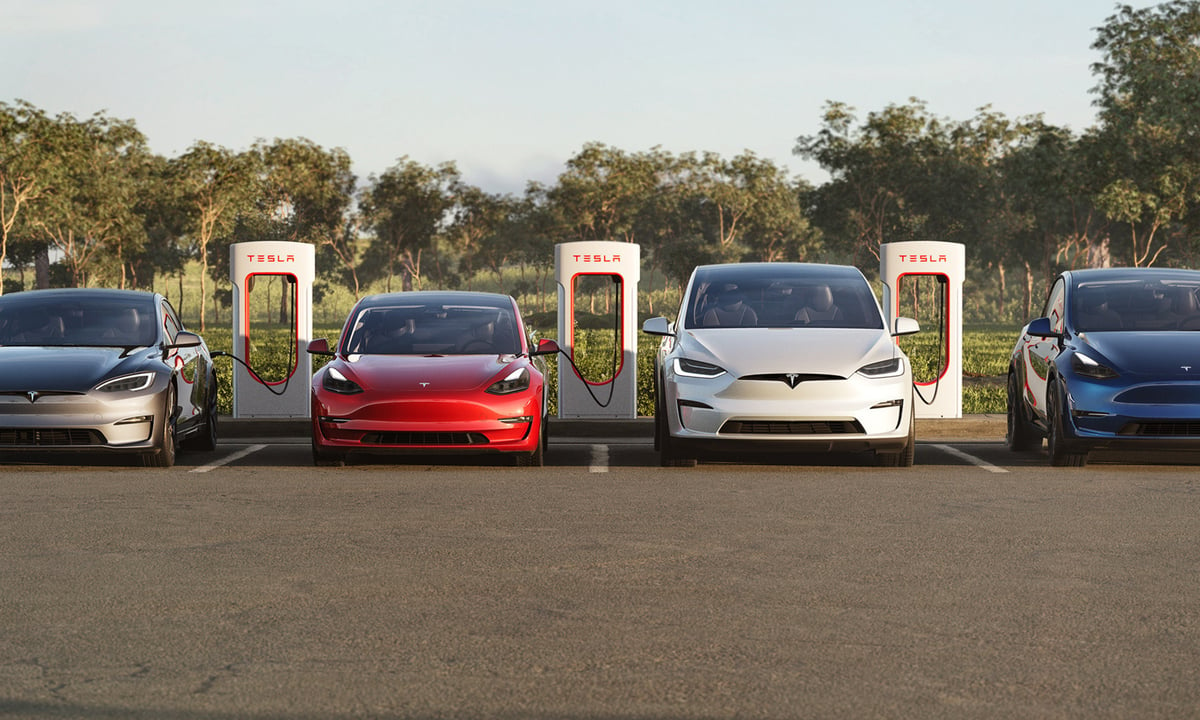
Tesla Accelerates Robotaxi Operations Amid Software Developments

- Fleet Expansion: Tesla currently operates 39 unsupervised robotaxis in Austin, Dallas, and Houston, a significant increase from just 9 in early April and 26 in early May, showcasing the company's aggressive strategy in the robotaxi sector and boosting investor confidence.
- Software Update Importance: The next version of Tesla's Full Self-Driving software (FSD v15) is expected to be available by early 2027, with CEO Elon Musk emphasizing the need to address major architectural improvements before large-scale deployment, which will directly impact the future rollout of robotaxis.
- Market Expectations: While Tesla has made progress in robotaxi deployment, investors should remain cautious as the company will not pursue large-scale unsupervised robotaxi launches until the FSD software is updated, indicating that short-term market reactions may be limited.
- Urban Expansion Plans: Tesla is preparing for robotaxi deployments in new cities such as Phoenix, Miami, Orlando, Tampa, and Las Vegas, and although it currently operates only in unsupervised mode in Dallas and Houston, future city expansions will further enhance its competitive position in the market.
See More
XPENG P7 vs Tesla FSD: Real-World Comparison

- Driver Intervention Comparison: The XPENG P7 with VLA 2.0 required only two driver takeovers during the tested routes, while the Tesla Model 3 with FSD needed seven, indicating XPENG's superior performance in complex traffic environments, which could enhance its market competitiveness.
- Fairness of Testing Environment: The comparison was conducted under real-world conditions in Chinese cities, featuring dense urban traffic and complex road scenarios, although some critics questioned the fairness due to Tesla's older FSD version being used in China, potentially affecting the test's validity.
- Market Sentiment Analysis: On Stocktwits, retail sentiment for TSLA remained in the 'extremely bullish' territory, while XPEV sentiment was 'bullish', reflecting differing investor expectations for the future performance of both companies, with TSLA stock up about 28% this year, while XPEV has fallen 23%.
- Future Technology Expansion: Tesla is seeking approvals to expand FSD into Europe and China, with the Netherlands being the first European country to approve the technology, which could provide opportunities for Tesla's further development in international markets while posing potential competitive pressure on XPENG.
See More
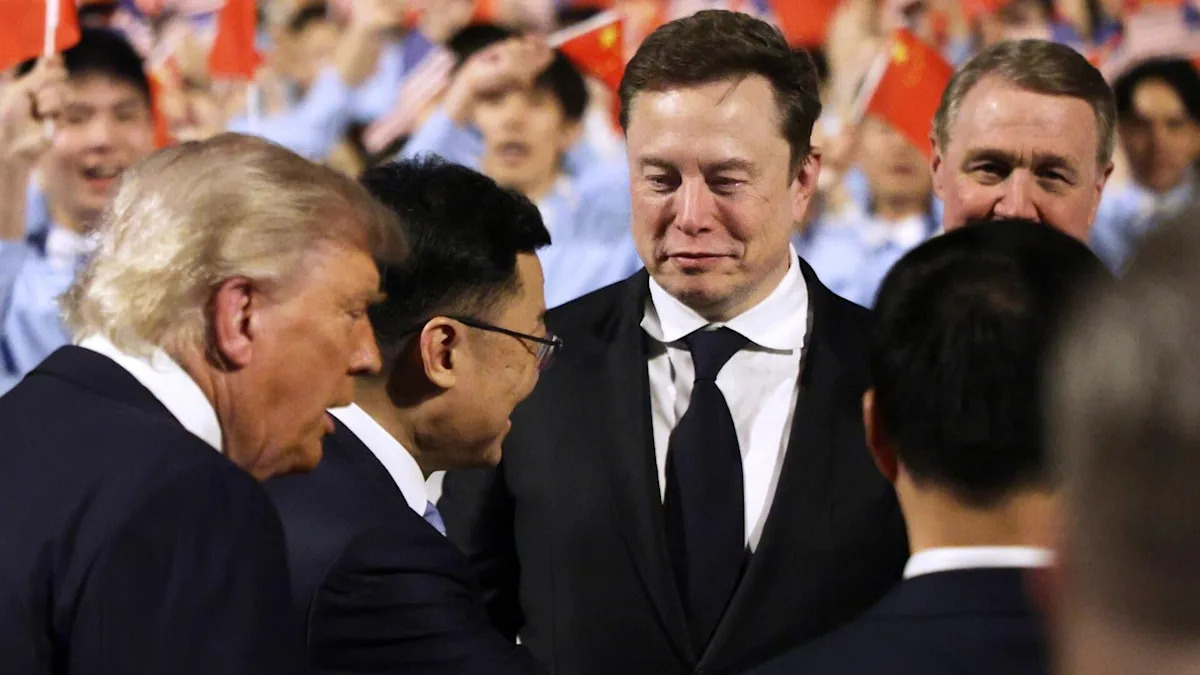
US and Chinese CEOs Advocate for Enhanced Economic Partnerships

- High-Level Dialogue: President Xi Jinping met with U.S. CEOs traveling with Trump, emphasizing China's commitment to further open its market to attract foreign investment, particularly highlighting the significant market potential for American companies, indicating a trend towards improved U.S.-China economic relations.
- Powerful CEO Delegation: The delegation includes CEOs from Apple, Tesla, and Nvidia, whose combined net worth approaches $1 trillion, underscoring their deep interests and influence in the Chinese market, which could drive positive developments in U.S.-China trade relations.
- Trade Agreement Prospects: Analysts expect China to announce trade and tariff adjustments in non-sensitive sectors, including increased purchases of U.S. agricultural products and Boeing aircraft, which would create new market opportunities for American businesses and ease trade tensions.
- Financial Market Access: The participation of executives from major U.S. financial firms like BlackRock and Citigroup indicates their desire for greater access to China's rapidly growing wealth and retirement markets, reflecting the potential and significance of U.S.-China financial cooperation.
See More
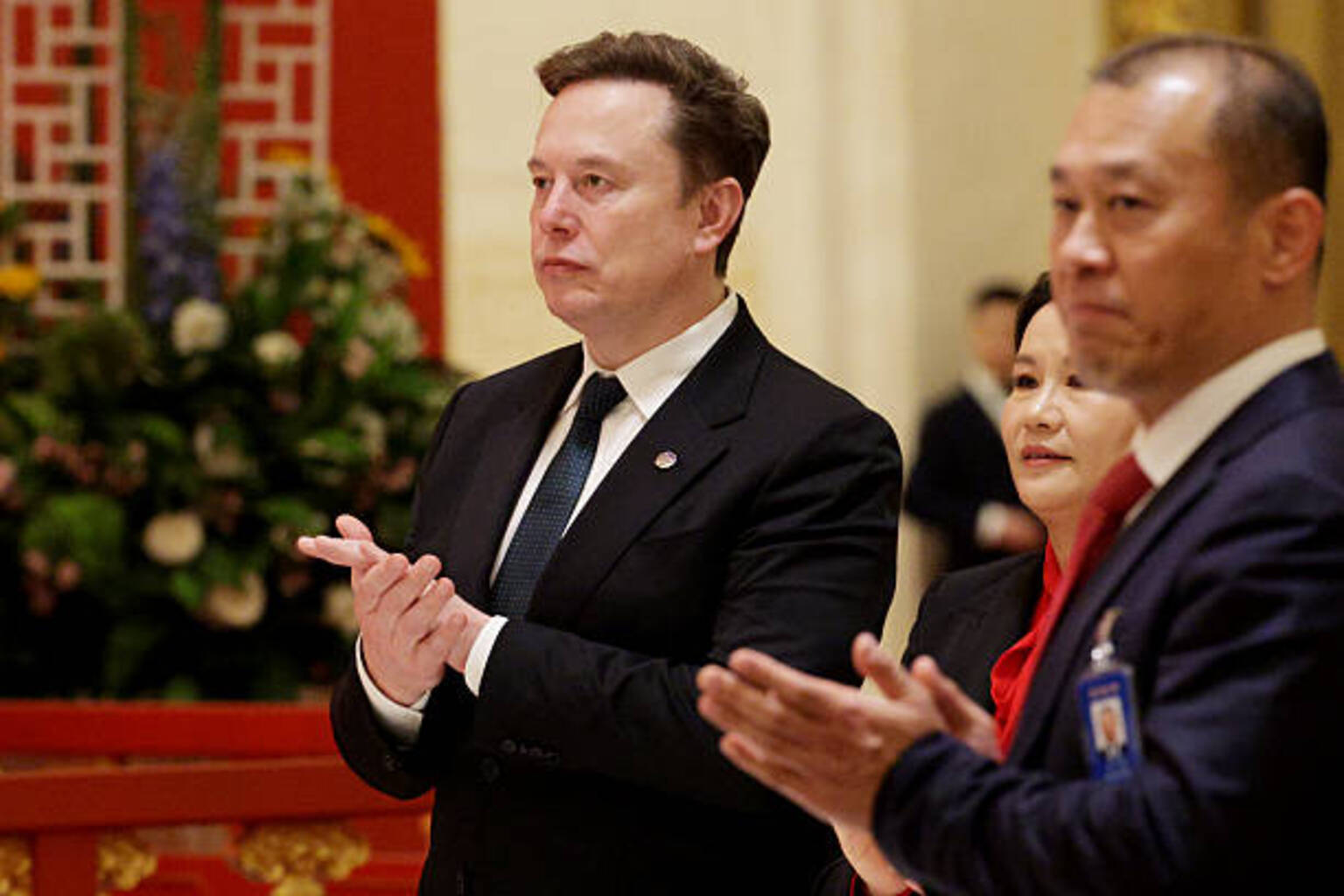
Musk's Absence from Court Raises Concerns
- Court Absence Apology: Musk's lead attorney apologized in court for his absence during closing arguments, emphasizing Musk's passion for the case, which highlights the significance he places on the legal dispute with OpenAI founders.
- Massive Lawsuit Amount: Musk is suing OpenAI and its founders for over $130 billion, claiming he was misled into believing the company would remain a non-profit when he provided $38 million in startup funding, reflecting his strong dissatisfaction with the company's transformation.
- Court Dynamics: Although the judge instructed Musk to be available for testimony on short notice, he is currently in Beijing attending a summit between U.S. and Chinese leaders, which may affect the case's progress.
- Jury Deliberation: The jury will decide whether OpenAI and its founders breached charitable trust and unjustly enriched themselves, and while the verdict is considered non-binding, the judge indicated she would likely follow the jury's decision, underscoring the potential implications of the case.
See More
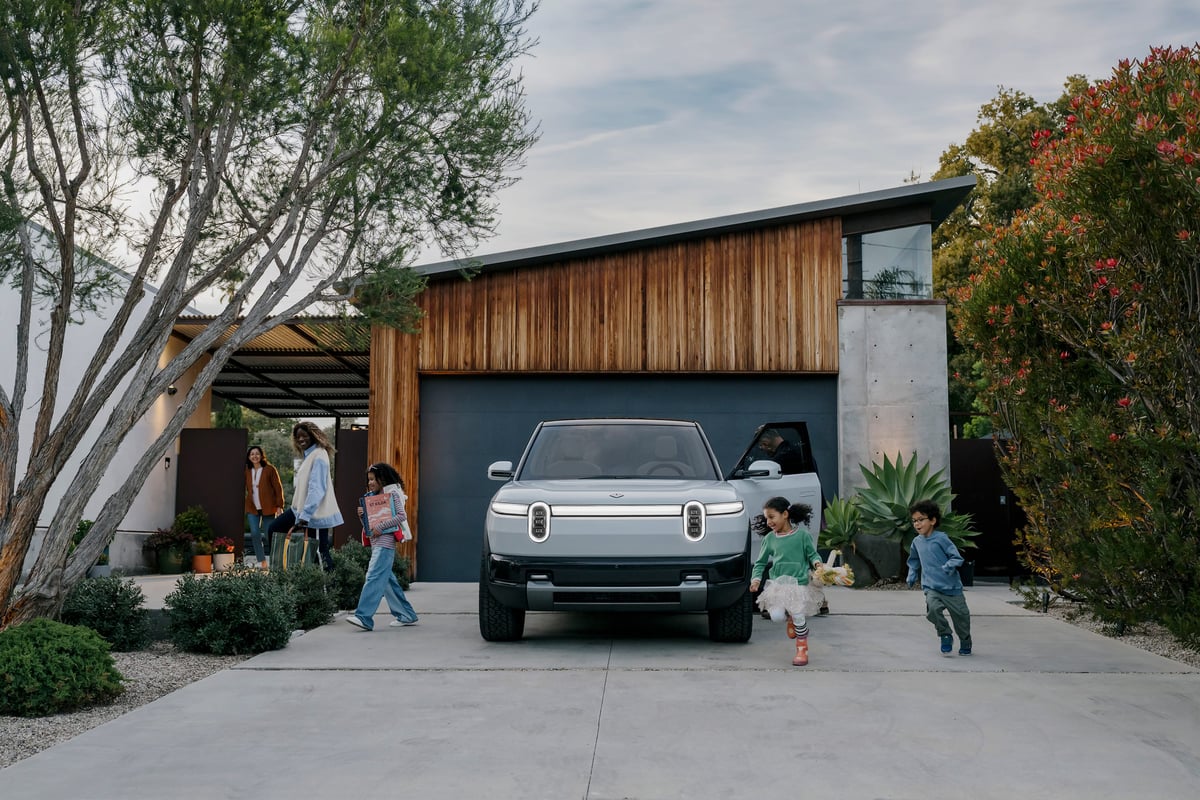
Rivian Faces Production Challenges Ahead of R2 Launch


- Production Slowdown: Since its market debut, Rivian has seen a gradual increase in vehicle production, with only 24,337 units produced in 2022 and an expected 57,232 in 2023, as production has slowed due to supply chain constraints and intensified competition, leading to diminished market confidence in its future performance.
- Importance of R2 Model: Rivian aims to deliver 62,000 to 67,000 R2 SUVs by 2026, with analysts projecting a 30% revenue increase for the year, but the successful launch of the R2 is critical; failure to ramp up production could pose a significant threat to its stock price.
- Cost Advantages: The R2 is cheaper to manufacture than the R1 due to fewer electronic control units and an improved battery pack, which is expected to enhance gross margins, with the high-performance variant starting at $57,990 and a base version anticipated to launch in late 2027 at around $45,000.
- Macroeconomic Risks: Despite the R2 being priced lower than the R1, inflation and rising interest rates could suppress consumer demand, necessitating Rivian to closely monitor these macroeconomic challenges to avoid prolonged stock price pressure.
See More
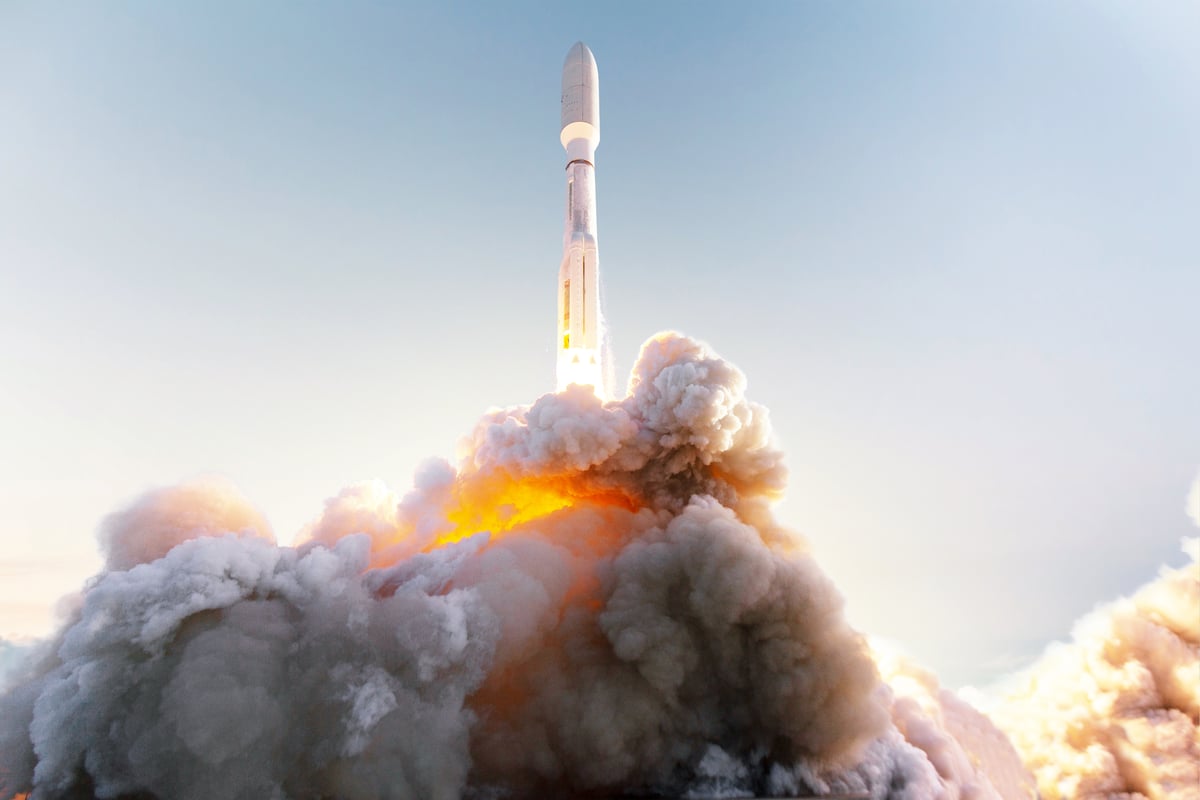
SpaceX IPO Set to Transform Space Economy


- IPO Valuation Surge: SpaceX aims for a valuation between $1.75 trillion and $2 trillion in its IPO, a significant increase from recent private valuations of $800 billion, with plans to raise $75 billion, which would set a record, surpassing Saudi Aramco's 2019 IPO.
- Liquidity Unlocking: The public offering will unlock liquidity for early backers and inject fresh capital into ambitious projects like interplanetary travel and expanded Starlink constellations, further advancing the development of commercial space exploration.
- Nvidia's Strategic Opportunity: Nvidia's toolkit for space operations, delivering data-center-class AI performance, combined with its deep integration in Tesla and xAI, positions it to capture significant demand for hardware and software tools in the burgeoning space economy.
- Alphabet's Capital Returns: Google's 6.1% stake in SpaceX could be worth over $100 billion at the $1.75 trillion valuation, enhancing Alphabet's balance sheet and enabling reinvestment in cloud computing and AI research, solidifying its position in the space economy.
See More
Tesla Accelerates Robotaxi Operations Amid Software Developments
- Fleet Expansion: Tesla currently operates 39 unsupervised robotaxis in Austin, Dallas, and Houston, a significant increase from just 9 in early April and 26 in early May, showcasing the company's aggressive strategy in the robotaxi sector and boosting investor confidence.
- Software Update Importance: The next version of Tesla's Full Self-Driving software (FSD v15) is expected to be available by early 2027, with CEO Elon Musk emphasizing the need to address major architectural improvements before large-scale deployment, which will directly impact the future rollout of robotaxis.
- Market Expectations: While Tesla has made progress in robotaxi deployment, investors should remain cautious as the company will not pursue large-scale unsupervised robotaxi launches until the FSD software is updated, indicating that short-term market reactions may be limited.
- Urban Expansion Plans: Tesla is preparing for robotaxi deployments in new cities such as Phoenix, Miami, Orlando, Tampa, and Las Vegas, and although it currently operates only in unsupervised mode in Dallas and Houston, future city expansions will further enhance its competitive position in the market.
See More
XPENG P7 vs Tesla FSD: Real-World Comparison
- Driver Intervention Comparison: The XPENG P7 with VLA 2.0 required only two driver takeovers during the tested routes, while the Tesla Model 3 with FSD needed seven, indicating XPENG's superior performance in complex traffic environments, which could enhance its market competitiveness.
- Fairness of Testing Environment: The comparison was conducted under real-world conditions in Chinese cities, featuring dense urban traffic and complex road scenarios, although some critics questioned the fairness due to Tesla's older FSD version being used in China, potentially affecting the test's validity.
- Market Sentiment Analysis: On Stocktwits, retail sentiment for TSLA remained in the 'extremely bullish' territory, while XPEV sentiment was 'bullish', reflecting differing investor expectations for the future performance of both companies, with TSLA stock up about 28% this year, while XPEV has fallen 23%.
- Future Technology Expansion: Tesla is seeking approvals to expand FSD into Europe and China, with the Netherlands being the first European country to approve the technology, which could provide opportunities for Tesla's further development in international markets while posing potential competitive pressure on XPENG.
See More
US and Chinese CEOs Advocate for Enhanced Economic Partnerships
- High-Level Dialogue: President Xi Jinping met with U.S. CEOs traveling with Trump, emphasizing China's commitment to further open its market to attract foreign investment, particularly highlighting the significant market potential for American companies, indicating a trend towards improved U.S.-China economic relations.
- Powerful CEO Delegation: The delegation includes CEOs from Apple, Tesla, and Nvidia, whose combined net worth approaches $1 trillion, underscoring their deep interests and influence in the Chinese market, which could drive positive developments in U.S.-China trade relations.
- Trade Agreement Prospects: Analysts expect China to announce trade and tariff adjustments in non-sensitive sectors, including increased purchases of U.S. agricultural products and Boeing aircraft, which would create new market opportunities for American businesses and ease trade tensions.
- Financial Market Access: The participation of executives from major U.S. financial firms like BlackRock and Citigroup indicates their desire for greater access to China's rapidly growing wealth and retirement markets, reflecting the potential and significance of U.S.-China financial cooperation.
See More
Musk's Absence from Court Raises Concerns
- Court Absence Apology: Musk's lead attorney apologized in court for his absence during closing arguments, emphasizing Musk's passion for the case, which highlights the significance he places on the legal dispute with OpenAI founders.
- Massive Lawsuit Amount: Musk is suing OpenAI and its founders for over $130 billion, claiming he was misled into believing the company would remain a non-profit when he provided $38 million in startup funding, reflecting his strong dissatisfaction with the company's transformation.
- Court Dynamics: Although the judge instructed Musk to be available for testimony on short notice, he is currently in Beijing attending a summit between U.S. and Chinese leaders, which may affect the case's progress.
- Jury Deliberation: The jury will decide whether OpenAI and its founders breached charitable trust and unjustly enriched themselves, and while the verdict is considered non-binding, the judge indicated she would likely follow the jury's decision, underscoring the potential implications of the case.
See More
Rivian Faces Production Challenges Ahead of R2 Launch
- Production Slowdown: Since its market debut, Rivian has seen a gradual increase in vehicle production, with only 24,337 units produced in 2022 and an expected 57,232 in 2023, as production has slowed due to supply chain constraints and intensified competition, leading to diminished market confidence in its future performance.
- Importance of R2 Model: Rivian aims to deliver 62,000 to 67,000 R2 SUVs by 2026, with analysts projecting a 30% revenue increase for the year, but the successful launch of the R2 is critical; failure to ramp up production could pose a significant threat to its stock price.
- Cost Advantages: The R2 is cheaper to manufacture than the R1 due to fewer electronic control units and an improved battery pack, which is expected to enhance gross margins, with the high-performance variant starting at $57,990 and a base version anticipated to launch in late 2027 at around $45,000.
- Macroeconomic Risks: Despite the R2 being priced lower than the R1, inflation and rising interest rates could suppress consumer demand, necessitating Rivian to closely monitor these macroeconomic challenges to avoid prolonged stock price pressure.
See More
SpaceX IPO Set to Transform Space Economy
- IPO Valuation Surge: SpaceX aims for a valuation between $1.75 trillion and $2 trillion in its IPO, a significant increase from recent private valuations of $800 billion, with plans to raise $75 billion, which would set a record, surpassing Saudi Aramco's 2019 IPO.
- Liquidity Unlocking: The public offering will unlock liquidity for early backers and inject fresh capital into ambitious projects like interplanetary travel and expanded Starlink constellations, further advancing the development of commercial space exploration.
- Nvidia's Strategic Opportunity: Nvidia's toolkit for space operations, delivering data-center-class AI performance, combined with its deep integration in Tesla and xAI, positions it to capture significant demand for hardware and software tools in the burgeoning space economy.
- Alphabet's Capital Returns: Google's 6.1% stake in SpaceX could be worth over $100 billion at the $1.75 trillion valuation, enhancing Alphabet's balance sheet and enabling reinvestment in cloud computing and AI research, solidifying its position in the space economy.
See More