Trump and Xi Meeting Focuses on Trade and Taiwan Issues
Written by Emily J. Thompson, Senior Investment Analyst
Updated: 32 minutes ago
0mins
Should l Buy BA?
Source: Newsfilter
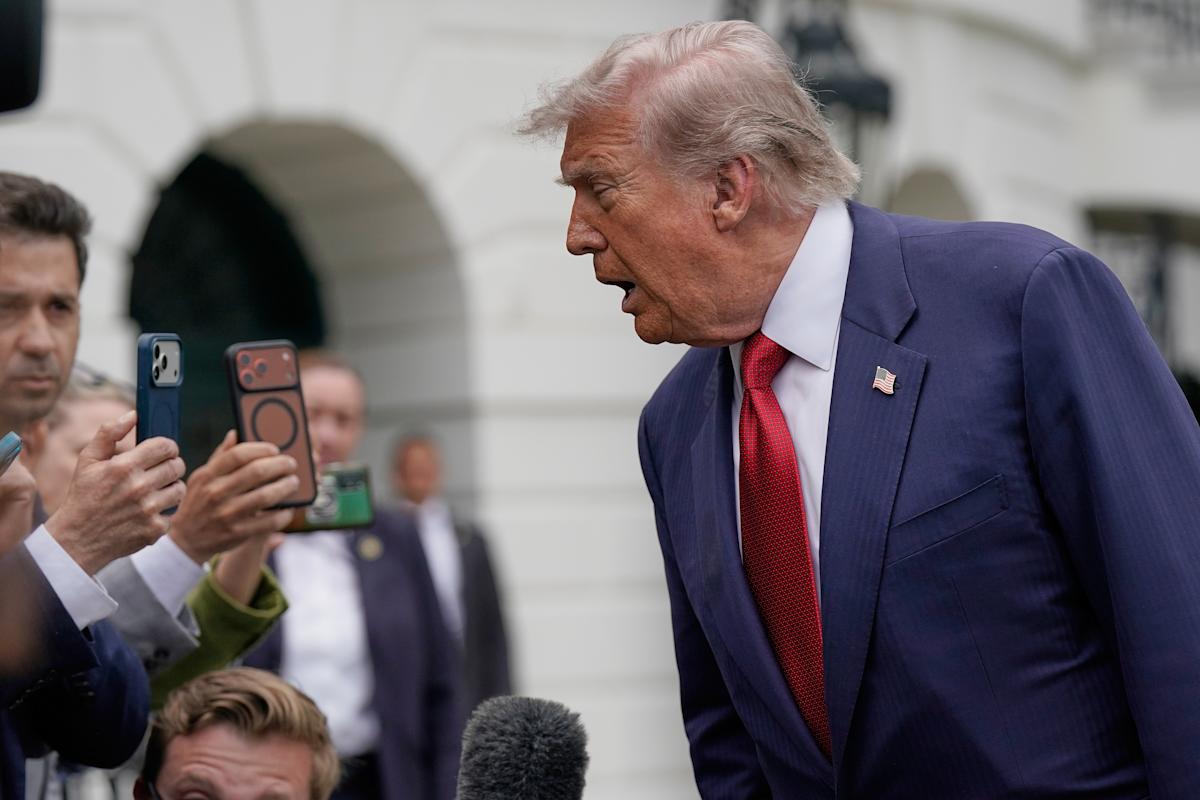
- Trade Agreement Progress: The meeting between Trump and Xi aimed to maintain a fragile trade truce, with both leaders achieving 'balanced and positive outcomes' during discussions, laying the groundwork for future bilateral trade and investment mechanisms.
- Boeing Order Confirmation: Trump announced that China agreed to order 200 Boeing jets, marking the first purchase of U.S.-made commercial aircraft in nearly a decade, although this figure fell short of market expectations, causing Boeing shares to drop over 4%.
- Taiwan Issue Warning: Xi issued a stark warning regarding Taiwan during a closed-door meeting, emphasizing that mishandling the issue could push U.S.-China relations into a 'very dangerous place', highlighting the ongoing tensions between the two nations.
- Middle East Policy Discussion: Trump expressed hopes that China could persuade Iran to reach an agreement with the U.S. to end an unpopular war, and both sides discussed their shared desire to reopen the Strait of Hormuz, crucial for global oil and natural gas supplies.
Trade with 70% Backtested Accuracy
Stop guessing "Should I Buy BA?" and start using high-conviction signals backed by rigorous historical data.
Sign up today to access powerful investing tools and make smarter, data-driven decisions.
Analyst Views on BA
Wall Street analysts forecast BA stock price to rise
16 Analyst Rating
14 Buy
1 Hold
1 Sell
Strong Buy
Current: 240.600

Low
150.00
Averages
269.14
High
298.00
Current: 240.600
Low
150.00
Averages
269.14
High
298.00
About BA
The Boeing Company is an aerospace company. Its segments include Commercial Airplanes (BCA), Defense, Space & Security (BDS), and Global Services (BGS). Its BCA segment develops, produces and markets commercial jet aircraft principally for the commercial airline industry worldwide. Its family of commercial jet aircraft in production includes the 737 narrow-body model and the 767, 777 and 787 wide-body models. Its BDS segment is engaged in the research, development, production and modification of manned and unmanned military aircraft and weapons systems for strike, surveillance and mobility. Its BGS segment provides services to its commercial and defense customers worldwide. It sustains aerospace platforms and systems with a range of products and services, including supply chain and logistics management, engineering, maintenance and modifications, upgrades and conversions, spare parts, pilot and maintenance training systems and services, technical and maintenance documents, and others.
About the author

Emily J. Thompson
Emily J. Thompson, a Chartered Financial Analyst (CFA) with 12 years in investment research, graduated with honors from the Wharton School. Specializing in industrial and technology stocks, she provides in-depth analysis for Intellectia’s earnings and market brief reports.
Trump Meets Xi Jinping to Secure Economic Wins Amid Trade Truce

- Economic Negotiation Context: Trump's meetings with Xi aim to maintain a fragile trade truce while addressing thorny issues like the Iran war and arms sales to Taiwan, indicating a strategic shift in the U.S. position in global economics.
- CEO Participation: The inclusion of CEOs like Elon Musk and Jensen Huang in Trump's delegation underscores the willingness of U.S. businesses to engage in the Chinese market, potentially paving the way for future commercial collaborations.
- Trade Relationship Dynamics: Despite Trump's intentions to reduce the trade deficit through sales of Boeing aircraft and agricultural products, his negotiating power is constrained by U.S. court limitations on imposing tariffs, reflecting a weakened U.S. stance in U.S.-China relations.
- Taiwan Issue Priority: Xi's strong opposition to U.S. arms sales to Taiwan, particularly the unclear status of a $14 billion package awaiting Trump's approval, highlights the significance and complexity of the Taiwan issue in U.S.-China relations.
See More
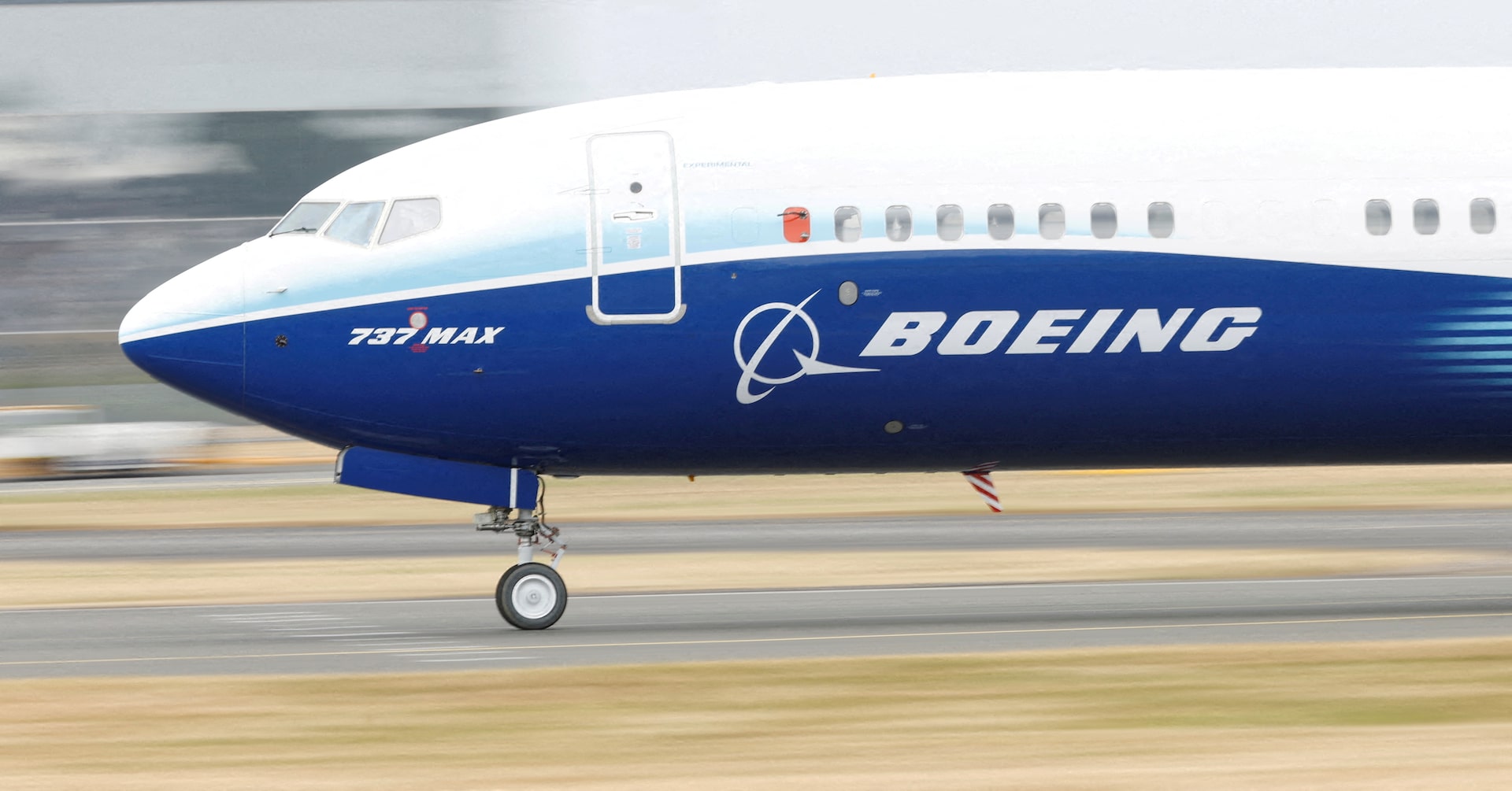
Trump and Xi Meeting Focuses on Trade and Taiwan Issues
- Trade Agreement Progress: The meeting between Trump and Xi aimed to maintain a fragile trade truce, with both leaders achieving 'balanced and positive outcomes' during discussions, laying the groundwork for future bilateral trade and investment mechanisms.
- Boeing Order Confirmation: Trump announced that China agreed to order 200 Boeing jets, marking the first purchase of U.S.-made commercial aircraft in nearly a decade, although this figure fell short of market expectations, causing Boeing shares to drop over 4%.
- Taiwan Issue Warning: Xi issued a stark warning regarding Taiwan during a closed-door meeting, emphasizing that mishandling the issue could push U.S.-China relations into a 'very dangerous place', highlighting the ongoing tensions between the two nations.
- Middle East Policy Discussion: Trump expressed hopes that China could persuade Iran to reach an agreement with the U.S. to end an unpopular war, and both sides discussed their shared desire to reopen the Strait of Hormuz, crucial for global oil and natural gas supplies.
See More
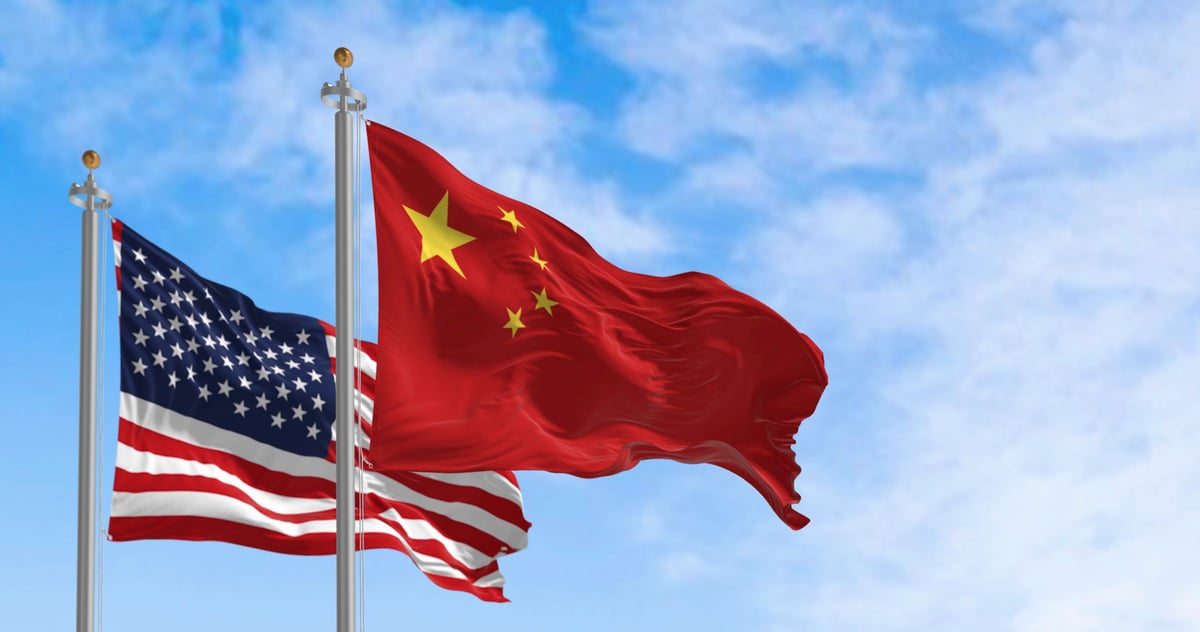
Boeing Secures Order for 200 737 Jets from China
- Order Scale Analysis: Boeing's secured order for 200 737 jets from China, while notable, falls short of the desired 500 737 MAX and 100 wide-body aircraft, indicating that market expectations for Boeing remain unmet.
- Legal Risk Impact: Polish Airlines has filed a lawsuit against Boeing, alleging concealment of safety issues with the 737 MAX, and an unfavorable ruling could trigger collective lawsuits from other airlines, further pressuring Boeing's financial health.
- Delivery Data Misses Expectations: Boeing delivered 47 aircraft in April, failing to meet analysts' expectations of over 50, highlighting challenges in production and delivery that could undermine investor confidence.
- Analyst Outlook Optimistic: Despite facing challenges, 21 out of 27 analysts have rated Boeing as a
See More
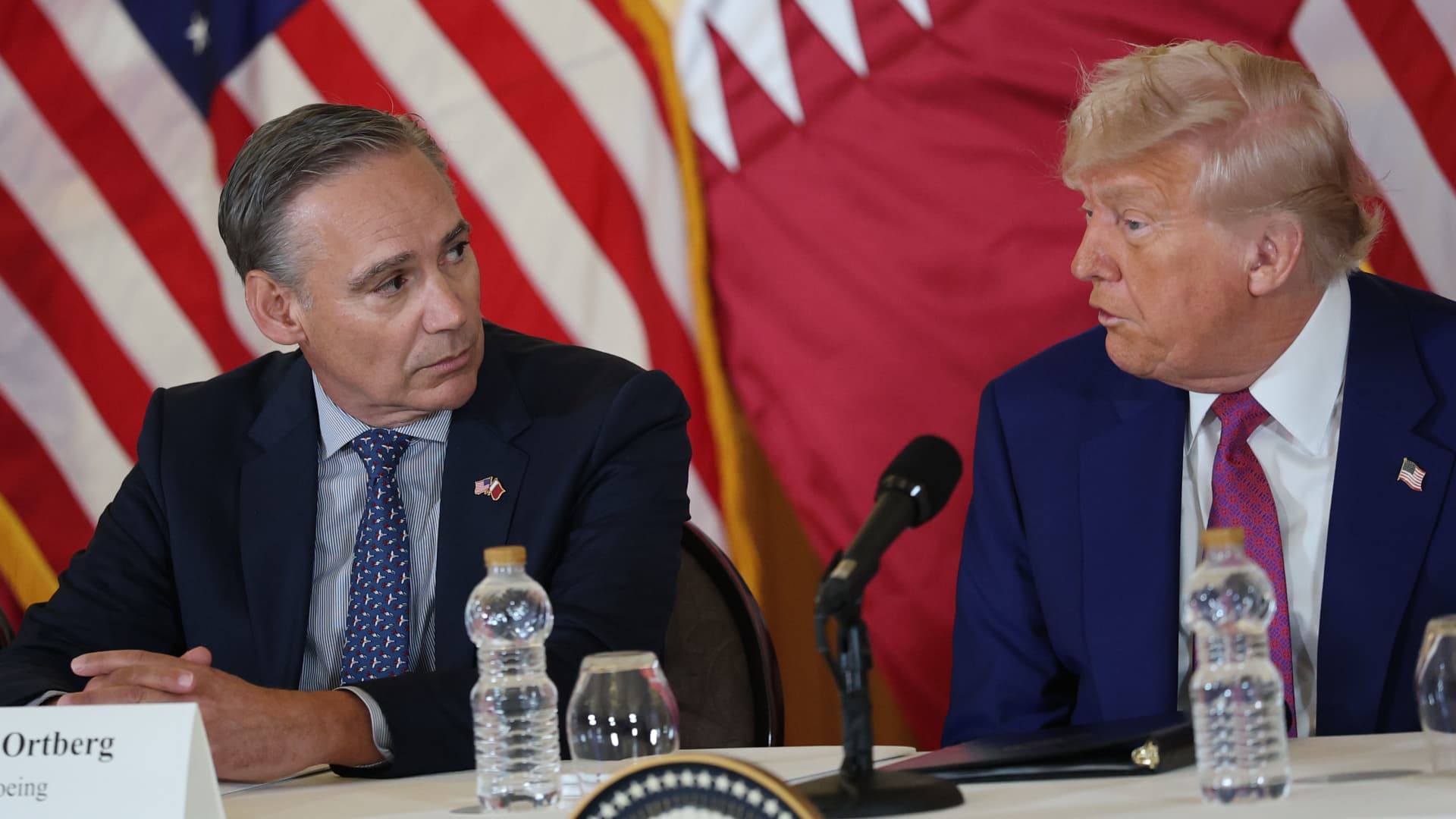
Markets Hit New Highs, Boeing Shares Decline
- Boeing Order Reaction: Despite China agreeing to order 200 Boeing jets, the market reacted negatively, causing Boeing shares to drop about 4% and erase all gains since the CEO's trip to China, reflecting investor disappointment over the order size.
- Market Performance Review: The Dow Jones Industrial Average has surpassed 50,000 points again, led by technology stocks, with financials, staples, and industrials also participating, indicating a broad market rally and increased investor confidence in economic recovery.
- Dover Investment Expansion: Dover announced a $30 million investment in its subsidiary SWEP to expand manufacturing capacity for brazed plate heat exchangers crucial for AI data center cooling, which is expected to more than double capacity to meet rising market demand.
- Pharmaceutical Industry Dynamics: IQVIA reported a 1.4% year-over-year increase in prescription drug volumes for April, providing hope for pharmaceutical distributors like Cardinal Health, potentially helping its stock find support after a 20% pullback.
See More

Chicago Jury Awards $49.5 Million in Boeing 737 Max Crash Case
- Compensation Awarded: A Chicago jury awarded $49.5 million to the family of Samya Stumo, who died in the 2019 Ethiopian Airlines 737 Max crash, with $21 million for her suffering, $16.5 million for loss of companionship, and $12 million for grief, highlighting the ongoing legal ramifications of the disaster.
- Boeing's Liability: Boeing did not contest liability in this case, and while punitive damages claims were dismissed, the family is appealing, indicating that Boeing's legal exposure from the 737 Max crashes remains, despite resolving over 90% of related lawsuits.
- Financial Impact Assessment: Boeing has paid billions in settlements, regulatory fines, and compensation funds, and while the financial impact of individual verdicts is manageable, ongoing legal cases pose risks to the company's reputation and market demand, affecting long-term cash flow.
- Regulatory Scrutiny Continues: The ruling underscores Boeing's challenges regarding regulatory scrutiny, safety oversight, and brand perception, which will continue to influence aircraft demand and certification timelines, indicating that while legal risks are largely contained, reputational damage remains a concern.
See More
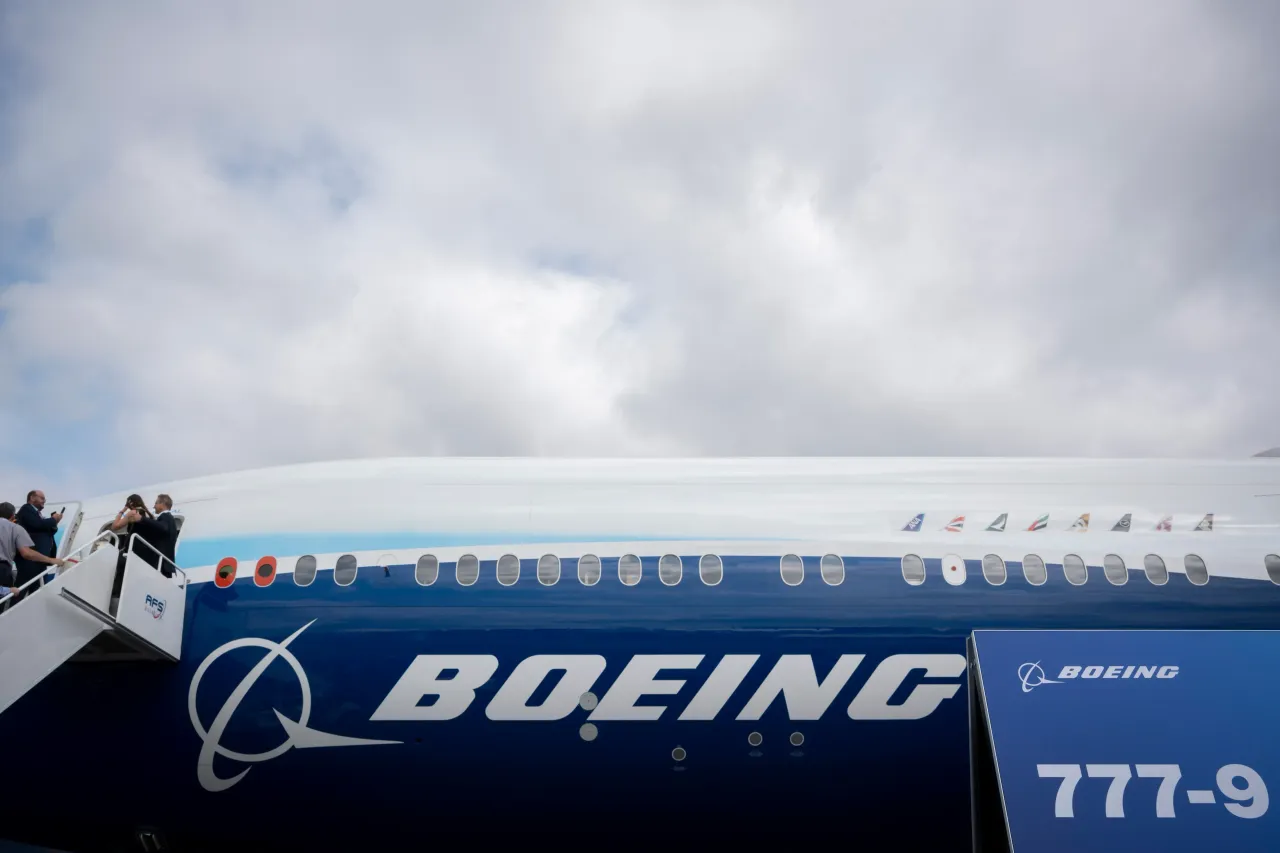
Trump Announces China Orders 200 Boeing Aircraft
- Order Announcement and Market Reaction: Trump announced during a meeting with Chinese President Xi Jinping that China agreed to purchase 200 Boeing aircraft, yet this significant deal failed to boost investor confidence, resulting in a 4% drop in Boeing's stock price post-announcement.
- Expectation vs. Reality: Analysts had initially estimated that Boeing could secure orders for 500 to 600 aircraft, but the actual order fell short of expectations, raising concerns about Boeing's ability to fulfill its existing lagging order book.
- Production Bottlenecks and Delivery Challenges: Boeing continues to face production bottlenecks while trying to meet surging demand for new aircraft, leading to a commercial backlog of 6,719 aircraft, with delivery rates significantly below the peak levels needed to clear this backlog.
- Financial Performance and Future Outlook: Boeing reported a 14% year-over-year revenue increase to $22.2 billion in Q1, but still posted a loss of $0.11 per share, which was better than the expected $0.35 loss, indicating a potential turning point in the company's recovery efforts.
See More
Trump Meets Xi Jinping to Secure Economic Wins Amid Trade Truce
- Economic Negotiation Context: Trump's meetings with Xi aim to maintain a fragile trade truce while addressing thorny issues like the Iran war and arms sales to Taiwan, indicating a strategic shift in the U.S. position in global economics.
- CEO Participation: The inclusion of CEOs like Elon Musk and Jensen Huang in Trump's delegation underscores the willingness of U.S. businesses to engage in the Chinese market, potentially paving the way for future commercial collaborations.
- Trade Relationship Dynamics: Despite Trump's intentions to reduce the trade deficit through sales of Boeing aircraft and agricultural products, his negotiating power is constrained by U.S. court limitations on imposing tariffs, reflecting a weakened U.S. stance in U.S.-China relations.
- Taiwan Issue Priority: Xi's strong opposition to U.S. arms sales to Taiwan, particularly the unclear status of a $14 billion package awaiting Trump's approval, highlights the significance and complexity of the Taiwan issue in U.S.-China relations.
See More
Trump and Xi Meeting Focuses on Trade and Taiwan Issues
- Trade Agreement Progress: The meeting between Trump and Xi aimed to maintain a fragile trade truce, with both leaders achieving 'balanced and positive outcomes' during discussions, laying the groundwork for future bilateral trade and investment mechanisms.
- Boeing Order Confirmation: Trump announced that China agreed to order 200 Boeing jets, marking the first purchase of U.S.-made commercial aircraft in nearly a decade, although this figure fell short of market expectations, causing Boeing shares to drop over 4%.
- Taiwan Issue Warning: Xi issued a stark warning regarding Taiwan during a closed-door meeting, emphasizing that mishandling the issue could push U.S.-China relations into a 'very dangerous place', highlighting the ongoing tensions between the two nations.
- Middle East Policy Discussion: Trump expressed hopes that China could persuade Iran to reach an agreement with the U.S. to end an unpopular war, and both sides discussed their shared desire to reopen the Strait of Hormuz, crucial for global oil and natural gas supplies.
See More
Boeing Secures Order for 200 737 Jets from China
- Order Scale Analysis: Boeing's secured order for 200 737 jets from China, while notable, falls short of the desired 500 737 MAX and 100 wide-body aircraft, indicating that market expectations for Boeing remain unmet.
- Legal Risk Impact: Polish Airlines has filed a lawsuit against Boeing, alleging concealment of safety issues with the 737 MAX, and an unfavorable ruling could trigger collective lawsuits from other airlines, further pressuring Boeing's financial health.
- Delivery Data Misses Expectations: Boeing delivered 47 aircraft in April, failing to meet analysts' expectations of over 50, highlighting challenges in production and delivery that could undermine investor confidence.
- Analyst Outlook Optimistic: Despite facing challenges, 21 out of 27 analysts have rated Boeing as a
See More
Markets Hit New Highs, Boeing Shares Decline
- Boeing Order Reaction: Despite China agreeing to order 200 Boeing jets, the market reacted negatively, causing Boeing shares to drop about 4% and erase all gains since the CEO's trip to China, reflecting investor disappointment over the order size.
- Market Performance Review: The Dow Jones Industrial Average has surpassed 50,000 points again, led by technology stocks, with financials, staples, and industrials also participating, indicating a broad market rally and increased investor confidence in economic recovery.
- Dover Investment Expansion: Dover announced a $30 million investment in its subsidiary SWEP to expand manufacturing capacity for brazed plate heat exchangers crucial for AI data center cooling, which is expected to more than double capacity to meet rising market demand.
- Pharmaceutical Industry Dynamics: IQVIA reported a 1.4% year-over-year increase in prescription drug volumes for April, providing hope for pharmaceutical distributors like Cardinal Health, potentially helping its stock find support after a 20% pullback.
See More
Chicago Jury Awards $49.5 Million in Boeing 737 Max Crash Case
- Compensation Awarded: A Chicago jury awarded $49.5 million to the family of Samya Stumo, who died in the 2019 Ethiopian Airlines 737 Max crash, with $21 million for her suffering, $16.5 million for loss of companionship, and $12 million for grief, highlighting the ongoing legal ramifications of the disaster.
- Boeing's Liability: Boeing did not contest liability in this case, and while punitive damages claims were dismissed, the family is appealing, indicating that Boeing's legal exposure from the 737 Max crashes remains, despite resolving over 90% of related lawsuits.
- Financial Impact Assessment: Boeing has paid billions in settlements, regulatory fines, and compensation funds, and while the financial impact of individual verdicts is manageable, ongoing legal cases pose risks to the company's reputation and market demand, affecting long-term cash flow.
- Regulatory Scrutiny Continues: The ruling underscores Boeing's challenges regarding regulatory scrutiny, safety oversight, and brand perception, which will continue to influence aircraft demand and certification timelines, indicating that while legal risks are largely contained, reputational damage remains a concern.
See More
Trump Announces China Orders 200 Boeing Aircraft
- Order Announcement and Market Reaction: Trump announced during a meeting with Chinese President Xi Jinping that China agreed to purchase 200 Boeing aircraft, yet this significant deal failed to boost investor confidence, resulting in a 4% drop in Boeing's stock price post-announcement.
- Expectation vs. Reality: Analysts had initially estimated that Boeing could secure orders for 500 to 600 aircraft, but the actual order fell short of expectations, raising concerns about Boeing's ability to fulfill its existing lagging order book.
- Production Bottlenecks and Delivery Challenges: Boeing continues to face production bottlenecks while trying to meet surging demand for new aircraft, leading to a commercial backlog of 6,719 aircraft, with delivery rates significantly below the peak levels needed to clear this backlog.
- Financial Performance and Future Outlook: Boeing reported a 14% year-over-year revenue increase to $22.2 billion in Q1, but still posted a loss of $0.11 per share, which was better than the expected $0.35 loss, indicating a potential turning point in the company's recovery efforts.
See More