MOSAIC CO ANNOUNCES WORKFORCE CUTS AT ARAXÁ AND PATROCÍNIO LOCATIONS - SEC FILING
Mosaic Workforce Reductions: Mosaic has announced workforce reductions affecting its operations in the Araraxá and Patrocínio sites.
Impact on Operations: The reductions are part of a broader strategy to optimize operations and improve efficiency within the company.
Trade with 70% Backtested Accuracy
Analyst Views on MOS

About MOS
About the author


MOSAIC CO. PLANS TO SELL ARAXÁ ASSETS WHILE ADVANCING NIOBIUM DEVELOPMENT AT PATROCÍNIO - SEC FILING

Mosaic Co. Sale: Mosaic Co. is pursuing the sale of its Arraxa assets, indicating a strategic shift in its portfolio management.
Niobium Development: The company continues to focus on niobium development at its Patrocínio site, highlighting its commitment to expanding its resource capabilities.
Fragile U.S.-Iran Ceasefire Tested Amid Oil Price Volatility


- Oil Price Fluctuations: Iran's attack on Saudi Arabia's Red Sea pipeline has cut throughput by 700,000 barrels per day, causing oil prices to hover below $100 per barrel, which exacerbates uncertainty in global markets.
- Ceasefire Negotiations Tension: U.S. and Iranian negotiators are set to meet in Pakistan, and despite heated rhetoric, there remains a willingness to maintain the ceasefire, which could impact future energy supply and price stability.
- Global Economic Impact: China's factory-gate prices have risen for the first time in over three years, indicating the war's disruption of global energy markets, potentially leading to increased inflationary pressures for the Federal Reserve.
- Political Landscape Attention: The British Prime Minister expressed frustration over energy price volatility, highlighting the influence of international politics on domestic economies, which underscores the far-reaching effects of global political dynamics on markets.

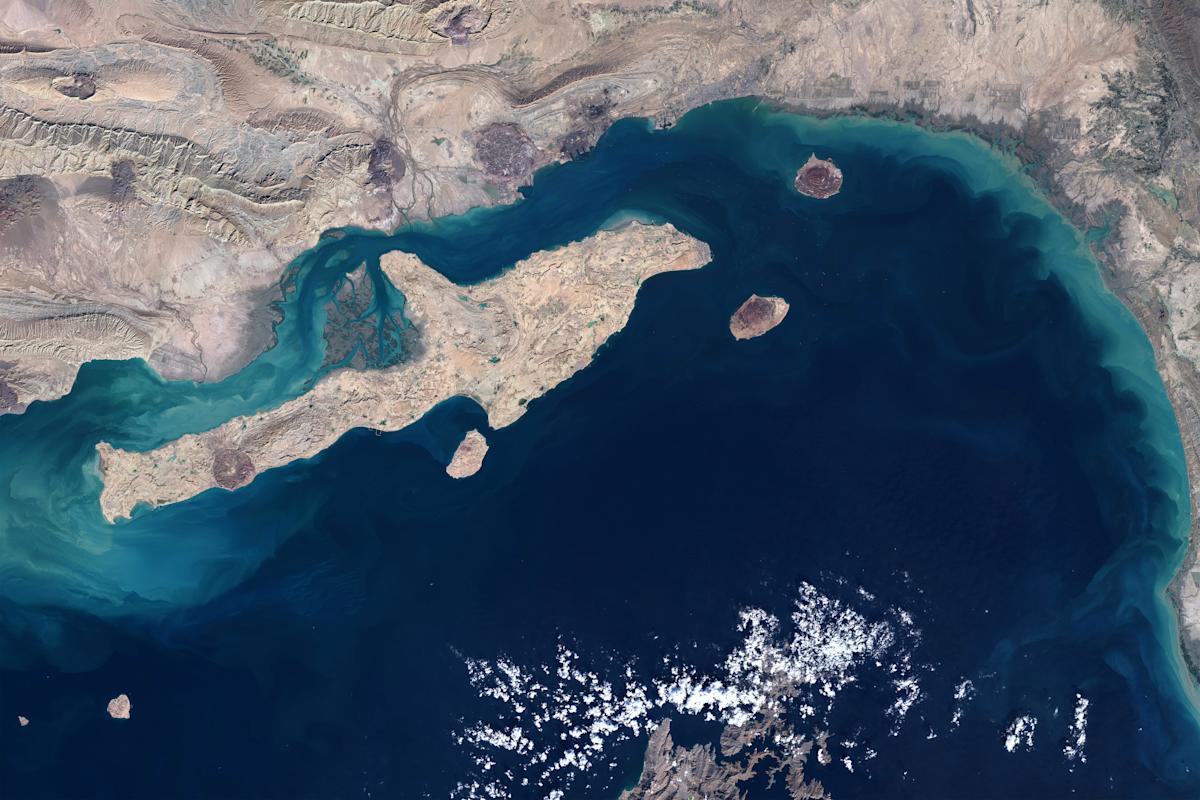
Closure of Strait of Hormuz Triggers Global Energy Crisis
- Market Reaction: Oil prices surged above $100 per barrel due to the closure of the Strait of Hormuz, reflecting market concerns over tight energy supplies that could lead to a global economic slowdown.
- Transport Restrictions: The CEO of Abu Dhabi National Oil Co. confirmed that the Strait of Hormuz is not open to shipping, with traffic being restricted, which will further exacerbate international oil price volatility and impact the global energy supply chain.
- Geopolitical Tensions: Iran's plan to charge shipping companies cryptocurrency tolls for passage through the Strait could provoke strong international backlash, increasing the risk of regional conflict.
- Emergency Measures Escalate: Japan is reportedly considering releasing about 20 days' worth of oil reserves as early as May to address the global supply crisis, demonstrating the urgency and strategic responses of governments facing energy shortages.

Trump Reaffirms Tough Stance on Iran Amid Fragile Ceasefire
- Military Deployment Continues: Trump stated that U.S. military forces will remain deployed in and around Iran until Tehran fully complies with what he calls the 'real agreement', indicating a sustained U.S. military presence in the Middle East that may escalate regional tensions.
- Escalating Threats to Iran: Trump warned that any breach of the agreement would trigger a military response larger than ever seen before, which could raise market concerns about potential disruptions in energy supplies, thereby affecting oil price volatility.
- Strained NATO Relations: Trump criticized NATO for not supporting the U.S. when needed, highlighting a deterioration in relations with traditional allies that could impact future international cooperation and security policies.
- Iran Accuses U.S. of Violating Agreement: Iran's parliamentary speaker accused the U.S. of violating the two-week ceasefire agreement, citing actions such as Israeli attacks on Lebanon, which could further deteriorate U.S.-Iran relations and affect global market stability.

El Niño Phenomenon Intensifies Food Security Crisis

- Climate Risk Escalation: Climate scientists warn that a strong El Niño could develop in 2026, potentially exacerbating pressures on global food production, particularly in major agricultural regions, leading to further increases in food prices and impacting farmer revenues.
- Supply Chain Disruption: The Iran war has disrupted supplies through the Strait of Hormuz, affecting about one-third of the world's seaborne fertilizer trade, causing spikes in fertilizer and energy prices, which heightens planting costs and food security concerns among U.S. farmers.
- Surge in Hunger Numbers: The United Nations World Food Programme estimates that if the Iran war continues, the number of people facing acute hunger could rise by 45 million, reaching 318 million globally, highlighting the severity of the food security crisis.
- Need for International Cooperation: As geopolitical tensions rise, international collaboration becomes increasingly vital, with experts emphasizing that reducing food price volatility requires a collective effort to achieve net-zero emissions, aiding farmers in adapting to climate impacts.
Fragile Ceasefire Agreement Between U.S. and Iran Raises Market Concerns
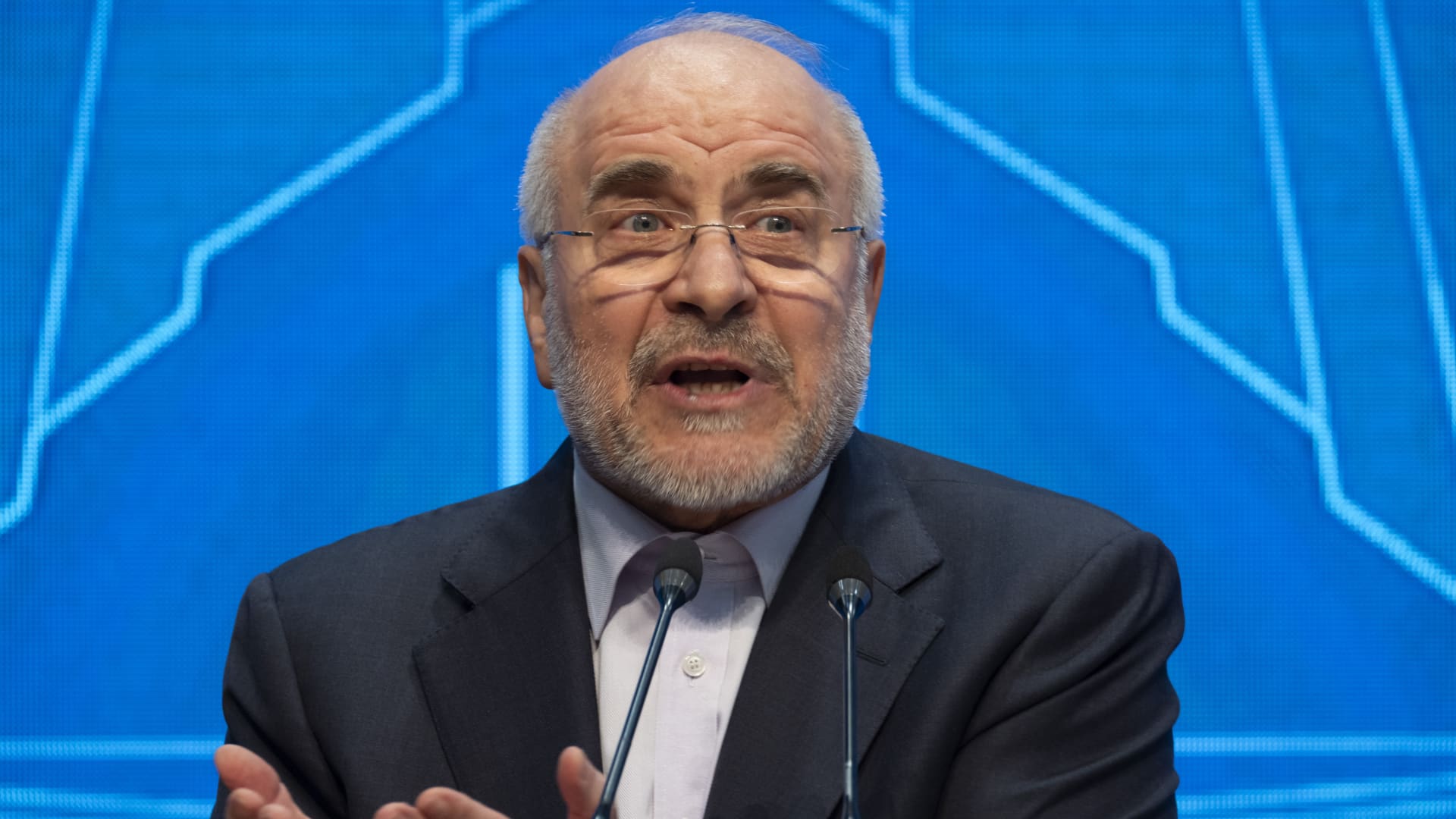
- Fragile Ceasefire: Just a day after the U.S.-Iran ceasefire was announced, Iranian parliamentary speaker Mohammad Bagher Ghalibaf accused the U.S. of violating three key terms, leading to a loss of market confidence and potential disruptions in global energy supply chains.
- Market Reaction: The ceasefire initially triggered a relief rally across global markets; however, following Iran's accusations, Brent crude and U.S. West Texas Intermediate futures rose in Asian trading, indicating market uncertainty about future developments.
- Strait of Hormuz Traffic: Although the ceasefire agreement mandates the reopening of the Strait of Hormuz to normal shipping traffic, actual vessel traffic remains low, raising concerns about energy supply and further contributing to oil price volatility.
- Fed Policy Signals: Minutes from the Federal Reserve's latest meeting indicate that officials still expect to lower interest rates this year, providing additional support for risk assets, but escalating geopolitical risks could undermine this outlook.
MOSAIC CO. PLANS TO SELL ARAXÁ ASSETS WHILE ADVANCING NIOBIUM DEVELOPMENT AT PATROCÍNIO - SEC FILING
Mosaic Co. Sale: Mosaic Co. is pursuing the sale of its Arraxa assets, indicating a strategic shift in its portfolio management.
Niobium Development: The company continues to focus on niobium development at its Patrocínio site, highlighting its commitment to expanding its resource capabilities.
Fragile U.S.-Iran Ceasefire Tested Amid Oil Price Volatility
- Oil Price Fluctuations: Iran's attack on Saudi Arabia's Red Sea pipeline has cut throughput by 700,000 barrels per day, causing oil prices to hover below $100 per barrel, which exacerbates uncertainty in global markets.
- Ceasefire Negotiations Tension: U.S. and Iranian negotiators are set to meet in Pakistan, and despite heated rhetoric, there remains a willingness to maintain the ceasefire, which could impact future energy supply and price stability.
- Global Economic Impact: China's factory-gate prices have risen for the first time in over three years, indicating the war's disruption of global energy markets, potentially leading to increased inflationary pressures for the Federal Reserve.
- Political Landscape Attention: The British Prime Minister expressed frustration over energy price volatility, highlighting the influence of international politics on domestic economies, which underscores the far-reaching effects of global political dynamics on markets.
Closure of Strait of Hormuz Triggers Global Energy Crisis
- Market Reaction: Oil prices surged above $100 per barrel due to the closure of the Strait of Hormuz, reflecting market concerns over tight energy supplies that could lead to a global economic slowdown.
- Transport Restrictions: The CEO of Abu Dhabi National Oil Co. confirmed that the Strait of Hormuz is not open to shipping, with traffic being restricted, which will further exacerbate international oil price volatility and impact the global energy supply chain.
- Geopolitical Tensions: Iran's plan to charge shipping companies cryptocurrency tolls for passage through the Strait could provoke strong international backlash, increasing the risk of regional conflict.
- Emergency Measures Escalate: Japan is reportedly considering releasing about 20 days' worth of oil reserves as early as May to address the global supply crisis, demonstrating the urgency and strategic responses of governments facing energy shortages.
Trump Reaffirms Tough Stance on Iran Amid Fragile Ceasefire
- Military Deployment Continues: Trump stated that U.S. military forces will remain deployed in and around Iran until Tehran fully complies with what he calls the 'real agreement', indicating a sustained U.S. military presence in the Middle East that may escalate regional tensions.
- Escalating Threats to Iran: Trump warned that any breach of the agreement would trigger a military response larger than ever seen before, which could raise market concerns about potential disruptions in energy supplies, thereby affecting oil price volatility.
- Strained NATO Relations: Trump criticized NATO for not supporting the U.S. when needed, highlighting a deterioration in relations with traditional allies that could impact future international cooperation and security policies.
- Iran Accuses U.S. of Violating Agreement: Iran's parliamentary speaker accused the U.S. of violating the two-week ceasefire agreement, citing actions such as Israeli attacks on Lebanon, which could further deteriorate U.S.-Iran relations and affect global market stability.
El Niño Phenomenon Intensifies Food Security Crisis
- Climate Risk Escalation: Climate scientists warn that a strong El Niño could develop in 2026, potentially exacerbating pressures on global food production, particularly in major agricultural regions, leading to further increases in food prices and impacting farmer revenues.
- Supply Chain Disruption: The Iran war has disrupted supplies through the Strait of Hormuz, affecting about one-third of the world's seaborne fertilizer trade, causing spikes in fertilizer and energy prices, which heightens planting costs and food security concerns among U.S. farmers.
- Surge in Hunger Numbers: The United Nations World Food Programme estimates that if the Iran war continues, the number of people facing acute hunger could rise by 45 million, reaching 318 million globally, highlighting the severity of the food security crisis.
- Need for International Cooperation: As geopolitical tensions rise, international collaboration becomes increasingly vital, with experts emphasizing that reducing food price volatility requires a collective effort to achieve net-zero emissions, aiding farmers in adapting to climate impacts.
Fragile Ceasefire Agreement Between U.S. and Iran Raises Market Concerns
- Fragile Ceasefire: Just a day after the U.S.-Iran ceasefire was announced, Iranian parliamentary speaker Mohammad Bagher Ghalibaf accused the U.S. of violating three key terms, leading to a loss of market confidence and potential disruptions in global energy supply chains.
- Market Reaction: The ceasefire initially triggered a relief rally across global markets; however, following Iran's accusations, Brent crude and U.S. West Texas Intermediate futures rose in Asian trading, indicating market uncertainty about future developments.
- Strait of Hormuz Traffic: Although the ceasefire agreement mandates the reopening of the Strait of Hormuz to normal shipping traffic, actual vessel traffic remains low, raising concerns about energy supply and further contributing to oil price volatility.
- Fed Policy Signals: Minutes from the Federal Reserve's latest meeting indicate that officials still expect to lower interest rates this year, providing additional support for risk assets, but escalating geopolitical risks could undermine this outlook.