Middle East Conflict's Impact on Food Prices
Written by Emily J. Thompson, Senior Investment Analyst
Updated: 1 hour ago
0mins
Should l Buy WMT?
Source: Fool
- Fed's Tightrope Walk: The Federal Reserve's decision to keep interest rates steady amidst rising oil and gas prices due to the Middle East conflict reflects a cautious approach to volatile energy costs, which could lead to a sharp reversal and make inflationary pressures temporary.
- Rising Transportation Costs: Transportation companies are adding fuel surcharges, with Amazon charging third-party sellers a 3.5% fee, which will likely force sellers to raise prices, ultimately impacting consumers and illustrating the first-order effects of higher energy prices.
- Agricultural Cost Pressures: Rising natural gas prices will increase fertilizer costs, affecting food companies like Conagra, which has already seen its adjusted operating margin drop by 210 basis points year-over-year in Q3 2026, compelling it to act swiftly to protect margins.
- Lagging Food Price Impact: The delayed effect of rising food prices could dampen the economy further, and if the Fed believes the geopolitical conflict's impact is spreading to food, it may have no choice but to act to mitigate potential inflation risks.
Trade with 70% Backtested Accuracy
Stop guessing "Should I Buy WMT?" and start using high-conviction signals backed by rigorous historical data.
Sign up today to access powerful investing tools and make smarter, data-driven decisions.
Analyst Views on WMT
Wall Street analysts forecast WMT stock price to fall
26 Analyst Rating
25 Buy
1 Hold
0 Sell
Strong Buy
Current: 126.790

Low
119.00
Averages
125.75
High
136.00
Current: 126.790
Low
119.00
Averages
125.75
High
136.00
About WMT
Walmart Inc. is a technology-powered omnichannel retailer. The Company is engaged in the operation of retail and wholesale stores and clubs, as well as eCommerce Websites and mobile applications, located throughout the United States (U.S.), Africa, Canada, Central America, Chile, China, India and Mexico. It operates in three reportable segments: Walmart U.S., Walmart International and Sam's Club U.S. The Walmart U.S. segment includes the Company's mass merchandising concept in the U.S., as well as eCommerce, which includes omni-channel initiatives and certain other business offerings such as advertising services. The Walmart International segment consists of the Company's operations outside of the U.S. through its subsidiaries, as well as eCommerce and omni-channel initiatives. The Sam's Club U.S. segment includes the warehouse membership clubs in the U.S., as well as samsclub.com and omni-channel initiatives.
About the author

Emily J. Thompson
Emily J. Thompson, a Chartered Financial Analyst (CFA) with 12 years in investment research, graduated with honors from the Wharton School. Specializing in industrial and technology stocks, she provides in-depth analysis for Intellectia’s earnings and market brief reports.
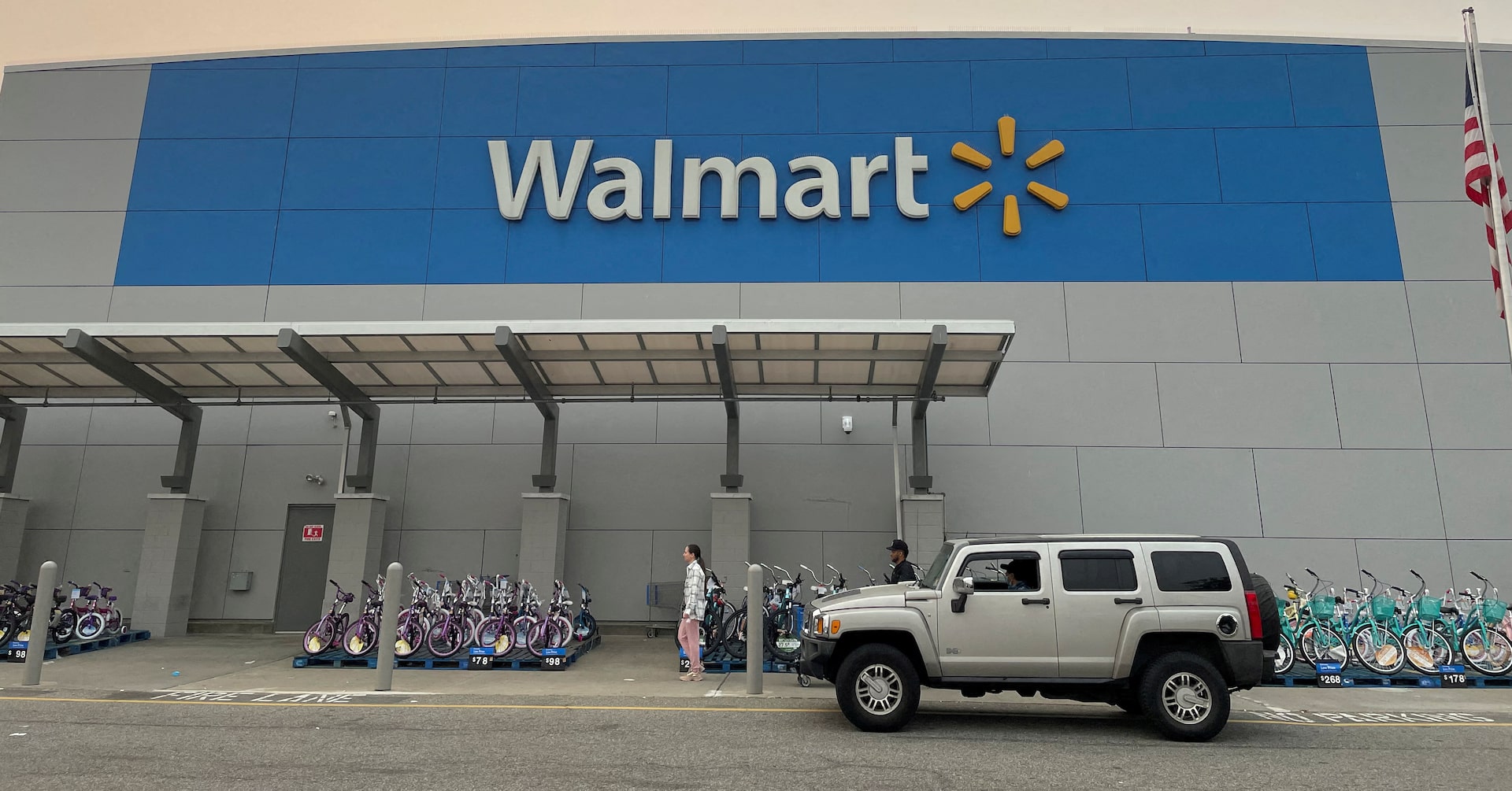
Walmart Launches 13th Annual Fight Hunger Campaign

- Campaign Background: Walmart and Sam's Club launched the 13th annual Fight Hunger. Spark Change. campaign from April 6 to May 3, 2026, aiming to provide food and resources to those facing hunger, highlighting corporate social responsibility.
- Participation Methods: Consumers can participate by donating at checkout, purchasing designated products (1 item = 1 meal at Walmart; 1 item = 5 meals at Sam's Club), or donating directly, which is expected to significantly support local food banks.
- Historical Achievements: Since its inception in 2014, the campaign has raised over $227 million and helped secure more than 2 billion meals, demonstrating Walmart's ongoing commitment and impact in addressing food insecurity.
- Social Impact: Nearly 48 million Americans face food insecurity, including over 14 million children; the campaign not only raises public awareness but also fosters community solidarity and support, emphasizing the significant impact of small actions.
See More

Middle East Conflict's Impact on Food Prices

- Fed's Tightrope Walk: The Federal Reserve's decision to keep interest rates steady amidst rising oil and gas prices due to the Middle East conflict reflects a cautious approach to volatile energy costs, which could lead to a sharp reversal and make inflationary pressures temporary.
- Rising Transportation Costs: Transportation companies are adding fuel surcharges, with Amazon charging third-party sellers a 3.5% fee, which will likely force sellers to raise prices, ultimately impacting consumers and illustrating the first-order effects of higher energy prices.
- Agricultural Cost Pressures: Rising natural gas prices will increase fertilizer costs, affecting food companies like Conagra, which has already seen its adjusted operating margin drop by 210 basis points year-over-year in Q3 2026, compelling it to act swiftly to protect margins.
- Lagging Food Price Impact: The delayed effect of rising food prices could dampen the economy further, and if the Fed believes the geopolitical conflict's impact is spreading to food, it may have no choice but to act to mitigate potential inflation risks.
See More

Impact of Middle East Conflict on Energy Markets
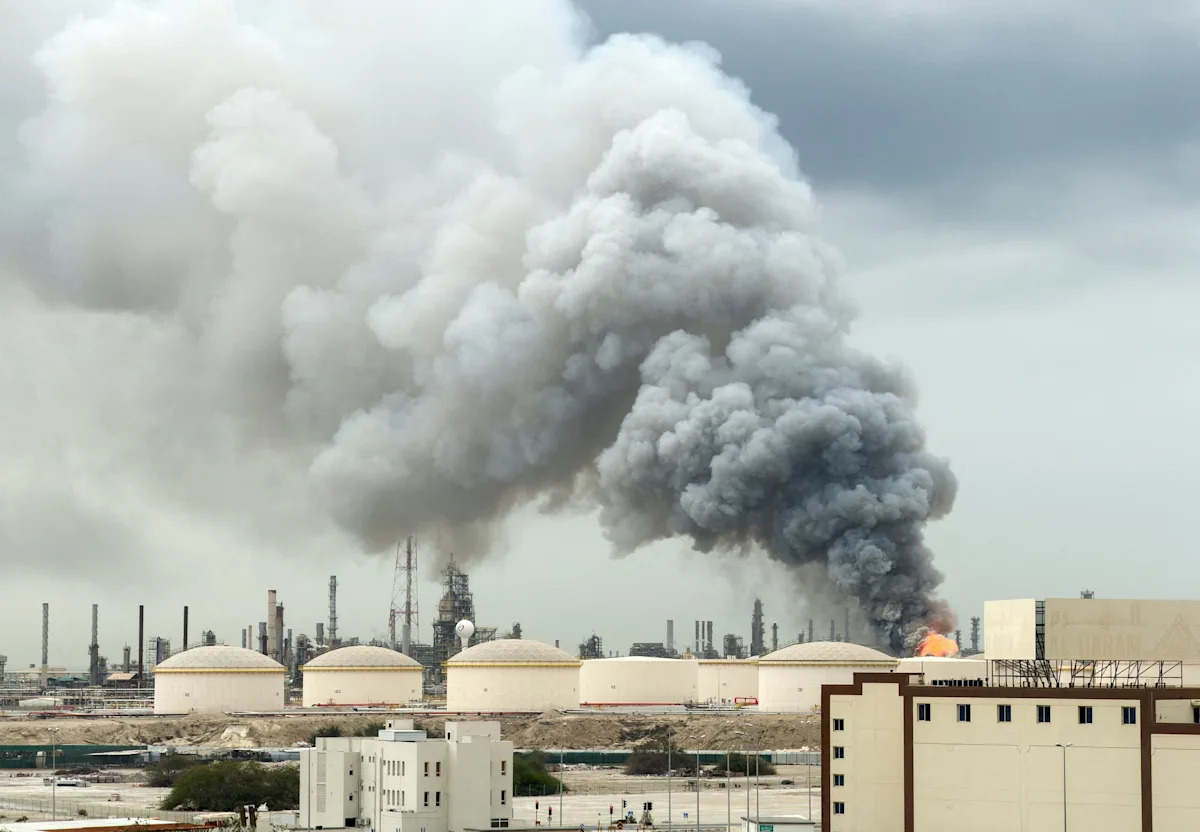
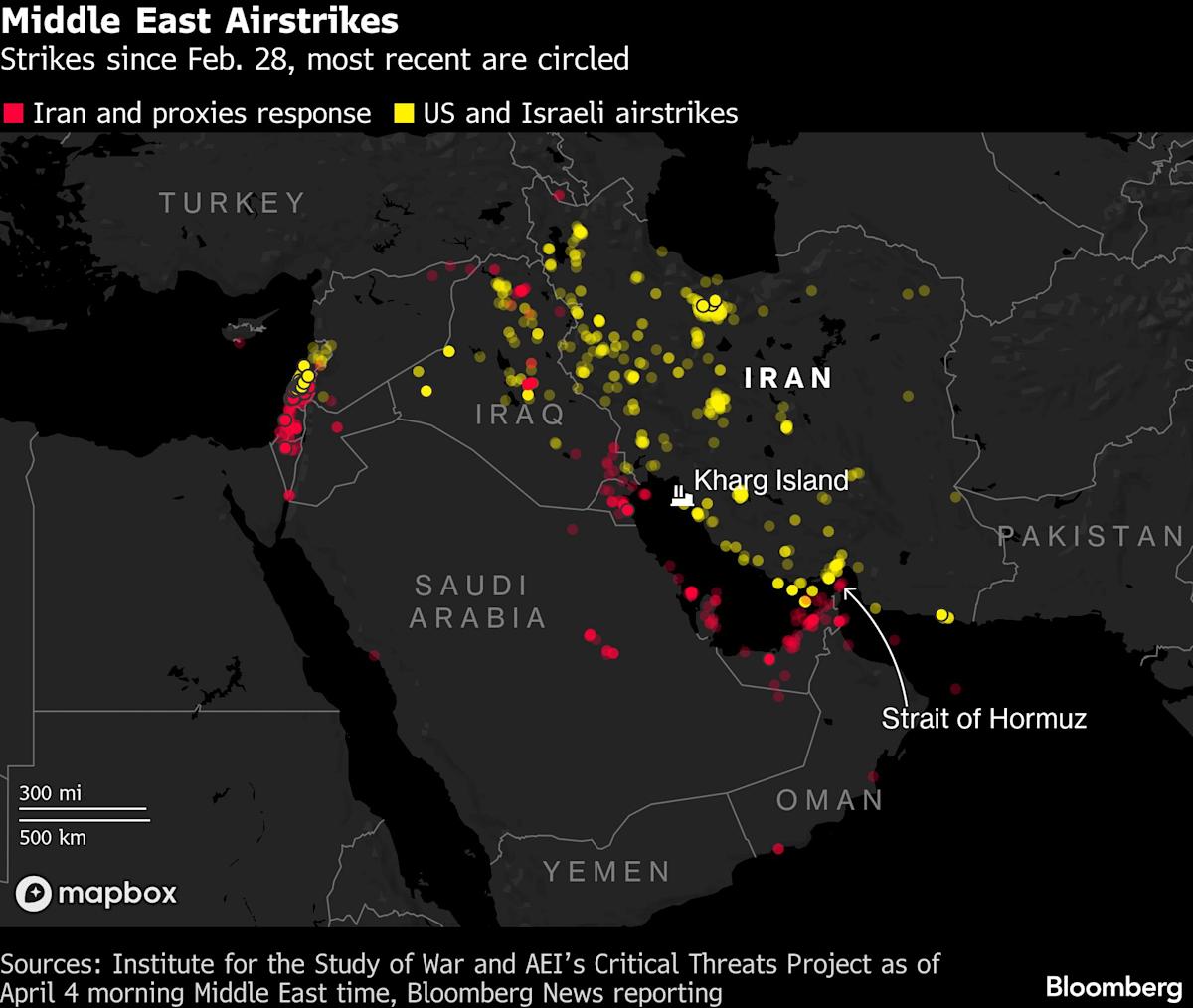
- Rising Energy Prices: The geopolitical conflict in the Middle East has led to soaring oil and gas prices, resulting in increased transportation costs that could dampen consumer spending and slow down the overall economy.
- Transportation Cost Pass-Through: Amazon's 3.5% transportation and logistics fee for third-party sellers is expected to drive up product prices, impacting consumer purchasing power and exacerbating inflationary pressures.
- Agricultural Cost Increases: Rising natural gas prices will elevate fertilizer costs, potentially leading farmers to buy less fertilizer, which could negatively affect crop yields and disrupt the food supply chain.
- Lagging Food Prices: Food prices typically rise more slowly than oil prices, suggesting a prolonged economic impact; if the Federal Reserve perceives that the Middle East conflict is affecting food prices, it may have to take action.
See More
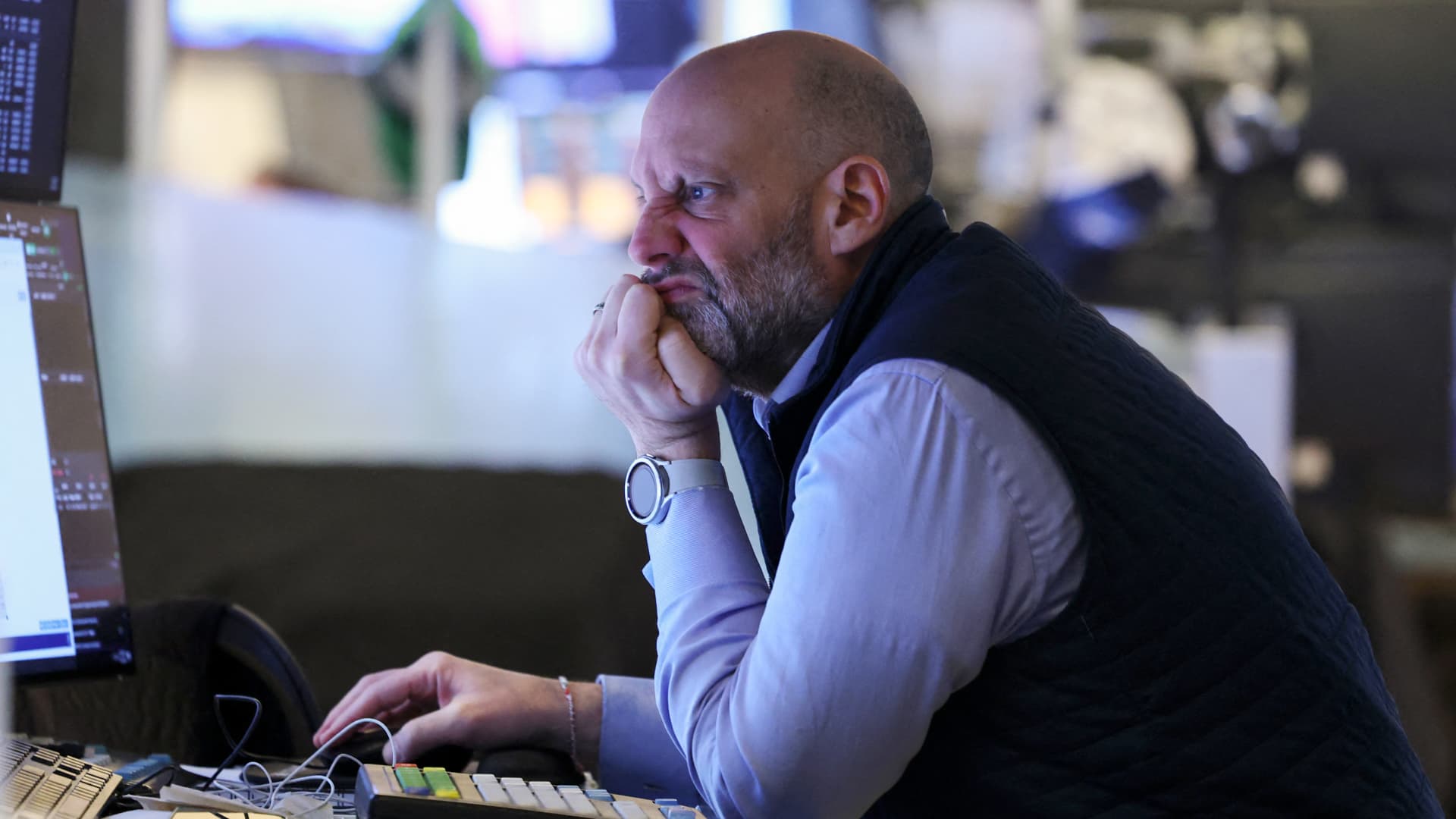
U.S. Economic Outlook Dims Amid Iran Tensions
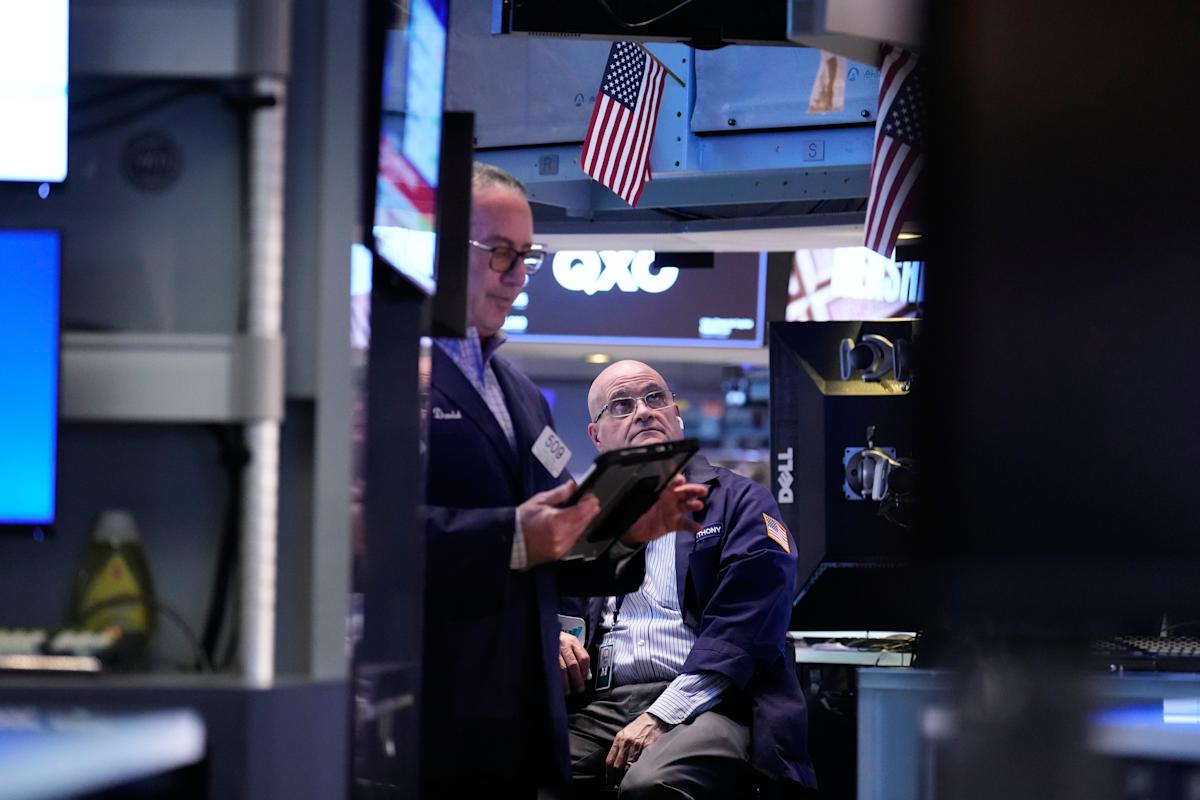
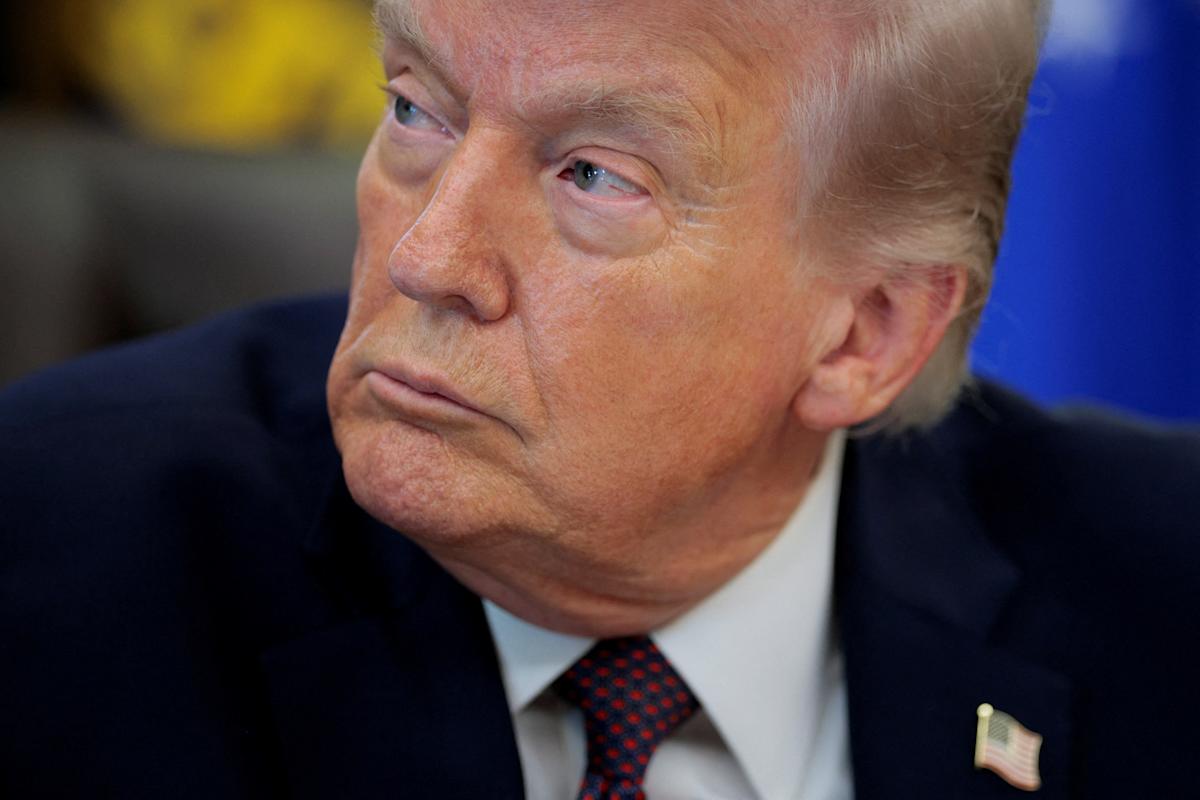
- Market Weakness: The S&P 500 index showed significant weakness as President Trump's deadline for Iran approached, with most of the session in the red, reflecting investor concerns over economic prospects amid declining consumer confidence and rising inflation.
- Retail Sector Decline: Walmart's 3.3% drop indicates that even budget-conscious consumers may cut back on spending during an economic downturn, suggesting a deteriorating overall consumer health that could have long-term implications for the retail sector.
- Cruise Industry Struggles: Shares of Royal Caribbean, Norwegian Cruise Line, and Carnival fell nearly 3%, 3.3%, and 2.96% respectively, indicating a potential decline in consumer demand for travel post-pandemic, which raises further concerns about economic recovery.
- Pharmaceutical Stocks Underperform: Merck, Pfizer, and AbbVie saw declines of 1.3%, 2.6%, and 0.2%, respectively, highlighting inflationary pressures and the dual challenges of economic slowdown and rising costs faced by the pharmaceutical industry.
See More
OpenAI Faces Challenges in Monetization Strategy
- Market Share Battle: OpenAI plans to double its headcount in the coming months to compete with Anthropic, highlighting the urgency and desire for market share in the AI sector.
- Partnership Termination: Walmart has ended its agentic commerce deal with OpenAI due to poor conversion rates, which not only impacts OpenAI's reputation but may also lead to decreased client confidence in the future.
- Funding Plan Revealed: OpenAI is seeking private equity funding, promising up to a 17.5% return for preferred investors, indicating pressure in fundraising that could affect its IPO prospects.
- Unclear Profit Model: Despite an IPO valuation approaching $1 trillion, the lack of a clear monetization strategy raises investor concerns about sustainability, potentially diminishing market interest in its stock.
See More
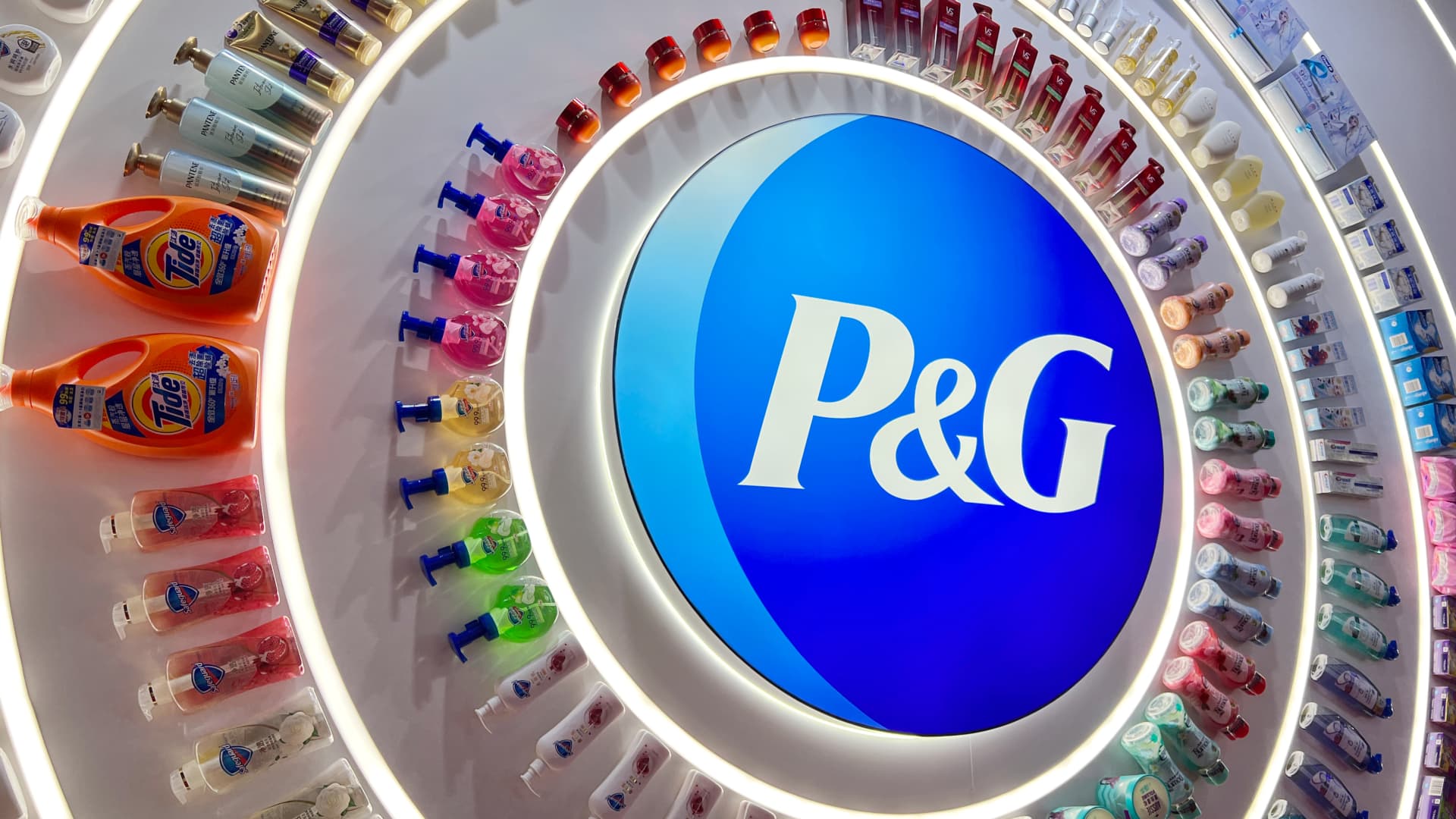
Procter & Gamble's Innovation Drives Market Leadership
- Leading R&D Investment: Procter & Gamble has invested approximately $10 billion in R&D over the past five years, significantly outpacing its nearest competitor Unilever's $5 billion, underscoring its commitment to innovation and maintaining market leadership in the fast-moving consumer goods sector.
- Market Share Challenges: Despite ongoing innovation efforts, P&G has experienced slight declines in global market share in fiscal 2025 due to inflation-conscious consumers opting for cheaper alternatives, highlighting the limitations of its premium pricing strategy in a challenging economic environment.
- AI Technology Utilization: P&G leverages artificial intelligence to accelerate product development, utilizing its extensive consumer data lake to reduce molecular discovery timelines from six years to just six months, enhancing its speed to market and competitive edge.
- New Product Launch: The recent launch of Tide evo, a liquid-free laundry tile developed over a decade, marks a significant milestone in P&G's innovation journey, aimed at meeting consumer demands for sustainability and convenience while also reducing packaging costs.
See More
Walmart Launches 13th Annual Fight Hunger Campaign
- Campaign Background: Walmart and Sam's Club launched the 13th annual Fight Hunger. Spark Change. campaign from April 6 to May 3, 2026, aiming to provide food and resources to those facing hunger, highlighting corporate social responsibility.
- Participation Methods: Consumers can participate by donating at checkout, purchasing designated products (1 item = 1 meal at Walmart; 1 item = 5 meals at Sam's Club), or donating directly, which is expected to significantly support local food banks.
- Historical Achievements: Since its inception in 2014, the campaign has raised over $227 million and helped secure more than 2 billion meals, demonstrating Walmart's ongoing commitment and impact in addressing food insecurity.
- Social Impact: Nearly 48 million Americans face food insecurity, including over 14 million children; the campaign not only raises public awareness but also fosters community solidarity and support, emphasizing the significant impact of small actions.
See More
Middle East Conflict's Impact on Food Prices
- Fed's Tightrope Walk: The Federal Reserve's decision to keep interest rates steady amidst rising oil and gas prices due to the Middle East conflict reflects a cautious approach to volatile energy costs, which could lead to a sharp reversal and make inflationary pressures temporary.
- Rising Transportation Costs: Transportation companies are adding fuel surcharges, with Amazon charging third-party sellers a 3.5% fee, which will likely force sellers to raise prices, ultimately impacting consumers and illustrating the first-order effects of higher energy prices.
- Agricultural Cost Pressures: Rising natural gas prices will increase fertilizer costs, affecting food companies like Conagra, which has already seen its adjusted operating margin drop by 210 basis points year-over-year in Q3 2026, compelling it to act swiftly to protect margins.
- Lagging Food Price Impact: The delayed effect of rising food prices could dampen the economy further, and if the Fed believes the geopolitical conflict's impact is spreading to food, it may have no choice but to act to mitigate potential inflation risks.
See More
Impact of Middle East Conflict on Energy Markets
- Rising Energy Prices: The geopolitical conflict in the Middle East has led to soaring oil and gas prices, resulting in increased transportation costs that could dampen consumer spending and slow down the overall economy.
- Transportation Cost Pass-Through: Amazon's 3.5% transportation and logistics fee for third-party sellers is expected to drive up product prices, impacting consumer purchasing power and exacerbating inflationary pressures.
- Agricultural Cost Increases: Rising natural gas prices will elevate fertilizer costs, potentially leading farmers to buy less fertilizer, which could negatively affect crop yields and disrupt the food supply chain.
- Lagging Food Prices: Food prices typically rise more slowly than oil prices, suggesting a prolonged economic impact; if the Federal Reserve perceives that the Middle East conflict is affecting food prices, it may have to take action.
See More
U.S. Economic Outlook Dims Amid Iran Tensions
- Market Weakness: The S&P 500 index showed significant weakness as President Trump's deadline for Iran approached, with most of the session in the red, reflecting investor concerns over economic prospects amid declining consumer confidence and rising inflation.
- Retail Sector Decline: Walmart's 3.3% drop indicates that even budget-conscious consumers may cut back on spending during an economic downturn, suggesting a deteriorating overall consumer health that could have long-term implications for the retail sector.
- Cruise Industry Struggles: Shares of Royal Caribbean, Norwegian Cruise Line, and Carnival fell nearly 3%, 3.3%, and 2.96% respectively, indicating a potential decline in consumer demand for travel post-pandemic, which raises further concerns about economic recovery.
- Pharmaceutical Stocks Underperform: Merck, Pfizer, and AbbVie saw declines of 1.3%, 2.6%, and 0.2%, respectively, highlighting inflationary pressures and the dual challenges of economic slowdown and rising costs faced by the pharmaceutical industry.
See More
OpenAI Faces Challenges in Monetization Strategy
- Market Share Battle: OpenAI plans to double its headcount in the coming months to compete with Anthropic, highlighting the urgency and desire for market share in the AI sector.
- Partnership Termination: Walmart has ended its agentic commerce deal with OpenAI due to poor conversion rates, which not only impacts OpenAI's reputation but may also lead to decreased client confidence in the future.
- Funding Plan Revealed: OpenAI is seeking private equity funding, promising up to a 17.5% return for preferred investors, indicating pressure in fundraising that could affect its IPO prospects.
- Unclear Profit Model: Despite an IPO valuation approaching $1 trillion, the lack of a clear monetization strategy raises investor concerns about sustainability, potentially diminishing market interest in its stock.
See More
Procter & Gamble's Innovation Drives Market Leadership
- Leading R&D Investment: Procter & Gamble has invested approximately $10 billion in R&D over the past five years, significantly outpacing its nearest competitor Unilever's $5 billion, underscoring its commitment to innovation and maintaining market leadership in the fast-moving consumer goods sector.
- Market Share Challenges: Despite ongoing innovation efforts, P&G has experienced slight declines in global market share in fiscal 2025 due to inflation-conscious consumers opting for cheaper alternatives, highlighting the limitations of its premium pricing strategy in a challenging economic environment.
- AI Technology Utilization: P&G leverages artificial intelligence to accelerate product development, utilizing its extensive consumer data lake to reduce molecular discovery timelines from six years to just six months, enhancing its speed to market and competitive edge.
- New Product Launch: The recent launch of Tide evo, a liquid-free laundry tile developed over a decade, marks a significant milestone in P&G's innovation journey, aimed at meeting consumer demands for sustainability and convenience while also reducing packaging costs.
See More