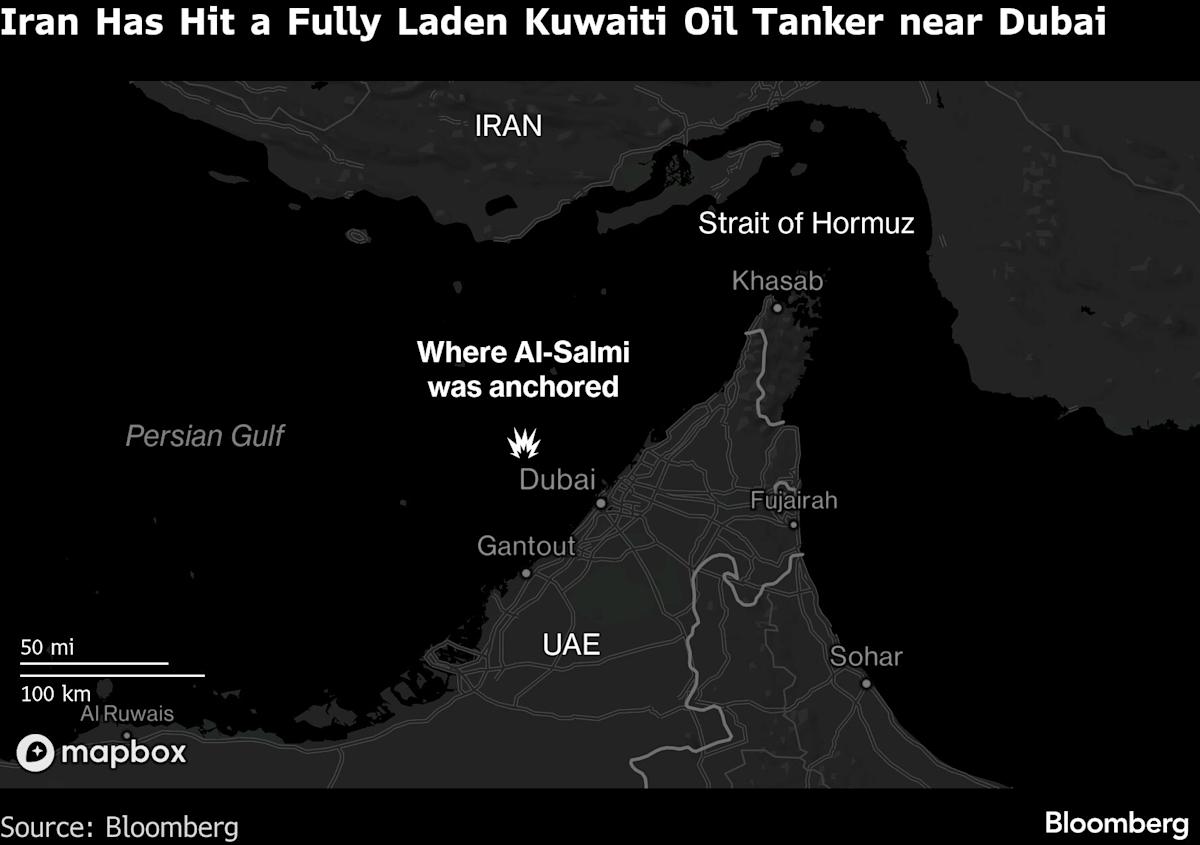
Middle East Conflict Influences Energy Market Dynamics
Written by Emily J. Thompson, Senior Investment Analyst
Updated: 5 days ago
0mins


Should l Buy CVX?
Source: Fool
- Energy Price Volatility: The geopolitical conflict in the Middle East has led to fluctuations in oil and gas prices, with market reactions to news being swift, impacting investor decisions, particularly for long-term investors who need to look beyond current events.
- Production Profile Differences: Devon Energy focuses on the U.S. onshore market and plans to acquire Coterra Energy to expand to six energy-producing regions, while Chevron has a globally diversified production portfolio, making it more sensitive to Brent crude prices.
- Stock Price Volatility: Devon Energy's stock tends to be more volatile, significantly influenced by WTI price movements, whereas Chevron's stock experiences more muted fluctuations, making it suitable for long-term investors seeking stable income.
- Dividend Yield Comparison: Chevron offers a dividend yield of 3.4% with a history of consistent increases, while Devon Energy's dividend has been highly volatile, suggesting that long-term investors should prefer Chevron for reliable cash flow.
Trade with 70% Backtested Accuracy
Stop guessing "Should I Buy CVX?" and start using high-conviction signals backed by rigorous historical data.
Sign up today to access powerful investing tools and make smarter, data-driven decisions.
Analyst Views on CVX
Wall Street analysts forecast CVX stock price to fall
19 Analyst Rating
15 Buy
4 Hold
0 Sell
Strong Buy
Current: 210.710

Low
158.00
Averages
176.95
High
206.00
Current: 210.710
Low
158.00
Averages
176.95
High
206.00
About CVX
Chevron Corporation is an integrated energy company. The Company produces crude oil and natural gas; manufactures transportation fuels, lubricants, petrochemicals and additives; and develops technologies that enhance its business and industry. The Company’s segments include Upstream and Downstream. Upstream operations consist primarily of exploring for, developing, producing and transporting crude oil and natural gas; liquefaction, transportation and regasification associated with LNG; transporting crude oil by major international oil export pipelines; processing, transporting, storage and marketing of natural gas; carbon capture and storage; and a gas-to-liquids plant. Downstream operations consist primarily of the refining of crude oil into petroleum products; marketing crude oil, refined products, and lubricants; manufacturing and marketing of renewable fuels, and transporting of crude oil and refined products by pipeline, marine vessel, motor equipment and rail car.
About the author

Emily J. Thompson
Emily J. Thompson, a Chartered Financial Analyst (CFA) with 12 years in investment research, graduated with honors from the Wharton School. Specializing in industrial and technology stocks, she provides in-depth analysis for Intellectia’s earnings and market brief reports.

Chevron Positioned to Profit from Rising Oil Prices

- Oil Price Surge: Brent crude oil prices have soared past $100 a barrel, reaching their highest level since 2022, with further increases expected, benefiting energy stocks like Chevron, which is well-positioned to capitalize on high oil prices.
- Cash Flow Growth: Chevron anticipates generating $10 billion in incremental free cash flow in 2023, assuming an average oil price of $70 per barrel, while the Hess merger will contribute an additional $2.5 billion, totaling $12.5 billion in cash flow that will significantly enhance the company's financial health.
- Increased Shareholder Returns: Last year, Chevron returned a record $27 billion to shareholders through dividends and stock buybacks, and it is expected to continue raising dividends this year while repurchasing shares within its $10 billion to $20 billion target range, further enhancing shareholder value.
- Market Advantage: Chevron's massive global scale and low-cost resources allow it to reap substantial benefits from rising energy prices, with every $1 change in oil prices impacting its annual earnings and cash flow by $600 million, demonstrating its strong resilience against future market fluctuations.
See More

Chevron's Acquisition of Hess Boosts Cash Flow Significantly
- Impact of Hess Acquisition: Chevron's completion of the Hess acquisition in 2025 is expected to add $2.5 billion annually to its cash flow, further solidifying its market position in a high oil price environment.
- Free Cash Flow Expectations: The company anticipates generating $10 billion in incremental free cash flow in 2026, assuming Brent oil averages $70 per barrel, which will significantly enhance its financial health.
- Earnings Sensitivity to Oil Prices: A $1 change in Brent oil prices will increase Chevron's annual earnings and cash flow by $600 million, while a $1 change in LNG prices will add $150 million, demonstrating its high sensitivity to energy price fluctuations.
- Shareholder Return Strategy: Chevron returned a record $27 billion to shareholders last year through dividends and stock buybacks, and it is expected to continue repurchasing shares within its $10 billion to $20 billion annual target range, further boosting shareholder confidence.
See More

ALB ETF Sees 40% Decline in Units

- Significant Outflow: The Leverage Shares 2X Long ALB Daily ETF experienced an outflow of 40,000 units this week, resulting in a 40% decline in outstanding units compared to the previous week, indicating a substantial loss of investor confidence that could negatively impact its market performance.
- Negative Market Reaction: This large outflow may trigger further selling pressure on the ETF, prompting investors to reassess their portfolios, which could lead to a decrease in overall liquidity and affect the price stability of related assets.
- Shift in Investor Sentiment: The outflow suggests a cautious outlook among investors regarding the aluminum sector, likely driven by concerns over aluminum price volatility, which could impact the earnings expectations and stock performance of related companies.
- Pressure on ETF Performance: As the number of outflow units increases, the management fees and operational costs of the ETF may rise, further compressing its yield and potentially leading to more investors opting to withdraw, creating a vicious cycle.
See More

Chevron Appoints New Chief Safety Officer
- Executive Appointment: Chevron has announced the appointment of Daniel Woodall as Chief Health, Safety and Environment Officer, effective May 1, 2026, as part of its strategy to enhance operational performance and safety management.
- Background Context: Woodall currently serves as the Director of Operations and Maintenance for Chevron Australia, succeeding the current Chief HSE Officer Marissa Badenhorst, who will transition to oversee operations at the Pascagoula and Pasadena refineries, focusing on safety performance and workforce engagement.
- Market Reaction: In pre-market trading, Chevron's stock is priced at $210.50, down 0.11%, indicating a cautious market response to the executive changes, which may affect investor confidence.
- Strategic Implications: This executive transition not only underscores the company's commitment to safety and operational efficiency but also reflects Chevron's dedication to enhancing management expertise in response to industry challenges, ensuring long-term sustainable growth.
See More
U.S. Gasoline Prices Surge Past $4 Amid Middle East Conflict

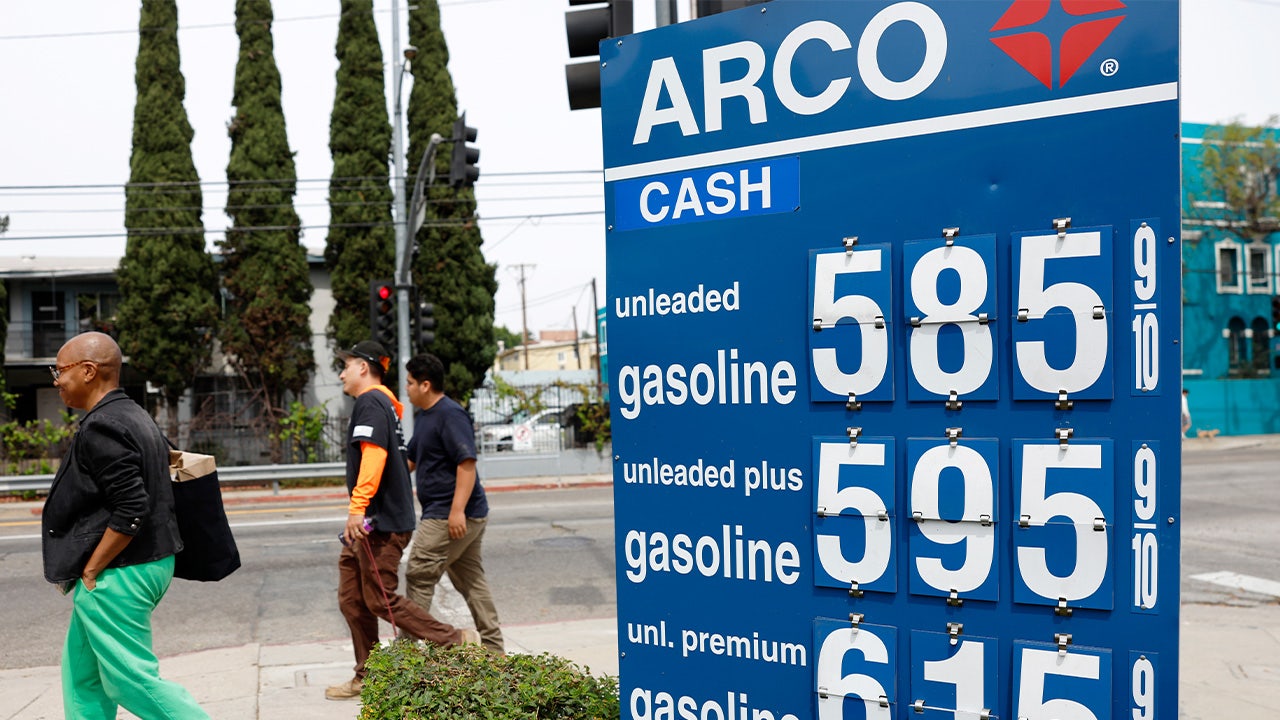
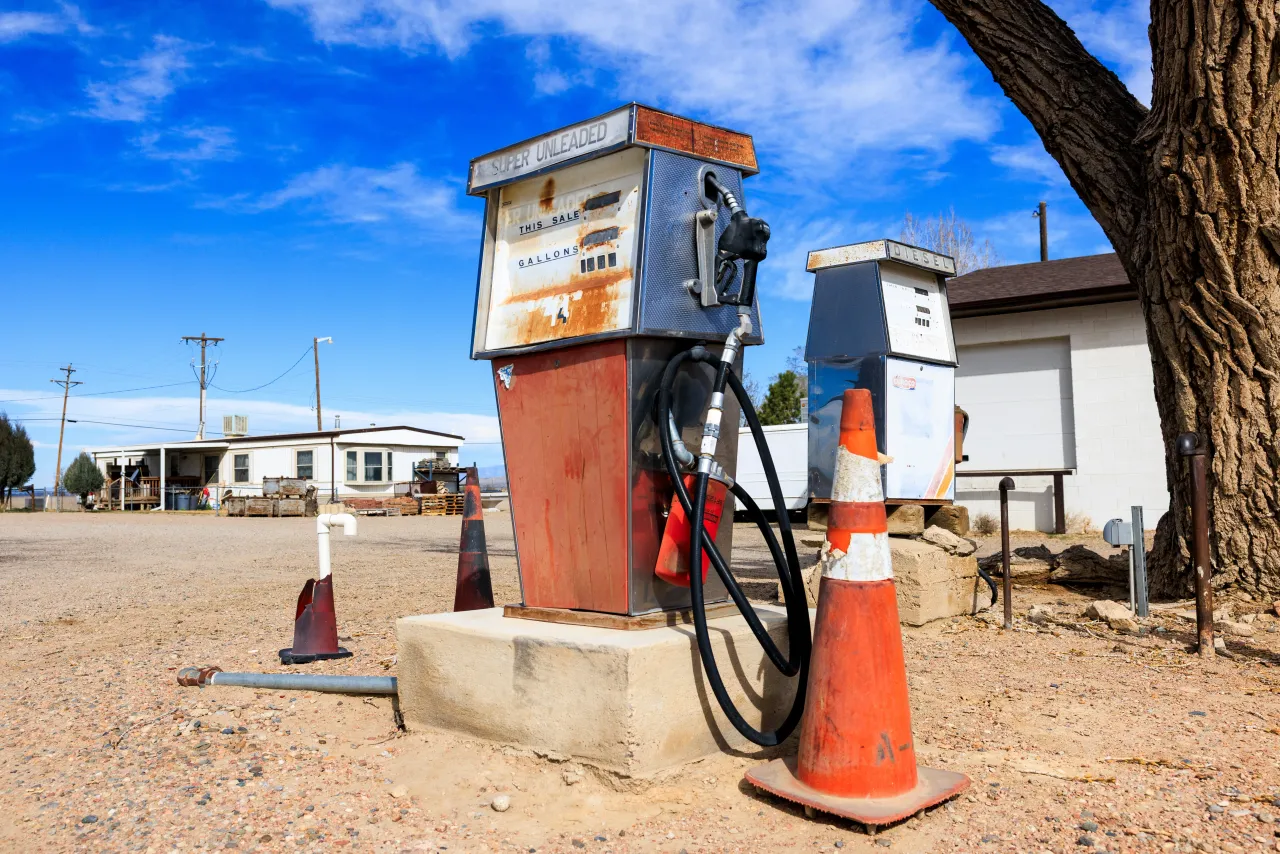
- Gas Price Surge: Since late February, U.S. gasoline prices have jumped by approximately $1.1, with the national average surpassing $4.018 per gallon, reflecting the impact of Middle Eastern conflicts on global energy flows and likely putting pressure on consumer spending.
- Strong Crude Futures Performance: West Texas Intermediate crude futures have risen over 55% in March, positioning it for its best monthly performance since May 2020, indicating market sensitivity to future oil price fluctuations.
- Market Reaction Expectations: Analysts anticipate that gasoline prices staying above $4 will be shorter than the 23 weeks seen during the 2022 Russia-Ukraine war, suggesting a potentially swift market response to the current conflict.
- Temporary Nature of High Prices: Vice President JD Vance referred to high gas prices as a “temporary blip,” indicating that the government is taking measures to ensure prices decrease, reflecting policymakers' focus on stabilizing the energy market.
See More
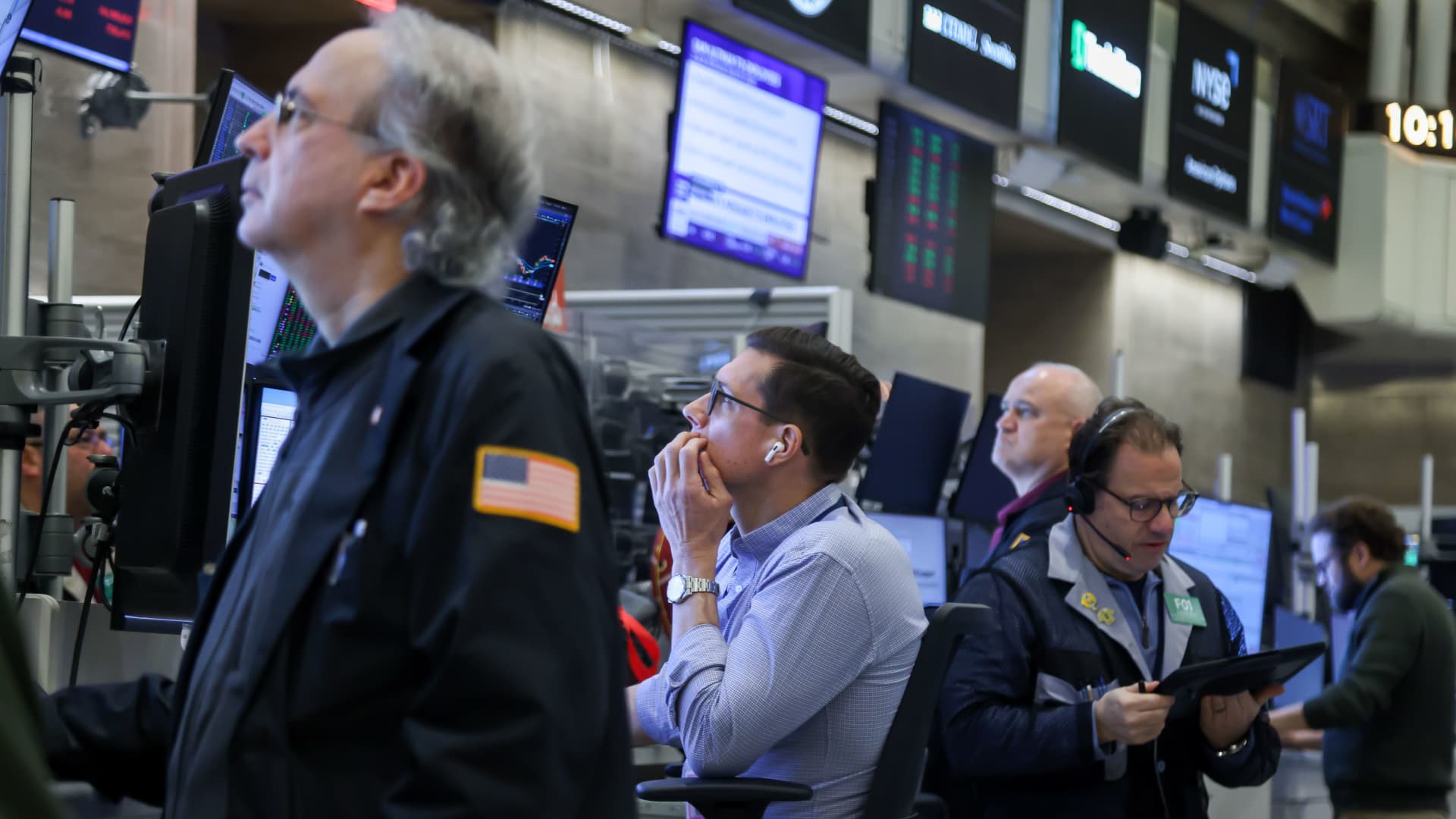
Buffett Teams Up with Curry for Charity Lunch Revival


- Surging Oil Prices Impact Markets: The average price of gasoline in the U.S. has surpassed $4 per gallon for the first time since 2022, leading Wall Street to face its worst monthly and quarterly losses since 2022, prompting investors to consider the potential impact of oil prices on the stock market.
- Fed's Stabilizing Signal: Federal Reserve Chair Jerome Powell reassured investors at Harvard University that rising oil prices would not necessitate interest rate hikes, resulting in a significant drop in market expectations for future rate increases, reflecting confidence in economic stability.
- Opendoor Acquires Doma: Opendoor is acquiring parts of Doma to lower real estate transaction costs, particularly as mortgage refinancing applications decline, demonstrating the real estate market's adaptability amid rising rates due to geopolitical tensions.
- Novo Nordisk Launches Long-Term Subscriptions: Novo Nordisk has introduced multi-month subscriptions for Wegovy in an effort to compete with Eli Lilly, offering more cost-effective options that could attract additional users and enhance market share in the GLP-1 segment.
See More
Chevron Positioned to Profit from Rising Oil Prices
- Oil Price Surge: Brent crude oil prices have soared past $100 a barrel, reaching their highest level since 2022, with further increases expected, benefiting energy stocks like Chevron, which is well-positioned to capitalize on high oil prices.
- Cash Flow Growth: Chevron anticipates generating $10 billion in incremental free cash flow in 2023, assuming an average oil price of $70 per barrel, while the Hess merger will contribute an additional $2.5 billion, totaling $12.5 billion in cash flow that will significantly enhance the company's financial health.
- Increased Shareholder Returns: Last year, Chevron returned a record $27 billion to shareholders through dividends and stock buybacks, and it is expected to continue raising dividends this year while repurchasing shares within its $10 billion to $20 billion target range, further enhancing shareholder value.
- Market Advantage: Chevron's massive global scale and low-cost resources allow it to reap substantial benefits from rising energy prices, with every $1 change in oil prices impacting its annual earnings and cash flow by $600 million, demonstrating its strong resilience against future market fluctuations.
See More
Chevron's Acquisition of Hess Boosts Cash Flow Significantly
- Impact of Hess Acquisition: Chevron's completion of the Hess acquisition in 2025 is expected to add $2.5 billion annually to its cash flow, further solidifying its market position in a high oil price environment.
- Free Cash Flow Expectations: The company anticipates generating $10 billion in incremental free cash flow in 2026, assuming Brent oil averages $70 per barrel, which will significantly enhance its financial health.
- Earnings Sensitivity to Oil Prices: A $1 change in Brent oil prices will increase Chevron's annual earnings and cash flow by $600 million, while a $1 change in LNG prices will add $150 million, demonstrating its high sensitivity to energy price fluctuations.
- Shareholder Return Strategy: Chevron returned a record $27 billion to shareholders last year through dividends and stock buybacks, and it is expected to continue repurchasing shares within its $10 billion to $20 billion annual target range, further boosting shareholder confidence.
See More
ALB ETF Sees 40% Decline in Units
- Significant Outflow: The Leverage Shares 2X Long ALB Daily ETF experienced an outflow of 40,000 units this week, resulting in a 40% decline in outstanding units compared to the previous week, indicating a substantial loss of investor confidence that could negatively impact its market performance.
- Negative Market Reaction: This large outflow may trigger further selling pressure on the ETF, prompting investors to reassess their portfolios, which could lead to a decrease in overall liquidity and affect the price stability of related assets.
- Shift in Investor Sentiment: The outflow suggests a cautious outlook among investors regarding the aluminum sector, likely driven by concerns over aluminum price volatility, which could impact the earnings expectations and stock performance of related companies.
- Pressure on ETF Performance: As the number of outflow units increases, the management fees and operational costs of the ETF may rise, further compressing its yield and potentially leading to more investors opting to withdraw, creating a vicious cycle.
See More
Chevron Appoints New Chief Safety Officer
- Executive Appointment: Chevron has announced the appointment of Daniel Woodall as Chief Health, Safety and Environment Officer, effective May 1, 2026, as part of its strategy to enhance operational performance and safety management.
- Background Context: Woodall currently serves as the Director of Operations and Maintenance for Chevron Australia, succeeding the current Chief HSE Officer Marissa Badenhorst, who will transition to oversee operations at the Pascagoula and Pasadena refineries, focusing on safety performance and workforce engagement.
- Market Reaction: In pre-market trading, Chevron's stock is priced at $210.50, down 0.11%, indicating a cautious market response to the executive changes, which may affect investor confidence.
- Strategic Implications: This executive transition not only underscores the company's commitment to safety and operational efficiency but also reflects Chevron's dedication to enhancing management expertise in response to industry challenges, ensuring long-term sustainable growth.
See More
U.S. Gasoline Prices Surge Past $4 Amid Middle East Conflict
- Gas Price Surge: Since late February, U.S. gasoline prices have jumped by approximately $1.1, with the national average surpassing $4.018 per gallon, reflecting the impact of Middle Eastern conflicts on global energy flows and likely putting pressure on consumer spending.
- Strong Crude Futures Performance: West Texas Intermediate crude futures have risen over 55% in March, positioning it for its best monthly performance since May 2020, indicating market sensitivity to future oil price fluctuations.
- Market Reaction Expectations: Analysts anticipate that gasoline prices staying above $4 will be shorter than the 23 weeks seen during the 2022 Russia-Ukraine war, suggesting a potentially swift market response to the current conflict.
- Temporary Nature of High Prices: Vice President JD Vance referred to high gas prices as a “temporary blip,” indicating that the government is taking measures to ensure prices decrease, reflecting policymakers' focus on stabilizing the energy market.
See More
Buffett Teams Up with Curry for Charity Lunch Revival
- Surging Oil Prices Impact Markets: The average price of gasoline in the U.S. has surpassed $4 per gallon for the first time since 2022, leading Wall Street to face its worst monthly and quarterly losses since 2022, prompting investors to consider the potential impact of oil prices on the stock market.
- Fed's Stabilizing Signal: Federal Reserve Chair Jerome Powell reassured investors at Harvard University that rising oil prices would not necessitate interest rate hikes, resulting in a significant drop in market expectations for future rate increases, reflecting confidence in economic stability.
- Opendoor Acquires Doma: Opendoor is acquiring parts of Doma to lower real estate transaction costs, particularly as mortgage refinancing applications decline, demonstrating the real estate market's adaptability amid rising rates due to geopolitical tensions.
- Novo Nordisk Launches Long-Term Subscriptions: Novo Nordisk has introduced multi-month subscriptions for Wegovy in an effort to compete with Eli Lilly, offering more cost-effective options that could attract additional users and enhance market share in the GLP-1 segment.
See More