Microsoft Executive Rajesh Jha to Retire After 35 Years
- Executive Departure Impact: Microsoft announced that Rajesh Jha will retire in July after 35 years, a change that could significantly impact the company's competitive stance against generative AI developers.
- Leadership Restructuring: Jha's departure will lead to four executives reporting directly to CEO Satya Nadella, including LinkedIn CEO Ryan Roslansky and Surface head Pavan Davuluri, aiming to maintain momentum in Copilot and cybersecurity initiatives.
- Financial Performance: Microsoft's Microsoft 365 commercial cloud revenue increased by 17% in the December quarter, accounting for over 30% of total sales, indicating strong performance under Jha's leadership.
- New Product Launch: Microsoft plans to release a $99 per month Microsoft 365 E7 subscription that includes Copilot features, further enhancing its competitive edge in cloud services.
Trade with 70% Backtested Accuracy
Analyst Views on MSFT

About MSFT
About the author


Microsoft to Ship Next-Gen Xbox Prototypes in 2027

- Next-Gen Xbox Prototypes: Microsoft plans to send prototypes of its next-generation Xbox console to game developers in 2027, aiming to close the gap with Nintendo and Sony, indicating the company's ongoing commitment to the gaming market.
- Custom Chip Benefits: The new hardware will feature a custom chip from AMD, delivering a significant leap in ray tracing performance while integrating intelligence directly into the graphics and compute pipeline, resulting in major gains in efficiency, scale, and visual ambition, enhancing player immersion.
- Leadership Change: This announcement comes weeks after longtime gaming head Phil Spencer announced his retirement, with AI executive Asha Sharma taking over, signaling a renewed strategic commitment to Xbox and reshaping the future of console gaming.
- Market Performance Challenges: Since the launch of the flagship Xbox Series X and the more affordable Series S in 2020, Xbox consoles have consistently undersold alternatives from Nintendo and Sony, reflecting the challenges Microsoft faces in a highly competitive gaming market.

Microsoft's Steady Performance in the AI Market

- Market Share and Investment: Microsoft owns 27% of OpenAI and integrates its generative AI tools with cloud services; despite only a 6% stock increase over the past year, its position in the AI market remains strong, expected to be a safe investment through 2026.
- Cloud Service Expansion: By transforming Azure into the world's second-largest cloud infrastructure platform, Microsoft has successfully reduced reliance on local software, establishing a solid foundation for launching more AI services and enhancing its market competitiveness.
- Revenue Growth Expectations: Analysts forecast that from fiscal 2025 to 2028, Microsoft's revenue and EPS will grow at CAGRs of 16% and 18%, respectively, driven primarily by the widespread adoption of Copilot and the monetization of new AI features.
- Infrastructure Investment: Microsoft plans to invest tens of billions annually to upgrade its AI infrastructure, including new data centers and custom AI chips; while this may raise investor concerns, its stable high-margin software and cloud businesses will effectively offset these pressures.

Microsoft's Long-Term Potential in Cloud and AI Markets
- Stock Performance: Microsoft (NASDAQ: MSFT) has only risen about 6% over the past year, yet its scale and diversification in the cloud and AI sectors position it as a safe long-term investment, particularly looking towards 2026 and beyond.
- Cloud Service Expansion: By transforming Azure into the world's second-largest cloud infrastructure platform, Microsoft has successfully reduced its reliance on locally installed desktop software, laying a solid foundation for the rollout of additional AI services, with revenue and EPS expected to grow at CAGRs of 16% and 18% respectively by 2028.
- AI Infrastructure Investment: Microsoft plans to invest tens of billions annually to upgrade its AI infrastructure, including new data centers, GPUs, and custom AI chips; while this increased spending has rattled some investors, the stable growth of its higher-margin software and cloud businesses can effectively offset this pressure.
- Market Competition Analysis: Although Microsoft's stock has not garnered the same attention as higher-growth AI stocks like Nvidia, it remains reasonably valued at 21 times next year's earnings, making it one of the safest ways to gain exposure to the expanding AI market.

Optimistic Outlook for Cybersecurity Market Amid Rising Threats


- Surge in Cyber Attacks: CrowdStrike CEO George Kurtz highlighted an extraordinary rise in global cyber terrorism, particularly targeting companies linked to the Iran conflict, compelling businesses to increase security budgets to counter escalating threats.
- Impact of Stryker Incident: Michigan-based medtech company Stryker recently faced a cyberattack linked to Iran, disrupting its daily operations and causing a 3.6% drop in stock price on Wednesday, illustrating the direct impact of cybersecurity incidents on corporate operations and market confidence.
- AI Development Boosts Security Sector: The widespread adoption of artificial intelligence presents new growth opportunities for the cybersecurity industry, as AI tools enhance workflow efficiency but also introduce potential vulnerabilities, with hackers leveraging AI capabilities to become more dangerous, thereby increasing demand for cybersecurity solutions.
- CrowdStrike Stock Recovery: Following a brutal sell-off in mid-February, CrowdStrike's stock has rebounded to approximately $442, although still below its 2026 closing high of nearly $477, reflecting market recognition of its strong earnings report and optimistic growth outlook.

Microsoft Executive Rajesh Jha to Retire After 35 Years
- Executive Departure Impact: Microsoft announced that Rajesh Jha will retire in July after 35 years, a change that could significantly impact the company's competitive stance against generative AI developers.
- Leadership Restructuring: Jha's departure will lead to four executives reporting directly to CEO Satya Nadella, including LinkedIn CEO Ryan Roslansky and Surface head Pavan Davuluri, aiming to maintain momentum in Copilot and cybersecurity initiatives.
- Financial Performance: Microsoft's Microsoft 365 commercial cloud revenue increased by 17% in the December quarter, accounting for over 30% of total sales, indicating strong performance under Jha's leadership.
- New Product Launch: Microsoft plans to release a $99 per month Microsoft 365 E7 subscription that includes Copilot features, further enhancing its competitive edge in cloud services.
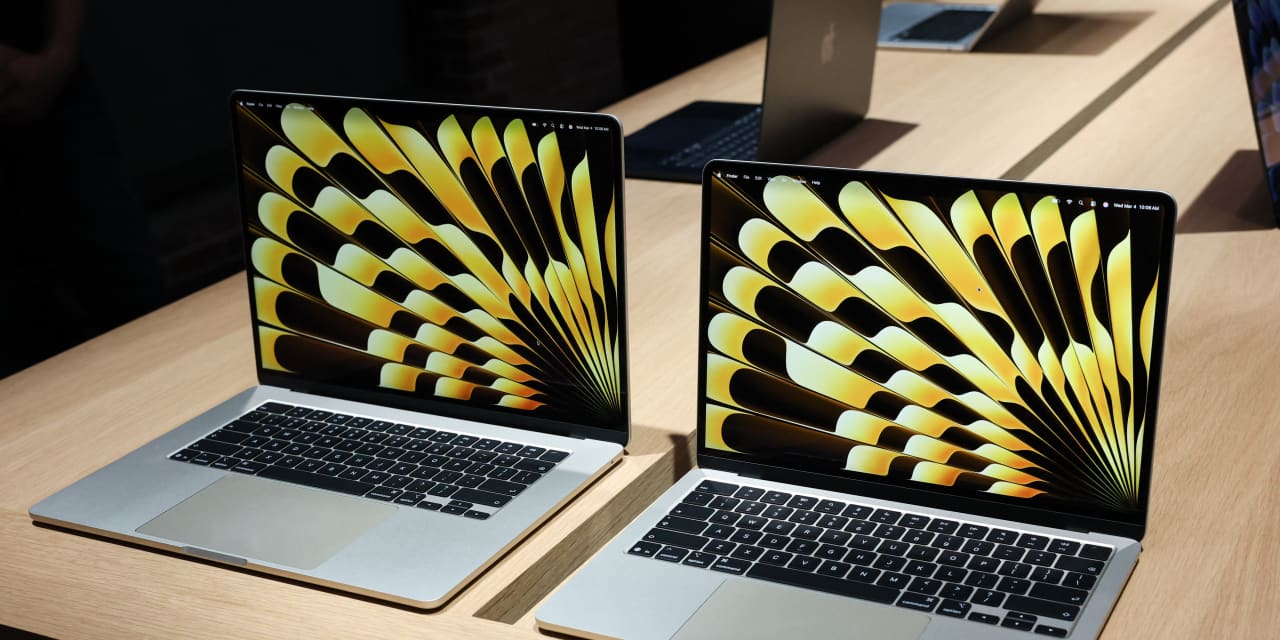
Big Tech May Be Less Vocal, But Its Influence Remains Strong. Size Still Counts.

Current State of Big Tech: Despite recent challenges and downturns, Big Tech companies are still considered resilient and capable of recovery.
Market Sentiment: Investor confidence may be wavering, but the long-term potential of these companies remains strong, suggesting they should not be underestimated.
Innovation and Adaptation: Big Tech firms continue to innovate and adapt to changing market conditions, which could lead to future growth opportunities.
Economic Impact: The performance of Big Tech has significant implications for the broader economy, influencing job creation and technological advancement.
Microsoft to Ship Next-Gen Xbox Prototypes in 2027
- Next-Gen Xbox Prototypes: Microsoft plans to send prototypes of its next-generation Xbox console to game developers in 2027, aiming to close the gap with Nintendo and Sony, indicating the company's ongoing commitment to the gaming market.
- Custom Chip Benefits: The new hardware will feature a custom chip from AMD, delivering a significant leap in ray tracing performance while integrating intelligence directly into the graphics and compute pipeline, resulting in major gains in efficiency, scale, and visual ambition, enhancing player immersion.
- Leadership Change: This announcement comes weeks after longtime gaming head Phil Spencer announced his retirement, with AI executive Asha Sharma taking over, signaling a renewed strategic commitment to Xbox and reshaping the future of console gaming.
- Market Performance Challenges: Since the launch of the flagship Xbox Series X and the more affordable Series S in 2020, Xbox consoles have consistently undersold alternatives from Nintendo and Sony, reflecting the challenges Microsoft faces in a highly competitive gaming market.
Microsoft's Steady Performance in the AI Market
- Market Share and Investment: Microsoft owns 27% of OpenAI and integrates its generative AI tools with cloud services; despite only a 6% stock increase over the past year, its position in the AI market remains strong, expected to be a safe investment through 2026.
- Cloud Service Expansion: By transforming Azure into the world's second-largest cloud infrastructure platform, Microsoft has successfully reduced reliance on local software, establishing a solid foundation for launching more AI services and enhancing its market competitiveness.
- Revenue Growth Expectations: Analysts forecast that from fiscal 2025 to 2028, Microsoft's revenue and EPS will grow at CAGRs of 16% and 18%, respectively, driven primarily by the widespread adoption of Copilot and the monetization of new AI features.
- Infrastructure Investment: Microsoft plans to invest tens of billions annually to upgrade its AI infrastructure, including new data centers and custom AI chips; while this may raise investor concerns, its stable high-margin software and cloud businesses will effectively offset these pressures.
Microsoft's Long-Term Potential in Cloud and AI Markets
- Stock Performance: Microsoft (NASDAQ: MSFT) has only risen about 6% over the past year, yet its scale and diversification in the cloud and AI sectors position it as a safe long-term investment, particularly looking towards 2026 and beyond.
- Cloud Service Expansion: By transforming Azure into the world's second-largest cloud infrastructure platform, Microsoft has successfully reduced its reliance on locally installed desktop software, laying a solid foundation for the rollout of additional AI services, with revenue and EPS expected to grow at CAGRs of 16% and 18% respectively by 2028.
- AI Infrastructure Investment: Microsoft plans to invest tens of billions annually to upgrade its AI infrastructure, including new data centers, GPUs, and custom AI chips; while this increased spending has rattled some investors, the stable growth of its higher-margin software and cloud businesses can effectively offset this pressure.
- Market Competition Analysis: Although Microsoft's stock has not garnered the same attention as higher-growth AI stocks like Nvidia, it remains reasonably valued at 21 times next year's earnings, making it one of the safest ways to gain exposure to the expanding AI market.
Optimistic Outlook for Cybersecurity Market Amid Rising Threats
- Surge in Cyber Attacks: CrowdStrike CEO George Kurtz highlighted an extraordinary rise in global cyber terrorism, particularly targeting companies linked to the Iran conflict, compelling businesses to increase security budgets to counter escalating threats.
- Impact of Stryker Incident: Michigan-based medtech company Stryker recently faced a cyberattack linked to Iran, disrupting its daily operations and causing a 3.6% drop in stock price on Wednesday, illustrating the direct impact of cybersecurity incidents on corporate operations and market confidence.
- AI Development Boosts Security Sector: The widespread adoption of artificial intelligence presents new growth opportunities for the cybersecurity industry, as AI tools enhance workflow efficiency but also introduce potential vulnerabilities, with hackers leveraging AI capabilities to become more dangerous, thereby increasing demand for cybersecurity solutions.
- CrowdStrike Stock Recovery: Following a brutal sell-off in mid-February, CrowdStrike's stock has rebounded to approximately $442, although still below its 2026 closing high of nearly $477, reflecting market recognition of its strong earnings report and optimistic growth outlook.
Microsoft Executive Rajesh Jha to Retire After 35 Years
- Executive Departure Impact: Microsoft announced that Rajesh Jha will retire in July after 35 years, a change that could significantly impact the company's competitive stance against generative AI developers.
- Leadership Restructuring: Jha's departure will lead to four executives reporting directly to CEO Satya Nadella, including LinkedIn CEO Ryan Roslansky and Surface head Pavan Davuluri, aiming to maintain momentum in Copilot and cybersecurity initiatives.
- Financial Performance: Microsoft's Microsoft 365 commercial cloud revenue increased by 17% in the December quarter, accounting for over 30% of total sales, indicating strong performance under Jha's leadership.
- New Product Launch: Microsoft plans to release a $99 per month Microsoft 365 E7 subscription that includes Copilot features, further enhancing its competitive edge in cloud services.
Big Tech May Be Less Vocal, But Its Influence Remains Strong. Size Still Counts.
Current State of Big Tech: Despite recent challenges and downturns, Big Tech companies are still considered resilient and capable of recovery.
Market Sentiment: Investor confidence may be wavering, but the long-term potential of these companies remains strong, suggesting they should not be underestimated.
Innovation and Adaptation: Big Tech firms continue to innovate and adapt to changing market conditions, which could lead to future growth opportunities.
Economic Impact: The performance of Big Tech has significant implications for the broader economy, influencing job creation and technological advancement.