Analysis of Bitcoin Investment Strategies
Written by Emily J. Thompson, Senior Investment Analyst
Updated: Apr 11 2026
0mins
Source: NASDAQ.COM
- Market Performance Decline: As of 2026, Bitcoin is down 17% year-to-date, while broader crypto market indices like the CoinMarketCap 20 Index have fallen 23%, indicating overall market weakness and necessitating cautious risk assessment by investors.
- Popularity of Single-Crypto ETFs: Despite multi-crypto ETFs failing to outperform single Bitcoin ETFs, the latter has attracted over $100 billion in investments, reflecting ongoing market confidence in Bitcoin but also highlighting concentration risk in investment strategies.
- Diversification Challenges: For instance, the Bitwise 10 Crypto Index ETF, which holds 10 different cryptocurrencies, is down 22% in 2026, nearly matching Bitcoin's performance, suggesting that diversification has not effectively mitigated downside risk.
- Bitcoin's Dominance: Bitcoin accounts for 60% of the total crypto market cap, meaning that even in diversified portfolios, a significant portion of assets remains in Bitcoin, prompting investors to consider its impact on overall portfolio performance.
Trade with 70% Backtested Accuracy
Stop guessing "Should I Buy COIN?" and start using high-conviction signals backed by rigorous historical data.
Sign up today to access powerful investing tools and make smarter, data-driven decisions.
Analyst Views on COIN
Wall Street analysts forecast COIN stock price to rise
25 Analyst Rating
17 Buy
7 Hold
1 Sell
Moderate Buy
Current: 191.290

Low
230.00
Averages
361.63
High
440.00
Current: 191.290
Low
230.00
Averages
361.63
High
440.00
About COIN
Coinbase Global, Inc. is a holding company of Coinbase, Inc. and other subsidiaries. The Company provides a platform that serves as a compliant on-ramp to the onchain economy and enables users to engage in a variety of activities with their crypto assets in both proprietary and third-party product experiences enabled by access to decentralized applications. It offers consumers their primary financial account for the onchain economy; institutions a full-service prime brokerage platform with access to deep pools of liquidity across the crypto marketplace, and developers a suite of products granting access to build onchain. The Company offers products and services to various customer groups: consumers, businesses, institutions, and developers. Its transaction products consist of consumer trading, prime trading, markets, base protocol and Coinbase wallet. The Company also provides market infrastructure in the form of exchanges for customers to trade spots and derivatives.
About the author

Emily J. Thompson
Emily J. Thompson, a Chartered Financial Analyst (CFA) with 12 years in investment research, graduated with honors from the Wharton School. Specializing in industrial and technology stocks, she provides in-depth analysis for Intellectia’s earnings and market brief reports.

Coinbase Gains Favorable Regulatory Momentum, Stock Prices Rise

- Regulatory Shift: As regulators gradually warm up to the cryptocurrency industry, Coinbase is positioned to benefit from a more favorable market environment, potentially enhancing its business growth and market share.
- Stock Price Recovery: As of the afternoon of May 16, 2026, Coinbase's stock price has shown signs of recovery, reflecting investor optimism regarding future regulatory policies, thereby boosting market confidence.
- Optimistic Industry Outlook: Positive regulatory changes may attract more investors into the cryptocurrency market, further driving user growth and trading volume for Coinbase, enhancing its competitive position in the industry.
- Strategic Adjustment Opportunities: Coinbase can leverage the current regulatory advantages to optimize its business strategy and strengthen compliance, thereby securing a more advantageous position in future market competition.
See More

Tokenization Set to Transform Financial Asset Markets

- Market Potential of Tokenization: Michael Saylor stated on CNBC that tokenization creates a free market for credit formation and yield for asset owners, breaking the traditional finance system's control by banks over financing terms, allowing asset owners to flexibly choose the best credit conditions and highest yields.
- Challenge to Traditional Finance: Saylor emphasized that in the traditional finance system, banks dictate customers' financing terms, limiting choices, while tokenization promotes the liberalization of capital markets by increasing liquidity and volatility of capital assets, posing a direct challenge to traditional banking and brokerage businesses.
- Anticipation of Legal Framework: As the Clarity Act progresses through Congress, the potential establishment of a legal framework for fully on-chain real-world assets is expected to further legitimize tokenized securities, facilitating their integration into mainstream finance.
- Active Market Participation: Platforms like Coinbase, Robinhood, and Gemini are already offering tokenized stock trading to select customers, indicating a growing demand for tokenized financial products and signaling a transformative shift in future financial markets.
See More

Mode Mobile: Revolutionizing Smartphone Usage Value


- Innovative Business Model: Mode Mobile transforms users' smartphone usage time into cash rewards through its EarnOS software and EarnPhones platform, allowing users to earn points from daily activities like gaming, music listening, and video watching, showcasing its unique value proposition in consumer tech.
- Diverse Revenue Streams: The company generates income not only from advertising based on user attention and engagement but also through direct-to-consumer device sales, OEM partnerships, and embedded financial services, enhancing its competitive position in the market.
- Strategic Acquisition Moves: By acquiring the popular anonymous social app NGL, which is heavily used by Gen Z, Mode Mobile rapidly expanded its user base and increased the appeal of its EarnOS platform, demonstrating strategic foresight in building a comprehensive ecosystem.
- Investment Opportunities and Risks: Although Mode Mobile remains a private company, its Regulation A offering allows all investors to participate with a minimum investment of around $2,000; however, investing in such startups carries risks like illiquidity and market volatility, necessitating careful evaluation by potential investors.
See More

Michael Saylor: Tokenization Will Reshape Financial Markets

- Potential of Tokenization: Michael Saylor highlighted that the tokenization of financial assets could transform how credit and yield are priced, posing a direct challenge to traditional banking and brokerage businesses by fostering a free market for capital formation.
- Limitations of Traditional Finance: He emphasized that in the traditional finance system, banks dictate financing terms, leaving customers with no options for credit and yield, whereas tokenization offers asset owners increased liquidity and volatility.
- Impact of Market Structure Bill: As the Clarity Act progresses through Congress, it is expected to provide a legal framework for tokenizing real-world assets, which could further mainstream tokenized securities and alter how investors trade.
- Regulatory Expectations: Investors are looking forward to guidance from the Securities and Exchange Commission on tokenized stocks, potentially allowing blockchain-based stock trading to occur alongside traditional markets, thereby broadening access for retail investors.
See More

Crypto Firms' Earnings Highlight Urgency for Revenue Diversification

- Urgency for Revenue Diversification: Coinbase and Robinhood's Q1 earnings revealed a 47% drop in crypto trading revenue and missed expectations, prompting both companies to accelerate their expansion into financial services to ensure steady revenue amidst market volatility.
- Shift in User Activity: Robinhood's user engagement has shifted towards event contracts, driving a 320% year-over-year growth in this segment, generating $147 million in revenue, which highlights the potential of non-trading products during market downturns.
- Diversified Trading Strategy: Despite missing overall expectations, Coinbase reported a 169% increase in crypto derivatives, indicating the company's strategy to mitigate risks associated with market volatility by expanding trading options.
- Acquisition Expansion Plans: Bullish announced a $4.2 billion acquisition of global transfer agent Equiniti, marking one of the largest M&A deals in crypto history, aiming to position itself as a capital markets infrastructure provider rather than just a crypto exchange.
See More
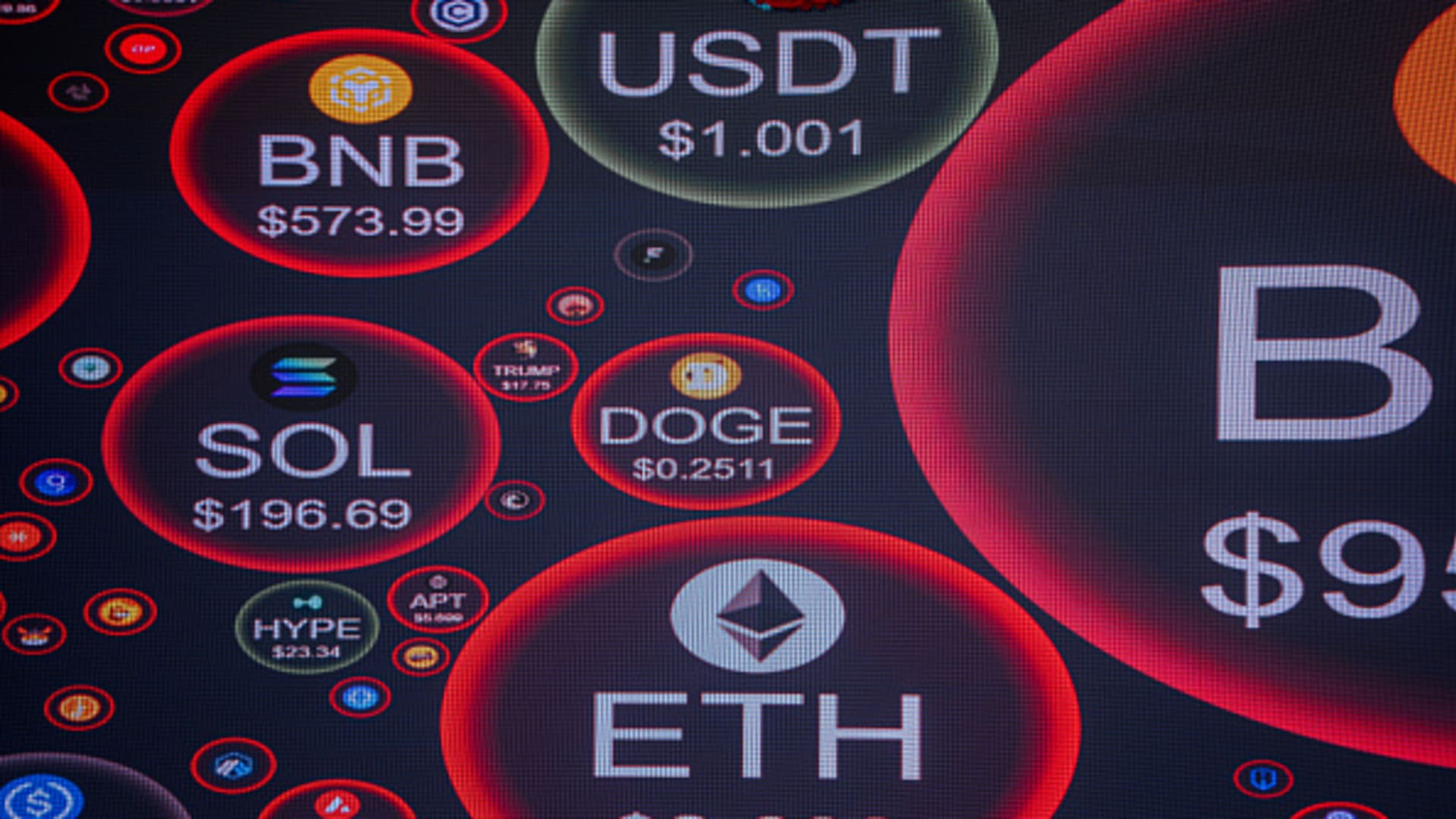
Crypto Firms Navigate Market Volatility Challenges
- Trading Revenue Decline: Robinhood reported a 47% collapse in crypto trading revenue, reflecting weakened demand for risk assets and a cooling of overall trading activity, which adversely impacted the company's financial performance.
- Diversification Strategy Progress: Coinbase made strides in diversifying its offerings, with revenues from event contracts and crypto derivatives increasing by 320% and 169% respectively, aiming to reduce reliance on single crypto trading and enhance market adaptability.
- Revenue Stability Enhancement: Gemini expanded into predictions, derivatives, and upcoming stock offerings, reporting a 292% year-over-year increase in consumer credit card revenue, aiming for stable revenue growth to mitigate the impact of crypto price volatility.
- Acquisition Plan Boosts Growth: Bullish announced a $4.2 billion acquisition of global transfer agent Equiniti, marking its transformation into a capital markets infrastructure company; despite missing earnings expectations, the acquisition news drove stock price increases.
See More
Coinbase Gains Favorable Regulatory Momentum, Stock Prices Rise
- Regulatory Shift: As regulators gradually warm up to the cryptocurrency industry, Coinbase is positioned to benefit from a more favorable market environment, potentially enhancing its business growth and market share.
- Stock Price Recovery: As of the afternoon of May 16, 2026, Coinbase's stock price has shown signs of recovery, reflecting investor optimism regarding future regulatory policies, thereby boosting market confidence.
- Optimistic Industry Outlook: Positive regulatory changes may attract more investors into the cryptocurrency market, further driving user growth and trading volume for Coinbase, enhancing its competitive position in the industry.
- Strategic Adjustment Opportunities: Coinbase can leverage the current regulatory advantages to optimize its business strategy and strengthen compliance, thereby securing a more advantageous position in future market competition.
See More
Tokenization Set to Transform Financial Asset Markets
- Market Potential of Tokenization: Michael Saylor stated on CNBC that tokenization creates a free market for credit formation and yield for asset owners, breaking the traditional finance system's control by banks over financing terms, allowing asset owners to flexibly choose the best credit conditions and highest yields.
- Challenge to Traditional Finance: Saylor emphasized that in the traditional finance system, banks dictate customers' financing terms, limiting choices, while tokenization promotes the liberalization of capital markets by increasing liquidity and volatility of capital assets, posing a direct challenge to traditional banking and brokerage businesses.
- Anticipation of Legal Framework: As the Clarity Act progresses through Congress, the potential establishment of a legal framework for fully on-chain real-world assets is expected to further legitimize tokenized securities, facilitating their integration into mainstream finance.
- Active Market Participation: Platforms like Coinbase, Robinhood, and Gemini are already offering tokenized stock trading to select customers, indicating a growing demand for tokenized financial products and signaling a transformative shift in future financial markets.
See More
Mode Mobile: Revolutionizing Smartphone Usage Value
- Innovative Business Model: Mode Mobile transforms users' smartphone usage time into cash rewards through its EarnOS software and EarnPhones platform, allowing users to earn points from daily activities like gaming, music listening, and video watching, showcasing its unique value proposition in consumer tech.
- Diverse Revenue Streams: The company generates income not only from advertising based on user attention and engagement but also through direct-to-consumer device sales, OEM partnerships, and embedded financial services, enhancing its competitive position in the market.
- Strategic Acquisition Moves: By acquiring the popular anonymous social app NGL, which is heavily used by Gen Z, Mode Mobile rapidly expanded its user base and increased the appeal of its EarnOS platform, demonstrating strategic foresight in building a comprehensive ecosystem.
- Investment Opportunities and Risks: Although Mode Mobile remains a private company, its Regulation A offering allows all investors to participate with a minimum investment of around $2,000; however, investing in such startups carries risks like illiquidity and market volatility, necessitating careful evaluation by potential investors.
See More
Michael Saylor: Tokenization Will Reshape Financial Markets
- Potential of Tokenization: Michael Saylor highlighted that the tokenization of financial assets could transform how credit and yield are priced, posing a direct challenge to traditional banking and brokerage businesses by fostering a free market for capital formation.
- Limitations of Traditional Finance: He emphasized that in the traditional finance system, banks dictate financing terms, leaving customers with no options for credit and yield, whereas tokenization offers asset owners increased liquidity and volatility.
- Impact of Market Structure Bill: As the Clarity Act progresses through Congress, it is expected to provide a legal framework for tokenizing real-world assets, which could further mainstream tokenized securities and alter how investors trade.
- Regulatory Expectations: Investors are looking forward to guidance from the Securities and Exchange Commission on tokenized stocks, potentially allowing blockchain-based stock trading to occur alongside traditional markets, thereby broadening access for retail investors.
See More
Crypto Firms' Earnings Highlight Urgency for Revenue Diversification
- Urgency for Revenue Diversification: Coinbase and Robinhood's Q1 earnings revealed a 47% drop in crypto trading revenue and missed expectations, prompting both companies to accelerate their expansion into financial services to ensure steady revenue amidst market volatility.
- Shift in User Activity: Robinhood's user engagement has shifted towards event contracts, driving a 320% year-over-year growth in this segment, generating $147 million in revenue, which highlights the potential of non-trading products during market downturns.
- Diversified Trading Strategy: Despite missing overall expectations, Coinbase reported a 169% increase in crypto derivatives, indicating the company's strategy to mitigate risks associated with market volatility by expanding trading options.
- Acquisition Expansion Plans: Bullish announced a $4.2 billion acquisition of global transfer agent Equiniti, marking one of the largest M&A deals in crypto history, aiming to position itself as a capital markets infrastructure provider rather than just a crypto exchange.
See More
Crypto Firms Navigate Market Volatility Challenges
- Trading Revenue Decline: Robinhood reported a 47% collapse in crypto trading revenue, reflecting weakened demand for risk assets and a cooling of overall trading activity, which adversely impacted the company's financial performance.
- Diversification Strategy Progress: Coinbase made strides in diversifying its offerings, with revenues from event contracts and crypto derivatives increasing by 320% and 169% respectively, aiming to reduce reliance on single crypto trading and enhance market adaptability.
- Revenue Stability Enhancement: Gemini expanded into predictions, derivatives, and upcoming stock offerings, reporting a 292% year-over-year increase in consumer credit card revenue, aiming for stable revenue growth to mitigate the impact of crypto price volatility.
- Acquisition Plan Boosts Growth: Bullish announced a $4.2 billion acquisition of global transfer agent Equiniti, marking its transformation into a capital markets infrastructure company; despite missing earnings expectations, the acquisition news drove stock price increases.
See More