

Micron's Latest Advantage: The AI Memory Supercycle
Micron's Stock Performance: Micron Technology's stock has surged over 340% in the past year, significantly outperforming the broader market, indicating a strong upward momentum that investors are beginning to notice.
AI and Memory Demand: The demand for advanced high-speed memory, crucial for AI applications, has shifted the industry's focus, positioning Micron at the center of the AI hardware boom and highlighting the importance of high-bandwidth memory (HBM).
Financial Success: In its first fiscal quarter of 2026, Micron reported earnings per share of $4.78, exceeding analyst estimates, and is forecasting record revenue of $18.7 billion with a gross margin of approximately 68%, showcasing unprecedented profitability in the memory market.
Long-Term Strategy: Micron is investing around $20 billion for the 2026 fiscal year to expand its manufacturing capabilities, aiming to secure future growth and solidify its role as a foundational pillar in the AI economy, while also diversifying its geographic footprint.
Trade with 70% Backtested Accuracy
Analyst Views on MU

About MU
About the author


Micron Technology Reports Record Q3 Earnings Amid AI Demand Surge

- Record Earnings: Micron Technology reported a remarkable earnings per share of $24.67 for Q3 2026, with revenue soaring 346% year-over-year to $41.46 billion and net income reaching $28.24 billion, driven by robust demand for high-bandwidth memory used in AI accelerators.
- Strong Cash Flow: The company generated $25.4 billion in operating cash flow and $18.3 billion in adjusted free cash flow during the quarter, ending with approximately $30.2 billion in cash and investments, underscoring its strategic value in the AI era.
- Optimistic Outlook: Management guided for Q4 revenue of about $50 billion, representing a further 20% increase, reflecting strong demand for high-bandwidth memory and confidence in market conditions.
- Capital Allocation Strategy: Micron plans to return 100% of its excess cash to shareholders, with potential increases in dividends and stock buybacks, as management adopts a cautious approach to avoid over-investing during the peak of the memory cycle.
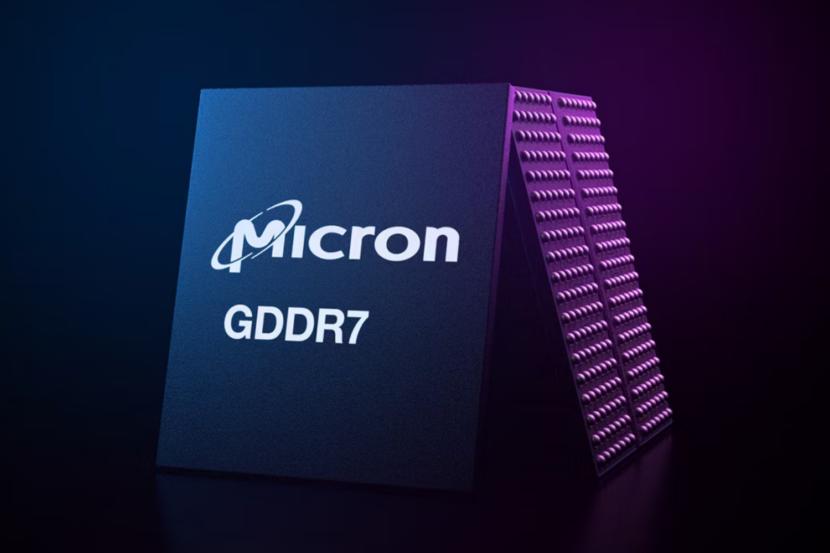
Micron Technology Expands Factory in Japan
- Massive Investment: Micron Technology has announced a $9.3 billion investment for the expansion of its factory in Higashihiroshima, Japan, aimed at boosting large-scale production of advanced memory chips, reflecting its ambitions in the global semiconductor market.
- Government Support: Japan's Ministry of Economy, Trade, and Industry will provide up to $3.3 billion in subsidies, enhancing Micron's investment appeal in Japan and ensuring its competitive edge in the rapidly growing AI market.
- Construction Timeline: The expansion will proceed in phases, with semiconductor manufacturing equipment installation expected to begin in the second half of 2028, providing Micron with flexibility to adapt to future technological innovations and market demands.
- Strategic Implications: This expansion will not only enable Micron to produce next-generation high-bandwidth memory chips required for AI processors but also promote the localization of Japan's semiconductor industry, ensuring a stable supply chain that aligns with the government's strategic goal of semiconductor self-sufficiency.
Market Warning: Potential Crash Risks


- Divergence in Market: JPMorgan analysts have highlighted a significant divergence between AI hardware stocks, like Micron (MU), which has surged nearly 250% year-to-date, and major AI investors like Amazon and Microsoft, which have posted negative returns in 2026, indicating potential market risks.
- Bear Market Warning Signals: Citi Research's Bear Market Checklist reveals 10 global warning flags, the highest since the 2008 crash, although below the 17.5 flags seen before the 2000 crash, suggesting unstable market sentiment.
- Valuation Concerns: The S&P 500 Shiller CAPE Ratio has reached its highest level since 2000, while the Buffett Indicator shows a record high of 233.8% for U.S. stock market capitalization to GDP, nearing Buffett's

Michael Burry Discloses Short Positions Against Tech Stocks

- Shorting Tech Stocks: Notable investor Michael Burry disclosed short positions against Nvidia, Tesla, and Micron on his Substack, reflecting concerns over the AI trade, particularly as these stocks reach historical valuation extremes.
- Micron's Impressive Earnings: Micron's fiscal Q3 revenue surged over fourfold year-over-year to $41.5 billion; however, Burry argues that its stock price remains above historical averages, suggesting that market optimism about its future profitability may be overly optimistic.
- Tesla Delivery Figures: Tesla delivered 480,126 vehicles in Q2, a 25% year-over-year increase, yet its stock trades at over 350 times earnings, indicating high market expectations for future profitability, which Burry questions.
- Nvidia's Strong Growth: Nvidia's fiscal Q1 revenue rose 85% year-over-year to $81.6 billion, yet its stock trades at a 30 times earnings multiple, leading Burry to suggest that such valuations may not be sustainable, especially if the market's enthusiasm for AI proves to be a bubble.

Michael Burry Bets Against AI Stocks Amid Valuation Concerns
- Short Position Disclosure: Renowned hedge fund manager Michael Burry revealed his short positions against Nvidia, Tesla, and Applied Materials this week, indicating strong skepticism towards AI-related stocks, particularly as their valuations reach historical highs.
- Micron Technology Risks: Burry highlighted that Micron's stock trades significantly above its 200-day moving average, with its fiscal Q3 revenue soaring over 400% year-over-year to $41.5 billion; however, he believes such high earnings levels are unsustainable and may face downside risks.
- Nvidia Valuation Defense: Despite Nvidia's fiscal Q1 revenue rising 85% year-over-year to $81.6 billion, with data center revenue climbing 92%, its stock trades at about 30 times earnings, leading Burry to question whether this high valuation can be maintained amid potential AI bubble concerns.
- Tesla Profitability Challenges: Tesla delivered 480,126 vehicles in Q2, up 25% year-over-year, yet its stock fell 7.5%, with Burry arguing that its high price-to-earnings ratio exceeding 350 times raises significant risks, especially if future profitability from robotaxi and software services is delayed.

Michael Burry Bets Against AI Stocks: Should Investors Be Concerned?

- Short Position Disclosure: Renowned investor Michael Burry revealed his short positions against Nvidia, Tesla, Applied Materials, Caterpillar, and the iShares Semiconductor ETF on his Substack, indicating a strong skepticism towards AI-related stocks that may prompt a market reassessment of these equities.
- Micron Technology Risks: Burry highlighted that Micron's stock trades significantly above its 200-day moving average, with revenue in fiscal Q3 2026 soaring over 400% year-over-year to $41.5 billion; however, he argues that such high earnings levels are unlikely to be sustainable, posing downside risks.
- Nvidia Valuation Controversy: Despite Nvidia's fiscal Q1 2026 revenue surging 85% year-over-year to $81.6 billion, with data center revenue climbing 92%, the stock trades at about 30 times earnings, leading Burry to question whether this high valuation can endure, especially amid concerns of an AI bubble.
- Tesla Profitability Pressure: Tesla delivered 480,126 vehicles in Q2, up 25% year-over-year, yet its stock fell 7.5% on the report day; Burry believes its 350 times earnings valuation is excessive, and future profit growth expectations may be overly optimistic, warranting caution from investors.
Micron Technology Reports Record Q3 Earnings Amid AI Demand Surge
- Record Earnings: Micron Technology reported a remarkable earnings per share of $24.67 for Q3 2026, with revenue soaring 346% year-over-year to $41.46 billion and net income reaching $28.24 billion, driven by robust demand for high-bandwidth memory used in AI accelerators.
- Strong Cash Flow: The company generated $25.4 billion in operating cash flow and $18.3 billion in adjusted free cash flow during the quarter, ending with approximately $30.2 billion in cash and investments, underscoring its strategic value in the AI era.
- Optimistic Outlook: Management guided for Q4 revenue of about $50 billion, representing a further 20% increase, reflecting strong demand for high-bandwidth memory and confidence in market conditions.
- Capital Allocation Strategy: Micron plans to return 100% of its excess cash to shareholders, with potential increases in dividends and stock buybacks, as management adopts a cautious approach to avoid over-investing during the peak of the memory cycle.
Micron Technology Expands Factory in Japan
- Massive Investment: Micron Technology has announced a $9.3 billion investment for the expansion of its factory in Higashihiroshima, Japan, aimed at boosting large-scale production of advanced memory chips, reflecting its ambitions in the global semiconductor market.
- Government Support: Japan's Ministry of Economy, Trade, and Industry will provide up to $3.3 billion in subsidies, enhancing Micron's investment appeal in Japan and ensuring its competitive edge in the rapidly growing AI market.
- Construction Timeline: The expansion will proceed in phases, with semiconductor manufacturing equipment installation expected to begin in the second half of 2028, providing Micron with flexibility to adapt to future technological innovations and market demands.
- Strategic Implications: This expansion will not only enable Micron to produce next-generation high-bandwidth memory chips required for AI processors but also promote the localization of Japan's semiconductor industry, ensuring a stable supply chain that aligns with the government's strategic goal of semiconductor self-sufficiency.
Market Warning: Potential Crash Risks
- Divergence in Market: JPMorgan analysts have highlighted a significant divergence between AI hardware stocks, like Micron (MU), which has surged nearly 250% year-to-date, and major AI investors like Amazon and Microsoft, which have posted negative returns in 2026, indicating potential market risks.
- Bear Market Warning Signals: Citi Research's Bear Market Checklist reveals 10 global warning flags, the highest since the 2008 crash, although below the 17.5 flags seen before the 2000 crash, suggesting unstable market sentiment.
- Valuation Concerns: The S&P 500 Shiller CAPE Ratio has reached its highest level since 2000, while the Buffett Indicator shows a record high of 233.8% for U.S. stock market capitalization to GDP, nearing Buffett's
Michael Burry Discloses Short Positions Against Tech Stocks
- Shorting Tech Stocks: Notable investor Michael Burry disclosed short positions against Nvidia, Tesla, and Micron on his Substack, reflecting concerns over the AI trade, particularly as these stocks reach historical valuation extremes.
- Micron's Impressive Earnings: Micron's fiscal Q3 revenue surged over fourfold year-over-year to $41.5 billion; however, Burry argues that its stock price remains above historical averages, suggesting that market optimism about its future profitability may be overly optimistic.
- Tesla Delivery Figures: Tesla delivered 480,126 vehicles in Q2, a 25% year-over-year increase, yet its stock trades at over 350 times earnings, indicating high market expectations for future profitability, which Burry questions.
- Nvidia's Strong Growth: Nvidia's fiscal Q1 revenue rose 85% year-over-year to $81.6 billion, yet its stock trades at a 30 times earnings multiple, leading Burry to suggest that such valuations may not be sustainable, especially if the market's enthusiasm for AI proves to be a bubble.
Michael Burry Bets Against AI Stocks Amid Valuation Concerns
- Short Position Disclosure: Renowned hedge fund manager Michael Burry revealed his short positions against Nvidia, Tesla, and Applied Materials this week, indicating strong skepticism towards AI-related stocks, particularly as their valuations reach historical highs.
- Micron Technology Risks: Burry highlighted that Micron's stock trades significantly above its 200-day moving average, with its fiscal Q3 revenue soaring over 400% year-over-year to $41.5 billion; however, he believes such high earnings levels are unsustainable and may face downside risks.
- Nvidia Valuation Defense: Despite Nvidia's fiscal Q1 revenue rising 85% year-over-year to $81.6 billion, with data center revenue climbing 92%, its stock trades at about 30 times earnings, leading Burry to question whether this high valuation can be maintained amid potential AI bubble concerns.
- Tesla Profitability Challenges: Tesla delivered 480,126 vehicles in Q2, up 25% year-over-year, yet its stock fell 7.5%, with Burry arguing that its high price-to-earnings ratio exceeding 350 times raises significant risks, especially if future profitability from robotaxi and software services is delayed.
Michael Burry Bets Against AI Stocks: Should Investors Be Concerned?
- Short Position Disclosure: Renowned investor Michael Burry revealed his short positions against Nvidia, Tesla, Applied Materials, Caterpillar, and the iShares Semiconductor ETF on his Substack, indicating a strong skepticism towards AI-related stocks that may prompt a market reassessment of these equities.
- Micron Technology Risks: Burry highlighted that Micron's stock trades significantly above its 200-day moving average, with revenue in fiscal Q3 2026 soaring over 400% year-over-year to $41.5 billion; however, he argues that such high earnings levels are unlikely to be sustainable, posing downside risks.
- Nvidia Valuation Controversy: Despite Nvidia's fiscal Q1 2026 revenue surging 85% year-over-year to $81.6 billion, with data center revenue climbing 92%, the stock trades at about 30 times earnings, leading Burry to question whether this high valuation can endure, especially amid concerns of an AI bubble.
- Tesla Profitability Pressure: Tesla delivered 480,126 vehicles in Q2, up 25% year-over-year, yet its stock fell 7.5% on the report day; Burry believes its 350 times earnings valuation is excessive, and future profit growth expectations may be overly optimistic, warranting caution from investors.




