

Meta Platforms Considers 2026 Stock Split as Shares Surge 443%
Written by Emily J. Thompson, Senior Investment Analyst
Updated: Dec 28 2025
0mins


Source: NASDAQ.COM
- Stock Price Surge: Meta's shares have soared 443% over the past three years, closing at $661.50 on December 22, reflecting strong market performance and investor confidence.
- Potential Stock Split: Meta is considering a stock split in 2026, which could enhance liquidity and broaden investor participation, although splits do not alter the company's fundamentals.
- Advertising Business Growth: With nearly 3.5 billion daily active users, Meta's digital advertising business is robust, and management projects capital expenditures of $66 billion to $72 billion for fiscal 2025, primarily for AI infrastructure expansion.
- Investment Return Potential: According to Bank of America, companies that split their stock see an average return of 25.4% in the year following the announcement, significantly higher than the S&P 500's 11.9%, indicating that Meta's stock could appreciate post-split.
Trade with 70% Backtested Accuracy
Stop guessing "Should I Buy META?" and start using high-conviction signals backed by rigorous historical data.
Sign up today to access powerful investing tools and make smarter, data-driven decisions.
Analyst Views on META
Wall Street analysts forecast META stock price to rise
44 Analyst Rating
37 Buy
6 Hold
1 Sell
Strong Buy
Current: 566.980

Low
655.15
Averages
824.71
High
1117
Current: 566.980
Low
655.15
Averages
824.71
High
1117
About META
Meta Platforms, Inc. is building human connections, powered by artificial intelligence and immersive technologies. The Company's products enable people to connect and share with friends and family through mobile devices, personal computers, virtual reality (VR) and mixed reality (MR) headsets, augmented reality (AR), and wearables. It also helps people discover and learn about what is going on in the world around them, enabling people to share their experiences, ideas, photos, videos, and other content with audiences ranging from their closest family members and friends to the public at large. The Company's segments include Family of Apps (FoA) and Reality Labs (RL). FoA segment includes Facebook, Instagram, Messenger, WhatsApp and Threads. RL segment includes its virtual, augmented, and mixed reality related consumer hardware, software and content. Its product offerings in VR include its Meta Quest devices, as well as software and content available through the Meta Horizon Store.
About the author

Emily J. Thompson
Emily J. Thompson, a Chartered Financial Analyst (CFA) with 12 years in investment research, graduated with honors from the Wharton School. Specializing in industrial and technology stocks, she provides in-depth analysis for Intellectia’s earnings and market brief reports.

Meta's Advertising Business Strong but Under Pressure

- Advertising Revenue Performance: In Q1 2026, Meta's advertising revenue surpassed $55 billion, with total revenue reaching $56.3 billion, demonstrating the strong influence of its advertising platform globally, despite regulatory pressures and skepticism regarding AI spending.
- Stock Price Volatility Reasons: As of June 10, Meta's stock has fallen over 13%, primarily due to regulatory issues and investor doubts about AI spending, although its market cap remains above $1 trillion with a forward P/E ratio of just 18, indicating potential undervaluation.
- Regulatory Challenges: The enforcement of the Digital Markets Act in Europe poses a threat to Meta's margins, particularly regarding changes in data policies and potential fines, which creates pressure on the company's short-term performance.
- Commitment to AI Strategy: Despite facing challenges, CEO Mark Zuckerberg is committed to investing in AI infrastructure, and while these capital expenditures may be hard to justify, a successful AI strategy could further enhance advertising business growth.
See More
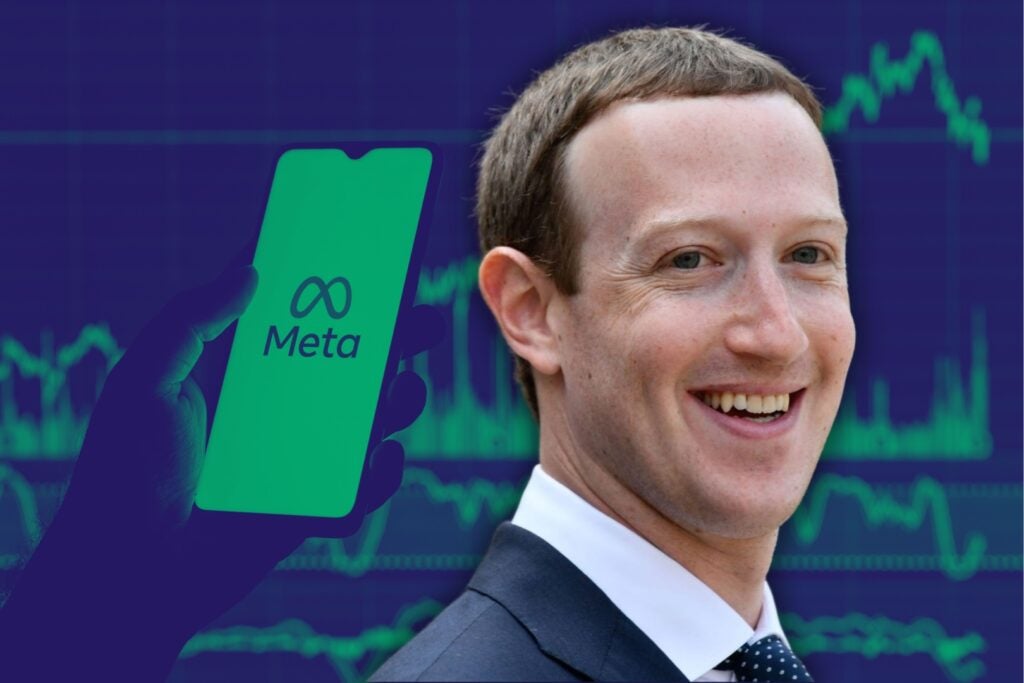
Meta Platforms Faces Regulatory Pressure and Investor Skepticism
- Stock Volatility: As of June 10, Meta's stock has dropped over 13%, primarily due to increasing regulatory issues and investor skepticism regarding spending on artificial intelligence, leading to diminished market confidence in its future performance.
- Strong Advertising Revenue: Despite challenges, Meta's advertising revenue exceeded $55 billion in Q1 2026, with total revenue reaching $56.3 billion, demonstrating the robust influence of its advertising platform, which reaches nearly half of the global population.
- Attractive Valuation: With a market cap exceeding $1 trillion, Meta's forward P/E ratio stands at just 18, and its PEG ratio is 0.82, indicating that its stock may be undervalued, making it appealing for long-term investors.
- AI Strategy Risks: Although Zuckerberg is committed to investing in AI infrastructure, skepticism regarding the justification of such expenditures has increased following the failure of the Metaverse initiatives, suggesting that the company may face greater regulatory and market pressures in the short term.
See More

Nvidia Plans $20 Billion Bond Issuance for AI Chip Production

- Bond Issuance Plan: Nvidia plans to raise $20 billion through a U.S. bond issuance to meet the massive capital requirements for producing cutting-edge AI chips, demonstrating the company's strong investment intent in the AI sector.
- Market Re-entry: This marks Nvidia's first foray into the investment-grade bond market in five years, having previously raised $5 billion in June 2021, indicating the company's confidence in future growth and renewed engagement with capital markets.
- Use of Proceeds: The proceeds from the bond will be used for general corporate purposes, including the repayment and refinancing of outstanding notes, ensuring the company remains competitive in the rapidly evolving AI industry.
- Industry Trends: With major tech companies expected to surpass $700 billion in AI spending, the continued high demand for Nvidia's chips further solidifies its leadership position in the AI chip market.
See More

New York Knicks Win Championship, Markets Rally


- Knicks Championship: The New York Knicks won the NBA championship for the first time in over fifty years, a historic achievement that not only enhances the team's brand value but also stimulates local economic recovery.
- Oil Price Drop: The U.S. and Iran reached an agreement to reopen the Strait of Hormuz on Friday, causing oil prices to dip below $80 for the first time, which is expected to alleviate global energy market tensions and impact operational costs for related businesses.
- SpaceX IPO Performance: SpaceX shares surged over 19% in its IPO, with a market cap exceeding $2 trillion and over 500 million shares traded on the first day, reflecting strong market confidence in its future growth prospects.
- JetBlue Expansion Plans: JetBlue holds a 36% market share in Florida and plans to expand its international routes and premium offerings following Spirit Airlines' collapse, which is expected to enhance its competitive position and attract more customers.
See More

New York Knicks Win Championship, Market Futures Rise
- Oil Price Drop: The U.S. and Iran reached a deal to reopen the Strait of Hormuz on Friday, causing oil prices to dip below $80 for the first time, which could impact 20% of the world's oil supply and lead to market volatility.
- SpaceX IPO Performance: SpaceX shares surged 19% in its IPO, pushing its market cap above $2 trillion with over 500 million shares traded on the first day, reflecting strong investor confidence and boosting overall market sentiment.
- AI Model Suspension: Anthropic disabled access to its Fable 5 and Mythos 5 models due to a government export control directive, highlighting national security concerns that may affect its competitive position in the AI market.
- Meta's AI Strategy Challenge: CEO Mark Zuckerberg faces pressure to demonstrate that Meta's AI tools can attract paying users, as the company has underperformed with an 18% stock decline over the past year, raising concerns about its future in the AI space.
See More
SpaceX's IPO Day Valuation Hits $2.1 Trillion

- First Day Trading Performance: SpaceX's stock surged over 19% on its IPO day, opening at $150 and closing above $160, achieving a market valuation of $2.1 trillion, which places it among the world's leading tech giants and reflects strong market confidence in its growth prospects.
- Record IPO Financing: The IPO raised $75 billion, setting a record for the largest IPO ever, indicating investor optimism regarding SpaceX's long-term potential in rocket launches, satellite connectivity, and artificial intelligence, thereby solidifying its market position.
- Strong Revenue Growth: SpaceX's Starlink service generated $4.4 billion in operational income last year, marking a 120% year-over-year increase, demonstrating robust performance in the satellite connectivity market and promising continued revenue growth for the company.
- High-Risk Investment Outlook: Despite SpaceX's significant growth potential, its capital expenditures in AI reached $12 billion, and the company reported an annual loss of $4.9 billion, highlighting the investment risks and technological uncertainties it faces, necessitating careful evaluation of future investment opportunities.
See More
Meta's Advertising Business Strong but Under Pressure
- Advertising Revenue Performance: In Q1 2026, Meta's advertising revenue surpassed $55 billion, with total revenue reaching $56.3 billion, demonstrating the strong influence of its advertising platform globally, despite regulatory pressures and skepticism regarding AI spending.
- Stock Price Volatility Reasons: As of June 10, Meta's stock has fallen over 13%, primarily due to regulatory issues and investor doubts about AI spending, although its market cap remains above $1 trillion with a forward P/E ratio of just 18, indicating potential undervaluation.
- Regulatory Challenges: The enforcement of the Digital Markets Act in Europe poses a threat to Meta's margins, particularly regarding changes in data policies and potential fines, which creates pressure on the company's short-term performance.
- Commitment to AI Strategy: Despite facing challenges, CEO Mark Zuckerberg is committed to investing in AI infrastructure, and while these capital expenditures may be hard to justify, a successful AI strategy could further enhance advertising business growth.
See More
Meta Platforms Faces Regulatory Pressure and Investor Skepticism
- Stock Volatility: As of June 10, Meta's stock has dropped over 13%, primarily due to increasing regulatory issues and investor skepticism regarding spending on artificial intelligence, leading to diminished market confidence in its future performance.
- Strong Advertising Revenue: Despite challenges, Meta's advertising revenue exceeded $55 billion in Q1 2026, with total revenue reaching $56.3 billion, demonstrating the robust influence of its advertising platform, which reaches nearly half of the global population.
- Attractive Valuation: With a market cap exceeding $1 trillion, Meta's forward P/E ratio stands at just 18, and its PEG ratio is 0.82, indicating that its stock may be undervalued, making it appealing for long-term investors.
- AI Strategy Risks: Although Zuckerberg is committed to investing in AI infrastructure, skepticism regarding the justification of such expenditures has increased following the failure of the Metaverse initiatives, suggesting that the company may face greater regulatory and market pressures in the short term.
See More
Nvidia Plans $20 Billion Bond Issuance for AI Chip Production
- Bond Issuance Plan: Nvidia plans to raise $20 billion through a U.S. bond issuance to meet the massive capital requirements for producing cutting-edge AI chips, demonstrating the company's strong investment intent in the AI sector.
- Market Re-entry: This marks Nvidia's first foray into the investment-grade bond market in five years, having previously raised $5 billion in June 2021, indicating the company's confidence in future growth and renewed engagement with capital markets.
- Use of Proceeds: The proceeds from the bond will be used for general corporate purposes, including the repayment and refinancing of outstanding notes, ensuring the company remains competitive in the rapidly evolving AI industry.
- Industry Trends: With major tech companies expected to surpass $700 billion in AI spending, the continued high demand for Nvidia's chips further solidifies its leadership position in the AI chip market.
See More
New York Knicks Win Championship, Markets Rally
- Knicks Championship: The New York Knicks won the NBA championship for the first time in over fifty years, a historic achievement that not only enhances the team's brand value but also stimulates local economic recovery.
- Oil Price Drop: The U.S. and Iran reached an agreement to reopen the Strait of Hormuz on Friday, causing oil prices to dip below $80 for the first time, which is expected to alleviate global energy market tensions and impact operational costs for related businesses.
- SpaceX IPO Performance: SpaceX shares surged over 19% in its IPO, with a market cap exceeding $2 trillion and over 500 million shares traded on the first day, reflecting strong market confidence in its future growth prospects.
- JetBlue Expansion Plans: JetBlue holds a 36% market share in Florida and plans to expand its international routes and premium offerings following Spirit Airlines' collapse, which is expected to enhance its competitive position and attract more customers.
See More
New York Knicks Win Championship, Market Futures Rise
- Oil Price Drop: The U.S. and Iran reached a deal to reopen the Strait of Hormuz on Friday, causing oil prices to dip below $80 for the first time, which could impact 20% of the world's oil supply and lead to market volatility.
- SpaceX IPO Performance: SpaceX shares surged 19% in its IPO, pushing its market cap above $2 trillion with over 500 million shares traded on the first day, reflecting strong investor confidence and boosting overall market sentiment.
- AI Model Suspension: Anthropic disabled access to its Fable 5 and Mythos 5 models due to a government export control directive, highlighting national security concerns that may affect its competitive position in the AI market.
- Meta's AI Strategy Challenge: CEO Mark Zuckerberg faces pressure to demonstrate that Meta's AI tools can attract paying users, as the company has underperformed with an 18% stock decline over the past year, raising concerns about its future in the AI space.
See More
SpaceX's IPO Day Valuation Hits $2.1 Trillion
- First Day Trading Performance: SpaceX's stock surged over 19% on its IPO day, opening at $150 and closing above $160, achieving a market valuation of $2.1 trillion, which places it among the world's leading tech giants and reflects strong market confidence in its growth prospects.
- Record IPO Financing: The IPO raised $75 billion, setting a record for the largest IPO ever, indicating investor optimism regarding SpaceX's long-term potential in rocket launches, satellite connectivity, and artificial intelligence, thereby solidifying its market position.
- Strong Revenue Growth: SpaceX's Starlink service generated $4.4 billion in operational income last year, marking a 120% year-over-year increase, demonstrating robust performance in the satellite connectivity market and promising continued revenue growth for the company.
- High-Risk Investment Outlook: Despite SpaceX's significant growth potential, its capital expenditures in AI reached $12 billion, and the company reported an annual loss of $4.9 billion, highlighting the investment risks and technological uncertainties it faces, necessitating careful evaluation of future investment opportunities.
See More





