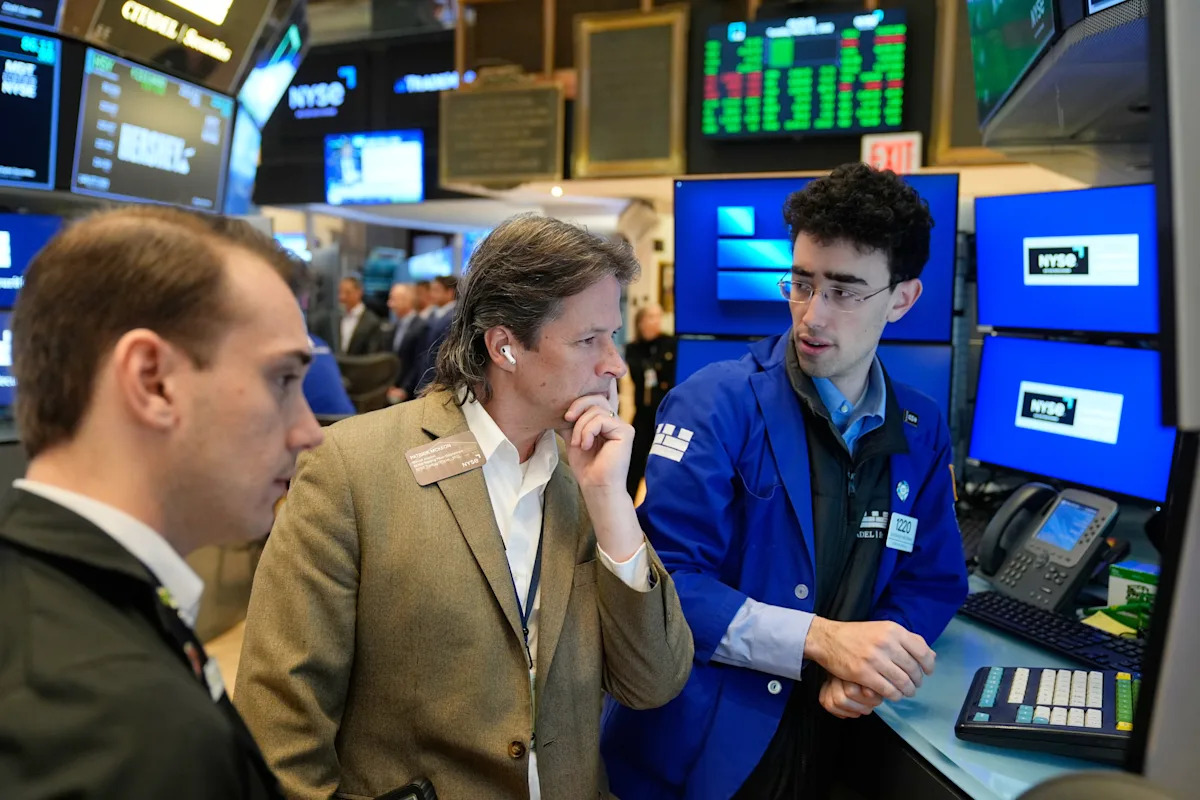
Merck Stock Shows Potential Breakout Patterns
Written by Emily J. Thompson, Senior Investment Analyst
Updated: 2 days ago
0mins
Should l Buy MRK?
Source: CNBC
- Technical Pattern Analysis: Merck's stock has demonstrated strong breakout capabilities over the past few months, forming a potential inverse head-and-shoulders pattern, and a breakout above $124 could open the door to an upside target near $135, indicating significant investment potential.
- Historical Performance Review: Since the 1980s, Merck has experienced several significant pullbacks followed by successful breakouts from major downtrend lines, with historical data suggesting that these breakouts often lead to powerful, multi-decade rallies, indicating that the current upswing may still be in its early stages.
- Short and Long-Term Outlook: While short-term focus should be on how the stock behaves around rising moving averages, the long-term chart suggests that if Merck can consistently respect these support lines, it may further extend its upward trend, boosting investor confidence.
- Earnings Report Timing: Merck is set to report earnings on April 30, providing a valuable window for the current technical setup, and investors should closely monitor market dynamics leading up to this date to capitalize on potential trading opportunities.
Trade with 70% Backtested Accuracy
Stop guessing "Should I Buy MRK?" and start using high-conviction signals backed by rigorous historical data.
Sign up today to access powerful investing tools and make smarter, data-driven decisions.
Analyst Views on MRK
Wall Street analysts forecast MRK stock price to fall
16 Analyst Rating
11 Buy
5 Hold
0 Sell
Moderate Buy
Current: 122.680

Low
95.00
Averages
119.53
High
139.00
Current: 122.680
Low
95.00
Averages
119.53
High
139.00
About MRK
Merck & Co., Inc. is a global health care company that delivers health solutions through its prescription medicines, including biologic therapies, vaccines and animal health products. Its Pharmaceutical segment includes human health pharmaceutical and vaccine products. The Company sells its human health pharmaceutical products primarily to drug wholesalers and retailers, hospitals, government agencies and managed health care providers. It sells these human health vaccines primarily to physicians, wholesalers, distributors and government entities. Its Animal Health segment discovers, develops, manufactures and markets a range of veterinary pharmaceutical and vaccine products, as well as health management solutions and services, for the prevention, treatment and control of disease in all livestock and companion animal species. Its products include KEYTRUDA (pembrolizumab) injection, for intravenous use; WELIREG (belzutifan) tablets, for oral use; Ohtuvayre (ensifentrine) and others.
About the author

Emily J. Thompson
Emily J. Thompson, a Chartered Financial Analyst (CFA) with 12 years in investment research, graduated with honors from the Wharton School. Specializing in industrial and technology stocks, she provides in-depth analysis for Intellectia’s earnings and market brief reports.
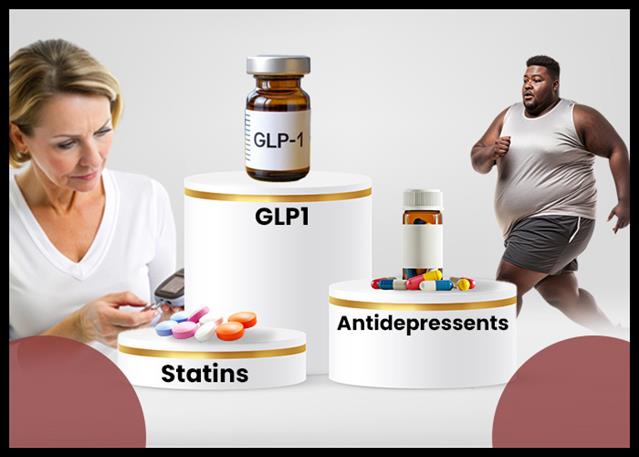
Rapid Growth of GLP-1 Drug Market

- Market Surge: According to Markets and Markets, the GLP-1 agonist market grew from $53.74 billion in 2024 to $64.42 billion in 2025, with projections reaching $170.75 billion by 2033, indicating a robust demand for obesity and diabetes treatments.
- New Drug Approval: In 2025, Novo Nordisk's Wegovy received FDA approval as the first oral GLP-1 weight-loss medication, marking a significant breakthrough in treatment options, particularly for those with trypanophobia, which is expected to further drive market demand.
- Top-Selling Drugs: In 2025, Mounjaro led the GLP-1 drug market with $22.97 billion in sales, followed by Ozempic and Zepbound with $20 billion and $13.54 billion, respectively, showcasing the strong appeal of GLP-1 therapies globally.
- Patent Protection and Competition: While Ozempic and Wegovy are protected by patents in the U.S. until around 2032, generics have already launched in India and are expected in China, intensifying market competition and potentially impacting the market share of original branded drugs.
See More

Bristol Myers Squibb: A New Value Investment Choice


- Valuation Appeal: Bristol Myers Squibb's forward P/E ratio of approximately 9.5 makes it an attractive value stock compared to competitors like Johnson & Johnson and Merck, which have ratios of 21 and 24, potentially drawing interest from value-focused investors.
- Stable Dividend Yield: With a dividend yield of 4.2% and a history of 94 consecutive years of dividend payments, including 17 years of increases, the company demonstrates strong cash flow and commitment to shareholders, bolstering investor confidence.
- Revenue Growth Potential: While revenue for 2024 and 2025 is projected at $48.3 billion and $48.2 billion respectively, with a decline expected in 2026 to between $46 billion and $47.5 billion, the growth portfolio's revenue increased from $22.6 billion to $26.4 billion, indicating strong potential in new drug development.
- Acquisition Strategy: The planned $1.5 billion acquisition of Orbital Therapeutics, despite the existing $47 billion debt, could enhance Bristol's pipeline and help mitigate revenue losses from upcoming patent cliffs, showcasing a strategic vision for long-term growth.
See More

Investment Analysis of Bristol Myers Squibb
- Stable Revenue Performance: Bristol Myers Squibb reported revenues of $48.3 billion in 2024 and $48.2 billion in 2025, with a projected decline to between $46 billion and $47.5 billion in 2026, yet its revenue stability continues to attract investor interest.
- High Dividend Appeal: The company boasts a dividend yield of 4.2%, significantly higher than its competitors, and has increased its dividend for 17 consecutive years while paying dividends for 94 years, demonstrating strong cash flow and shareholder return capabilities.
- Growth Potential and Acquisition Plans: Bristol plans to acquire Orbital Therapeutics for $1.5 billion, which, despite its $47 billion debt, could enhance its drug pipeline and help mitigate revenue losses from upcoming patent cliffs.
- Market Concerns and Value Investment: While the market is worried about declining revenue from its legacy portfolio, Bristol's growth portfolio saw an increase from $22.6 billion to $26.4 billion in 2025, indicating potential in new drug development that may offer long-term value for investors.
See More
European Pharma Industry Faces Competitive Pressures

- Increased Market Competition: The European pharmaceutical industry is facing significant competitive pressures due to President Trump's drug pricing policies and the rise of China's biotech sector, leading to a shift in investments and impacting new drug launches.
- R&D Investment Shift: In 1990, Europe accounted for nearly half of global R&D, but this has plummeted to 26% today, while the U.S. share has risen to 55%, indicating a decline in Europe's position in global pharmaceutical innovation.
- Significant Policy Impact: The U.S. has imposed tariffs of up to 100% on branded drugs, which, while limited in immediate impact on companies without pricing agreements, adds to the competitive pressure on Europe's pharmaceutical sector, necessitating improvements in market conditions.
- Industry Calls for Reform: The European pharmaceutical industry urgently needs to increase investment in new medicines and improve the regulatory environment to avoid losing market share, with the EFPIA warning that without action, Europe could face a larger trade deficit.
See More

Europe's Pharmaceutical Market Share Declines Amid U.S. and China Competition
- Dramatic Market Share Decline: Over the past 35 years, Europe's share of global R&D has plummeted from nearly 50% to 26%, while the U.S. share has surged to 55%, indicating a significant decline in Europe's competitiveness in the pharmaceutical sector, compelling companies to shift investments towards the U.S. and China.
- Significant Policy Impact: The U.S. has imposed new tariffs of up to 100% on branded drugs, which, while limited in immediate impact on companies without price agreements, intensifies competitive pressure on Europe's pharmaceutical industry, prompting firms to reassess their investments in Europe.
- Shift in Innovation Centers: China has emerged as a biotech innovation hub, with global pharmaceutical companies increasingly looking to the country for R&D; a decade ago, Chinese-developed molecules accounted for just 4% of the global pipeline, but now they represent nearly a third, showcasing China's growing advantage in biopharma.
- Industry Calls for Change: The European pharmaceutical sector faces a risk of an €88 billion trade shortfall, prompting industry experts to advocate for increased investment in new medicines and improved regulatory environments to maintain competitiveness and ensure faster patient access to drugs.
See More
Merck Stock Shows Potential Breakout Patterns
- Technical Pattern Analysis: Merck's stock has demonstrated strong breakout capabilities over the past few months, forming a potential inverse head-and-shoulders pattern, and a breakout above $124 could open the door to an upside target near $135, indicating significant investment potential.
- Historical Performance Review: Since the 1980s, Merck has experienced several significant pullbacks followed by successful breakouts from major downtrend lines, with historical data suggesting that these breakouts often lead to powerful, multi-decade rallies, indicating that the current upswing may still be in its early stages.
- Short and Long-Term Outlook: While short-term focus should be on how the stock behaves around rising moving averages, the long-term chart suggests that if Merck can consistently respect these support lines, it may further extend its upward trend, boosting investor confidence.
- Earnings Report Timing: Merck is set to report earnings on April 30, providing a valuable window for the current technical setup, and investors should closely monitor market dynamics leading up to this date to capitalize on potential trading opportunities.
See More
Rapid Growth of GLP-1 Drug Market
- Market Surge: According to Markets and Markets, the GLP-1 agonist market grew from $53.74 billion in 2024 to $64.42 billion in 2025, with projections reaching $170.75 billion by 2033, indicating a robust demand for obesity and diabetes treatments.
- New Drug Approval: In 2025, Novo Nordisk's Wegovy received FDA approval as the first oral GLP-1 weight-loss medication, marking a significant breakthrough in treatment options, particularly for those with trypanophobia, which is expected to further drive market demand.
- Top-Selling Drugs: In 2025, Mounjaro led the GLP-1 drug market with $22.97 billion in sales, followed by Ozempic and Zepbound with $20 billion and $13.54 billion, respectively, showcasing the strong appeal of GLP-1 therapies globally.
- Patent Protection and Competition: While Ozempic and Wegovy are protected by patents in the U.S. until around 2032, generics have already launched in India and are expected in China, intensifying market competition and potentially impacting the market share of original branded drugs.
See More
Bristol Myers Squibb: A New Value Investment Choice
- Valuation Appeal: Bristol Myers Squibb's forward P/E ratio of approximately 9.5 makes it an attractive value stock compared to competitors like Johnson & Johnson and Merck, which have ratios of 21 and 24, potentially drawing interest from value-focused investors.
- Stable Dividend Yield: With a dividend yield of 4.2% and a history of 94 consecutive years of dividend payments, including 17 years of increases, the company demonstrates strong cash flow and commitment to shareholders, bolstering investor confidence.
- Revenue Growth Potential: While revenue for 2024 and 2025 is projected at $48.3 billion and $48.2 billion respectively, with a decline expected in 2026 to between $46 billion and $47.5 billion, the growth portfolio's revenue increased from $22.6 billion to $26.4 billion, indicating strong potential in new drug development.
- Acquisition Strategy: The planned $1.5 billion acquisition of Orbital Therapeutics, despite the existing $47 billion debt, could enhance Bristol's pipeline and help mitigate revenue losses from upcoming patent cliffs, showcasing a strategic vision for long-term growth.
See More
Investment Analysis of Bristol Myers Squibb
- Stable Revenue Performance: Bristol Myers Squibb reported revenues of $48.3 billion in 2024 and $48.2 billion in 2025, with a projected decline to between $46 billion and $47.5 billion in 2026, yet its revenue stability continues to attract investor interest.
- High Dividend Appeal: The company boasts a dividend yield of 4.2%, significantly higher than its competitors, and has increased its dividend for 17 consecutive years while paying dividends for 94 years, demonstrating strong cash flow and shareholder return capabilities.
- Growth Potential and Acquisition Plans: Bristol plans to acquire Orbital Therapeutics for $1.5 billion, which, despite its $47 billion debt, could enhance its drug pipeline and help mitigate revenue losses from upcoming patent cliffs.
- Market Concerns and Value Investment: While the market is worried about declining revenue from its legacy portfolio, Bristol's growth portfolio saw an increase from $22.6 billion to $26.4 billion in 2025, indicating potential in new drug development that may offer long-term value for investors.
See More
European Pharma Industry Faces Competitive Pressures
- Increased Market Competition: The European pharmaceutical industry is facing significant competitive pressures due to President Trump's drug pricing policies and the rise of China's biotech sector, leading to a shift in investments and impacting new drug launches.
- R&D Investment Shift: In 1990, Europe accounted for nearly half of global R&D, but this has plummeted to 26% today, while the U.S. share has risen to 55%, indicating a decline in Europe's position in global pharmaceutical innovation.
- Significant Policy Impact: The U.S. has imposed tariffs of up to 100% on branded drugs, which, while limited in immediate impact on companies without pricing agreements, adds to the competitive pressure on Europe's pharmaceutical sector, necessitating improvements in market conditions.
- Industry Calls for Reform: The European pharmaceutical industry urgently needs to increase investment in new medicines and improve the regulatory environment to avoid losing market share, with the EFPIA warning that without action, Europe could face a larger trade deficit.
See More
Europe's Pharmaceutical Market Share Declines Amid U.S. and China Competition
- Dramatic Market Share Decline: Over the past 35 years, Europe's share of global R&D has plummeted from nearly 50% to 26%, while the U.S. share has surged to 55%, indicating a significant decline in Europe's competitiveness in the pharmaceutical sector, compelling companies to shift investments towards the U.S. and China.
- Significant Policy Impact: The U.S. has imposed new tariffs of up to 100% on branded drugs, which, while limited in immediate impact on companies without price agreements, intensifies competitive pressure on Europe's pharmaceutical industry, prompting firms to reassess their investments in Europe.
- Shift in Innovation Centers: China has emerged as a biotech innovation hub, with global pharmaceutical companies increasingly looking to the country for R&D; a decade ago, Chinese-developed molecules accounted for just 4% of the global pipeline, but now they represent nearly a third, showcasing China's growing advantage in biopharma.
- Industry Calls for Change: The European pharmaceutical sector faces a risk of an €88 billion trade shortfall, prompting industry experts to advocate for increased investment in new medicines and improved regulatory environments to maintain competitiveness and ensure faster patient access to drugs.
See More
Merck Stock Shows Potential Breakout Patterns
- Technical Pattern Analysis: Merck's stock has demonstrated strong breakout capabilities over the past few months, forming a potential inverse head-and-shoulders pattern, and a breakout above $124 could open the door to an upside target near $135, indicating significant investment potential.
- Historical Performance Review: Since the 1980s, Merck has experienced several significant pullbacks followed by successful breakouts from major downtrend lines, with historical data suggesting that these breakouts often lead to powerful, multi-decade rallies, indicating that the current upswing may still be in its early stages.
- Short and Long-Term Outlook: While short-term focus should be on how the stock behaves around rising moving averages, the long-term chart suggests that if Merck can consistently respect these support lines, it may further extend its upward trend, boosting investor confidence.
- Earnings Report Timing: Merck is set to report earnings on April 30, providing a valuable window for the current technical setup, and investors should closely monitor market dynamics leading up to this date to capitalize on potential trading opportunities.
See More