Mars Inc. Acquires Kellanova in Deal Expected to Close Soon
Written by Emily J. Thompson, Senior Investment Analyst
Updated: Dec 08 2025
0mins
Mars Inc. is acquiring Kellanova in a deal expected to close soon, pending final closing conditions.
Trade with 70% Backtested Accuracy
Stop guessing "Should I Buy ARES?" and start using high-conviction signals backed by rigorous historical data.
Sign up today to access powerful investing tools and make smarter, data-driven decisions.
Analyst Views on ARES
Wall Street analysts forecast ARES stock price to rise
10 Analyst Rating
8 Buy
2 Hold
0 Sell
Strong Buy
Current: 121.830

Low
155.00
Averages
191.40
High
223.00
Current: 121.830
Low
155.00
Averages
191.40
High
223.00
About ARES
Ares Management Corporation is an alternative investment manager offering clients complementary primary and secondary investment solutions across various asset classes. Its segments include Credit Group, Private Equity Group, Real Assets Group, Secondaries Group, and Other. The Credit Group segment manages credit strategies across the liquid and illiquid spectrum, including liquid credit, alternative credit, direct lending and APAC credit. The Private Equity Group segment categorizes its investment strategies as corporate private equity, special opportunities and APAC private equity. The Real Assets Group segment manages comprehensive equity and debt strategies across real estate and infrastructure investments. The Secondaries Group segment invests in secondary markets across a range of alternative asset class strategies, including private equity, real estate, infrastructure and credit. It has operations across North America, South America, Europe, Asia Pacific and the Middle East.
About the author

Emily J. Thompson
Emily J. Thompson, a Chartered Financial Analyst (CFA) with 12 years in investment research, graduated with honors from the Wharton School. Specializing in industrial and technology stocks, she provides in-depth analysis for Intellectia’s earnings and market brief reports.

Market Update: SpaceX and Coca-Cola Reach New Highs


- SpaceX Joins Nasdaq: SpaceX was fast-tracked into the Nasdaq-100 on Tuesday, closing its first trading day at $160.95, approximately 30% below its June 16 high of $225.64, indicating strong market interest despite the decline.
- Financial Sector Surge: The S&P Financials sector surged 4.5% in the past week and 7.6% over the month, with 82 out of 85 stocks rising last week, led by Robinhood's impressive 43% increase over three months, reflecting renewed investor confidence in financial stocks.
- Coca-Cola Hits New High: Coca-Cola shares have risen 7.4% over the past three months, reaching a new high, while the S&P Staples sector remained flat, showcasing Coca-Cola's robust performance and stable consumer demand in a challenging market.
- Cybersecurity Stocks Reach All-Time Highs: CrowdStrike, Fortinet, and Palo Alto Networks all achieved record highs on Monday, with CrowdStrike up 100%, Fortinet up 97%, and Palo Alto Networks up 121% over three months, highlighting strong market interest and investment in cybersecurity solutions.
See More

Large Investors Commit Billions to Private Credit Funds Amid Retail Exit


- Private Credit Market Surge: According to the Financial Times, North American direct lending funds raised at least $16 billion in Q2 2026, indicating strong demand from institutional investors as retail clients exit the market, reflecting resilience and appeal in the private credit sector.
- Strong Fundraising Performance: The three months ending June 25 marked the second-strongest quarter in four years for closed-end funds, suggesting a rising interest among investors in loaning without bank intermediaries, which could drive future investment inflows.
- Investor Engagement High: Major private investment groups, including Ares Management, Blackstone, and BlackRock's HPS Investment Partners, are actively meeting with investors to generate interest in new flagship products, demonstrating confidence in the private credit market.
- Opportunities Amid Market Volatility: Brad Marshall, co-head of Blackstone's private credit fund, noted that periods of market volatility are often the best times to invest capital, attracting more investor attention and further propelling growth in private credit.
See More

S&P SmallCap 600 Index Adjustments Announced


- Index Changes: Midera Food Processing Inc. will replace Redwood Trust Inc. in the S&P SmallCap 600 effective July 8, 2026, enhancing the index's representation of the small-cap market and potentially attracting more investor interest.
- Corporate Spin-off: The Middleby Corp. is spinning off Midera Food Processing, with the transaction expected to close on July 7, aiming to increase focus on its core business and improve market competitiveness.
- Energy Sector Addition: Centrus Energy Corp. will replace Whitestone REIT in the S&P SmallCap 600 effective July 14, 2026, reflecting ongoing investor interest and recognition of growth potential in the energy sector.
- Real Estate Market Adjustment: The removal of Whitestone REIT signifies a reassessment of the real estate sector within the S&P SmallCap 600, which may influence asset allocation strategies among related investors.
See More
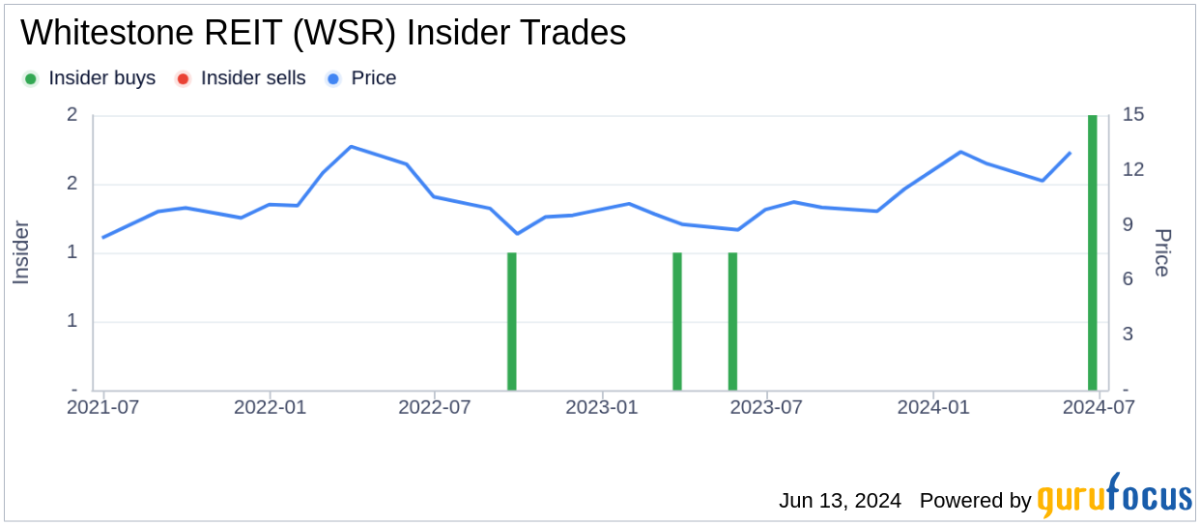
S&P SmallCap 600 Index Changes Announced

- New Addition: Midera Food Processing (Ticker: MFP) will be added to the S&P SmallCap 600 Index on July 8, 2026, indicating recognition and growth in the industrial sector, which is expected to attract more investor attention.
- Removal: Redwood Trust Inc (Ticker: RWT) will be removed from the S&P SmallCap 600 Index on July 8, 2026, a move that may negatively impact its stock price, reflecting market concerns about its future performance.
- New Addition: Centrus Energy (Ticker: LEU) will join the S&P SmallCap 600 Index on July 14, 2026, showcasing its growth potential in the energy sector, which could enhance its market visibility and investment appeal.
- Removal: Whitestone REIT (Ticker: WSR) will be removed from the S&P SmallCap 600 Index on July 14, 2026, an adjustment that may affect its liquidity and investor confidence, reflecting market skepticism about its asset management capabilities.
See More

Ares Capital to Report Q2 2026 Earnings on July 29

- Earnings Announcement: Ares Capital Corporation will report its second-quarter earnings for the period ending June 30, 2026, on July 29, 2026, before the Nasdaq opens, providing crucial insights into its financial performance for investors.
- Conference Call Invitation: The company invites all interested parties to join a webcast/conference call at 12:00 p.m. (Eastern Time) on the same day to discuss the financial results, enhancing transparency and fostering investor relations.
- Replay Availability: An archived replay of the call will be accessible approximately one hour after its conclusion, available until August 29, 2026, via phone and webcast, ensuring that those unable to attend live can still access key information.
- Company Overview: Founded in 2004, Ares Capital focuses on providing direct loans and investments to private middle-market companies in the U.S., and as the largest publicly traded BDC, aims to drive economic growth and job creation through high-quality borrowers.
See More

Ares Capital to Report Q2 2026 Earnings on July 29
- Earnings Announcement: Ares Capital Corporation has announced it will report its second-quarter earnings for the period ending June 30, 2026, on July 29, 2026, prior to the Nasdaq opening, providing crucial financial insights for investors.
- Webcast Invitation: The company invites all interested parties to join a webcast at 12:00 p.m. (Eastern Time) on the same day to discuss the financial results, enhancing engagement with its investor base.
- Conference Call Access: Domestic callers can join the conference call toll-free at +1 (800) 245-3047, while international participants can dial +1 (203) 518-9765, ensuring timely access to financial information for all investors.
- Replay Availability: An archived replay of the call will be available approximately one hour after the event until August 29, 2026, allowing those who could not attend live to access important updates.
See More
Market Update: SpaceX and Coca-Cola Reach New Highs
- SpaceX Joins Nasdaq: SpaceX was fast-tracked into the Nasdaq-100 on Tuesday, closing its first trading day at $160.95, approximately 30% below its June 16 high of $225.64, indicating strong market interest despite the decline.
- Financial Sector Surge: The S&P Financials sector surged 4.5% in the past week and 7.6% over the month, with 82 out of 85 stocks rising last week, led by Robinhood's impressive 43% increase over three months, reflecting renewed investor confidence in financial stocks.
- Coca-Cola Hits New High: Coca-Cola shares have risen 7.4% over the past three months, reaching a new high, while the S&P Staples sector remained flat, showcasing Coca-Cola's robust performance and stable consumer demand in a challenging market.
- Cybersecurity Stocks Reach All-Time Highs: CrowdStrike, Fortinet, and Palo Alto Networks all achieved record highs on Monday, with CrowdStrike up 100%, Fortinet up 97%, and Palo Alto Networks up 121% over three months, highlighting strong market interest and investment in cybersecurity solutions.
See More
Large Investors Commit Billions to Private Credit Funds Amid Retail Exit
- Private Credit Market Surge: According to the Financial Times, North American direct lending funds raised at least $16 billion in Q2 2026, indicating strong demand from institutional investors as retail clients exit the market, reflecting resilience and appeal in the private credit sector.
- Strong Fundraising Performance: The three months ending June 25 marked the second-strongest quarter in four years for closed-end funds, suggesting a rising interest among investors in loaning without bank intermediaries, which could drive future investment inflows.
- Investor Engagement High: Major private investment groups, including Ares Management, Blackstone, and BlackRock's HPS Investment Partners, are actively meeting with investors to generate interest in new flagship products, demonstrating confidence in the private credit market.
- Opportunities Amid Market Volatility: Brad Marshall, co-head of Blackstone's private credit fund, noted that periods of market volatility are often the best times to invest capital, attracting more investor attention and further propelling growth in private credit.
See More
S&P SmallCap 600 Index Adjustments Announced
- Index Changes: Midera Food Processing Inc. will replace Redwood Trust Inc. in the S&P SmallCap 600 effective July 8, 2026, enhancing the index's representation of the small-cap market and potentially attracting more investor interest.
- Corporate Spin-off: The Middleby Corp. is spinning off Midera Food Processing, with the transaction expected to close on July 7, aiming to increase focus on its core business and improve market competitiveness.
- Energy Sector Addition: Centrus Energy Corp. will replace Whitestone REIT in the S&P SmallCap 600 effective July 14, 2026, reflecting ongoing investor interest and recognition of growth potential in the energy sector.
- Real Estate Market Adjustment: The removal of Whitestone REIT signifies a reassessment of the real estate sector within the S&P SmallCap 600, which may influence asset allocation strategies among related investors.
See More
S&P SmallCap 600 Index Changes Announced
- New Addition: Midera Food Processing (Ticker: MFP) will be added to the S&P SmallCap 600 Index on July 8, 2026, indicating recognition and growth in the industrial sector, which is expected to attract more investor attention.
- Removal: Redwood Trust Inc (Ticker: RWT) will be removed from the S&P SmallCap 600 Index on July 8, 2026, a move that may negatively impact its stock price, reflecting market concerns about its future performance.
- New Addition: Centrus Energy (Ticker: LEU) will join the S&P SmallCap 600 Index on July 14, 2026, showcasing its growth potential in the energy sector, which could enhance its market visibility and investment appeal.
- Removal: Whitestone REIT (Ticker: WSR) will be removed from the S&P SmallCap 600 Index on July 14, 2026, an adjustment that may affect its liquidity and investor confidence, reflecting market skepticism about its asset management capabilities.
See More
Ares Capital to Report Q2 2026 Earnings on July 29
- Earnings Announcement: Ares Capital Corporation will report its second-quarter earnings for the period ending June 30, 2026, on July 29, 2026, before the Nasdaq opens, providing crucial insights into its financial performance for investors.
- Conference Call Invitation: The company invites all interested parties to join a webcast/conference call at 12:00 p.m. (Eastern Time) on the same day to discuss the financial results, enhancing transparency and fostering investor relations.
- Replay Availability: An archived replay of the call will be accessible approximately one hour after its conclusion, available until August 29, 2026, via phone and webcast, ensuring that those unable to attend live can still access key information.
- Company Overview: Founded in 2004, Ares Capital focuses on providing direct loans and investments to private middle-market companies in the U.S., and as the largest publicly traded BDC, aims to drive economic growth and job creation through high-quality borrowers.
See More
Ares Capital to Report Q2 2026 Earnings on July 29
- Earnings Announcement: Ares Capital Corporation has announced it will report its second-quarter earnings for the period ending June 30, 2026, on July 29, 2026, prior to the Nasdaq opening, providing crucial financial insights for investors.
- Webcast Invitation: The company invites all interested parties to join a webcast at 12:00 p.m. (Eastern Time) on the same day to discuss the financial results, enhancing engagement with its investor base.
- Conference Call Access: Domestic callers can join the conference call toll-free at +1 (800) 245-3047, while international participants can dial +1 (203) 518-9765, ensuring timely access to financial information for all investors.
- Replay Availability: An archived replay of the call will be available approximately one hour after the event until August 29, 2026, allowing those who could not attend live to access important updates.
See More