Markets Pull Back as Oil Prices Return Above $100


Futures are modestly in the red as markets are easing lower this morning. The pullback reflects a combination of profit-taking and renewed geopolitical uncertainty. The primary driver is once again oil. Despite the extended ceasefire, tensions in the Strait of Hormuz have picked back up, with reports of shipping disruptions and enforcement actions pushing crude back above the $100 level.Equities were coming off fresh highs, and sentiment had started to lean more constructive. This pullback has investors trimming exposure as the probability of a clean resolution in the Middle East gets pushed further out.Earnings are adding complexity. Some large-cap names are struggling despite solid headline results, as guidance and forward expectations take precedence over backward-looking performance.In pre-market trading, S&P 500 futures fell 0.28%, Nasdaq futures fell 0.27% and Dow futures fell 0.53%.Check out this morning's top movers from around Wall Street, compiled by The Fly.UP AFTER EARNINGS -United Rentalsup 15%West Pharmaceuticalup 13%Texas Instrumentsup 9%Comcastup 6%STMicroelectronicsup 6%American Airlinesup 2%Union Pacificup 1%DOWN AFTER EARNINGS -ServiceNowdown 13%Freeport-McMoRandown 8%Thermo Fisherdown 7%IBMdown 7%Honeywelldown 5%Lockheed Martindown 4%Tesladown 3%Blackstonedown 2%American Expressdown 1%
Trade with 70% Backtested Accuracy
Analyst Views on AAL

About AAL
About the author

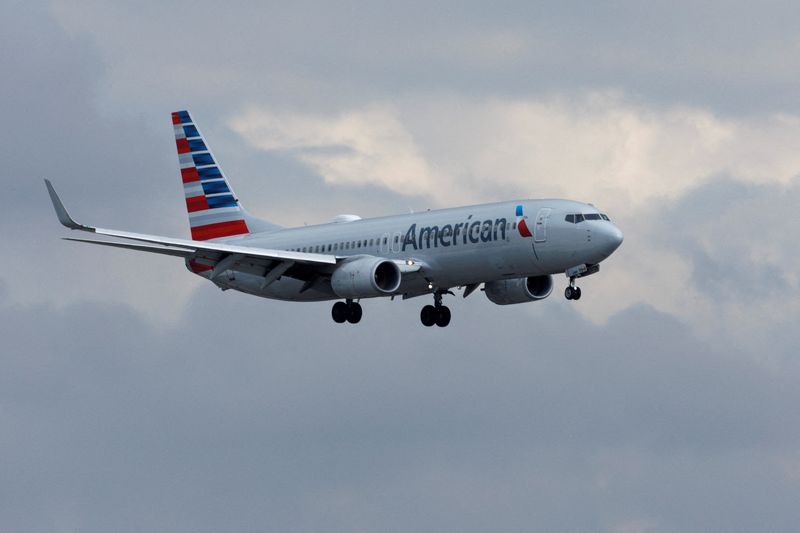
American Airlines Q1 2026 Earnings Call Highlights
- Significant Revenue Growth: American Airlines reported a 10.8% year-over-year revenue increase in Q1, with expectations of approximately 15% growth in Q2, indicating strong market demand despite a $320 million revenue impact from winter storms, showcasing the company's resilience in adversity.
- Fuel Cost Pressure: The airline anticipates fuel prices to reach about $4 per gallon in Q2, resulting in a $400 million increase in fuel expenses compared to the January forward curve; however, the company plans to offset these costs through revenue increases, demonstrating its cost management capabilities.
- Strong Seat Demand: In Q1, demand for lie-flat and premium economy seats grew more than twice as fast as main cabin seats, reflecting consumer preference for premium products, which further drives the optimization of the company's revenue structure.
- Robust Liquidity: By the end of Q1, American Airlines had nearly $11 billion in available liquidity, with total debt at $34.7 billion, a reduction of $1.8 billion from the previous quarter, indicating improvements in the company's financial management.

AMERICAN AIRLINES STOCK RISES 3.6% FOLLOWING BETTER-THAN-EXPECTED Q1 RESULTS
- Stock Performance: American Airlines shares increased by 3.6% following the release of their Q1 results.
- Earnings Report: The company's Q1 results surpassed analysts' expectations, contributing to the rise in stock value.
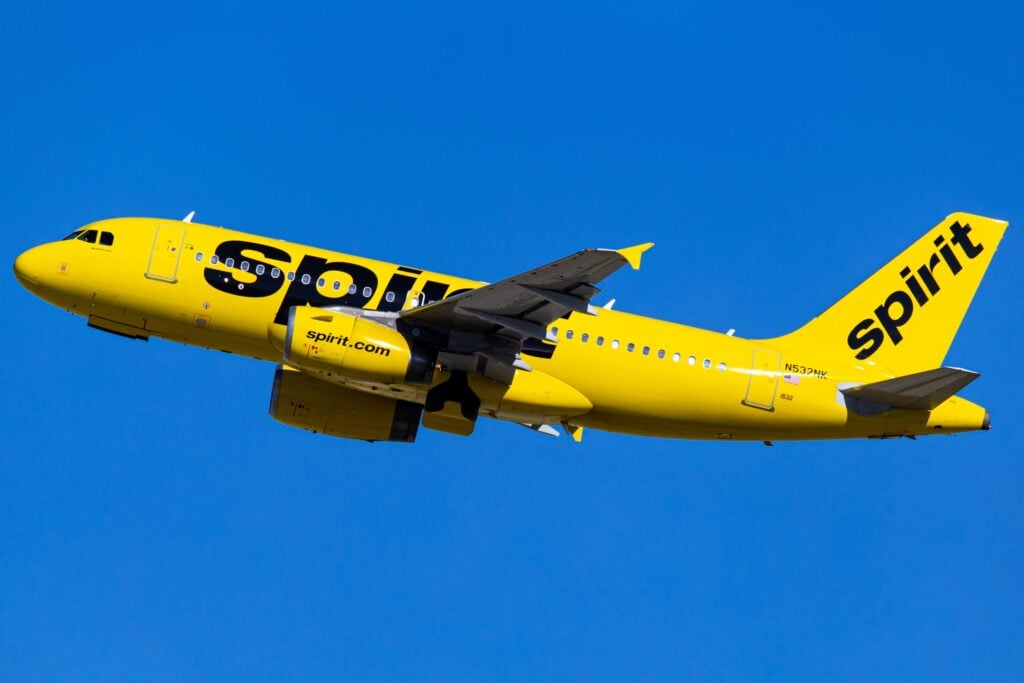
Trump Proposes Federal Aid for Spirit Airlines Amid Crisis


- Trump's Aid Proposal: In a CNBC interview, Trump floated the idea of federal aid for struggling Spirit Airlines, emphasizing the importance of protecting 14,000 jobs, which highlights government concern for the aviation sector's stability.
- Opposition to Mergers: Trump expressed disapproval of the proposed merger between United Airlines and American Airlines, arguing that consolidation in the aerospace industry reduces competition and leads to corporate complacency, despite both companies currently performing well, indicating a concern for industry health.
- Spirit Airlines Crisis: Spirit Airlines is reportedly on the brink of halting operations due to rising fuel costs and financial difficulties, having previously filed for bankruptcy post-COVID-19, which could leave ticket holders stranded within days, underscoring the fragility of the industry.
- Skepticism on Government Funds: Transportation Secretary raised doubts about using government funds to bail out Spirit Airlines, warning against “putting good money after bad” and questioning the airline's profitability and recovery prospects, reflecting a divide over aviation bailout policies.

US Israel-Lebanon Ceasefire Extended Amid Tensions


- Ceasefire Extension: President Trump announced that Israel and Lebanon agreed to extend their ceasefire by three weeks, aiming to buy more time for diplomatic negotiations, although the ongoing tensions may impact investor confidence.
- Energy Security Threat: IEA head Fatih Birol warned that the current conflict has resulted in a loss of 13 million barrels of oil per day, marking the biggest energy security threat in history, which could trigger global market volatility.
- Market Reaction: U.S. stocks pulled back as investors grew wary of the ceasefire's prospects, while Asian markets opened mixed, reflecting a cautious sentiment regarding future developments.
- Corporate Layoffs: Meta plans to lay off 10% of its workforce, approximately 8,000 employees, while Nike will cut 1,400 jobs, indicating structural adjustments in the tech sector amid accelerated AI investments.
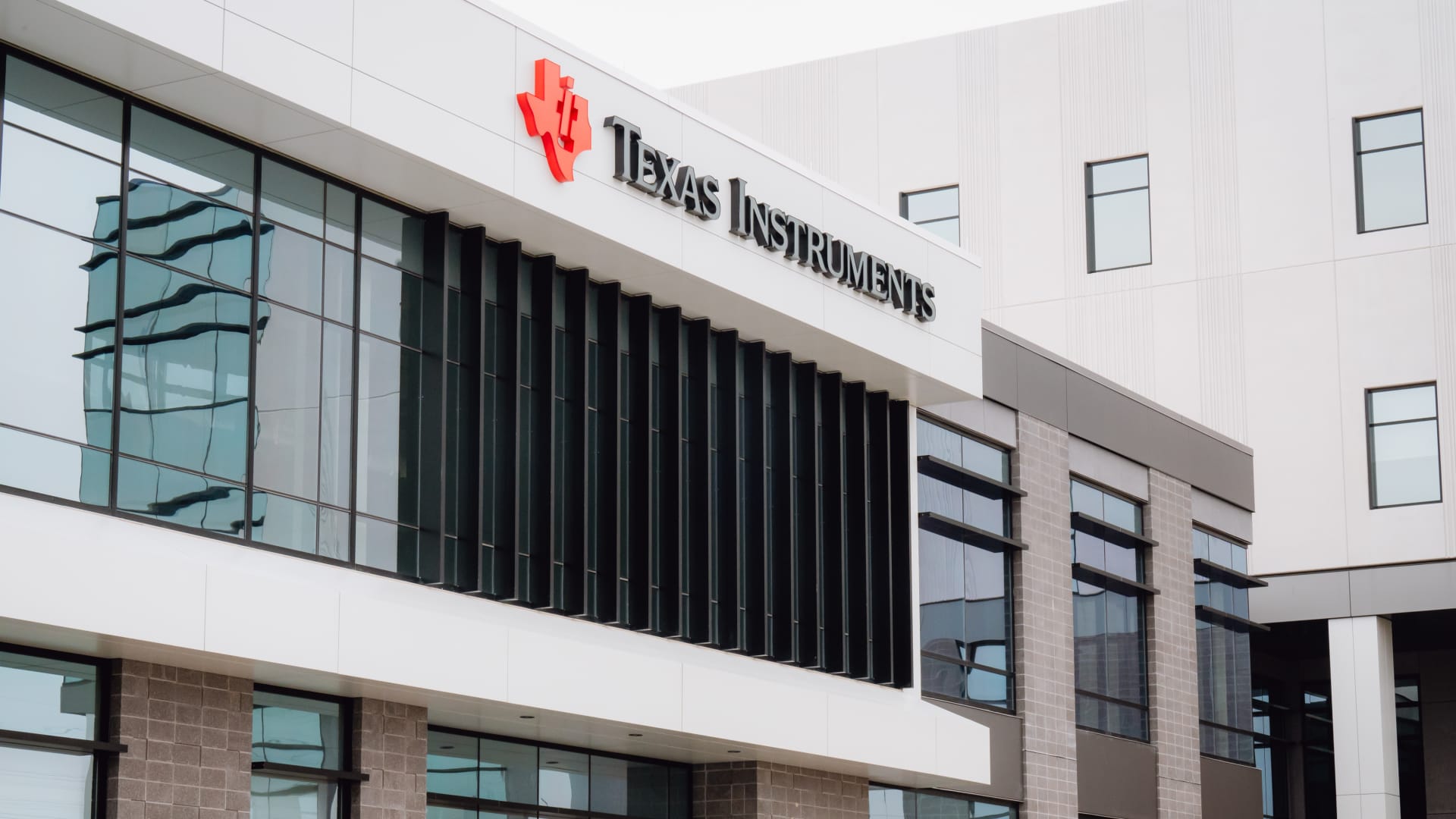
Texas Instruments Forecasts Significant Earnings Increase

- Texas Instruments Earnings Outlook: Texas Instruments forecasts current-quarter earnings per share between $1.77 and $2.05, exceeding the consensus of $1.57, with revenue expected between $5 billion and $5.4 billion, significantly above the $4.86 billion anticipated by analysts, indicating strong performance and growth potential in the semiconductor market.
- American Airlines Performance: American Airlines shares rose over 4% after reporting first-quarter results that exceeded expectations, although the company cut its full-year earnings outlook due to rising fuel costs, reflecting the challenges and strategic responses in the high-cost airline industry.
- United Rentals Sales Forecast Increase: United Rentals shares jumped more than 23% after raising its full-year sales forecast to a range of $16.9 billion to $17.4 billion, demonstrating strong demand in the equipment rental market and a positive outlook heading into its busiest season.
- Molina Healthcare 2026 Forecast Confirmation: Molina Healthcare shares rose 10.3% after reaffirming its 2026 forecast, reporting first-quarter earnings of $2.35 per share on revenue of $10.8 billion, both surpassing analyst expectations, showcasing robust growth and profitability in the healthcare sector.

American Airlines and Alaska Air Explore Partnership Options

- Exploring Partnership Potential: American Airlines and Alaska Air are examining partnership options aimed at enhancing competitiveness through revenue sharing and route coordination rather than a full merger, thereby expanding their networks without the complexities of merging.
- International Collaboration Integration: Alaska Air may plug into American Airlines' existing international partnerships, including routes with British Airways and Japan Airlines, facilitating revenue sharing and schedule alignment between the two airlines.
- Adapting to Market Conditions: Given rising fuel costs and pressure from larger competitors like United and Delta, this collaboration is particularly timely, potentially strengthening American Airlines' presence in the West Coast market.
- Long-Haul Route Opportunities: For Alaska Air, this partnership opens up more access to long-haul routes and international traffic, further enhancing its market competitiveness and business expansion capabilities.
American Airlines Q1 2026 Earnings Call Highlights
- Significant Revenue Growth: American Airlines reported a 10.8% year-over-year revenue increase in Q1, with expectations of approximately 15% growth in Q2, indicating strong market demand despite a $320 million revenue impact from winter storms, showcasing the company's resilience in adversity.
- Fuel Cost Pressure: The airline anticipates fuel prices to reach about $4 per gallon in Q2, resulting in a $400 million increase in fuel expenses compared to the January forward curve; however, the company plans to offset these costs through revenue increases, demonstrating its cost management capabilities.
- Strong Seat Demand: In Q1, demand for lie-flat and premium economy seats grew more than twice as fast as main cabin seats, reflecting consumer preference for premium products, which further drives the optimization of the company's revenue structure.
- Robust Liquidity: By the end of Q1, American Airlines had nearly $11 billion in available liquidity, with total debt at $34.7 billion, a reduction of $1.8 billion from the previous quarter, indicating improvements in the company's financial management.
AMERICAN AIRLINES STOCK RISES 3.6% FOLLOWING BETTER-THAN-EXPECTED Q1 RESULTS
- Stock Performance: American Airlines shares increased by 3.6% following the release of their Q1 results.
- Earnings Report: The company's Q1 results surpassed analysts' expectations, contributing to the rise in stock value.
Trump Proposes Federal Aid for Spirit Airlines Amid Crisis
- Trump's Aid Proposal: In a CNBC interview, Trump floated the idea of federal aid for struggling Spirit Airlines, emphasizing the importance of protecting 14,000 jobs, which highlights government concern for the aviation sector's stability.
- Opposition to Mergers: Trump expressed disapproval of the proposed merger between United Airlines and American Airlines, arguing that consolidation in the aerospace industry reduces competition and leads to corporate complacency, despite both companies currently performing well, indicating a concern for industry health.
- Spirit Airlines Crisis: Spirit Airlines is reportedly on the brink of halting operations due to rising fuel costs and financial difficulties, having previously filed for bankruptcy post-COVID-19, which could leave ticket holders stranded within days, underscoring the fragility of the industry.
- Skepticism on Government Funds: Transportation Secretary raised doubts about using government funds to bail out Spirit Airlines, warning against “putting good money after bad” and questioning the airline's profitability and recovery prospects, reflecting a divide over aviation bailout policies.
US Israel-Lebanon Ceasefire Extended Amid Tensions
- Ceasefire Extension: President Trump announced that Israel and Lebanon agreed to extend their ceasefire by three weeks, aiming to buy more time for diplomatic negotiations, although the ongoing tensions may impact investor confidence.
- Energy Security Threat: IEA head Fatih Birol warned that the current conflict has resulted in a loss of 13 million barrels of oil per day, marking the biggest energy security threat in history, which could trigger global market volatility.
- Market Reaction: U.S. stocks pulled back as investors grew wary of the ceasefire's prospects, while Asian markets opened mixed, reflecting a cautious sentiment regarding future developments.
- Corporate Layoffs: Meta plans to lay off 10% of its workforce, approximately 8,000 employees, while Nike will cut 1,400 jobs, indicating structural adjustments in the tech sector amid accelerated AI investments.
Texas Instruments Forecasts Significant Earnings Increase
- Texas Instruments Earnings Outlook: Texas Instruments forecasts current-quarter earnings per share between $1.77 and $2.05, exceeding the consensus of $1.57, with revenue expected between $5 billion and $5.4 billion, significantly above the $4.86 billion anticipated by analysts, indicating strong performance and growth potential in the semiconductor market.
- American Airlines Performance: American Airlines shares rose over 4% after reporting first-quarter results that exceeded expectations, although the company cut its full-year earnings outlook due to rising fuel costs, reflecting the challenges and strategic responses in the high-cost airline industry.
- United Rentals Sales Forecast Increase: United Rentals shares jumped more than 23% after raising its full-year sales forecast to a range of $16.9 billion to $17.4 billion, demonstrating strong demand in the equipment rental market and a positive outlook heading into its busiest season.
- Molina Healthcare 2026 Forecast Confirmation: Molina Healthcare shares rose 10.3% after reaffirming its 2026 forecast, reporting first-quarter earnings of $2.35 per share on revenue of $10.8 billion, both surpassing analyst expectations, showcasing robust growth and profitability in the healthcare sector.
American Airlines and Alaska Air Explore Partnership Options
- Exploring Partnership Potential: American Airlines and Alaska Air are examining partnership options aimed at enhancing competitiveness through revenue sharing and route coordination rather than a full merger, thereby expanding their networks without the complexities of merging.
- International Collaboration Integration: Alaska Air may plug into American Airlines' existing international partnerships, including routes with British Airways and Japan Airlines, facilitating revenue sharing and schedule alignment between the two airlines.
- Adapting to Market Conditions: Given rising fuel costs and pressure from larger competitors like United and Delta, this collaboration is particularly timely, potentially strengthening American Airlines' presence in the West Coast market.
- Long-Haul Route Opportunities: For Alaska Air, this partnership opens up more access to long-haul routes and international traffic, further enhancing its market competitiveness and business expansion capabilities.