Market Pullback May Present Long-Term Buying Opportunities
Written by Emily J. Thompson, Senior Investment Analyst
Updated: 23 hours ago
0mins

Should l Buy TSM?
Source: Fool
- TSMC's Market Position: Taiwan Semiconductor Manufacturing (TSM) holds over two-thirds of the global foundry market share, and despite the chip industry's efforts to reduce dependence on it, the ongoing demand for AI processing chips has led to a consistent bullish trend since late 2022, indicating strong future potential.
- Roku's Financial Performance: Roku's Q1 revenue increased by 22% year-over-year, with a 27% improvement in gross profit, demonstrating its resilience and adaptability in the streaming industry; despite misconceptions about its business model, it profits regardless of the streaming services' popularity, showcasing robust market competitiveness.
- Growth Potential of Arm Holdings: Arm Holdings (ARM) has seen a 70% increase recently, and although it has pulled back, its price-to-earnings ratio remains above 100, reflecting market expectations for its future profitability, especially as significant agreements with Meta and OpenAI have yet to fully impact its financials, suggesting long-term investment benefits.
- Market Sentiment Shift: Despite the market rally in April, high valuations and mixed first-quarter earnings reports have led investors to reconsider their strategies, potentially resulting in another market correction that could present long-term buying opportunities.
Trade with 70% Backtested Accuracy
Stop guessing "Should I Buy TSM?" and start using high-conviction signals backed by rigorous historical data.
Sign up today to access powerful investing tools and make smarter, data-driven decisions.
Analyst Views on TSM
Wall Street analysts forecast TSM stock price to fall
8 Analyst Rating
7 Buy
1 Hold
0 Sell
Strong Buy
Current: 396.060

Low
63.24
Averages
313.46
High
390.00
Current: 396.060
Low
63.24
Averages
313.46
High
390.00
About TSM
Taiwan Semiconductor Manufacturing Co Ltd is a Taiwan-based integrated circuit foundry service provider. The Company is primarily engaged in integrated circuit manufacturing services. It offers advanced process technologies, specialised process solutions, advanced photomask and silicon stacking, and packaging-related technologies, while supporting a comprehensive design ecosystem. The Company's products serve diverse electronic sectors including artificial intelligence, high-performance computing, wired and wireless communications, automotive and industrial equipment, personal computing, information applications, consumer electronics, smart internet of things, and wearable devices.
About the author

Emily J. Thompson
Emily J. Thompson, a Chartered Financial Analyst (CFA) with 12 years in investment research, graduated with honors from the Wharton School. Specializing in industrial and technology stocks, she provides in-depth analysis for Intellectia’s earnings and market brief reports.

AI Infrastructure Investment Continues to Surge


- Significant Capex Increase: Alphabet has raised its capital expenditure range from $175 billion to $185 billion to $180 billion to $190 billion, with expectations for significant increases in spending by 2026, which signals positive prospects for the semiconductor industry, particularly for companies like Broadcom.
- Broadcom's Market Outlook: Broadcom's agreement with Alphabet extends through 2031, and its AI revenue is projected to reach $100 billion by 2027, a substantial increase from $15 billion in 2025, showcasing its strong position in the ASIC market.
- TSMC's Growth Potential: Taiwan Semiconductor expects sales to grow over 30% this year, holding about 90% of the AI chip market, and with increasing processor demand from tech giants like Alphabet, TSMC's market demand will remain robust.
- Nvidia's Competitive Edge: Nvidia commands an 86% market share in AI data centers; while Alphabet utilizes its own TPUs, it still needs to purchase Nvidia GPUs to meet computing demands, indicating that Nvidia will continue to benefit from ongoing AI infrastructure investments.
See More

Alphabet Increases AI Spending, Benefiting Broadcom
- Increased Capital Expenditure: Alphabet has raised its capital expenditure range from $175 billion to $185 billion to $180 billion to $190 billion, which is expected to accelerate the rapid development of AI infrastructure, thereby creating significant revenue growth opportunities for semiconductor companies like Broadcom.
- Broadcom's Market Outlook: Broadcom anticipates that its AI revenue will reach $100 billion by 2027, a substantial increase from $15 billion in fiscal 2025, indicating strong demand in the AI chip market, particularly as its collaboration with Alphabet solidifies its market position.
- Taiwan Semiconductor's Growth Potential: TSMC expects sales to increase by over 30% this year and holds about 90% of the AI chip market, with ongoing demand for processors from major tech companies, keeping TSMC's production capacity in focus.
- Nvidia's Market Dominance: Nvidia commands an 86% market share in AI data center revenue, and despite Alphabet utilizing its own TPUs, it still relies on Nvidia's GPUs to meet compute demands, indicating that the continued growth in AI infrastructure investment will further boost Nvidia's performance.
See More

2026 AI Investment Outlook: Top Tech Stocks

- Cloud Investment Surge: Alphabet and Amazon are investing hundreds of billions annually in data center capital expenditures, and while this high spending may seem excessive in the short term, it is expected to lead to massive revenue growth as AI demand continues to rise, solidifying their leadership in the cloud computing market.
- Chipmakers' Strong Performance: Nvidia and Broadcom are currently benefiting from high demand for their high-performance processors, with Nvidia expected to grow its revenue by 72% this year and Broadcom by 63%, indicating that both companies will continue to thrive during the infrastructure build-out phase of the AI revolution.
- Global Data Center Spending Forecast: Nvidia projects that global data center spending will reach $600 billion in 2025 and soar to $3 trillion to $4 trillion by 2030, which, if realized, will yield substantial returns for shareholders of both chipmakers over the next five years.
- TSMC's Steady Growth: Taiwan Semiconductor Manufacturing reported a 41% year-over-year revenue increase in Q1 and raised its 2026 revenue growth guidance to above 30%, demonstrating strong performance amid rising AI spending, making it a solid investment choice in the AI landscape.
See More

Investment Outlook for Cloud Giants and Chip Designers
- Cloud Investment Surge: Alphabet and Amazon are investing hundreds of billions annually in data center capital expenditures, which, despite high short-term spending, is expected to lead to strong revenue growth in the future as AI demand continues to rise, particularly since their cloud computing segments are the fastest-growing units.
- Rapid Growth of Chipmakers: Nvidia and Broadcom are projected to grow revenues by 72% and 63% respectively this year, which is remarkable for companies of their size, indicating their advantageous position in the construction of AI-related data center infrastructure and continued benefits from strong market demand in the coming years.
- Taiwan Semiconductor's Neutral Bet: As a primary logic chip manufacturer, Taiwan Semiconductor has reported stellar first-quarter earnings with a 41% year-over-year revenue increase and has raised its 2026 revenue growth guidance to above 30%, reflecting optimism regarding chip demand amid rising AI spending.
- Winners in the AI Race: Taiwan Semiconductor is viewed as a neutral investment choice in the AI competition, with its chips being used not only in AI but also across various technologies, making it an ideal pick for investors seeking balanced exposure in the AI sector, thus marking it as a strong buy in May.
See More
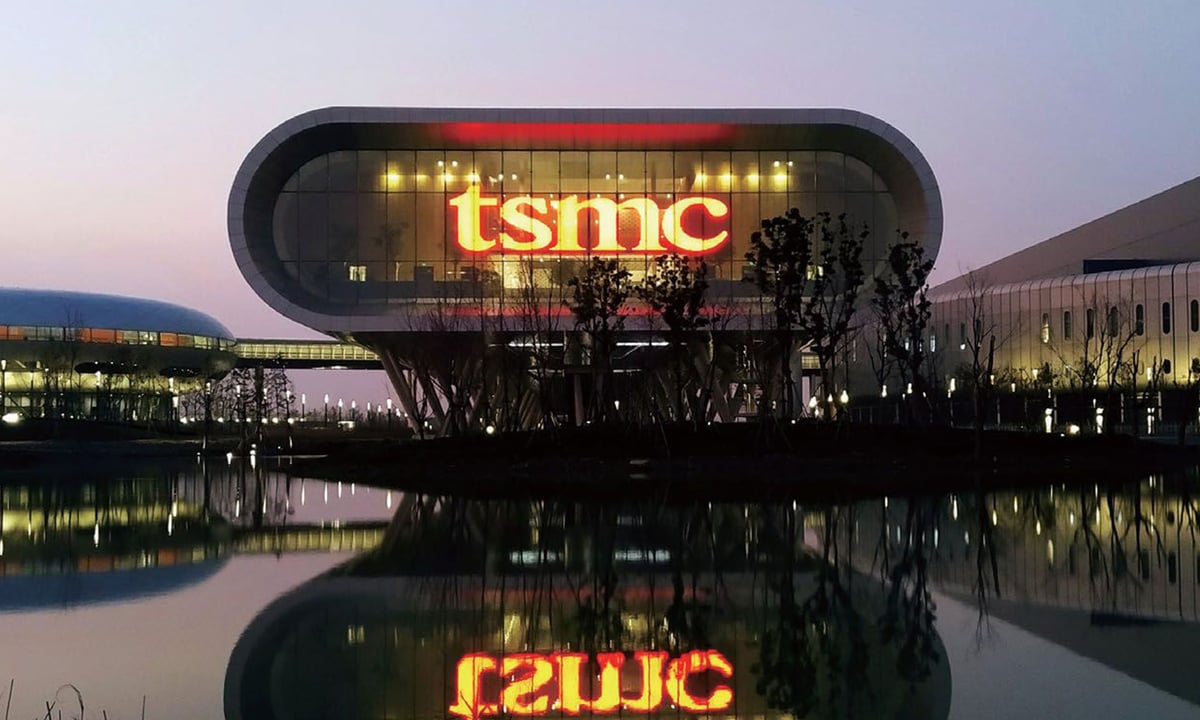
Taiwan Semiconductor Demand Surge Boosts Investor Sentiment

- Demand Growth: Taiwan Semiconductor's ongoing demand increase reflects strong market appetite for semiconductor products, which is expected to drive future revenue growth for the company.
- Investor Confidence: As demand rises, investor confidence in Taiwan Semiconductor strengthens, with stock prices rising 0.42% on the afternoon of April 30, 2026, indicating optimistic market expectations for its future performance.
- Market Outlook: The overall growth trend in the semiconductor industry provides a favorable market environment for Taiwan Semiconductor, potentially attracting more investor attention to its stock and further driving price increases.
- Strategic Implications: The sustained demand growth for Taiwan Semiconductor not only helps solidify its market leadership but may also prompt the company to increase R&D investments to maintain technological leadership and competitive edge.
See More

Market Pullback May Present Long-Term Buying Opportunities

- TSMC's Market Position: Taiwan Semiconductor Manufacturing (TSM) holds over two-thirds of the global foundry market share, and despite the chip industry's efforts to reduce dependence on it, the ongoing demand for AI processing chips has led to a consistent bullish trend since late 2022, indicating strong future potential.
- Roku's Financial Performance: Roku's Q1 revenue increased by 22% year-over-year, with a 27% improvement in gross profit, demonstrating its resilience and adaptability in the streaming industry; despite misconceptions about its business model, it profits regardless of the streaming services' popularity, showcasing robust market competitiveness.
- Growth Potential of Arm Holdings: Arm Holdings (ARM) has seen a 70% increase recently, and although it has pulled back, its price-to-earnings ratio remains above 100, reflecting market expectations for its future profitability, especially as significant agreements with Meta and OpenAI have yet to fully impact its financials, suggesting long-term investment benefits.
- Market Sentiment Shift: Despite the market rally in April, high valuations and mixed first-quarter earnings reports have led investors to reconsider their strategies, potentially resulting in another market correction that could present long-term buying opportunities.
See More
AI Infrastructure Investment Continues to Surge
- Significant Capex Increase: Alphabet has raised its capital expenditure range from $175 billion to $185 billion to $180 billion to $190 billion, with expectations for significant increases in spending by 2026, which signals positive prospects for the semiconductor industry, particularly for companies like Broadcom.
- Broadcom's Market Outlook: Broadcom's agreement with Alphabet extends through 2031, and its AI revenue is projected to reach $100 billion by 2027, a substantial increase from $15 billion in 2025, showcasing its strong position in the ASIC market.
- TSMC's Growth Potential: Taiwan Semiconductor expects sales to grow over 30% this year, holding about 90% of the AI chip market, and with increasing processor demand from tech giants like Alphabet, TSMC's market demand will remain robust.
- Nvidia's Competitive Edge: Nvidia commands an 86% market share in AI data centers; while Alphabet utilizes its own TPUs, it still needs to purchase Nvidia GPUs to meet computing demands, indicating that Nvidia will continue to benefit from ongoing AI infrastructure investments.
See More
Alphabet Increases AI Spending, Benefiting Broadcom
- Increased Capital Expenditure: Alphabet has raised its capital expenditure range from $175 billion to $185 billion to $180 billion to $190 billion, which is expected to accelerate the rapid development of AI infrastructure, thereby creating significant revenue growth opportunities for semiconductor companies like Broadcom.
- Broadcom's Market Outlook: Broadcom anticipates that its AI revenue will reach $100 billion by 2027, a substantial increase from $15 billion in fiscal 2025, indicating strong demand in the AI chip market, particularly as its collaboration with Alphabet solidifies its market position.
- Taiwan Semiconductor's Growth Potential: TSMC expects sales to increase by over 30% this year and holds about 90% of the AI chip market, with ongoing demand for processors from major tech companies, keeping TSMC's production capacity in focus.
- Nvidia's Market Dominance: Nvidia commands an 86% market share in AI data center revenue, and despite Alphabet utilizing its own TPUs, it still relies on Nvidia's GPUs to meet compute demands, indicating that the continued growth in AI infrastructure investment will further boost Nvidia's performance.
See More
2026 AI Investment Outlook: Top Tech Stocks
- Cloud Investment Surge: Alphabet and Amazon are investing hundreds of billions annually in data center capital expenditures, and while this high spending may seem excessive in the short term, it is expected to lead to massive revenue growth as AI demand continues to rise, solidifying their leadership in the cloud computing market.
- Chipmakers' Strong Performance: Nvidia and Broadcom are currently benefiting from high demand for their high-performance processors, with Nvidia expected to grow its revenue by 72% this year and Broadcom by 63%, indicating that both companies will continue to thrive during the infrastructure build-out phase of the AI revolution.
- Global Data Center Spending Forecast: Nvidia projects that global data center spending will reach $600 billion in 2025 and soar to $3 trillion to $4 trillion by 2030, which, if realized, will yield substantial returns for shareholders of both chipmakers over the next five years.
- TSMC's Steady Growth: Taiwan Semiconductor Manufacturing reported a 41% year-over-year revenue increase in Q1 and raised its 2026 revenue growth guidance to above 30%, demonstrating strong performance amid rising AI spending, making it a solid investment choice in the AI landscape.
See More
Investment Outlook for Cloud Giants and Chip Designers
- Cloud Investment Surge: Alphabet and Amazon are investing hundreds of billions annually in data center capital expenditures, which, despite high short-term spending, is expected to lead to strong revenue growth in the future as AI demand continues to rise, particularly since their cloud computing segments are the fastest-growing units.
- Rapid Growth of Chipmakers: Nvidia and Broadcom are projected to grow revenues by 72% and 63% respectively this year, which is remarkable for companies of their size, indicating their advantageous position in the construction of AI-related data center infrastructure and continued benefits from strong market demand in the coming years.
- Taiwan Semiconductor's Neutral Bet: As a primary logic chip manufacturer, Taiwan Semiconductor has reported stellar first-quarter earnings with a 41% year-over-year revenue increase and has raised its 2026 revenue growth guidance to above 30%, reflecting optimism regarding chip demand amid rising AI spending.
- Winners in the AI Race: Taiwan Semiconductor is viewed as a neutral investment choice in the AI competition, with its chips being used not only in AI but also across various technologies, making it an ideal pick for investors seeking balanced exposure in the AI sector, thus marking it as a strong buy in May.
See More
Taiwan Semiconductor Demand Surge Boosts Investor Sentiment
- Demand Growth: Taiwan Semiconductor's ongoing demand increase reflects strong market appetite for semiconductor products, which is expected to drive future revenue growth for the company.
- Investor Confidence: As demand rises, investor confidence in Taiwan Semiconductor strengthens, with stock prices rising 0.42% on the afternoon of April 30, 2026, indicating optimistic market expectations for its future performance.
- Market Outlook: The overall growth trend in the semiconductor industry provides a favorable market environment for Taiwan Semiconductor, potentially attracting more investor attention to its stock and further driving price increases.
- Strategic Implications: The sustained demand growth for Taiwan Semiconductor not only helps solidify its market leadership but may also prompt the company to increase R&D investments to maintain technological leadership and competitive edge.
See More
Market Pullback May Present Long-Term Buying Opportunities
- TSMC's Market Position: Taiwan Semiconductor Manufacturing (TSM) holds over two-thirds of the global foundry market share, and despite the chip industry's efforts to reduce dependence on it, the ongoing demand for AI processing chips has led to a consistent bullish trend since late 2022, indicating strong future potential.
- Roku's Financial Performance: Roku's Q1 revenue increased by 22% year-over-year, with a 27% improvement in gross profit, demonstrating its resilience and adaptability in the streaming industry; despite misconceptions about its business model, it profits regardless of the streaming services' popularity, showcasing robust market competitiveness.
- Growth Potential of Arm Holdings: Arm Holdings (ARM) has seen a 70% increase recently, and although it has pulled back, its price-to-earnings ratio remains above 100, reflecting market expectations for its future profitability, especially as significant agreements with Meta and OpenAI have yet to fully impact its financials, suggesting long-term investment benefits.
- Market Sentiment Shift: Despite the market rally in April, high valuations and mixed first-quarter earnings reports have led investors to reconsider their strategies, potentially resulting in another market correction that could present long-term buying opportunities.
See More