Market Competition Analysis of Uber and DoorDash
Written by Emily J. Thompson, Senior Investment Analyst
Updated: 1 hour ago
0mins

Should l Buy UBER?
Source: NASDAQ.COM
- Uber User Base: Over 200 million people use Uber's platform monthly for ride-hailing, food delivery, and freight services, indicating its strong market presence, with future growth likely driven by autonomous technology advancements.
- DoorDash Market Share: DoorDash holds over 60% market share in the U.S. food delivery sector and has expanded into over 40 countries, showcasing its robust growth and diversification strategy in the global market.
- Investment in Autonomous Technology: Uber has signed agreements with over 20 companies to develop self-driving vehicles, which could significantly reduce its $85.4 billion driver expenses, thereby boosting revenue and profitability while enhancing competitive positioning.
- Financial Performance Comparison: In 2025, Uber reported total revenue of $52 billion, while DoorDash generated $13.7 billion; despite DoorDash's higher growth rate, Uber's potential in the autonomous sector makes it a more attractive long-term investment.
Trade with 70% Backtested Accuracy
Stop guessing "Should I Buy UBER?" and start using high-conviction signals backed by rigorous historical data.
Sign up today to access powerful investing tools and make smarter, data-driven decisions.
Analyst Views on UBER
Wall Street analysts forecast UBER stock price to rise
32 Analyst Rating
28 Buy
3 Hold
1 Sell
Strong Buy
Current: 75.340

Low
72.00
Averages
107.10
High
150.00
Current: 75.340
Low
72.00
Averages
107.10
High
150.00
About UBER
Uber Technologies, Inc. operates a technology platform that uses network and technology to power movement from point A to point B. It develops and operates technology applications supporting a variety of offerings on its platform (platform(s)). Its segments include Mobility, Delivery and Freight. Mobility products connect consumers with drivers who provide rides in a variety of vehicles, such as cars, auto rickshaws, motorbikes, minibuses, or taxis. Delivery offerings allow consumers to search for and discover local restaurants, order a meal, and either pick-up at the restaurant or have the meal delivered. In certain markets, the Delivery segment provides offerings for grocery, alcohol, and convenience store delivery as well as select other goods. The Freight segment connects carriers with shippers on its platform, and gives carriers upfront, pricing and the ability to book a shipment. The Freight segment also includes transportation management and other logistics service offerings.
About the author

Emily J. Thompson
Emily J. Thompson, a Chartered Financial Analyst (CFA) with 12 years in investment research, graduated with honors from the Wharton School. Specializing in industrial and technology stocks, she provides in-depth analysis for Intellectia’s earnings and market brief reports.

Autonomous Vehicles Set to Expand Ride-Hailing Market

- Market Expansion Potential: Uber believes that autonomous vehicles (AVs) will lower ride costs by increasing the number of available vehicles, thereby attracting more users and expanding the overall ride-hailing market rather than merely redistributing existing riders.
- Data-Driven Growth: In cities like Austin and Atlanta, Uber's AV network has significantly increased ride frequency, with data showing that these areas have experienced faster trip growth than other markets, while the number of human drivers and their earnings have also increased year-over-year, indicating overall market expansion.
- Strategic Technology Partnerships: Uber's strategy of partnering with multiple autonomous technology companies instead of developing its own self-driving platform allows it to focus on aggregating demand and efficiently matching supply, maintaining its central role in one of the world's largest mobility marketplaces.
- Future Outlook: Although AV rides currently account for only 0.1% of global ride-hailing trips, as technology matures and costs decrease, Uber is poised to capture a significant share of the future multi-trillion-dollar market, further solidifying its market leadership position.
See More
Uber's Driverless Strategy and Partnerships

- Rich Partnerships: Uber has established over 20 active partnerships in driverless technology, including major players like Stellantis, Nvidia, Amazon's Zoox, and Alphabet's Waymo, allowing it to leverage its existing global network and data, thereby reducing development risks and accelerating commercialization.
- Capital Risk Avoidance: By opting for a platform-as-a-service model instead of manufacturing its own driverless vehicles, Uber avoids high-risk capital investments and focuses on becoming an aggregator of driverless vehicles, enhancing its competitive edge in the market.
- Investment in Software Integration: Uber's investments in software integration and in-car experience position it as a crucial partner for manufacturers and tech companies in the robotaxi sector, further strengthening its market position and technological advantage.
- Future Growth Potential: Uber's expanded partnership with Nvidia aims to deploy Level 4 self-driving across 28 cities by 2028, which is expected to expand revenue by eliminating fleet ownership and driver costs, significantly reducing risks and providing substantial upside for investors.
See More

Uber's Driverless Strategy and Partnerships
- Partnership Expansion: Uber currently has over 20 active partnerships in driverless vehicles, including Stellantis, Nvidia, Amazon's Zoox, and Alphabet's Waymo, allowing it to leverage its existing global network and user base, thereby reducing development risks and accelerating technology commercialization.
- Platform-as-a-Service Model: By opting not to manufacture vehicles directly, Uber adopts a platform-as-a-service model, focusing on becoming an aggregator of driverless vehicles, which not only avoids capital-intensive development risks but also enhances its market competitiveness through software integration and user experience improvements.
- Significant Market Potential: Driverless vehicles have the potential to greatly improve transportation safety, reduce congestion, and provide better mobility for non-drivers, positioning Uber favorably in the future robotaxi market and driving revenue growth.
- Investment and Risk Management: Uber's investments in software integration and in-car experience make it a crucial partner for top manufacturers and tech companies in the robotaxi space, mitigating the impact of any single partnership failure on overall development, thus enhancing the company's long-term growth potential.
See More

Market Competition Analysis of Uber and DoorDash

- Uber User Base: Over 200 million people use Uber's platform monthly for ride-hailing, food delivery, and freight services, indicating its strong market presence, with future growth likely driven by autonomous technology advancements.
- DoorDash Market Share: DoorDash holds over 60% market share in the U.S. food delivery sector and has expanded into over 40 countries, showcasing its robust growth and diversification strategy in the global market.
- Investment in Autonomous Technology: Uber has signed agreements with over 20 companies to develop self-driving vehicles, which could significantly reduce its $85.4 billion driver expenses, thereby boosting revenue and profitability while enhancing competitive positioning.
- Financial Performance Comparison: In 2025, Uber reported total revenue of $52 billion, while DoorDash generated $13.7 billion; despite DoorDash's higher growth rate, Uber's potential in the autonomous sector makes it a more attractive long-term investment.
See More
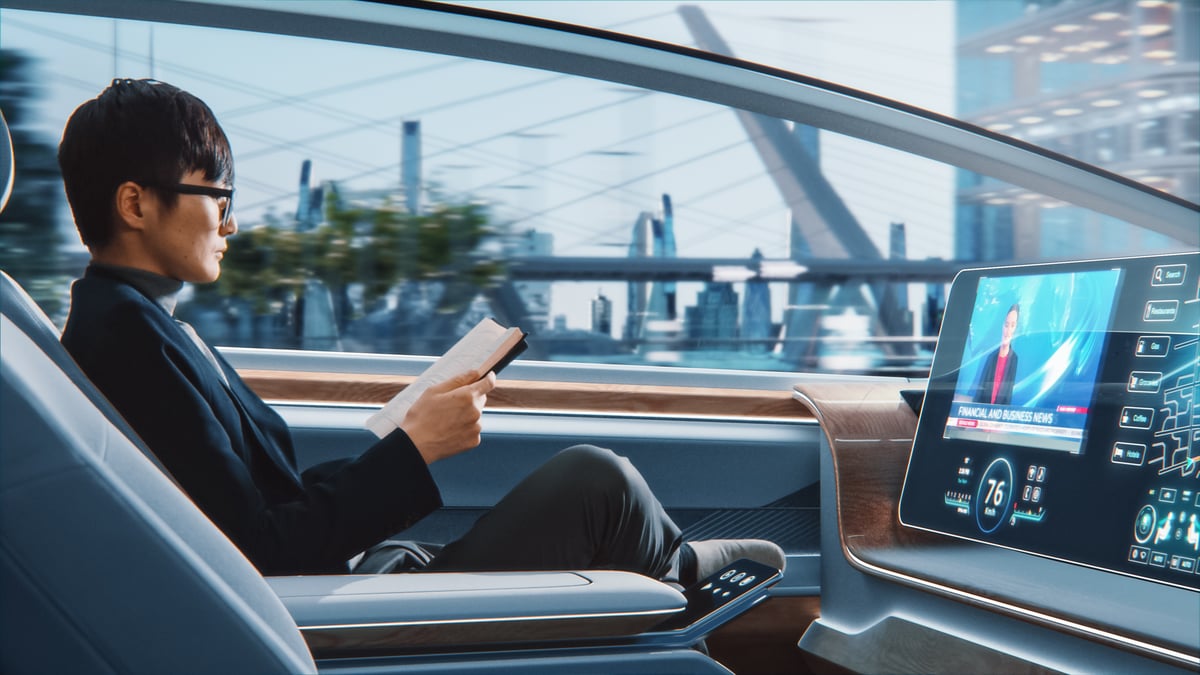
Uber vs. DoorDash: Future Competition in Autonomous Delivery
- Uber's Market Potential: With over 200 million users monthly, Uber achieved a record $193.4 billion in gross bookings in 2025, and despite paying out $85.4 billion to drivers, the deployment of autonomous technology could significantly boost its revenue and profits, further solidifying its market leadership.
- Strategic Importance of Autonomy: By signing agreements with over 20 self-driving companies, Uber aims to enhance operational efficiency and provide 24/7 service, potentially capturing more bookings and driving long-term growth by reducing reliance on human drivers.
- DoorDash's Market Advantage: Dominating over 60% of the U.S. food delivery market, DoorDash generated $13.7 billion in total revenue in 2025, up 28% year-over-year, and the launch of its self-driving robot Dot is expected to further reduce operational costs.
- Financial Performance Comparison: DoorDash reported a net income of $935 million, a staggering 660% increase, while Uber's price-to-sales ratio stands at 3.2, significantly lower than DoorDash's 5.4, indicating Uber's greater potential in the future autonomous market and a more attractive valuation.
See More
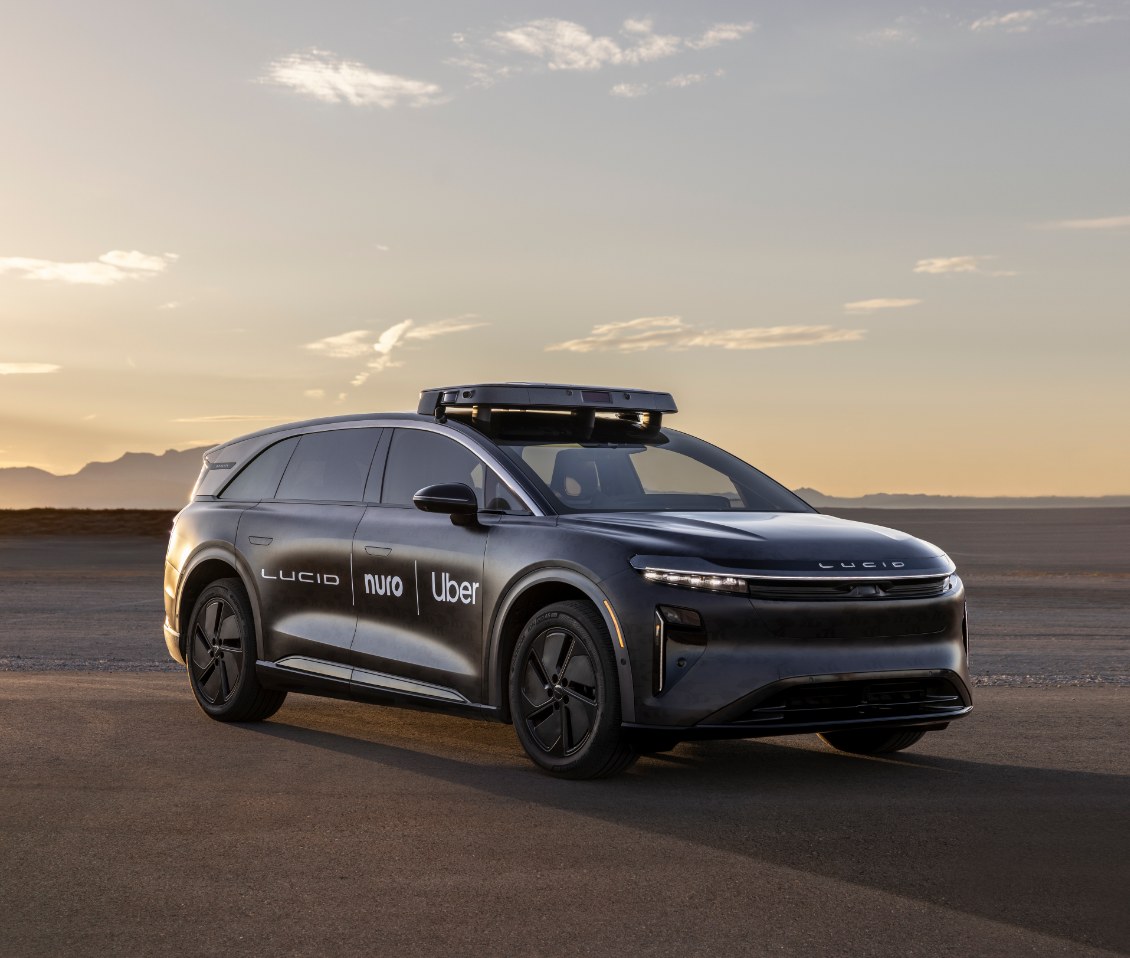
Lucid Expands Driverless Vehicle Partnership with Uber

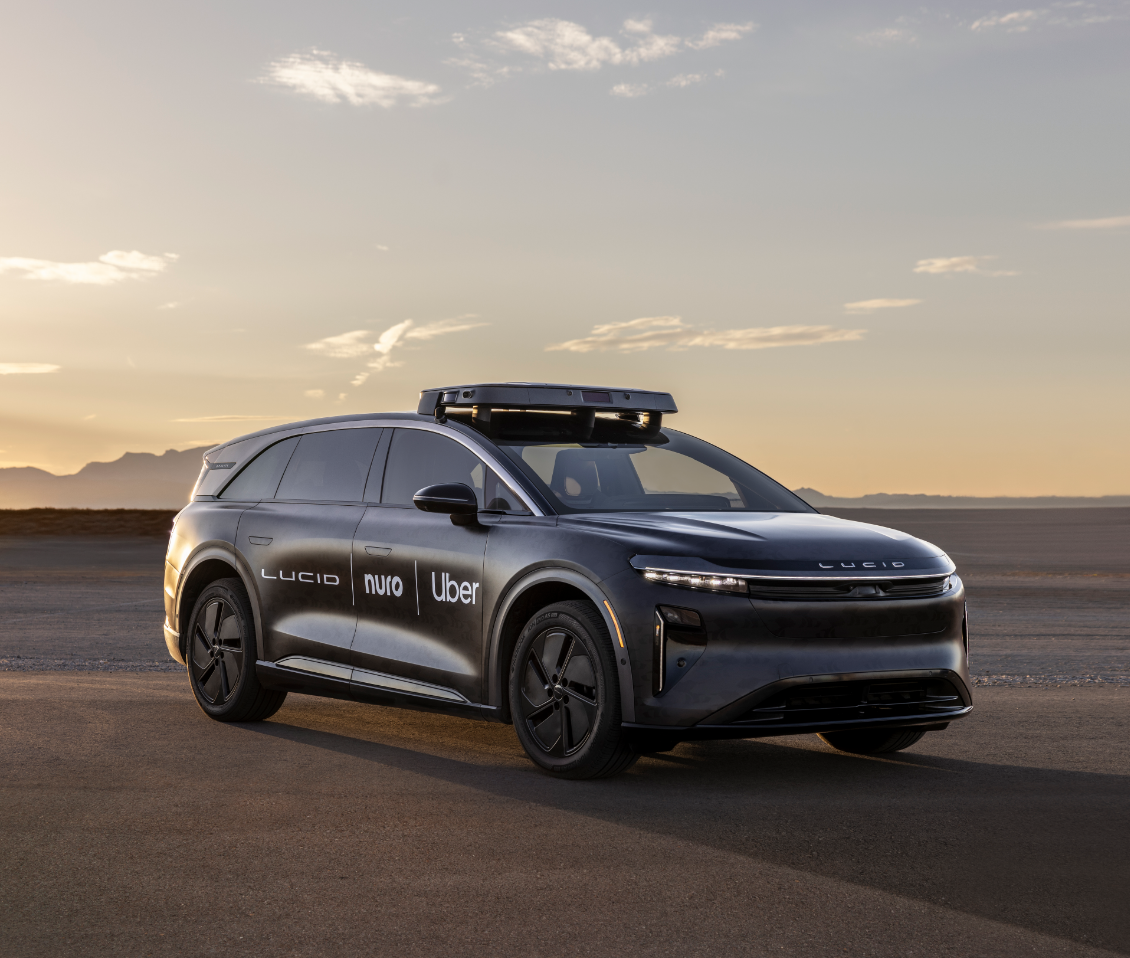
- Strategic Partnership Upgrade: Lucid's agreement with Uber integrates Nuro's autonomous technology, aiming to provide over 20,000 Lucid Gravity SUVs for Uber's platform over six years, backed by a $300 million investment from Uber, despite significant challenges in achieving commercial scale delivery.
- Model Expansion Plan: Lucid's upcoming midsize EV platform is set to be deployed as robotaxis, with plans to double the program's scope to about 40,000 vehicles; however, while Lucid has achieved eight consecutive quarters of record deliveries, scaling production remains a time-consuming process.
- Product Line Innovation: New models from Lucid include Cosmos, Earth, and Lunar, with Lunar being a dedicated two-seat robotaxi concept designed to optimize economic efficiency, although its market positioning still requires further validation.
- Market Competition Pressure: Despite Lucid's strategic expansion appearing positive, Uber's existing partnerships with over 20 driverless vehicle companies, without manufacturing involvement, may make it more attractive to investors, prompting Lucid to focus on improving the unit economics of the Gravity SUV to maintain competitiveness.
See More
Autonomous Vehicles Set to Expand Ride-Hailing Market
- Market Expansion Potential: Uber believes that autonomous vehicles (AVs) will lower ride costs by increasing the number of available vehicles, thereby attracting more users and expanding the overall ride-hailing market rather than merely redistributing existing riders.
- Data-Driven Growth: In cities like Austin and Atlanta, Uber's AV network has significantly increased ride frequency, with data showing that these areas have experienced faster trip growth than other markets, while the number of human drivers and their earnings have also increased year-over-year, indicating overall market expansion.
- Strategic Technology Partnerships: Uber's strategy of partnering with multiple autonomous technology companies instead of developing its own self-driving platform allows it to focus on aggregating demand and efficiently matching supply, maintaining its central role in one of the world's largest mobility marketplaces.
- Future Outlook: Although AV rides currently account for only 0.1% of global ride-hailing trips, as technology matures and costs decrease, Uber is poised to capture a significant share of the future multi-trillion-dollar market, further solidifying its market leadership position.
See More
Uber's Driverless Strategy and Partnerships
- Rich Partnerships: Uber has established over 20 active partnerships in driverless technology, including major players like Stellantis, Nvidia, Amazon's Zoox, and Alphabet's Waymo, allowing it to leverage its existing global network and data, thereby reducing development risks and accelerating commercialization.
- Capital Risk Avoidance: By opting for a platform-as-a-service model instead of manufacturing its own driverless vehicles, Uber avoids high-risk capital investments and focuses on becoming an aggregator of driverless vehicles, enhancing its competitive edge in the market.
- Investment in Software Integration: Uber's investments in software integration and in-car experience position it as a crucial partner for manufacturers and tech companies in the robotaxi sector, further strengthening its market position and technological advantage.
- Future Growth Potential: Uber's expanded partnership with Nvidia aims to deploy Level 4 self-driving across 28 cities by 2028, which is expected to expand revenue by eliminating fleet ownership and driver costs, significantly reducing risks and providing substantial upside for investors.
See More
Uber's Driverless Strategy and Partnerships
- Partnership Expansion: Uber currently has over 20 active partnerships in driverless vehicles, including Stellantis, Nvidia, Amazon's Zoox, and Alphabet's Waymo, allowing it to leverage its existing global network and user base, thereby reducing development risks and accelerating technology commercialization.
- Platform-as-a-Service Model: By opting not to manufacture vehicles directly, Uber adopts a platform-as-a-service model, focusing on becoming an aggregator of driverless vehicles, which not only avoids capital-intensive development risks but also enhances its market competitiveness through software integration and user experience improvements.
- Significant Market Potential: Driverless vehicles have the potential to greatly improve transportation safety, reduce congestion, and provide better mobility for non-drivers, positioning Uber favorably in the future robotaxi market and driving revenue growth.
- Investment and Risk Management: Uber's investments in software integration and in-car experience make it a crucial partner for top manufacturers and tech companies in the robotaxi space, mitigating the impact of any single partnership failure on overall development, thus enhancing the company's long-term growth potential.
See More
Market Competition Analysis of Uber and DoorDash
- Uber User Base: Over 200 million people use Uber's platform monthly for ride-hailing, food delivery, and freight services, indicating its strong market presence, with future growth likely driven by autonomous technology advancements.
- DoorDash Market Share: DoorDash holds over 60% market share in the U.S. food delivery sector and has expanded into over 40 countries, showcasing its robust growth and diversification strategy in the global market.
- Investment in Autonomous Technology: Uber has signed agreements with over 20 companies to develop self-driving vehicles, which could significantly reduce its $85.4 billion driver expenses, thereby boosting revenue and profitability while enhancing competitive positioning.
- Financial Performance Comparison: In 2025, Uber reported total revenue of $52 billion, while DoorDash generated $13.7 billion; despite DoorDash's higher growth rate, Uber's potential in the autonomous sector makes it a more attractive long-term investment.
See More
Uber vs. DoorDash: Future Competition in Autonomous Delivery
- Uber's Market Potential: With over 200 million users monthly, Uber achieved a record $193.4 billion in gross bookings in 2025, and despite paying out $85.4 billion to drivers, the deployment of autonomous technology could significantly boost its revenue and profits, further solidifying its market leadership.
- Strategic Importance of Autonomy: By signing agreements with over 20 self-driving companies, Uber aims to enhance operational efficiency and provide 24/7 service, potentially capturing more bookings and driving long-term growth by reducing reliance on human drivers.
- DoorDash's Market Advantage: Dominating over 60% of the U.S. food delivery market, DoorDash generated $13.7 billion in total revenue in 2025, up 28% year-over-year, and the launch of its self-driving robot Dot is expected to further reduce operational costs.
- Financial Performance Comparison: DoorDash reported a net income of $935 million, a staggering 660% increase, while Uber's price-to-sales ratio stands at 3.2, significantly lower than DoorDash's 5.4, indicating Uber's greater potential in the future autonomous market and a more attractive valuation.
See More
Lucid Expands Driverless Vehicle Partnership with Uber
- Strategic Partnership Upgrade: Lucid's agreement with Uber integrates Nuro's autonomous technology, aiming to provide over 20,000 Lucid Gravity SUVs for Uber's platform over six years, backed by a $300 million investment from Uber, despite significant challenges in achieving commercial scale delivery.
- Model Expansion Plan: Lucid's upcoming midsize EV platform is set to be deployed as robotaxis, with plans to double the program's scope to about 40,000 vehicles; however, while Lucid has achieved eight consecutive quarters of record deliveries, scaling production remains a time-consuming process.
- Product Line Innovation: New models from Lucid include Cosmos, Earth, and Lunar, with Lunar being a dedicated two-seat robotaxi concept designed to optimize economic efficiency, although its market positioning still requires further validation.
- Market Competition Pressure: Despite Lucid's strategic expansion appearing positive, Uber's existing partnerships with over 20 driverless vehicle companies, without manufacturing involvement, may make it more attractive to investors, prompting Lucid to focus on improving the unit economics of the Gravity SUV to maintain competitiveness.
See More