Tesla to Build Own Semiconductor Facility Amid Supply Chain Challenges
Written by Emily J. Thompson, Senior Investment Analyst
Updated: 1 hour ago
0mins
Should l Buy TSLA?
Source: seekingalpha
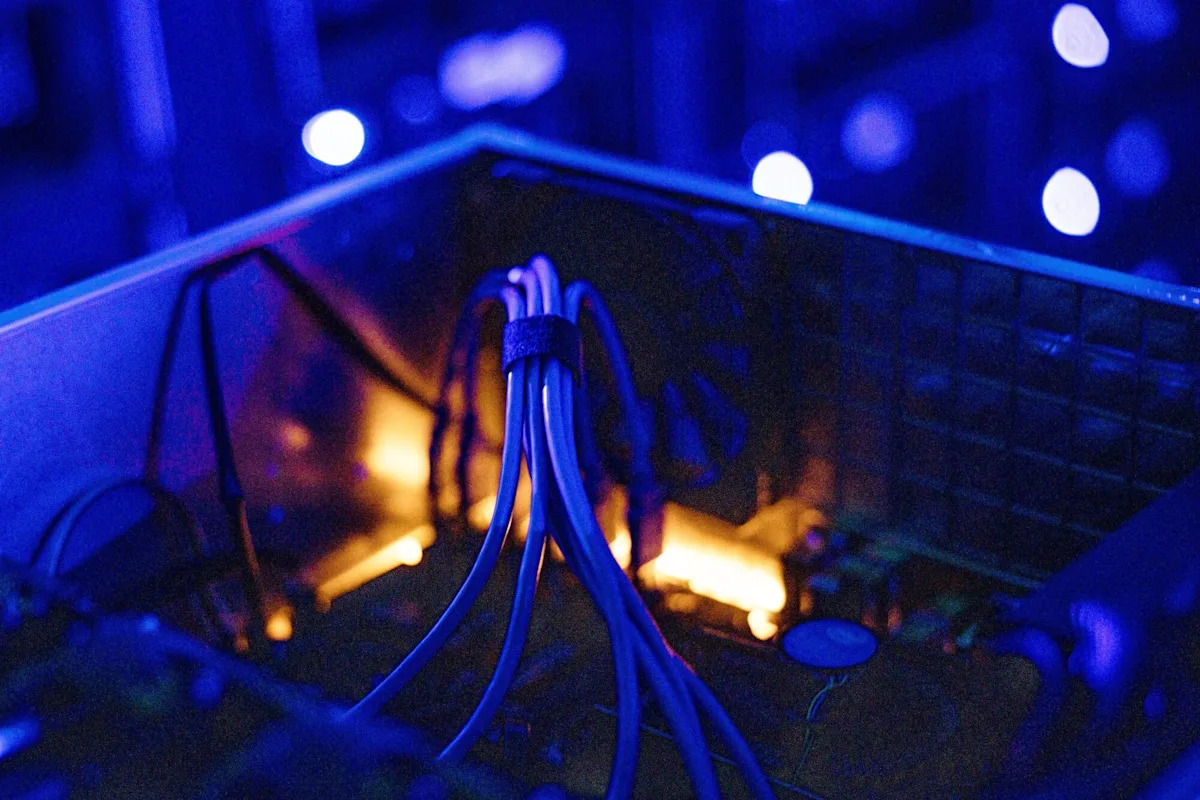
- Building Own Fab: Tesla plans to commence work on its semiconductor facility this weekend, with Morgan Stanley analysts noting that the construction costs could exceed $35 billion to $45 billion, marking one of Musk's most Herculean tasks.
- Funding Pressure: Tesla reported a cash balance of $16.5 billion in its latest earnings, and with a capital expenditure plan of $20 billion for 2026, it may need to raise outside capital to complete the new factory.
- Surge in Capacity Demand: Tesla aims to produce 100 million Optimus robots annually, which would require over 200 million chips, significantly exceeding the current chip usage in its automotive and robotaxi business, highlighting the urgent need for internal production capacity.
- Geopolitical Risk Consideration: Musk indicated that increasing geopolitical risks threaten the supply chain, and Tesla's initiative to build its own fab aims to reduce reliance on external suppliers to ensure production stability in the future.
Trade with 70% Backtested Accuracy
Stop guessing "Should I Buy TSLA?" and start using high-conviction signals backed by rigorous historical data.
Sign up today to access powerful investing tools and make smarter, data-driven decisions.
Analyst Views on TSLA
Wall Street analysts forecast TSLA stock price to rise
30 Analyst Rating
12 Buy
11 Hold
7 Sell
Hold
Current: 380.300

Low
25.28
Averages
401.93
High
600.00
Current: 380.300
Low
25.28
Averages
401.93
High
600.00
About TSLA
Tesla, Inc. designs, develops, manufactures, sells and leases high-performance fully electric vehicles and energy generation and storage systems, and offers services related to its products. Its segments include automotive, and energy generation and storage. The automotive segment includes the design, development, manufacturing, sales and leasing of high-performance fully electric vehicles, and sales of automotive regulatory credits. It also includes sales of used vehicles, non-warranty maintenance services and collisions, part sales, paid supercharging, insurance services revenue and retail merchandise sales. The energy generation and storage segment include the design, manufacture, installation, sales and leasing of solar energy generation and energy storage products and related services and sales of solar energy systems incentives. Its consumer vehicles include the Model 3, Y, S, X and Cybertruck. Its lithium-ion battery energy storage products include Powerwall and Megapack.
About the author

Emily J. Thompson
Emily J. Thompson, a Chartered Financial Analyst (CFA) with 12 years in investment research, graduated with honors from the Wharton School. Specializing in industrial and technology stocks, she provides in-depth analysis for Intellectia’s earnings and market brief reports.
Tesla's Semi Truck Deliveries Accelerate

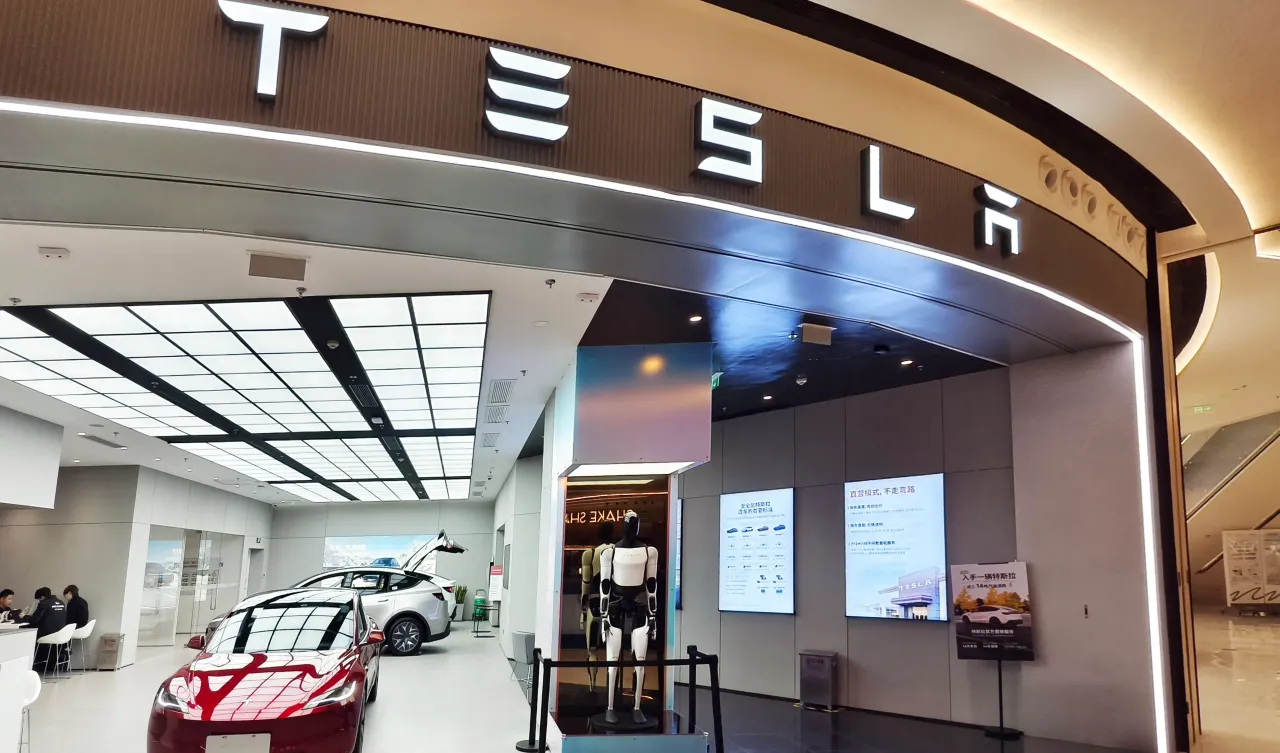
- Semi Truck Delivery Plan: Tesla is set to begin deliveries of its Semi trucks from the Nevada Gigafactory this summer, with expectations to ship between 5,000 and 15,000 units in 2026, ramping up to an annual production of 50,000 units, indicating strong growth potential in the electric truck market.
- Regulatory Pressure on FSD: The National Highway Traffic Safety Administration (NHTSA) has expanded its probe into Tesla's Full Self-Driving (FSD) system, now covering over 3.2 million vehicles, focusing on its performance in low visibility conditions, which could negatively impact the company's future compliance and market confidence.
- Solar Expansion Plans: Tesla plans to purchase approximately $2.9 billion worth of solar manufacturing equipment from Chinese suppliers, aiming to deploy 100 gigawatts of solar capacity in the U.S. by 2028 to meet rising electricity demand, particularly driven by AI infrastructure.
- Market Sentiment Shift: Although Tesla shares rose nearly 1% in premarket trading on Friday, retail sentiment on Stocktwits remains 'bearish' due to regulatory concerns surrounding the FSD system, reflecting cautious investor attitudes towards the company's future performance.
See More
NHTSA Intensifies Investigation into Tesla's FSD Safety Issues
- Investigation Escalation: The NHTSA has intensified its investigation into Tesla's Full Self-Driving (FSD) system, covering 3.2 million vehicles built since 2016, as potential safety defects may arise in low visibility conditions, posing a recall risk for Tesla if defects are confirmed.
- System Deficiencies: NHTSA's findings indicate that in nine studied incidents, the degradation detection system of FSD failed to timely identify common roadway conditions that impaired camera visibility, resulting in no alerts before crashes, including one fatal incident involving a pedestrian, highlighting the system's inherent dangers.
- Potential Costs: Should NHTSA mandate a recall, Tesla may need to develop a software update to comply with investigation requirements, which might not incur significant financial losses; however, if forced to rename or disable the FSD system, it could severely impact Tesla's cash flow and reputation.
- Investor Vigilance: While Tesla's stock often appears resilient to negative news, a recall or ban on the FSD system would fundamentally affect the investment narrative surrounding Tesla, prompting investors to closely monitor NHTSA's developments for potential market implications.
See More
NHTSA Intensifies Investigation into Tesla's Full Self-Driving System
- Investigation Escalation: The NHTSA has intensified its investigation into Tesla's Full Self-Driving (FSD) system, covering 3.2 million Teslas built since 2016, focusing on safety concerns in low visibility conditions.
- Safety Concerns: Investigators found that in nine studied incidents, the degradation detection system failed to timely identify common roadway conditions impairing camera visibility, resulting in no alerts before crashes, including one fatal incident involving a pedestrian.
- Recall Risk: Should NHTSA's analysis reveal defects, it could mandate a recall, although Tesla might address issues through software updates; however, this could significantly impact the company's reputation and finances.
- Market Reaction Watch: While Tesla's stock has shown resilience to negative news, a recall or ban on the FSD system could profoundly affect investor confidence, particularly following recent accidents involving its small robotaxi fleet.
See More
NHTSA Intensifies Investigation into Tesla's FSD System

- Investigation Escalation: The NHTSA has intensified its investigation into Tesla's Full Self-Driving (FSD) system, covering 3.2 million vehicles built since 2016, amid concerns that safety defects may render FSD dangerous under low visibility conditions.
- System Defect Risks: NHTSA's findings indicate that in nine studied incidents, the degradation detection system failed to recognize common roadway conditions that impaired camera visibility, resulting in no alerts until just before crashes occurred, including one fatal incident involving a pedestrian.
- Recall Possibility: Should NHTSA's engineering analysis reveal issues with the degradation detection system, a recall could be mandated; while Tesla might implement a software update to address concerns, a determination that the camera-only system is inherently unsafe could necessitate costly hardware upgrades.
- Investor Attention: Although Tesla's stock often appears resilient to negative news, a serious recall or ban regarding the FSD system would significantly impact Tesla's investment narrative, prompting investors to closely monitor NHTSA's developments for potential financial repercussions and market reactions.
See More
Tesla to Build Own Semiconductor Facility Amid Supply Chain Challenges

- Building Own Fab: Tesla plans to commence work on its semiconductor facility this weekend, with Morgan Stanley analysts noting that the construction costs could exceed $35 billion to $45 billion, marking one of Musk's most Herculean tasks.
- Funding Pressure: Tesla reported a cash balance of $16.5 billion in its latest earnings, and with a capital expenditure plan of $20 billion for 2026, it may need to raise outside capital to complete the new factory.
- Surge in Capacity Demand: Tesla aims to produce 100 million Optimus robots annually, which would require over 200 million chips, significantly exceeding the current chip usage in its automotive and robotaxi business, highlighting the urgent need for internal production capacity.
- Geopolitical Risk Consideration: Musk indicated that increasing geopolitical risks threaten the supply chain, and Tesla's initiative to build its own fab aims to reduce reliance on external suppliers to ensure production stability in the future.
See More
Uber's Driverless Strategy and Partnerships


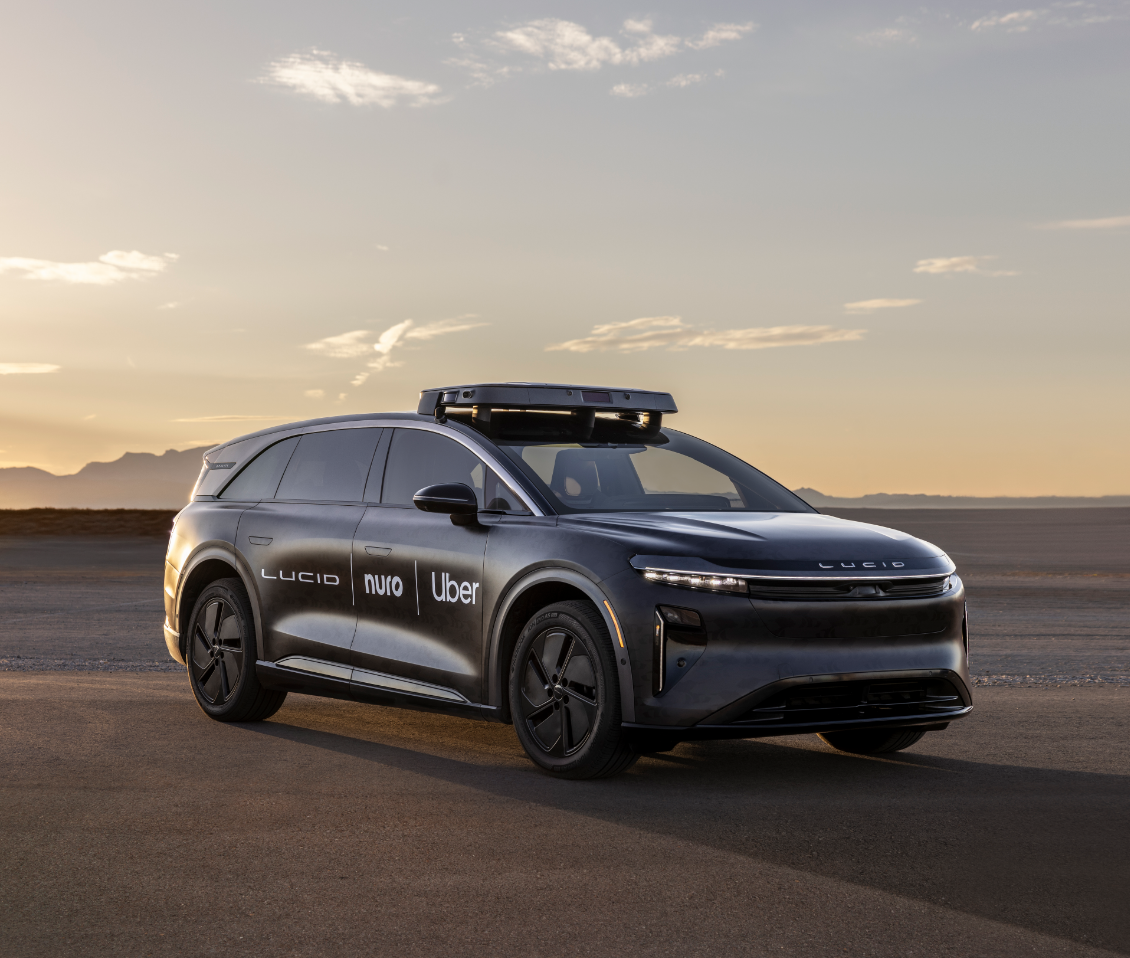
- Rich Partnerships: Uber has established over 20 active partnerships in driverless technology, including major players like Stellantis, Nvidia, Amazon's Zoox, and Alphabet's Waymo, allowing it to leverage its existing global network and data, thereby reducing development risks and accelerating commercialization.
- Capital Risk Avoidance: By opting for a platform-as-a-service model instead of manufacturing its own driverless vehicles, Uber avoids high-risk capital investments and focuses on becoming an aggregator of driverless vehicles, enhancing its competitive edge in the market.
- Investment in Software Integration: Uber's investments in software integration and in-car experience position it as a crucial partner for manufacturers and tech companies in the robotaxi sector, further strengthening its market position and technological advantage.
- Future Growth Potential: Uber's expanded partnership with Nvidia aims to deploy Level 4 self-driving across 28 cities by 2028, which is expected to expand revenue by eliminating fleet ownership and driver costs, significantly reducing risks and providing substantial upside for investors.
See More
Tesla's Semi Truck Deliveries Accelerate
- Semi Truck Delivery Plan: Tesla is set to begin deliveries of its Semi trucks from the Nevada Gigafactory this summer, with expectations to ship between 5,000 and 15,000 units in 2026, ramping up to an annual production of 50,000 units, indicating strong growth potential in the electric truck market.
- Regulatory Pressure on FSD: The National Highway Traffic Safety Administration (NHTSA) has expanded its probe into Tesla's Full Self-Driving (FSD) system, now covering over 3.2 million vehicles, focusing on its performance in low visibility conditions, which could negatively impact the company's future compliance and market confidence.
- Solar Expansion Plans: Tesla plans to purchase approximately $2.9 billion worth of solar manufacturing equipment from Chinese suppliers, aiming to deploy 100 gigawatts of solar capacity in the U.S. by 2028 to meet rising electricity demand, particularly driven by AI infrastructure.
- Market Sentiment Shift: Although Tesla shares rose nearly 1% in premarket trading on Friday, retail sentiment on Stocktwits remains 'bearish' due to regulatory concerns surrounding the FSD system, reflecting cautious investor attitudes towards the company's future performance.
See More
NHTSA Intensifies Investigation into Tesla's FSD Safety Issues
- Investigation Escalation: The NHTSA has intensified its investigation into Tesla's Full Self-Driving (FSD) system, covering 3.2 million vehicles built since 2016, as potential safety defects may arise in low visibility conditions, posing a recall risk for Tesla if defects are confirmed.
- System Deficiencies: NHTSA's findings indicate that in nine studied incidents, the degradation detection system of FSD failed to timely identify common roadway conditions that impaired camera visibility, resulting in no alerts before crashes, including one fatal incident involving a pedestrian, highlighting the system's inherent dangers.
- Potential Costs: Should NHTSA mandate a recall, Tesla may need to develop a software update to comply with investigation requirements, which might not incur significant financial losses; however, if forced to rename or disable the FSD system, it could severely impact Tesla's cash flow and reputation.
- Investor Vigilance: While Tesla's stock often appears resilient to negative news, a recall or ban on the FSD system would fundamentally affect the investment narrative surrounding Tesla, prompting investors to closely monitor NHTSA's developments for potential market implications.
See More
NHTSA Intensifies Investigation into Tesla's Full Self-Driving System
- Investigation Escalation: The NHTSA has intensified its investigation into Tesla's Full Self-Driving (FSD) system, covering 3.2 million Teslas built since 2016, focusing on safety concerns in low visibility conditions.
- Safety Concerns: Investigators found that in nine studied incidents, the degradation detection system failed to timely identify common roadway conditions impairing camera visibility, resulting in no alerts before crashes, including one fatal incident involving a pedestrian.
- Recall Risk: Should NHTSA's analysis reveal defects, it could mandate a recall, although Tesla might address issues through software updates; however, this could significantly impact the company's reputation and finances.
- Market Reaction Watch: While Tesla's stock has shown resilience to negative news, a recall or ban on the FSD system could profoundly affect investor confidence, particularly following recent accidents involving its small robotaxi fleet.
See More
NHTSA Intensifies Investigation into Tesla's FSD System
- Investigation Escalation: The NHTSA has intensified its investigation into Tesla's Full Self-Driving (FSD) system, covering 3.2 million vehicles built since 2016, amid concerns that safety defects may render FSD dangerous under low visibility conditions.
- System Defect Risks: NHTSA's findings indicate that in nine studied incidents, the degradation detection system failed to recognize common roadway conditions that impaired camera visibility, resulting in no alerts until just before crashes occurred, including one fatal incident involving a pedestrian.
- Recall Possibility: Should NHTSA's engineering analysis reveal issues with the degradation detection system, a recall could be mandated; while Tesla might implement a software update to address concerns, a determination that the camera-only system is inherently unsafe could necessitate costly hardware upgrades.
- Investor Attention: Although Tesla's stock often appears resilient to negative news, a serious recall or ban regarding the FSD system would significantly impact Tesla's investment narrative, prompting investors to closely monitor NHTSA's developments for potential financial repercussions and market reactions.
See More
Tesla to Build Own Semiconductor Facility Amid Supply Chain Challenges
- Building Own Fab: Tesla plans to commence work on its semiconductor facility this weekend, with Morgan Stanley analysts noting that the construction costs could exceed $35 billion to $45 billion, marking one of Musk's most Herculean tasks.
- Funding Pressure: Tesla reported a cash balance of $16.5 billion in its latest earnings, and with a capital expenditure plan of $20 billion for 2026, it may need to raise outside capital to complete the new factory.
- Surge in Capacity Demand: Tesla aims to produce 100 million Optimus robots annually, which would require over 200 million chips, significantly exceeding the current chip usage in its automotive and robotaxi business, highlighting the urgent need for internal production capacity.
- Geopolitical Risk Consideration: Musk indicated that increasing geopolitical risks threaten the supply chain, and Tesla's initiative to build its own fab aims to reduce reliance on external suppliers to ensure production stability in the future.
See More
Uber's Driverless Strategy and Partnerships
- Rich Partnerships: Uber has established over 20 active partnerships in driverless technology, including major players like Stellantis, Nvidia, Amazon's Zoox, and Alphabet's Waymo, allowing it to leverage its existing global network and data, thereby reducing development risks and accelerating commercialization.
- Capital Risk Avoidance: By opting for a platform-as-a-service model instead of manufacturing its own driverless vehicles, Uber avoids high-risk capital investments and focuses on becoming an aggregator of driverless vehicles, enhancing its competitive edge in the market.
- Investment in Software Integration: Uber's investments in software integration and in-car experience position it as a crucial partner for manufacturers and tech companies in the robotaxi sector, further strengthening its market position and technological advantage.
- Future Growth Potential: Uber's expanded partnership with Nvidia aims to deploy Level 4 self-driving across 28 cities by 2028, which is expected to expand revenue by eliminating fleet ownership and driver costs, significantly reducing risks and providing substantial upside for investors.
See More