Latest Analyst Reports on Apple, Walmart, and JPMorgan
Written by Emily J. Thompson, Senior Investment Analyst
Updated: Jan 21 2026
0mins


Should l Buy AAPL?
Source: NASDAQ.COM
- Apple Performance Highlight: Apple's stock has risen 20.5% over the past six months, outperforming the micro-computer industry at 19.5%, driven by strong growth in Services revenue and over 1 billion paid subscribers, with iPhone sales expected to grow in double digits, boosting overall revenue.
- Walmart Market Performance: Walmart's stock increased by 25.7% in the last six months, surpassing the supermarket industry's 23.4%, with robust execution of its omnichannel model and e-commerce growth driving performance, while management's optimistic outlook for fiscal 2026 underscores confidence in sustained growth.
- JPMorgan's Strong Business: JPMorgan's shares gained 8.4% over the past six months, despite asset quality concerns, as strong investment banking performance and loan demand will support net interest income expansion, projected to increase by approximately 7% in 2026.
- Park Aerospace Company Performance: Park Aerospace's stock rose 27.7% in the last six months, with a market cap of $499.94 million and a 40-year uninterrupted dividend history, focusing on high-complexity components, although risks include customer concentration and geopolitical uncertainty.
Trade with 70% Backtested Accuracy
Stop guessing "Should I Buy AAPL?" and start using high-conviction signals backed by rigorous historical data.
Sign up today to access powerful investing tools and make smarter, data-driven decisions.
Analyst Views on AAPL
Wall Street analysts forecast AAPL stock price to rise
27 Analyst Rating
17 Buy
9 Hold
1 Sell
Moderate Buy
Current: 293.320

Low
239.00
Averages
306.89
High
350.00
Current: 293.320
Low
239.00
Averages
306.89
High
350.00
About AAPL
Apple Inc. designs, manufactures and markets smartphones, personal computers, tablets, wearables and accessories, and sells a variety of related services. Its product categories include iPhone, Mac, iPad, Wearables, Home and Accessories. Its services include advertising, AppleCare, cloud services, digital content, and payment services. The Company operates various platforms, including the App Store, that allow customers to discover and download applications and digital content, such as books, music, video, games and podcasts. It also offers digital content through subscription-based services, including Apple Arcade, Apple Fitness+, Apple Music, Apple News+, and Apple TV+. Its wearables include smartwatches, wireless headphones, and spatial computers. Its products include iPhone 16 Pro, iPhone 16, iPhone 15, iPhone 14, iPhone SE, MacBook Air, MacBook Pro, iMac, Mac mini, Mac Studio, Mac Pro, iPad Pro, iPad Air, AirPods, AirPods Pro, AirPods Max, Apple TV, Apple Vision Pro and others.
About the author

Emily J. Thompson
Emily J. Thompson, a Chartered Financial Analyst (CFA) with 12 years in investment research, graduated with honors from the Wharton School. Specializing in industrial and technology stocks, she provides in-depth analysis for Intellectia’s earnings and market brief reports.

Apple's CEO Transition and AI Strategy Outlook

- CEO Transition Impact: Apple has announced a CEO change set for September, with Tim Cook stepping down and John Ternus taking over, which may influence the company's strategic direction, particularly in AI decision-making.
- WWDC Conference Preview: At the WWDC event on June 8, Apple is expected to unveil significant AI advancements and new software tools, potentially fueling future growth, although market expectations for AI features are already high.
- Strong Financial Performance: Apple's latest quarterly results show a market cap of $4.3 trillion, and with the stock trading at 35 times its earnings, investor sentiment remains cautious regarding future growth, which may affect short-term investment decisions.
- Investor Sentiment Shift: Despite the slow progress in Apple's AI strategy, investor sentiment is gradually rising, reflecting market anticipation for the upcoming WWDC conference, which could influence short-term stock price fluctuations.
See More
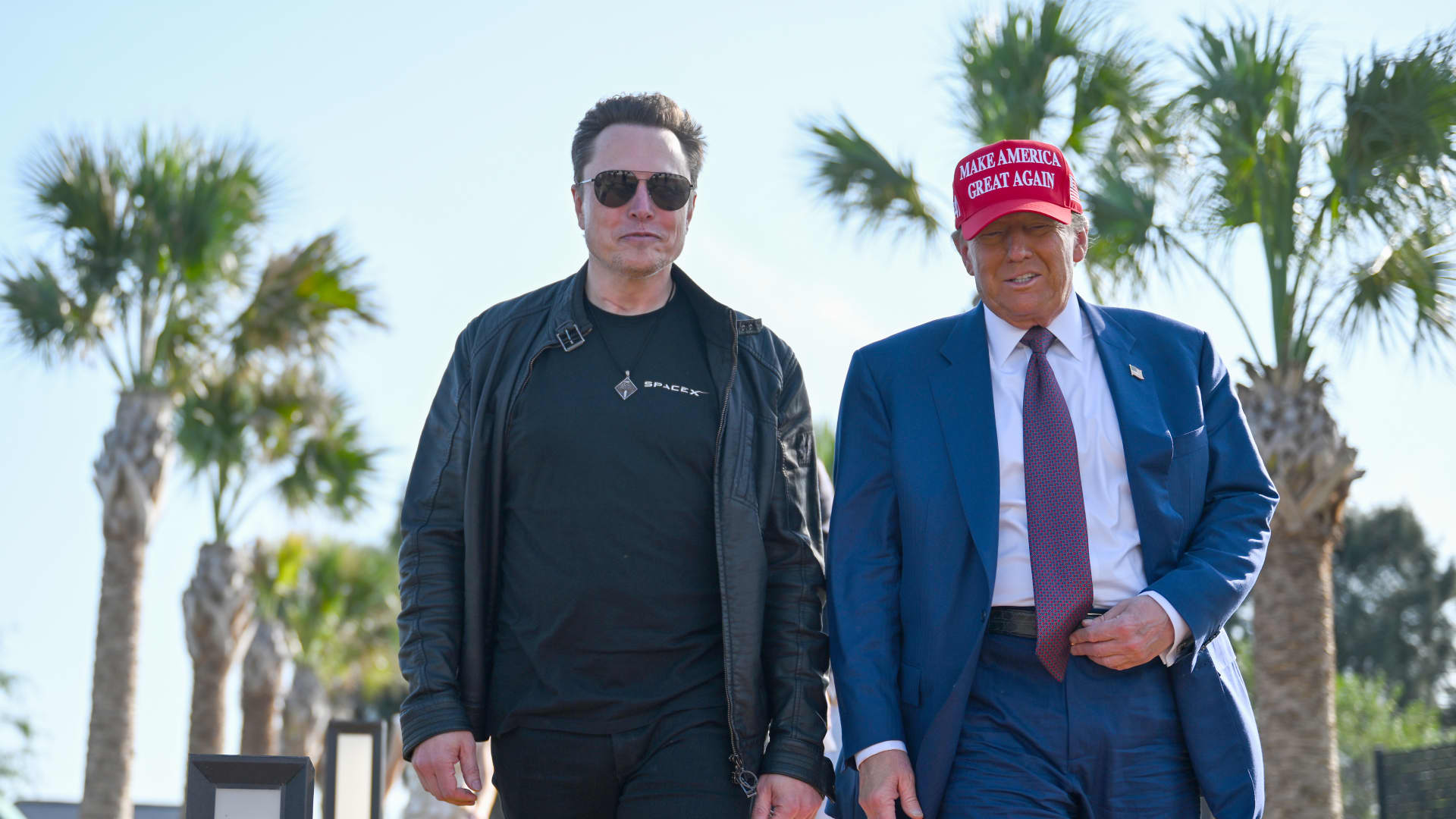
Trump Invites Top Executives for China Trip


- Executive Delegation: President-elect Trump has invited top executives, including Tesla's Elon Musk and Apple's Tim Cook, to join his trip to China, aiming to enhance U.S.-China business cooperation through high-level engagement.
- Broad Agenda: The summit is expected to cover a wide range of topics, including trade, artificial intelligence, export controls, Taiwan, and the Iran war, indicating a desire to ease tensions through dialogue after recent escalations.
- Business Deal Expectations: Trump hopes to secure a series of business deals and purchase agreements during the visit, which, if successful, could enhance U.S. companies' competitiveness in the Chinese market and foster bilateral economic relations.
- Diverse Executive List: The delegation includes executives from various sectors, such as Stephen Schwarzman of Blackstone and Jane Fraser of Citigroup, reflecting U.S. companies' commitment to the Chinese market and willingness to collaborate.
See More
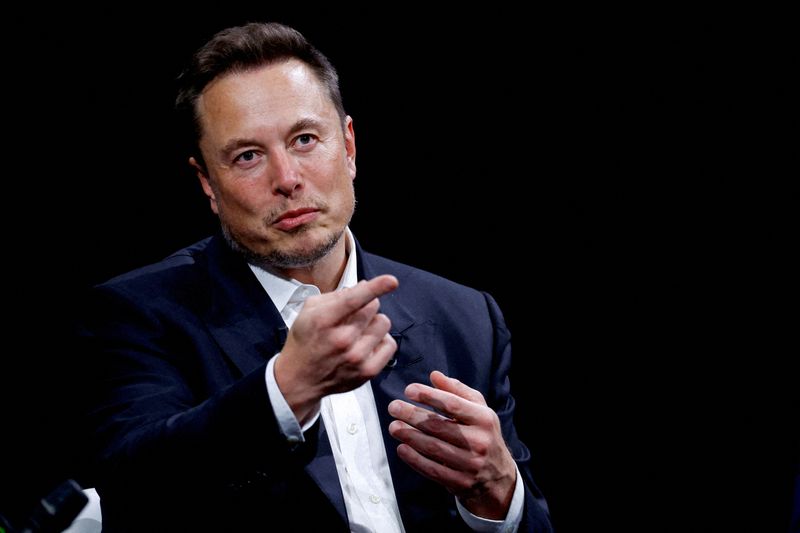
Trump Invites Tesla and Apple CEOs for China Trip

- Executive Participation: The White House has invited Tesla's Elon Musk and Apple's Tim Cook to accompany President Trump on his trip to China this week, highlighting the U.S. government's focus on tech giants and potentially fostering business collaboration between the two nations.
- Key Delegation: The delegation also includes Goldman Sachs' David Solomon, Blackstone's Stephen Schwarzman, BlackRock's Larry Fink, Citigroup's Jane Fraser, and Meta's Dina Powell McCormick, indicating the commercial potential and influence of this visit.
- Business Deal Expectations: President Trump aims to unlock a series of business deals and purchase agreements with Beijing during this visit, reflecting ongoing interest and expectations from U.S. companies regarding the Chinese market, which could lead to new investment opportunities.
- Visit Schedule: According to Xinhua, Trump will make a state visit from May 13 to 15, and the timing of this trip may present new development opportunities for economic relations between the U.S. and China.
See More

Trump Invites Executives to China for Trade Talks

- Executive Delegation: Trump has invited top U.S. executives, including Musk, Cook, and Fink, to visit China this week, aiming to enhance economic ties through high-level discussions and promote business cooperation between the two nations.
- Broad Agenda: The summit is expected to cover critical topics such as trade, artificial intelligence, export controls, Taiwan, and the Iran war, highlighting the escalating tensions between the U.S. and China in technology and geopolitical matters.
- Corporate Participation: More than a dozen top executives are anticipated to join the trip, with Trump hoping to secure a series of business deals and purchase agreements that would facilitate growth for U.S. companies in the Chinese market.
- Strategic Implications: Following weeks of rising tensions, this high-level meeting serves as a crucial step in easing U.S.-China relations and may lay the groundwork for future economic cooperation, fostering dialogue and collaboration in key areas.
See More

MNDY Surges on AI-Driven Efficiency Gain

- Earnings Beat: monday.com (MNDY) reported Q1 revenue of $351.3 million, a 24% year-over-year increase that exceeded analyst expectations, showcasing the company's strong performance and growth potential in the market.
- Strategic Shift: Leadership highlighted the transition to consumption-based pricing and the successful rollout of its AI Work Platform as key drivers, which not only enhanced customer satisfaction but also strengthened competitive positioning in the market.
- Operational Leverage: CFO Eliran Glazer noted that internal AI productivity gains allow the company to scale revenue without increasing headcount, indicating a higher operational efficiency achieved in a complex environment.
- Strong Cash Flow: The firm generated over $102 million in adjusted free cash flow, providing substantial capital to further invest in autonomous AI agents, thereby enhancing the sustainability of future growth.
See More
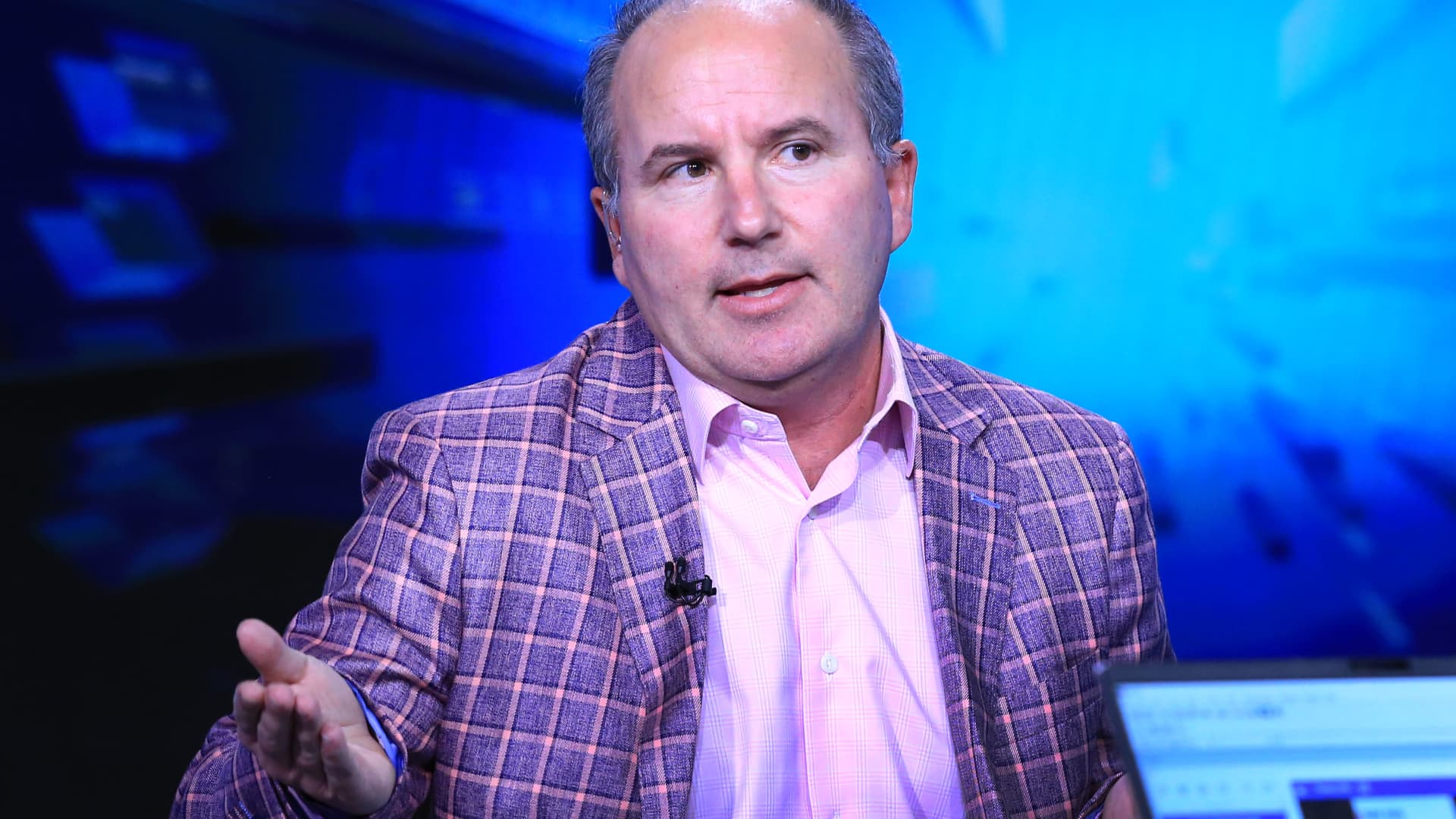
Nasdaq Expected to Reach 30,000 Points Within a Year

- AI Momentum Continues: Dan Ives from Wedbush Securities predicts that the Nasdaq will rise to 30,000 points within the next year, driven by a strong earnings season that boosts enthusiasm for AI stocks, reflecting optimistic market expectations for AI infrastructure development.
- Surge in Chip Demand: Ives highlights a 10-1 demand-supply ratio for chips, indicating unprecedented demand for memory chips, which further validates the bullish thesis on AI and suggests that we are still in the early days of the AI revolution.
- Strong Semiconductor Performance: Over the past month, the Nasdaq PHLX Semiconductor Sector Index has soared by 38%, with major companies like Intel, Nvidia, Apple, and Alphabet achieving double-digit growth, showcasing strong investor confidence in these tech giants.
- Optimistic Market Outlook: While Michael Burry warns that the market's fixation on AI may resemble the final stages of the dot-com bubble, Ives remains bullish on the AI market for the next two years, viewing it as a memory super-cycle and advising investors to focus on multiple subsectors including chips, software, and infrastructure.
See More
Apple's CEO Transition and AI Strategy Outlook
- CEO Transition Impact: Apple has announced a CEO change set for September, with Tim Cook stepping down and John Ternus taking over, which may influence the company's strategic direction, particularly in AI decision-making.
- WWDC Conference Preview: At the WWDC event on June 8, Apple is expected to unveil significant AI advancements and new software tools, potentially fueling future growth, although market expectations for AI features are already high.
- Strong Financial Performance: Apple's latest quarterly results show a market cap of $4.3 trillion, and with the stock trading at 35 times its earnings, investor sentiment remains cautious regarding future growth, which may affect short-term investment decisions.
- Investor Sentiment Shift: Despite the slow progress in Apple's AI strategy, investor sentiment is gradually rising, reflecting market anticipation for the upcoming WWDC conference, which could influence short-term stock price fluctuations.
See More
Trump Invites Top Executives for China Trip
- Executive Delegation: President-elect Trump has invited top executives, including Tesla's Elon Musk and Apple's Tim Cook, to join his trip to China, aiming to enhance U.S.-China business cooperation through high-level engagement.
- Broad Agenda: The summit is expected to cover a wide range of topics, including trade, artificial intelligence, export controls, Taiwan, and the Iran war, indicating a desire to ease tensions through dialogue after recent escalations.
- Business Deal Expectations: Trump hopes to secure a series of business deals and purchase agreements during the visit, which, if successful, could enhance U.S. companies' competitiveness in the Chinese market and foster bilateral economic relations.
- Diverse Executive List: The delegation includes executives from various sectors, such as Stephen Schwarzman of Blackstone and Jane Fraser of Citigroup, reflecting U.S. companies' commitment to the Chinese market and willingness to collaborate.
See More
Trump Invites Tesla and Apple CEOs for China Trip
- Executive Participation: The White House has invited Tesla's Elon Musk and Apple's Tim Cook to accompany President Trump on his trip to China this week, highlighting the U.S. government's focus on tech giants and potentially fostering business collaboration between the two nations.
- Key Delegation: The delegation also includes Goldman Sachs' David Solomon, Blackstone's Stephen Schwarzman, BlackRock's Larry Fink, Citigroup's Jane Fraser, and Meta's Dina Powell McCormick, indicating the commercial potential and influence of this visit.
- Business Deal Expectations: President Trump aims to unlock a series of business deals and purchase agreements with Beijing during this visit, reflecting ongoing interest and expectations from U.S. companies regarding the Chinese market, which could lead to new investment opportunities.
- Visit Schedule: According to Xinhua, Trump will make a state visit from May 13 to 15, and the timing of this trip may present new development opportunities for economic relations between the U.S. and China.
See More
Trump Invites Executives to China for Trade Talks
- Executive Delegation: Trump has invited top U.S. executives, including Musk, Cook, and Fink, to visit China this week, aiming to enhance economic ties through high-level discussions and promote business cooperation between the two nations.
- Broad Agenda: The summit is expected to cover critical topics such as trade, artificial intelligence, export controls, Taiwan, and the Iran war, highlighting the escalating tensions between the U.S. and China in technology and geopolitical matters.
- Corporate Participation: More than a dozen top executives are anticipated to join the trip, with Trump hoping to secure a series of business deals and purchase agreements that would facilitate growth for U.S. companies in the Chinese market.
- Strategic Implications: Following weeks of rising tensions, this high-level meeting serves as a crucial step in easing U.S.-China relations and may lay the groundwork for future economic cooperation, fostering dialogue and collaboration in key areas.
See More
MNDY Surges on AI-Driven Efficiency Gain
- Earnings Beat: monday.com (MNDY) reported Q1 revenue of $351.3 million, a 24% year-over-year increase that exceeded analyst expectations, showcasing the company's strong performance and growth potential in the market.
- Strategic Shift: Leadership highlighted the transition to consumption-based pricing and the successful rollout of its AI Work Platform as key drivers, which not only enhanced customer satisfaction but also strengthened competitive positioning in the market.
- Operational Leverage: CFO Eliran Glazer noted that internal AI productivity gains allow the company to scale revenue without increasing headcount, indicating a higher operational efficiency achieved in a complex environment.
- Strong Cash Flow: The firm generated over $102 million in adjusted free cash flow, providing substantial capital to further invest in autonomous AI agents, thereby enhancing the sustainability of future growth.
See More
Nasdaq Expected to Reach 30,000 Points Within a Year
- AI Momentum Continues: Dan Ives from Wedbush Securities predicts that the Nasdaq will rise to 30,000 points within the next year, driven by a strong earnings season that boosts enthusiasm for AI stocks, reflecting optimistic market expectations for AI infrastructure development.
- Surge in Chip Demand: Ives highlights a 10-1 demand-supply ratio for chips, indicating unprecedented demand for memory chips, which further validates the bullish thesis on AI and suggests that we are still in the early days of the AI revolution.
- Strong Semiconductor Performance: Over the past month, the Nasdaq PHLX Semiconductor Sector Index has soared by 38%, with major companies like Intel, Nvidia, Apple, and Alphabet achieving double-digit growth, showcasing strong investor confidence in these tech giants.
- Optimistic Market Outlook: While Michael Burry warns that the market's fixation on AI may resemble the final stages of the dot-com bubble, Ives remains bullish on the AI market for the next two years, viewing it as a memory super-cycle and advising investors to focus on multiple subsectors including chips, software, and infrastructure.
See More