KRE Falls Behind XLF, Sparks SVB Collapse Flashbacks: Are ETFs Sensing Bank Trouble?
Written by Emily J. Thompson, Senior Investment Analyst
Updated: May 28 2025
0mins


Source: Benzinga
ETF Performance Divergence: The SPDR S&P Regional Banking ETF (KRE) has underperformed compared to the Financial Select Sector SPDR Fund (XLF), with KRE declining over 3% while XLF has risen more than 5%, indicating market fears regarding regional banks' exposure to interest-rate risks.
Investor Sentiment and Risk Exposure: Investors are increasingly cautious about regional banks due to ongoing rate risks, commercial real estate exposure, and liquidity pressures, while larger banks represented by XLF are seen as safer investments, benefiting from improved risk management and regulatory oversight.
Trade with 70% Backtested Accuracy
Stop guessing "Should I Buy GS?" and start using high-conviction signals backed by rigorous historical data.
Sign up today to access powerful investing tools and make smarter, data-driven decisions.
Analyst Views on GS
Wall Street analysts forecast GS stock price to rise
12 Analyst Rating
5 Buy
7 Hold
0 Sell
Moderate Buy
Current: 823.760

Low
604.00
Averages
951.45
High
1100
Current: 823.760
Low
604.00
Averages
951.45
High
1100
About GS
The Goldman Sachs Group, Inc. is a global financial institution that delivers a range of financial services to a large and diversified client base that includes corporations, financial institutions, governments and individuals. Its segments include Global Banking & Markets, Asset & Wealth Management and Platform Solutions. The Global Banking & Markets segment offers a range of services, including financing, advisory services, risk distribution, and hedging for its institutional and corporate clients. It facilitates client transactions and makes markets in fixed income, equity, currency and commodity products. The Asset & Wealth Management segment manages assets and offers investment products across all asset classes to a diverse set of clients. It also provides investing and wealth advisory solutions. The Platform Solutions segment includes consumer platforms, such as partnerships offering credit cards and point-of-sale financing, and transaction banking and other platform businesses.
About the author

Emily J. Thompson
Emily J. Thompson, a Chartered Financial Analyst (CFA) with 12 years in investment research, graduated with honors from the Wharton School. Specializing in industrial and technology stocks, she provides in-depth analysis for Intellectia’s earnings and market brief reports.
XRP and Solana ETF Holders Show Strong Resilience

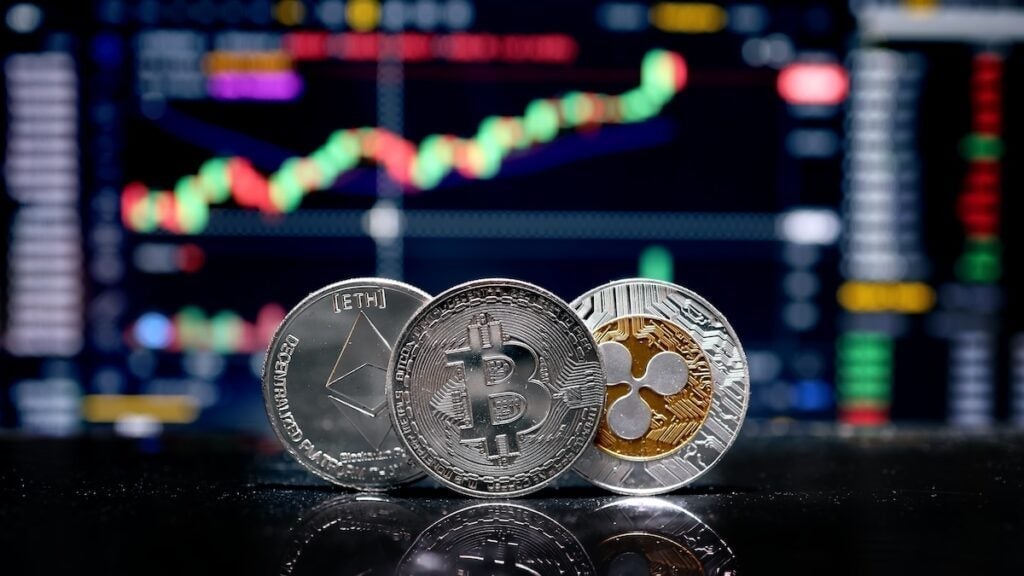
- Holder Resilience: Despite XRP and Solana ETFs experiencing over a 60% asset decline, these products still attracted $1.4 billion in inflows, demonstrating the steadfast confidence of their holders, which significantly outperforms Bitcoin and Ethereum ETF holders.
- Flow Movement Discrepancy: Bitcoin ETFs saw approximately $9 billion in outflows from October 2025 to February 2026, representing about 12-15% of flows, while Ethereum ETFs faced a higher outflow rate of 25%, indicating a more sensitive market reaction to short-term volatility for these assets.
- Investor Base Analysis: Seyffart noted that the investor bases for XRP and Solana ETFs differ from those of Bitcoin and Ethereum, with the former attracting more long-term investors, while the latter experienced short-term capital exits due to collapsing basis trade liquidity, reflecting distinct market participation strategies.
- Institutional Participation: As of December 2025, 50% of Solana ETF holders are 13F filers, indicating strong institutional backing, whereas less than 15% of XRP ETF holders are known institutions, suggesting a retail investor dominance, with potential future institutional participation likely to drive market demand.
See More

India Faces Energy Crisis Amid Strait of Hormuz Closure

- Energy Supply Risks: Indian Prime Minister Modi's immediate call to Iranian President after the new supreme leader's vow to close the Strait of Hormuz highlights India's acute awareness of energy supply risks, given that approximately 50% of its crude oil needs depend on this waterway.
- LPG Shortage Impact: The LPG supply crunch has severely affected India's restaurant industry, with many establishments closing or reducing menus due to a lack of commercial LPG, underscoring the vulnerability of energy supply chains.
- Inflation Expectations Rise: Citi estimates that if oil prices remain around $90 to $100 per barrel, India's consumer inflation could rise by 50 to 75 basis points, exacerbating economic pressures amid rising energy costs.
- Increased Import Dependence: India is currently sourcing crude from over 40 countries, with imports from Russia reaching 1.46 million barrels per day in March, indicating a need for diversified energy supply channels in light of the Strait's closure.
See More

US Stocks Plummet as Oil Prices Surge Amid Iran Conflict


- Oil Price Surge Impacts Markets: WTI crude oil prices soared over 9% on Thursday due to fears surrounding the Iran conflict, leading the S&P 500 to drop 1.52%, the Dow Jones by 1.56%, and the Nasdaq 100 by 1.73%, indicating heightened market anxiety over rising inflation.
- Bank Stocks Under Pressure: Morgan Stanley and Cliffwater LLC capped withdrawals from their private credit funds amid high investor redemption requests, causing Ares Management to fall over 6% and Goldman Sachs to drop more than 4%, reflecting growing concerns about credit quality in the market.
- Mixed Economic Data: Initial jobless claims in the US fell to 213,000, better than the expected 215,000, indicating labor market strength; however, January building permits fell 5.4% to 1.376 million, suggesting potential slowdowns in future construction activity, which could dampen market confidence.
- International Tensions Affecting Outlook: Comments from Iran's Supreme Leader heightened concerns about ongoing tensions in the Middle East, with expectations that if the situation remains tense, global oil supply could decrease by 8 million barrels per day, further driving up oil prices and potentially leading to a global economic slowdown.
See More
Federal Reserve Rate Cut Expectations Slide Amid Inflation Concerns
- Rate Cut Expectations Shift: With energy prices surging to around $100 per barrel, market expectations for a June rate cut by the Federal Reserve have significantly diminished, as analysts believe inflation pressures will complicate easing efforts.
- Economic Forecast Adjustment: Goldman Sachs has pushed back its forecast for a Fed rate cut to September, although it still anticipates one cut before the end of 2026, reflecting a cautious outlook on economic slowdown.
- Market Reaction: Traders in the fed funds futures market have removed the expectation for a September cut, now only anticipating one in December, indicating uncertainty about future economic conditions.
- Inflation Data Impact: The expected rise of the January personal consumption expenditures price index to 3.1% will likely heighten the Fed's concerns about rate cuts, especially with the ongoing uncertainty surrounding the situation in Iran.
See More

Market Oversold, Investment Opportunities Arise


- Oversold Market Signal: The market selloff accelerated as U.S. crude prices surged approximately 8%, pushing the S&P Short Range Oscillator down to -5.48%, significantly below the -4% oversold threshold, indicating a potential rebound opportunity in the near term.
- Impact of Trading Restrictions: Due to trading restrictions, we are unable to trade any stocks mentioned by Jim Cramer on Thursday; despite the oversold market, we must carefully select stocks and recommend gradual purchases to maintain flexibility.
- Potential Buy Stocks: The five stocks we are interested in include Boeing, Alphabet, Goldman Sachs, Nike, and Cardinal Health; while Boeing faces challenges from rising fuel prices, its new jets' fuel efficiency remains attractive over time.
- Market Volatility and Strategy: Given the current market environment, if oil prices continue to rise, it could lead to further market declines, hence we advise keeping some cash on hand to seize future buying opportunities.
See More
US Stocks Decline Amid Rising Oil Prices
- Oil Price Surge Impacts Market: WTI crude oil prices surged over 9% today following Iraq's suspension of oil terminal activities due to Iranian attacks on tankers, leading the S&P 500 to drop 1.22%, the Dow Jones by 1.32%, and the Nasdaq 100 by 1.46%, indicating market sensitivity to rising energy costs.
- Bank Stocks Under Pressure: Morgan Stanley and Cliffwater LLC capped withdrawals from their private credit funds amid investor redemption demands exceeding fund limits, causing both Morgan Stanley and KKR to decline over 4%, reflecting growing concerns about credit quality in the market.
- Mixed Economic Data: Initial jobless claims in the US fell by 1,000 to 213,000, indicating labor market strength, while January housing starts unexpectedly rose 7.2% to 1.487 million, despite building permits dropping 5.4% to 1.376 million, suggesting potential slowdowns in future construction activity.
- Optimistic Earnings Outlook: Despite market volatility, over 95% of S&P 500 companies have reported earnings, with 74% exceeding expectations, and Q4 earnings growth is projected at 8.4%, providing some support to the market, although overall sentiment remains pressured by rising oil prices.
See More
XRP and Solana ETF Holders Show Strong Resilience
- Holder Resilience: Despite XRP and Solana ETFs experiencing over a 60% asset decline, these products still attracted $1.4 billion in inflows, demonstrating the steadfast confidence of their holders, which significantly outperforms Bitcoin and Ethereum ETF holders.
- Flow Movement Discrepancy: Bitcoin ETFs saw approximately $9 billion in outflows from October 2025 to February 2026, representing about 12-15% of flows, while Ethereum ETFs faced a higher outflow rate of 25%, indicating a more sensitive market reaction to short-term volatility for these assets.
- Investor Base Analysis: Seyffart noted that the investor bases for XRP and Solana ETFs differ from those of Bitcoin and Ethereum, with the former attracting more long-term investors, while the latter experienced short-term capital exits due to collapsing basis trade liquidity, reflecting distinct market participation strategies.
- Institutional Participation: As of December 2025, 50% of Solana ETF holders are 13F filers, indicating strong institutional backing, whereas less than 15% of XRP ETF holders are known institutions, suggesting a retail investor dominance, with potential future institutional participation likely to drive market demand.
See More
India Faces Energy Crisis Amid Strait of Hormuz Closure
- Energy Supply Risks: Indian Prime Minister Modi's immediate call to Iranian President after the new supreme leader's vow to close the Strait of Hormuz highlights India's acute awareness of energy supply risks, given that approximately 50% of its crude oil needs depend on this waterway.
- LPG Shortage Impact: The LPG supply crunch has severely affected India's restaurant industry, with many establishments closing or reducing menus due to a lack of commercial LPG, underscoring the vulnerability of energy supply chains.
- Inflation Expectations Rise: Citi estimates that if oil prices remain around $90 to $100 per barrel, India's consumer inflation could rise by 50 to 75 basis points, exacerbating economic pressures amid rising energy costs.
- Increased Import Dependence: India is currently sourcing crude from over 40 countries, with imports from Russia reaching 1.46 million barrels per day in March, indicating a need for diversified energy supply channels in light of the Strait's closure.
See More
US Stocks Plummet as Oil Prices Surge Amid Iran Conflict
- Oil Price Surge Impacts Markets: WTI crude oil prices soared over 9% on Thursday due to fears surrounding the Iran conflict, leading the S&P 500 to drop 1.52%, the Dow Jones by 1.56%, and the Nasdaq 100 by 1.73%, indicating heightened market anxiety over rising inflation.
- Bank Stocks Under Pressure: Morgan Stanley and Cliffwater LLC capped withdrawals from their private credit funds amid high investor redemption requests, causing Ares Management to fall over 6% and Goldman Sachs to drop more than 4%, reflecting growing concerns about credit quality in the market.
- Mixed Economic Data: Initial jobless claims in the US fell to 213,000, better than the expected 215,000, indicating labor market strength; however, January building permits fell 5.4% to 1.376 million, suggesting potential slowdowns in future construction activity, which could dampen market confidence.
- International Tensions Affecting Outlook: Comments from Iran's Supreme Leader heightened concerns about ongoing tensions in the Middle East, with expectations that if the situation remains tense, global oil supply could decrease by 8 million barrels per day, further driving up oil prices and potentially leading to a global economic slowdown.
See More
Federal Reserve Rate Cut Expectations Slide Amid Inflation Concerns
- Rate Cut Expectations Shift: With energy prices surging to around $100 per barrel, market expectations for a June rate cut by the Federal Reserve have significantly diminished, as analysts believe inflation pressures will complicate easing efforts.
- Economic Forecast Adjustment: Goldman Sachs has pushed back its forecast for a Fed rate cut to September, although it still anticipates one cut before the end of 2026, reflecting a cautious outlook on economic slowdown.
- Market Reaction: Traders in the fed funds futures market have removed the expectation for a September cut, now only anticipating one in December, indicating uncertainty about future economic conditions.
- Inflation Data Impact: The expected rise of the January personal consumption expenditures price index to 3.1% will likely heighten the Fed's concerns about rate cuts, especially with the ongoing uncertainty surrounding the situation in Iran.
See More
Market Oversold, Investment Opportunities Arise
- Oversold Market Signal: The market selloff accelerated as U.S. crude prices surged approximately 8%, pushing the S&P Short Range Oscillator down to -5.48%, significantly below the -4% oversold threshold, indicating a potential rebound opportunity in the near term.
- Impact of Trading Restrictions: Due to trading restrictions, we are unable to trade any stocks mentioned by Jim Cramer on Thursday; despite the oversold market, we must carefully select stocks and recommend gradual purchases to maintain flexibility.
- Potential Buy Stocks: The five stocks we are interested in include Boeing, Alphabet, Goldman Sachs, Nike, and Cardinal Health; while Boeing faces challenges from rising fuel prices, its new jets' fuel efficiency remains attractive over time.
- Market Volatility and Strategy: Given the current market environment, if oil prices continue to rise, it could lead to further market declines, hence we advise keeping some cash on hand to seize future buying opportunities.
See More
US Stocks Decline Amid Rising Oil Prices
- Oil Price Surge Impacts Market: WTI crude oil prices surged over 9% today following Iraq's suspension of oil terminal activities due to Iranian attacks on tankers, leading the S&P 500 to drop 1.22%, the Dow Jones by 1.32%, and the Nasdaq 100 by 1.46%, indicating market sensitivity to rising energy costs.
- Bank Stocks Under Pressure: Morgan Stanley and Cliffwater LLC capped withdrawals from their private credit funds amid investor redemption demands exceeding fund limits, causing both Morgan Stanley and KKR to decline over 4%, reflecting growing concerns about credit quality in the market.
- Mixed Economic Data: Initial jobless claims in the US fell by 1,000 to 213,000, indicating labor market strength, while January housing starts unexpectedly rose 7.2% to 1.487 million, despite building permits dropping 5.4% to 1.376 million, suggesting potential slowdowns in future construction activity.
- Optimistic Earnings Outlook: Despite market volatility, over 95% of S&P 500 companies have reported earnings, with 74% exceeding expectations, and Q4 earnings growth is projected at 8.4%, providing some support to the market, although overall sentiment remains pressured by rising oil prices.
See More