Key Stock Updates for Exxon Mobil, Home Depot, and NextEra Energy

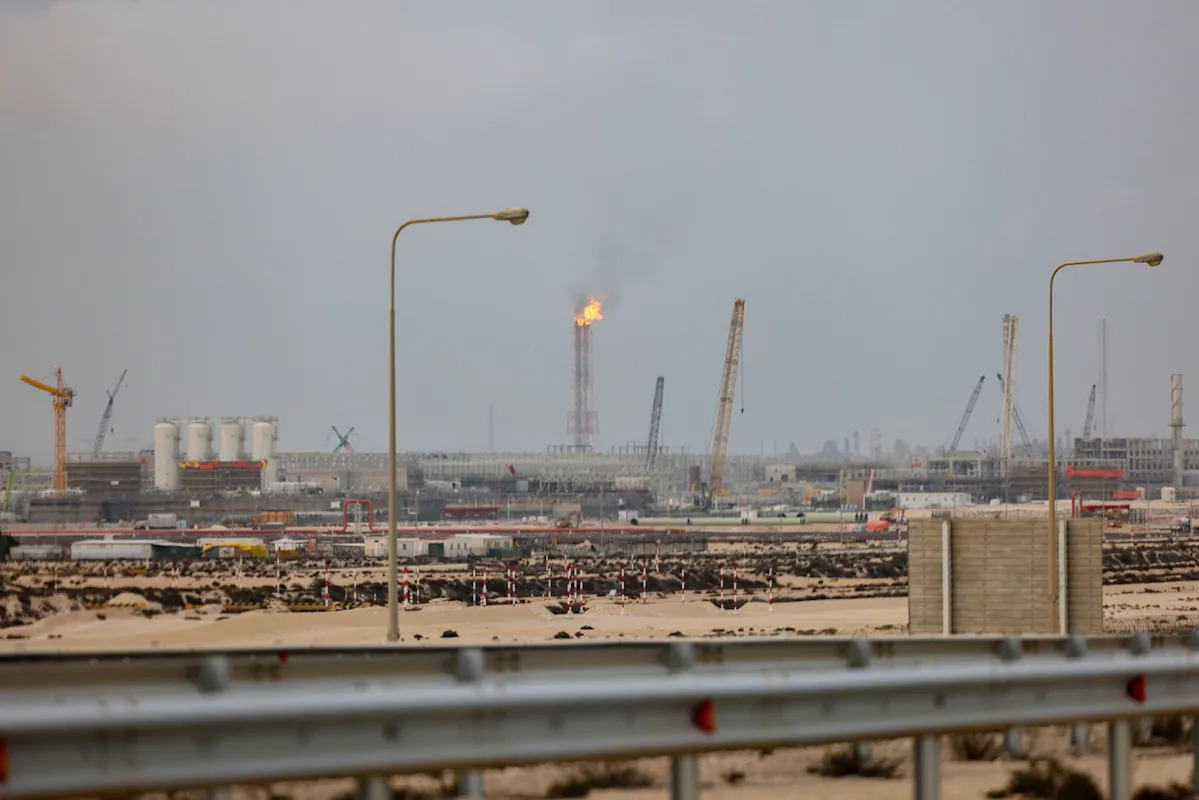
Exxon Mobil's Performance: Exxon Mobil's shares have increased by 14.8% year-to-date, driven by key oil projects and a focus on cleaner energy, although it faces risks from commodity price volatility and plans to reduce capital spending in low-carbon ventures.
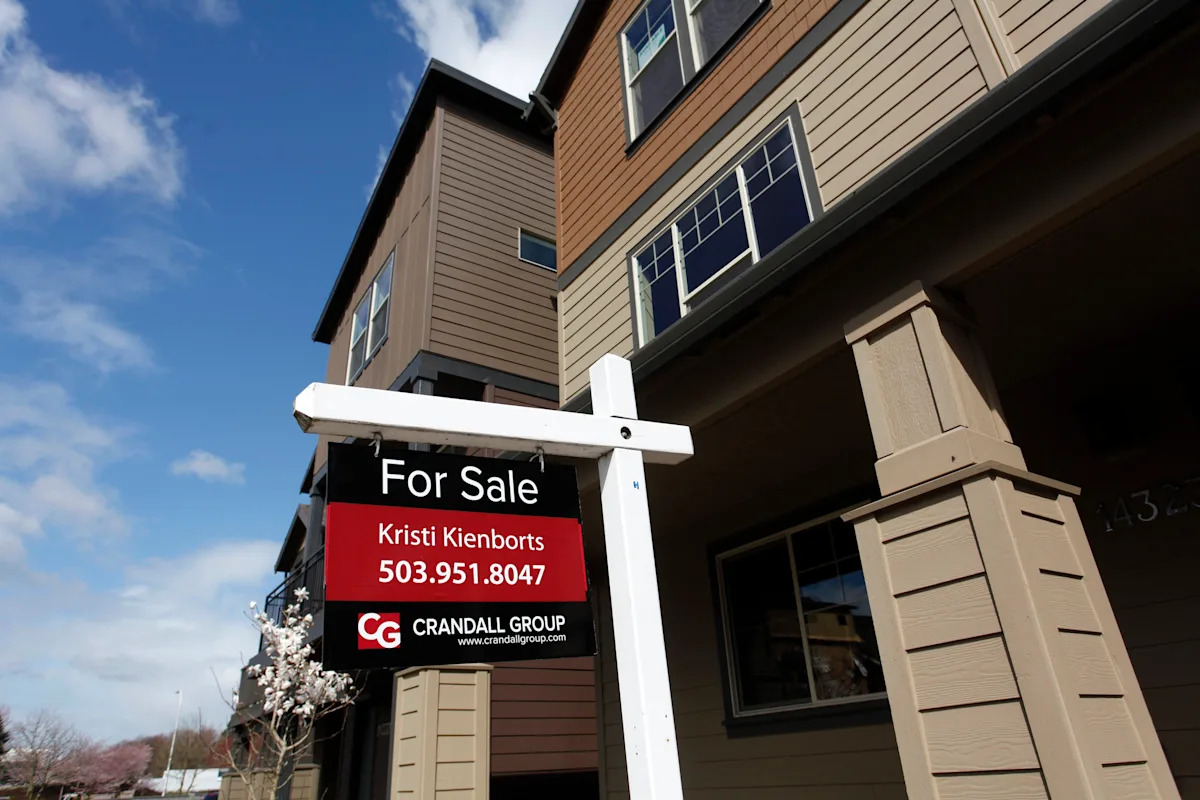
Home Depot's Strategy: Home Depot's shares have declined by 2.5% year-to-date, but the company has outperformed the industry due to strong sales growth and advancements in its interconnected shopping strategy, despite facing challenges from consumer caution and macroeconomic uncertainties.
NextEra Energy's Growth: NextEra Energy's shares have risen by 21.6% year-to-date, supported by better-than-expected earnings and a focus on expanding renewable projects, although it faces regulatory complexities and operational risks.
Blue Ridge Bankshares' Success: Blue Ridge Bankshares has outperformed its industry with a 42.1% increase in shares, bolstered by a strong capital position and a shift back to core community banking, despite challenges in loan growth and revenue diversification.
Trade with 70% Backtested Accuracy
Analyst Views on HD

About HD
About the author


Analysis of Home Depot and PepsiCo Stock Declines

- Home Depot Stock Decline: Home Depot's stock has fallen 25% from its previous peak, resulting in a forward dividend yield of 2.85%, despite the company maintaining a 35-year history of dividend payments and recently increasing its payout by 1.3%.
- Sluggish Sales Growth: Although comparable sales rose just 0.4% year-over-year in the fourth quarter, management is still expanding stores and leveraging valuable real estate to adapt to the rise in online orders.
- PepsiCo's Steady Performance: PepsiCo's shares are down 22%, yet its adjusted sales are projected to grow by 2% in 2025, and it recently raised its quarterly dividend by 4%, bringing the annual payout to $5.92, marking the 54th consecutive annual increase.
- Dividend Growth Potential: PepsiCo has achieved nearly a 7% compound annual growth rate in dividends over the past five years, with earnings expected to grow at about 6% annually in the coming years, ensuring its attractiveness as an income stock.

Dividend Growth Potential of Home Depot and PepsiCo
- Home Depot Dividend Performance: As the world's largest home improvement retailer, Home Depot (HD) has paid quarterly dividends for over 35 years, recently raising its quarterly dividend by 1.3% to an annual payout of $9.32 per share, resulting in a forward yield of 2.85%, significantly above the S&P 500 average.
- Sales Growth Challenges: Despite only a 0.4% year-over-year increase in comparable sales for the fourth quarter, management is actively expanding stores and leveraging valuable real estate to adapt to the growing trend of online orders, thereby maintaining long-term growth potential.
- PepsiCo Dividend Growth: PepsiCo (PEP) recently increased its quarterly dividend by 4%, bringing the annual payout to $5.92 per share, marking the 54th consecutive year of dividend increases, with a forward yield of 3.79%, also above the S&P 500 average.
- Stable Sales and Earnings: Although PepsiCo's stock is down 22% from its previous peak, its adjusted sales are still up 2% in 2025, and earnings are expected to grow at about 6% annually in the coming years, ensuring the ability to sustain dividend growth.

Three Stocks Charlie Munger Would Buy Now
- S&P Global's Resilience: With a market cap of $127 billion and a current price of $424.43, S&P Global's 65% gross margin and 43% operating margin highlight its strong profitability, making it attractive even with a P/E ratio of 29, close to the market average.
- Fair Issac's Profitability: Fair Issac boasts an impressive 83% gross margin and a staggering 394% increase in free cash flow over the past decade, now at $718 million, despite a P/E ratio of 44, which is above the market average, its current price of $1,126.34 presents a compelling investment opportunity.
- Home Depot's Market Position: As a leader in the home improvement sector, Home Depot has a market cap of $319 billion, and its current price of $320.75 is near a 52-week low; however, its stable 32% gross margin and over $2 billion in quarterly free cash flow demonstrate strong financial fundamentals.
- Investor Opportunities: In the current market environment, Charlie Munger would likely advise investors to consider S&P Global, Fair Issac, and Home Depot, particularly as their stock prices are at relatively low levels, showcasing long-term investment potential.

Charlie Munger's Preference for Discounted Quality Stocks
- S&P Global Value: Charlie Munger would be impressed by S&P Global's appeal, boasting over 150 years of history, with an average gross margin of 65% and an operating margin near 43%, showcasing its strong profitability and market position.
- Fair Issac's Competitive Edge: Fair Issac holds a significant position in the loan industry, with its FICO scoring system determining eligibility and rates, achieving an 83% gross margin and a staggering 394% growth in free cash flow over the past decade, now at $718 million, highlighting its exceptional profitability.
- Home Depot Investment Opportunity: Despite Home Depot's stock trading near a 52-week low and a net debt increase of over 250% to $64 billion in the past decade, its stable 32% gross margin and over $2 billion in quarterly free cash flow make it a worthy investment.
- Investment Strategy Insight: In the current market environment, Charlie Munger might consider purchasing shares of S&P Global, Fair Issac, and Home Depot at discounted prices, reflecting his long-term investment philosophy focused on high-quality companies.
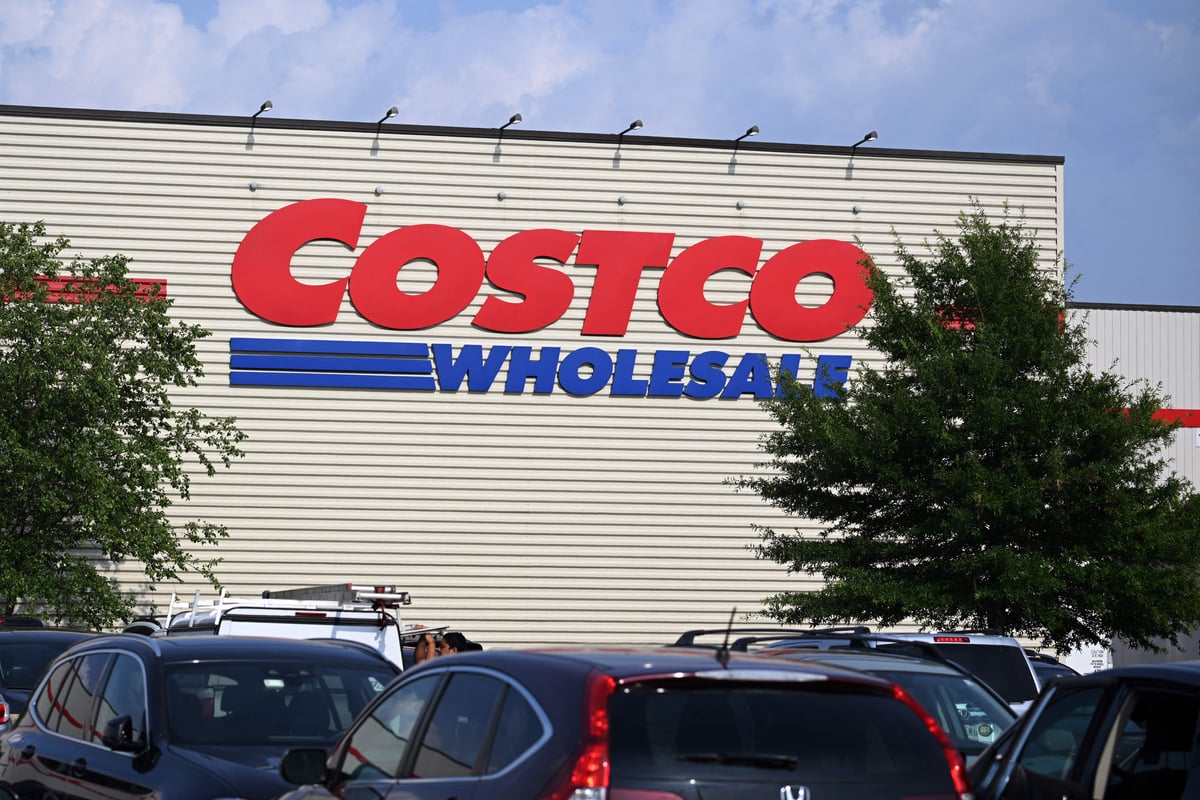
Costco Faces Tariff Lawsuit Risks Impacting Valuation


- Tariff Impact: Costco is facing a lawsuit over tariff issues, and despite not passing on the full costs to consumers, this could negatively affect short-term profits, leading investors to question its valuation.
- Financial Performance: In the first half of fiscal 2026, Costco reported revenue of $137 billion, a 9% year-over-year increase, with profits of $4 billion, up 13%, indicating consistent financial stability; however, a P/E ratio of 51 may cause investor unease.
- Market Reaction: Although the lawsuit has not significantly impacted Costco's stock price, concerns over future uncertainties may prompt investors to reassess the company's high valuation, especially considering the potential effects of tariff refunds.
- Investment Advice: Amid tariff-related uncertainties, investors are advised to refrain from increasing their Costco stock holdings for now, as the company's long-term growth outlook remains positive, but the current high P/E ratio may not be justified.

Costco Faces Lawsuit Over Tariff Refunds
- Tariff Lawsuit Risk: Despite Costco's claim of not passing on the full tariff costs to consumers, a customer has filed a lawsuit seeking refunds, potentially leading to additional financial strain on the company.
- Stock Price Volatility: Costco's stock price has not moved significantly since the lawsuit was filed; however, the uncertainty surrounding tariff refunds may prompt investors to reassess its current high valuation, especially with a P/E ratio of 51.
- Stable Financial Performance: In the first half of fiscal 2026, Costco reported revenues of $137 billion, a 9% year-over-year increase, with profits of $4 billion, up 13%, demonstrating the company's resilience during economic fluctuations, but high valuations may cause investor unease.
- Long-Term Growth Outlook: Although facing challenges from tariff refunds in the short term, Costco is expected to continue its growth trajectory, and long-term investors should focus on its fundamentals rather than short-term fluctuations.
Analysis of Home Depot and PepsiCo Stock Declines
- Home Depot Stock Decline: Home Depot's stock has fallen 25% from its previous peak, resulting in a forward dividend yield of 2.85%, despite the company maintaining a 35-year history of dividend payments and recently increasing its payout by 1.3%.
- Sluggish Sales Growth: Although comparable sales rose just 0.4% year-over-year in the fourth quarter, management is still expanding stores and leveraging valuable real estate to adapt to the rise in online orders.
- PepsiCo's Steady Performance: PepsiCo's shares are down 22%, yet its adjusted sales are projected to grow by 2% in 2025, and it recently raised its quarterly dividend by 4%, bringing the annual payout to $5.92, marking the 54th consecutive annual increase.
- Dividend Growth Potential: PepsiCo has achieved nearly a 7% compound annual growth rate in dividends over the past five years, with earnings expected to grow at about 6% annually in the coming years, ensuring its attractiveness as an income stock.
Dividend Growth Potential of Home Depot and PepsiCo
- Home Depot Dividend Performance: As the world's largest home improvement retailer, Home Depot (HD) has paid quarterly dividends for over 35 years, recently raising its quarterly dividend by 1.3% to an annual payout of $9.32 per share, resulting in a forward yield of 2.85%, significantly above the S&P 500 average.
- Sales Growth Challenges: Despite only a 0.4% year-over-year increase in comparable sales for the fourth quarter, management is actively expanding stores and leveraging valuable real estate to adapt to the growing trend of online orders, thereby maintaining long-term growth potential.
- PepsiCo Dividend Growth: PepsiCo (PEP) recently increased its quarterly dividend by 4%, bringing the annual payout to $5.92 per share, marking the 54th consecutive year of dividend increases, with a forward yield of 3.79%, also above the S&P 500 average.
- Stable Sales and Earnings: Although PepsiCo's stock is down 22% from its previous peak, its adjusted sales are still up 2% in 2025, and earnings are expected to grow at about 6% annually in the coming years, ensuring the ability to sustain dividend growth.
Three Stocks Charlie Munger Would Buy Now
- S&P Global's Resilience: With a market cap of $127 billion and a current price of $424.43, S&P Global's 65% gross margin and 43% operating margin highlight its strong profitability, making it attractive even with a P/E ratio of 29, close to the market average.
- Fair Issac's Profitability: Fair Issac boasts an impressive 83% gross margin and a staggering 394% increase in free cash flow over the past decade, now at $718 million, despite a P/E ratio of 44, which is above the market average, its current price of $1,126.34 presents a compelling investment opportunity.
- Home Depot's Market Position: As a leader in the home improvement sector, Home Depot has a market cap of $319 billion, and its current price of $320.75 is near a 52-week low; however, its stable 32% gross margin and over $2 billion in quarterly free cash flow demonstrate strong financial fundamentals.
- Investor Opportunities: In the current market environment, Charlie Munger would likely advise investors to consider S&P Global, Fair Issac, and Home Depot, particularly as their stock prices are at relatively low levels, showcasing long-term investment potential.
Charlie Munger's Preference for Discounted Quality Stocks
- S&P Global Value: Charlie Munger would be impressed by S&P Global's appeal, boasting over 150 years of history, with an average gross margin of 65% and an operating margin near 43%, showcasing its strong profitability and market position.
- Fair Issac's Competitive Edge: Fair Issac holds a significant position in the loan industry, with its FICO scoring system determining eligibility and rates, achieving an 83% gross margin and a staggering 394% growth in free cash flow over the past decade, now at $718 million, highlighting its exceptional profitability.
- Home Depot Investment Opportunity: Despite Home Depot's stock trading near a 52-week low and a net debt increase of over 250% to $64 billion in the past decade, its stable 32% gross margin and over $2 billion in quarterly free cash flow make it a worthy investment.
- Investment Strategy Insight: In the current market environment, Charlie Munger might consider purchasing shares of S&P Global, Fair Issac, and Home Depot at discounted prices, reflecting his long-term investment philosophy focused on high-quality companies.
Costco Faces Tariff Lawsuit Risks Impacting Valuation
- Tariff Impact: Costco is facing a lawsuit over tariff issues, and despite not passing on the full costs to consumers, this could negatively affect short-term profits, leading investors to question its valuation.
- Financial Performance: In the first half of fiscal 2026, Costco reported revenue of $137 billion, a 9% year-over-year increase, with profits of $4 billion, up 13%, indicating consistent financial stability; however, a P/E ratio of 51 may cause investor unease.
- Market Reaction: Although the lawsuit has not significantly impacted Costco's stock price, concerns over future uncertainties may prompt investors to reassess the company's high valuation, especially considering the potential effects of tariff refunds.
- Investment Advice: Amid tariff-related uncertainties, investors are advised to refrain from increasing their Costco stock holdings for now, as the company's long-term growth outlook remains positive, but the current high P/E ratio may not be justified.
Costco Faces Lawsuit Over Tariff Refunds
- Tariff Lawsuit Risk: Despite Costco's claim of not passing on the full tariff costs to consumers, a customer has filed a lawsuit seeking refunds, potentially leading to additional financial strain on the company.
- Stock Price Volatility: Costco's stock price has not moved significantly since the lawsuit was filed; however, the uncertainty surrounding tariff refunds may prompt investors to reassess its current high valuation, especially with a P/E ratio of 51.
- Stable Financial Performance: In the first half of fiscal 2026, Costco reported revenues of $137 billion, a 9% year-over-year increase, with profits of $4 billion, up 13%, demonstrating the company's resilience during economic fluctuations, but high valuations may cause investor unease.
- Long-Term Growth Outlook: Although facing challenges from tariff refunds in the short term, Costco is expected to continue its growth trajectory, and long-term investors should focus on its fundamentals rather than short-term fluctuations.