Key Research Insights on Apple, Tesla, and Micron Technology


Research Reports Overview: The Zacks Research Daily highlights new reports on 16 major stocks, including Apple, Tesla, and Micron Technology, along with two micro-cap stocks, emphasizing unique insights into smaller companies.
Apple's Performance: Apple has seen a 17.6% stock increase over the past year, driven by strong Services revenue growth and expectations for double-digit iPhone sales growth, despite facing tariff impacts and regulatory challenges.
Tesla's Challenges: Tesla's stock has risen 22.5% over the past year, but faces potential declines in Q4 deliveries due to the expiration of EV tax credits and increasing competition, while its Energy Generation unit shows promise.
Micron Technology's Growth: Micron's shares have surged 188.2% year-to-date, benefiting from the AI-driven memory market and strong financials, although concerns about NAND demand recovery and trade tensions persist.
Trade with 70% Backtested Accuracy
Analyst Views on AAPL

About AAPL
About the author

Apple's WWDC 2026 to Redesign Siri Experience

- Major Siri Overhaul: The WWDC 2026 invitations suggest a significant redesign of Siri, expected to feature a chatbot-style interface across iOS 27, iPadOS 27, and macOS 27, enhancing user interaction.
- Enhanced Multi-Tasking: The new Siri version is anticipated to better handle multiple commands, support external AI agents, and effectively utilize personal data and on-screen content to answer queries, increasing the assistant's utility.
- Performance Improvement Focus: Apple plans to emphasize performance enhancements in the next software cycle, including bug fixes, faster operations, and improved battery life, particularly optimizing for enterprise users, schools, and developing markets.
- Hardware Release Delays: Due to industry-wide memory shortages, the launch of new Mac Studio models is expected to be delayed until October, while the redesigned touchscreen MacBook Pro with M6 chips may also be postponed to late 2026 or early 2027.
EssilorLuxottica Faces Investor Pressure on Smart Glasses Strategy


- Investor Pressure Intensifies: EssilorLuxottica is under increasing scrutiny from investors regarding its smart glasses strategy, particularly as the profitability of its Ray-Ban smart glasses lags behind core products, resulting in a more than 30% drop in share price since last November.
- Rising Market Competition: With U.S. competitors like Google and Apple entering the smart glasses market, EssilorLuxottica's market capitalization has fallen from €149 billion to €100 billion, highlighting intensified industry competition and investor concerns over future profitability.
- Weak Revenue Growth: Although EssilorLuxottica expects first-quarter revenue of €7.132 billion, a 4% increase year-over-year, its adjusted operating margin stands at only 16%, below the 19-20% target for 2022-2026, indicating challenges in profitability.
- Strategic Technological Shift: EssilorLuxottica is expanding into the medical technology sector with products like Nuance Audio glasses, which feature built-in hearing aids, demonstrating the company's strategy to enhance competitiveness through technology-intensive products to mitigate future competition from China.
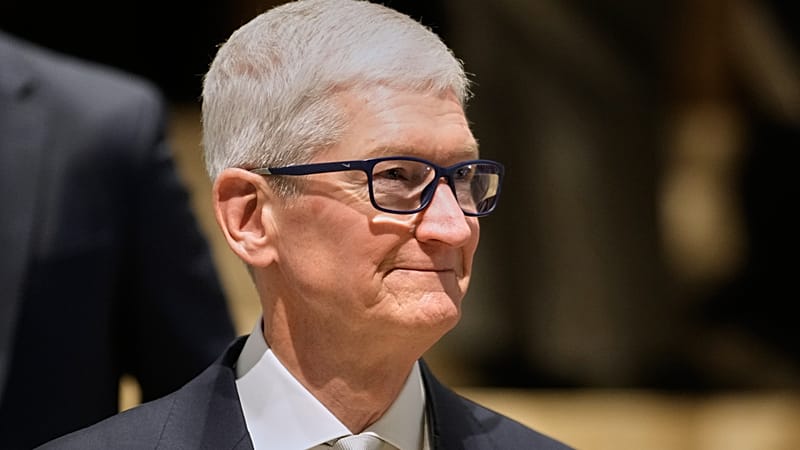
Tim Cook Hands CEO Role to John Ternus Amid AI Focus

- Leadership Transition: Tim Cook will hand over the CEO role to John Ternus on September 1, while remaining as executive chairman, ensuring continuity in Apple's strategic direction during this pivotal change.
- AI Strategic Shift: Ternus takes over at a critical time as Apple faces significant challenges in the AI sector, with Cook's transition seen as a key moment for the company's renewed focus on AI strategy, potentially impacting future product innovations.
- Financial Achievements: Under Cook's leadership, Apple's market value soared from $350 billion to $4 trillion, making it the first company to surpass a $3 trillion valuation, showcasing his exceptional financial management skills.
- Supply Chain Management: Cook successfully optimized Apple's international supply chain, particularly during the US-China trade war, by shifting some production to India, ensuring Apple's competitiveness and stability in the global market.
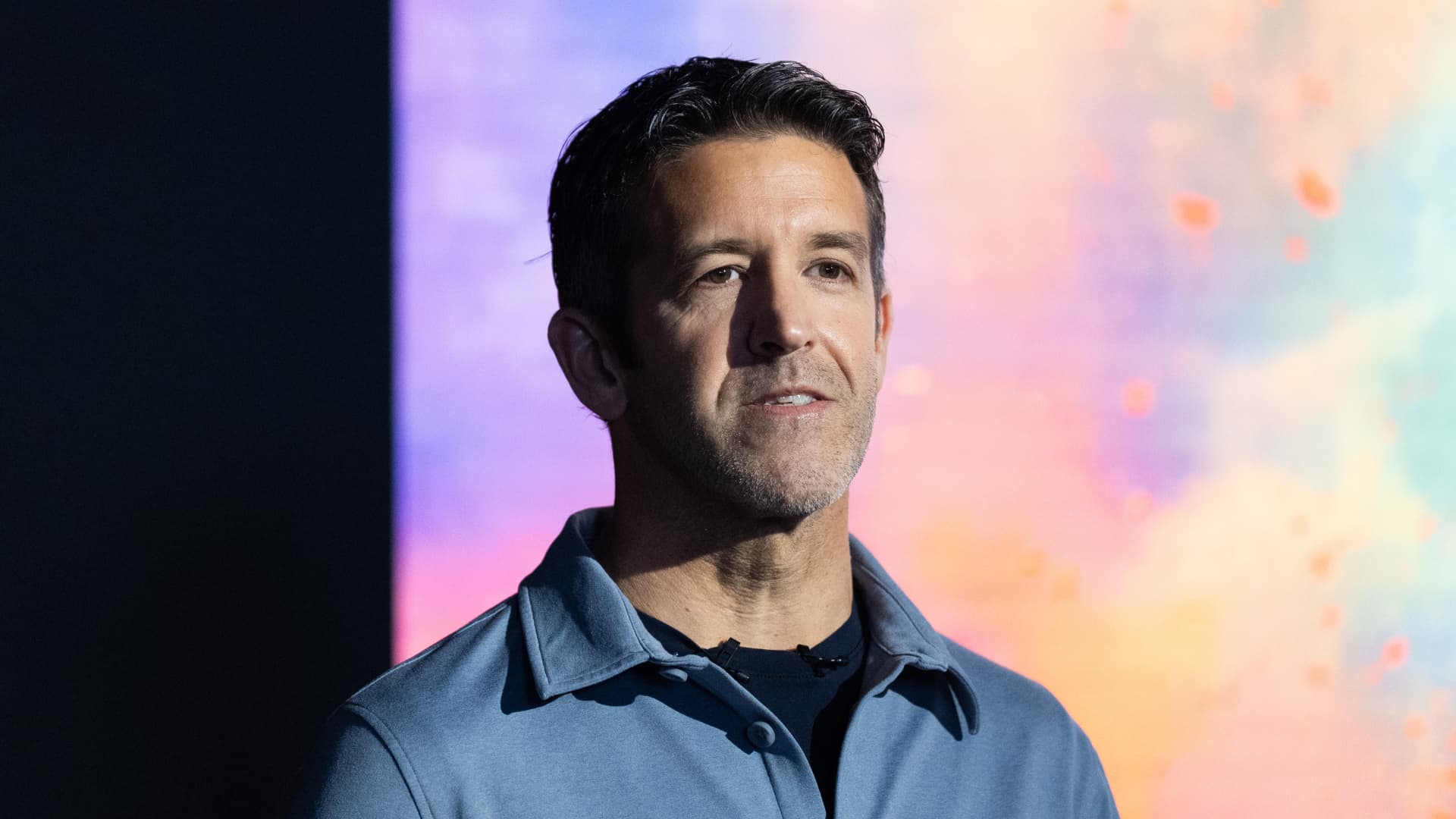
Apple's CEO Transition Raises AI Strategy Questions
- CEO Transition: Apple announced that Tim Cook will step down as CEO on September 1, with John Ternus taking over; Ternus, who has been with the company for 25 years, faces significant challenges in advancing the company's AI strategy.
- Strong iPhone Sales: In the latest quarter, Apple's iPhone revenue surged 23% year-over-year to $85.3 billion, primarily driven by robust sales of the iPhone 17 models, indicating strong consumer demand for new products.
- Lagging AI Strategy: Despite Apple's relatively conservative investment in AI, relying on Google's Gemini to enhance Siri features, the market's demand for AI-integrated hardware is growing, and Ternus must accelerate the application of AI technologies.
- Future Product Outlook: Apple plans to accelerate the development of three AI wearables centered around Siri, including smart glasses and AirPods with cameras, indicating potential innovation directions in the AI hardware space.
Tim Cook's Departure Leaves AI Strategy Gap for Apple

- CEO Transition and AI Challenges: Apple announced Tim Cook's departure on September 1, with John Ternus stepping in to address the company's AI strategy gap, as investors anticipate a clear plan to compete with rivals in the AI space.
- Strong iPhone Sales: Despite lagging in AI, Apple's latest quarter saw iPhone revenue surge 23% year-over-year to $85.3 billion, driven by strong demand for the iPhone 17, yet Ternus must ensure this growth translates into success in AI.
- AI Hardware Development Focus: Ternus's appointment may signal Apple's commitment to integrating AI with hardware, with potential upcoming products like smart glasses and a foldable phone to meet market demand for AI-enabled devices.
- Privacy vs. Personalization Dilemma: Ternus faces the challenge of balancing user privacy with the push for AI-driven personalization, as analysts highlight the need for Apple to find new growth avenues in a rapidly changing tech landscape, particularly with rising consumer interest in generative AI services.
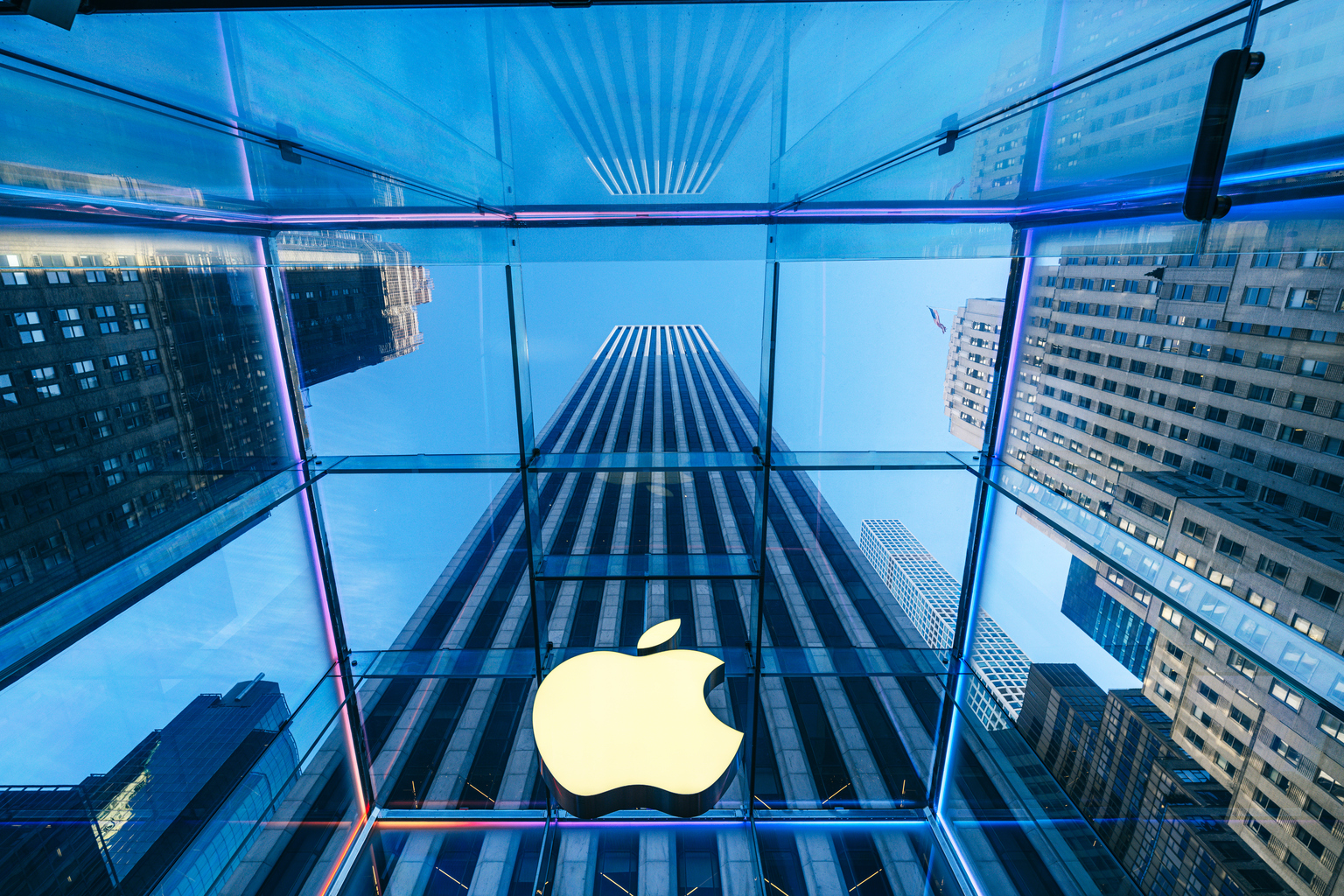
Apple Appoints New Chief Hardware Officer
- Executive Appointment: Apple has appointed Johny Srouji as Chief Hardware Officer, effective immediately, previously serving as Senior Vice President of Hardware Technologies, highlighting the company's commitment to hardware innovation.
- Organizational Restructuring: The new Chief Hardware Officer will lead a consolidated team organized into five key areas: hardware engineering, silicon, advanced technologies, platform architecture, and project management, aimed at enhancing product development efficiency and technological integration.
- Leadership Transition: With Tim Cook stepping down as CEO on September 1 to become Executive Chairman, John Ternus will take over as CEO, further driving Apple's strategic development in the hardware sector.
- Extensive Experience: Since joining Apple in 2008, Srouji has led the development of the A4 chip and previously held senior positions at Intel and IBM, bringing valuable processor development experience that supports Apple's hardware innovation.
Apple's WWDC 2026 to Redesign Siri Experience
- Major Siri Overhaul: The WWDC 2026 invitations suggest a significant redesign of Siri, expected to feature a chatbot-style interface across iOS 27, iPadOS 27, and macOS 27, enhancing user interaction.
- Enhanced Multi-Tasking: The new Siri version is anticipated to better handle multiple commands, support external AI agents, and effectively utilize personal data and on-screen content to answer queries, increasing the assistant's utility.
- Performance Improvement Focus: Apple plans to emphasize performance enhancements in the next software cycle, including bug fixes, faster operations, and improved battery life, particularly optimizing for enterprise users, schools, and developing markets.
- Hardware Release Delays: Due to industry-wide memory shortages, the launch of new Mac Studio models is expected to be delayed until October, while the redesigned touchscreen MacBook Pro with M6 chips may also be postponed to late 2026 or early 2027.
EssilorLuxottica Faces Investor Pressure on Smart Glasses Strategy
- Investor Pressure Intensifies: EssilorLuxottica is under increasing scrutiny from investors regarding its smart glasses strategy, particularly as the profitability of its Ray-Ban smart glasses lags behind core products, resulting in a more than 30% drop in share price since last November.
- Rising Market Competition: With U.S. competitors like Google and Apple entering the smart glasses market, EssilorLuxottica's market capitalization has fallen from €149 billion to €100 billion, highlighting intensified industry competition and investor concerns over future profitability.
- Weak Revenue Growth: Although EssilorLuxottica expects first-quarter revenue of €7.132 billion, a 4% increase year-over-year, its adjusted operating margin stands at only 16%, below the 19-20% target for 2022-2026, indicating challenges in profitability.
- Strategic Technological Shift: EssilorLuxottica is expanding into the medical technology sector with products like Nuance Audio glasses, which feature built-in hearing aids, demonstrating the company's strategy to enhance competitiveness through technology-intensive products to mitigate future competition from China.
Tim Cook Hands CEO Role to John Ternus Amid AI Focus
- Leadership Transition: Tim Cook will hand over the CEO role to John Ternus on September 1, while remaining as executive chairman, ensuring continuity in Apple's strategic direction during this pivotal change.
- AI Strategic Shift: Ternus takes over at a critical time as Apple faces significant challenges in the AI sector, with Cook's transition seen as a key moment for the company's renewed focus on AI strategy, potentially impacting future product innovations.
- Financial Achievements: Under Cook's leadership, Apple's market value soared from $350 billion to $4 trillion, making it the first company to surpass a $3 trillion valuation, showcasing his exceptional financial management skills.
- Supply Chain Management: Cook successfully optimized Apple's international supply chain, particularly during the US-China trade war, by shifting some production to India, ensuring Apple's competitiveness and stability in the global market.
Apple's CEO Transition Raises AI Strategy Questions
- CEO Transition: Apple announced that Tim Cook will step down as CEO on September 1, with John Ternus taking over; Ternus, who has been with the company for 25 years, faces significant challenges in advancing the company's AI strategy.
- Strong iPhone Sales: In the latest quarter, Apple's iPhone revenue surged 23% year-over-year to $85.3 billion, primarily driven by robust sales of the iPhone 17 models, indicating strong consumer demand for new products.
- Lagging AI Strategy: Despite Apple's relatively conservative investment in AI, relying on Google's Gemini to enhance Siri features, the market's demand for AI-integrated hardware is growing, and Ternus must accelerate the application of AI technologies.
- Future Product Outlook: Apple plans to accelerate the development of three AI wearables centered around Siri, including smart glasses and AirPods with cameras, indicating potential innovation directions in the AI hardware space.
Tim Cook's Departure Leaves AI Strategy Gap for Apple
- CEO Transition and AI Challenges: Apple announced Tim Cook's departure on September 1, with John Ternus stepping in to address the company's AI strategy gap, as investors anticipate a clear plan to compete with rivals in the AI space.
- Strong iPhone Sales: Despite lagging in AI, Apple's latest quarter saw iPhone revenue surge 23% year-over-year to $85.3 billion, driven by strong demand for the iPhone 17, yet Ternus must ensure this growth translates into success in AI.
- AI Hardware Development Focus: Ternus's appointment may signal Apple's commitment to integrating AI with hardware, with potential upcoming products like smart glasses and a foldable phone to meet market demand for AI-enabled devices.
- Privacy vs. Personalization Dilemma: Ternus faces the challenge of balancing user privacy with the push for AI-driven personalization, as analysts highlight the need for Apple to find new growth avenues in a rapidly changing tech landscape, particularly with rising consumer interest in generative AI services.
Apple Appoints New Chief Hardware Officer
- Executive Appointment: Apple has appointed Johny Srouji as Chief Hardware Officer, effective immediately, previously serving as Senior Vice President of Hardware Technologies, highlighting the company's commitment to hardware innovation.
- Organizational Restructuring: The new Chief Hardware Officer will lead a consolidated team organized into five key areas: hardware engineering, silicon, advanced technologies, platform architecture, and project management, aimed at enhancing product development efficiency and technological integration.
- Leadership Transition: With Tim Cook stepping down as CEO on September 1 to become Executive Chairman, John Ternus will take over as CEO, further driving Apple's strategic development in the hardware sector.
- Extensive Experience: Since joining Apple in 2008, Srouji has led the development of the A4 chip and previously held senior positions at Intel and IBM, bringing valuable processor development experience that supports Apple's hardware innovation.