Keurig Dr Pepper Acquires JDE Peet's, Forms Global Coffee Co.
Written by Emily J. Thompson, Senior Investment Analyst
Updated: Apr 02 2026
0mins
Should l Buy KDP?
Source: seekingalpha
- Acquisition Confirmation: Keurig Dr Pepper confirmed this week that it has acquired over 96% of JDE Peet's shares, which will merge its Keurig coffee business with JDE Peet's global coffee portfolio, leading to the establishment of a separate publicly listed entity called Global Coffee Co., significantly enhancing its competitive position in the coffee market.
- Brand Integration: The combined brands span a wide range of coffee formats and markets, including the Keurig single-serve system and brands like Green Mountain Coffee Roasters and The Original Donut Shop, while JDE Peet's pure-play coffee platform operates in over 100 markets, further expanding market reach and consumer options.
- Future Business Structure: Keurig Dr Pepper plans to split into two new companies, with Global Coffee Co. positioned as a global coffee powerhouse and Beverage Co. focusing on the North American refreshment market, which includes well-known brands like Dr Pepper and Canada Dry, optimizing resource allocation to enhance market share.
- Leadership Appointment: Keurig Dr Pepper has appointed Rafael Oliveira as CEO of the future coffee company, who will also continue as CEO of JDE Peet's during the integration period, ensuring a smooth transition and driving collaborative business development.
Trade with 70% Backtested Accuracy
Stop guessing "Should I Buy KDP?" and start using high-conviction signals backed by rigorous historical data.
Sign up today to access powerful investing tools and make smarter, data-driven decisions.
Analyst Views on KDP
Wall Street analysts forecast KDP stock price to rise
12 Analyst Rating
7 Buy
5 Hold
0 Sell
Moderate Buy
Current: 25.840

Low
26.00
Averages
34.58
High
42.00
Current: 25.840
Low
26.00
Averages
34.58
High
42.00
About KDP
Keurig Dr Pepper Inc. is a beverage company in North America that manufactures, markets, distributes and sells hot and cold beverages and single serve brewing systems. It has a portfolio of beverage brands, including Keurig, Dr Pepper, Canada Dry, Mott's, A&W, Penafiel, Snapple, 7UP, Green Mountain Coffee Roasters, GHOST, Clamato, Core Hydration and The Original Donut Shop, as well as the Keurig brewing system. Its U.S. Refreshment Beverages segment is a manufacturer and distributor of liquid refreshment beverages (LRBs). This segment manufactures and distributes concentrates, syrup and finished beverages of its brands and third-party brands, to third-party bottlers, distributors, retailers, and end consumers. Its U.S. Coffee segment is a manufacturer and distributor of single serve brewers, specialty coffee (including hot and iced varieties), and ready to drink (RTD) coffee. Its International segment includes sales in Canada, Mexico, the Caribbean and other international markets.
About the author

Emily J. Thompson
Emily J. Thompson, a Chartered Financial Analyst (CFA) with 12 years in investment research, graduated with honors from the Wharton School. Specializing in industrial and technology stocks, she provides in-depth analysis for Intellectia’s earnings and market brief reports.
Dividend Stocks Triumphed in the Battle. Here's Why They May Prevail in the Aftermath.

Dividend-Paying Stocks as a Safe Haven: Dividend-paying stocks have provided investors with a refuge amid the ongoing conflict in the Middle East.
Continued Performance Outlook: These stocks are expected to maintain their performance even if a cease-fire is established.
See More
Sysco and McCormick Announce Major Acquisitions
- Sysco Acquisition Update: Sysco is acquiring Restaurant Depot for $26 billion, aiming to enhance its supply chain efficiency across 700,000 restaurants, although it faces potential antitrust scrutiny that could complicate the deal.
- McCormick and Unilever Merger: McCormick announced a $44 billion merger with Unilever's food division, despite being valued at only $14 billion itself, indicating a strategic move to leverage scale and synergies, though past similar deals have often failed to deliver expected value.
- M&A Activity in Food Sector: The recent surge in mergers within the food industry highlights a market trend towards consolidation and economies of scale, yet historical data suggests that many large consumer brand mergers have not yielded positive outcomes, prompting investors to proceed with caution.
- Eli Lilly's Centessa Acquisition: Eli Lilly is acquiring Centessa Pharmaceuticals for $7.8 billion, focusing on expediting the market entry of a promising narcolepsy treatment, despite Centessa lacking commercial products, with success hinging on upcoming clinical trial results.
See More

Surge in M&A Activity in the Food Sector
- Sysco Acquisition Move: Sysco is acquiring Restaurant Depot for $26 billion, aiming to enhance its supply chain efficiency across its network of 700,000 restaurants, thereby solidifying its leadership position in the U.S. food service distribution market.
- McCormick and Unilever Merger: McCormick announced a merger with Unilever's food division valued at $44 billion, despite McCormick's market cap of only $14 billion, indicating a strategy to leverage scale and resource integration for improved profitability, though it faces integration risks.
- Market Reactions and Risks: Analysts express caution regarding both Sysco and McCormick's transactions, particularly with Sysco taking on $21 billion in new debt, which could impact its financial stability, while the success of McCormick's merger strategy remains to be seen.
- Eli Lilly Acquires Centessa: Eli Lilly announced the acquisition of Centessa Pharmaceuticals for $7.8 billion, focusing on rare disease treatments; if FDA approval is secured, it could tap into a $5 billion market, reflecting strong demand and investment willingness in the pharmaceutical sector.
See More

Investment Opportunities Amid Market Decline


- Apple's Stock Decline: Apple's shares have dropped 8% this year, yet it remains one of the world's dominant tech companies, presenting a fantastic buying opportunity for investors, especially amid a broader market downturn.
- Coca-Cola's Dividend Appeal: Coca-Cola's stock fell 7.3% this month, raising its dividend yield to 2.7%, making it an attractive option for blue-chip investors, particularly during market declines where lower prices lead to higher yields.
- Overall Market Performance: The S&P 500 has declined over 6% this year, providing investors with opportunities to increase their positions in blue-chip stocks, as many stocks are down not due to fundamental issues but rather market sentiment.
- Apple's AI Collaboration: Apple is accelerating its AI development by partnering with Google's Gemini program, which is expected to introduce competitive AI features into its products, thereby enhancing its competitiveness in the tech market.
See More

Investment Opportunities in Blue Chips Amid Market Decline
- Apple Stock Opportunity: Despite an 8% decline in its stock this year, Apple (NASDAQ: AAPL) maintains a 20% share of the global smartphone market and a dominant 69% in the U.S., reflecting its strong market position and growth potential, with Q1 revenue reaching $142.8 billion, up 16% year-over-year.
- Coca-Cola's Dividend Appeal: Coca-Cola (NYSE: KO) has seen a 7.3% drop in stock price over the past month, currently yielding 2.7% in dividends, and has raised its dividend for 64 consecutive years, showcasing its stable profitability and strong brand influence, with a net margin of 27.4%.
- Market Environment Impact: The S&P 500 has dropped over 6% this year due to factors like the Middle East conflict, providing investors with an opportunity to buy blue-chip stocks at a discount, particularly companies like Apple and Coca-Cola, which remain fundamentally strong despite market pressures.
- Investment Strategy Recommendation: In the current market environment, consider increasing holdings in Apple and Coca-Cola to capitalize on low-price opportunities created by market volatility, especially given Apple's net profit margin of 27% and Coca-Cola's free cash flow of $7.4 billion, indicating resilience amid economic uncertainty.
See More
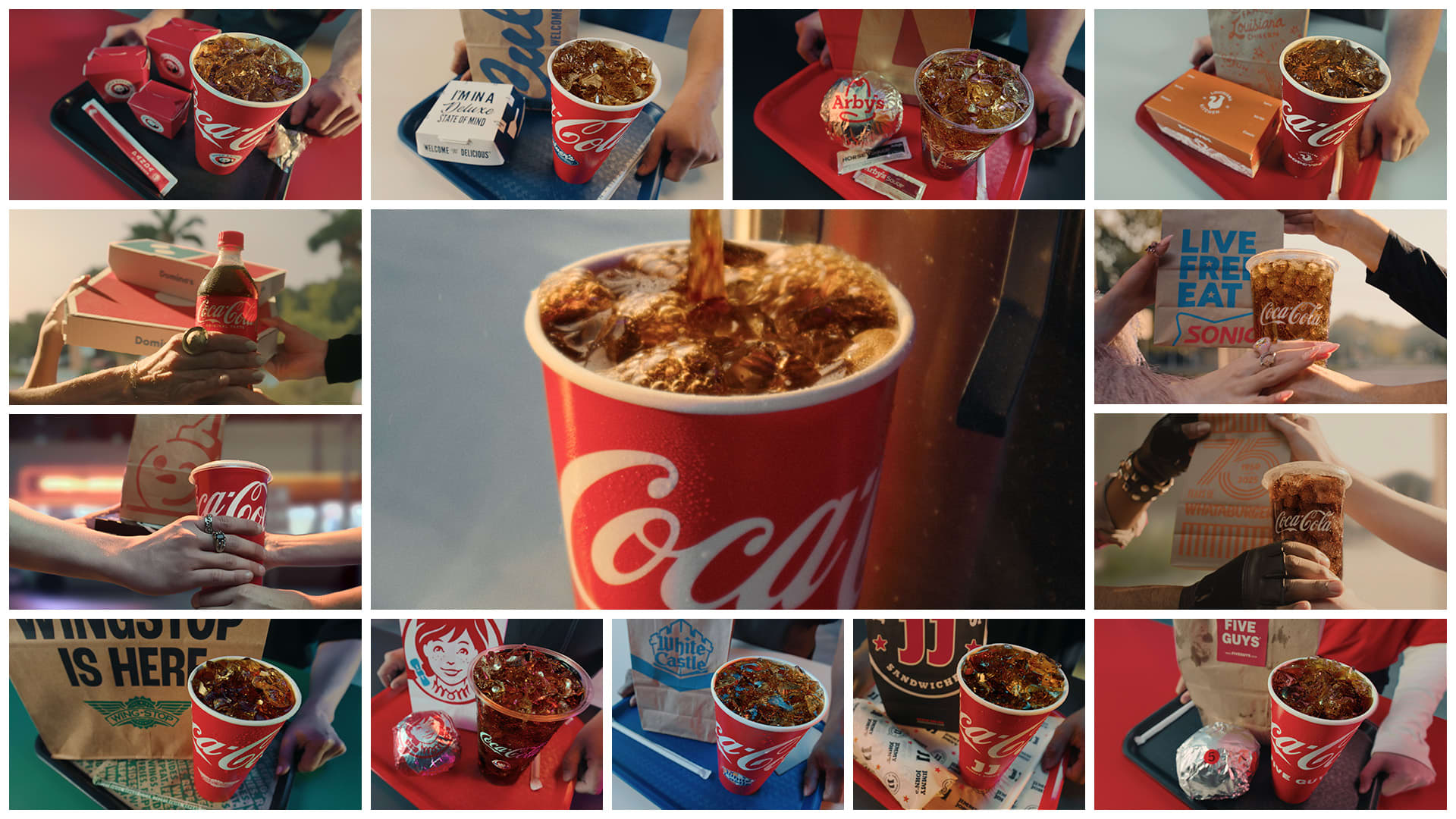
Coca-Cola Launches New Marketing Campaign to Boost Restaurant Sales
- Campaign Launch: Coca-Cola unveiled a new marketing campaign on Thursday aimed at boosting beverage sales in restaurants to tackle challenges posed by declining traffic and sluggish sales growth, marking the first time it has partnered with multiple restaurant chains for ads.
- Wide Advertising Reach: The campaign features commercials showcasing 13 different chains, including Arby's, Domino's, and Wendy's, emphasizing the importance of drinks as high-margin menu items, particularly as consumers cut back on dining out.
- Deepening Partnerships: Coca-Cola collaborates with restaurants to market combo meals, providing marketing funds to attract customers, especially amid intensified value competition in the fast-food sector, highlighting its role as a “business partner.”
- Sales Outlook: Despite a 4% organic sales growth in North America in 2025, Coca-Cola's domestic unit case volume fell by 1%, indicating weak demand, with modest sales growth projected for 2026, reflecting a challenging market environment.
See More
Dividend Stocks Triumphed in the Battle. Here's Why They May Prevail in the Aftermath.
Dividend-Paying Stocks as a Safe Haven: Dividend-paying stocks have provided investors with a refuge amid the ongoing conflict in the Middle East.
Continued Performance Outlook: These stocks are expected to maintain their performance even if a cease-fire is established.
See More
Sysco and McCormick Announce Major Acquisitions
- Sysco Acquisition Update: Sysco is acquiring Restaurant Depot for $26 billion, aiming to enhance its supply chain efficiency across 700,000 restaurants, although it faces potential antitrust scrutiny that could complicate the deal.
- McCormick and Unilever Merger: McCormick announced a $44 billion merger with Unilever's food division, despite being valued at only $14 billion itself, indicating a strategic move to leverage scale and synergies, though past similar deals have often failed to deliver expected value.
- M&A Activity in Food Sector: The recent surge in mergers within the food industry highlights a market trend towards consolidation and economies of scale, yet historical data suggests that many large consumer brand mergers have not yielded positive outcomes, prompting investors to proceed with caution.
- Eli Lilly's Centessa Acquisition: Eli Lilly is acquiring Centessa Pharmaceuticals for $7.8 billion, focusing on expediting the market entry of a promising narcolepsy treatment, despite Centessa lacking commercial products, with success hinging on upcoming clinical trial results.
See More
Surge in M&A Activity in the Food Sector
- Sysco Acquisition Move: Sysco is acquiring Restaurant Depot for $26 billion, aiming to enhance its supply chain efficiency across its network of 700,000 restaurants, thereby solidifying its leadership position in the U.S. food service distribution market.
- McCormick and Unilever Merger: McCormick announced a merger with Unilever's food division valued at $44 billion, despite McCormick's market cap of only $14 billion, indicating a strategy to leverage scale and resource integration for improved profitability, though it faces integration risks.
- Market Reactions and Risks: Analysts express caution regarding both Sysco and McCormick's transactions, particularly with Sysco taking on $21 billion in new debt, which could impact its financial stability, while the success of McCormick's merger strategy remains to be seen.
- Eli Lilly Acquires Centessa: Eli Lilly announced the acquisition of Centessa Pharmaceuticals for $7.8 billion, focusing on rare disease treatments; if FDA approval is secured, it could tap into a $5 billion market, reflecting strong demand and investment willingness in the pharmaceutical sector.
See More
Investment Opportunities Amid Market Decline
- Apple's Stock Decline: Apple's shares have dropped 8% this year, yet it remains one of the world's dominant tech companies, presenting a fantastic buying opportunity for investors, especially amid a broader market downturn.
- Coca-Cola's Dividend Appeal: Coca-Cola's stock fell 7.3% this month, raising its dividend yield to 2.7%, making it an attractive option for blue-chip investors, particularly during market declines where lower prices lead to higher yields.
- Overall Market Performance: The S&P 500 has declined over 6% this year, providing investors with opportunities to increase their positions in blue-chip stocks, as many stocks are down not due to fundamental issues but rather market sentiment.
- Apple's AI Collaboration: Apple is accelerating its AI development by partnering with Google's Gemini program, which is expected to introduce competitive AI features into its products, thereby enhancing its competitiveness in the tech market.
See More
Investment Opportunities in Blue Chips Amid Market Decline
- Apple Stock Opportunity: Despite an 8% decline in its stock this year, Apple (NASDAQ: AAPL) maintains a 20% share of the global smartphone market and a dominant 69% in the U.S., reflecting its strong market position and growth potential, with Q1 revenue reaching $142.8 billion, up 16% year-over-year.
- Coca-Cola's Dividend Appeal: Coca-Cola (NYSE: KO) has seen a 7.3% drop in stock price over the past month, currently yielding 2.7% in dividends, and has raised its dividend for 64 consecutive years, showcasing its stable profitability and strong brand influence, with a net margin of 27.4%.
- Market Environment Impact: The S&P 500 has dropped over 6% this year due to factors like the Middle East conflict, providing investors with an opportunity to buy blue-chip stocks at a discount, particularly companies like Apple and Coca-Cola, which remain fundamentally strong despite market pressures.
- Investment Strategy Recommendation: In the current market environment, consider increasing holdings in Apple and Coca-Cola to capitalize on low-price opportunities created by market volatility, especially given Apple's net profit margin of 27% and Coca-Cola's free cash flow of $7.4 billion, indicating resilience amid economic uncertainty.
See More
Coca-Cola Launches New Marketing Campaign to Boost Restaurant Sales
- Campaign Launch: Coca-Cola unveiled a new marketing campaign on Thursday aimed at boosting beverage sales in restaurants to tackle challenges posed by declining traffic and sluggish sales growth, marking the first time it has partnered with multiple restaurant chains for ads.
- Wide Advertising Reach: The campaign features commercials showcasing 13 different chains, including Arby's, Domino's, and Wendy's, emphasizing the importance of drinks as high-margin menu items, particularly as consumers cut back on dining out.
- Deepening Partnerships: Coca-Cola collaborates with restaurants to market combo meals, providing marketing funds to attract customers, especially amid intensified value competition in the fast-food sector, highlighting its role as a “business partner.”
- Sales Outlook: Despite a 4% organic sales growth in North America in 2025, Coca-Cola's domestic unit case volume fell by 1%, indicating weak demand, with modest sales growth projected for 2026, reflecting a challenging market environment.
See More