JPMorgan Turns Bearish on Market Amid U.S.-Iran Tensions
Written by Emily J. Thompson, Senior Investment Analyst
Updated: Mar 09 2026
0mins



Source: CNBC
- Market Sentiment Shift: JPMorgan traders have turned tactically bearish as the U.S.-Iran tensions show no signs of easing, indicating a neutral positioning that lacks extreme de-risking, which could lead to increased market volatility in the short term.
- Energy Sector Sell-off: Last week, the energy sector was the most net-sold, as investors took profits ahead of the weekend, anticipating de-escalation; however, crude prices surged, with West Texas Intermediate futures briefly exceeding $110 per barrel, marking the highest levels since Russia's invasion of Ukraine in 2022.
- Future Outlook: JPMorgan traders express optimism towards defense stocks, oil refiners, and grocery companies, while remaining bullish on crude, natural gas, and energy producers, suggesting potential investment opportunities amidst the current crisis.
- Volatility Expectations: Morgan Stanley's chief U.S. equity strategist believes that despite market volatility, stocks are closer to the end of this rolling correction over the next 6-12 months, particularly as the pace of oil and dollar increases will determine the duration of volatility.
Trade with 70% Backtested Accuracy
Stop guessing "Should I Buy MS?" and start using high-conviction signals backed by rigorous historical data.
Sign up today to access powerful investing tools and make smarter, data-driven decisions.
Analyst Views on MS
Wall Street analysts forecast MS stock price to rise
14 Analyst Rating
7 Buy
7 Hold
0 Sell
Moderate Buy
Current: 166.170

Low
132.00
Averages
185.00
High
219.00
Current: 166.170
Low
132.00
Averages
185.00
High
219.00
About MS
Morgan Stanley is a global financial services company. The Company is engaged in providing a range of investment banking, securities, wealth management and investment management services. Its segments include Institutional Securities, Wealth Management and Investment Management. Its Institutional Securities segment provides a variety of products and services to corporations, governments, financial institutions and ultra-high net worth clients. Its Wealth Management segment provides an array of financial services and solutions to individual investors and small to medium-sized businesses and institutions. Its Investment Management segment provides a range of investment strategies and products that span geographies, asset classes, and public and private markets to a diverse group of clients across institutional and intermediary channels. Its investment banking services consist of capital raising and financial advisory services, including the underwriting of debt and other products.
About the author

Emily J. Thompson
Emily J. Thompson, a Chartered Financial Analyst (CFA) with 12 years in investment research, graduated with honors from the Wharton School. Specializing in industrial and technology stocks, she provides in-depth analysis for Intellectia’s earnings and market brief reports.

Kevin Warsh Nominated for Federal Reserve Chair Amid Controversy


- Hearing Scheduled: The Senate Banking Committee will hold a nomination hearing for Kevin Warsh on April 16, despite ongoing criminal investigations into the Federal Reserve, highlighting the complexities faced by the Trump administration in navigating this situation.
- Investigation's Impact on Nomination: Senator Thom Tillis has stated he will not vote to confirm Warsh until the investigation is resolved, indicating a conflict between Trump's push for the nomination and the need to maintain the Fed's independence.
- Controversy Over Fed Independence: Current Fed Chair Jerome Powell is under investigation for allegedly lying to Congress, which he claims is an attempt to pressure him into lowering interest rates, underscoring the vulnerabilities of the Fed under political scrutiny.
- Judicial Intervention and Investigation Status: Federal Judge James Boasberg has denied the government's motion regarding subpoenas related to the Fed, leaving the future of the investigation uncertain and illustrating the judiciary's critical role in limiting government actions.
See More

Analysis of Palantir and Sandisk Stock Market Dynamics


- Palantir Stock Fluctuations: Palantir's stock surged 167% in 2023 and 340% in 2024, but has since dropped about 30% since peaking in October last year, indicating market concerns over its high valuation despite a 70% year-over-year revenue growth in Q4.
- Future Growth Expectations: Palantir anticipates over 60% revenue growth in 2026, projecting revenues between $7.18 billion and $7.19 billion, with adjusted operating income targeted at $4.126 billion, reflecting sustained strong demand in the AI sector.
- Sandisk Market Performance: Sandisk's stock skyrocketed 1,067% over the past 12 months and is up 141% year-to-date in 2024, benefiting from surging AI data storage demand, although it recently fell 25% due to high valuations and market uncertainties.
- Investor Sentiment Shift: Palantir's high P/E ratio (currently at 289) contrasts sharply with Sandisk's forward P/E ratio of just 18, reflecting differing investor perceptions, with Sandisk viewed as a more attractive investment despite its robust revenue growth.
See More

Analysis of Palantir and Sandisk Stock Performance
- Palantir Stock Volatility: Palantir's stock surged 167% in 2023 and 340% in 2024, yet it has since dropped about 30% from its peak last October, indicating market adjustment risks due to high valuation.
- Accelerated Revenue Growth: Despite the stock decline, Palantir's revenue grew 70% year-over-year in Q4 2023, with a full-year increase of 56%, and it anticipates over 60% growth in 2026, reaching between $7.18 billion and $7.19 billion.
- Sandisk Stock Performance: Sandisk has skyrocketed 1,067% over the past 12 months since its February 2025 IPO, currently priced at $575, showcasing its robust performance amid surging AI data storage demand.
- Market Outlook and Valuation: Sandisk's net income surged 617% year-over-year to $803 million last quarter, with a forward P/E ratio of just 18; despite a recent 25% drop, it remains an attractive investment option.
See More

SpaceX Files for IPO with $2 Trillion Valuation Target


- IPO Filing: SpaceX confidentially filed for an IPO on April 1, aiming for a historic valuation of $2 trillion, which would surpass both Tesla and Meta, reflecting strong market confidence in its future growth potential.
- Merger and Valuation: The merger with Elon Musk's AI startup xAI, valued at $250 billion, boosts SpaceX's overall valuation to $1.25 trillion, further solidifying its position in the tech sector.
- Revenue and Profitability: For 2025, SpaceX reported revenues between $15 billion and $16 billion, with an EBITDA of around $8 billion; while its profitability remains unclear, the majority of its revenue is derived from Starlink, with NASA contributing only 5%.
- Market Competition and Risks: Despite SpaceX's dominance in the rocket launch market, the justification for its valuation is questioned, especially when compared to rapidly growing companies like Palantir, leading investors to approach its high price-to-sales ratio of 130 with caution.
See More

SpaceX Confidentially Files for IPO Targeting $2 Trillion Valuation
- IPO Potential: SpaceX confidentially filed for an IPO on Wednesday, aiming for a historic valuation of $2 trillion, which, if successful, would surpass Saudi Aramco's $75 billion fundraising record, reflecting high market expectations for its future growth.
- Financial Overview: As of 2025, SpaceX's revenue is projected between $15 billion and $16 billion, with an EBITDA of around $8 billion; while GAAP profitability remains unconfirmed, its revenue heavily relies on Starlink, with NASA contributing only 5%, indicating a lack of diversification in its revenue streams.
- Merger Supports IPO: In 2026, SpaceX acquired Elon Musk's AI startup xAI for a valuation of $1.25 trillion, a move that not only provides funding support for xAI but also paves the way for SpaceX's IPO, showcasing Musk's strategic vision in technology integration.
- Market Competition Risks: Despite SpaceX's dominance in the rocket launch market, its valuation appears less robust compared to the
See More
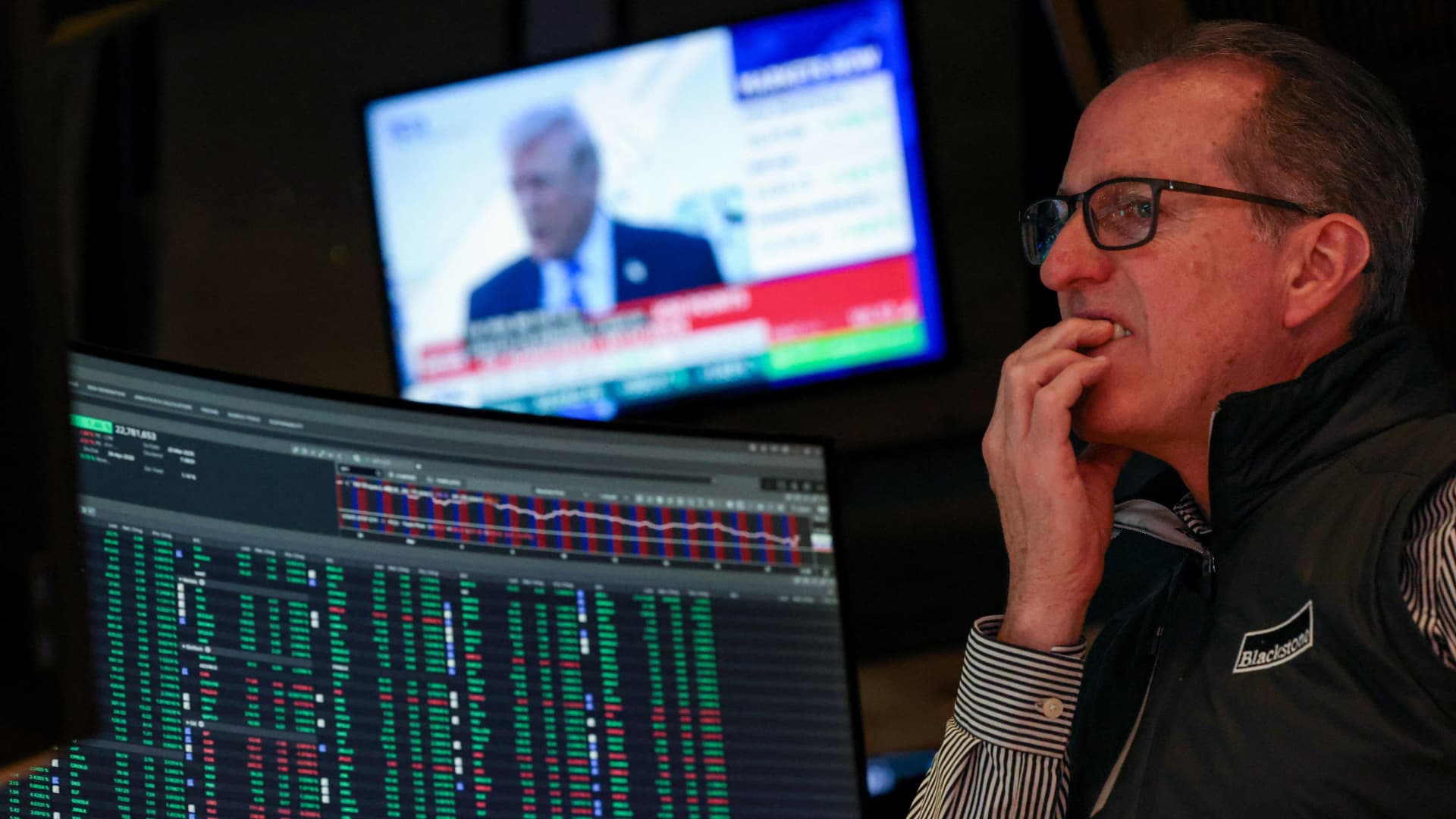
Stock Market Rallies on Optimism Over Iran War Resolution


- Market Rebound: The S&P 500 and Nasdaq Composite rose 3.4% and 4.4% respectively during the holiday-shortened trading week, breaking a five-week losing streak, reflecting optimism about a potential resolution to the Iran war.
- Oil Price Volatility: Despite an 11.4% surge in oil prices on Thursday, the stock market still rallied, indicating a new understanding of the inverse relationship between oil prices and stocks, which may signal increased investor confidence for the future.
- Strong Employment Data: The U.S. March jobs report revealed an addition of 178,000 jobs, significantly surpassing the Dow Jones estimate of 59,000, suggesting a healthy labor market that could alleviate concerns about stagflation driven by rising oil prices.
- IPO Surge: SpaceX confidentially filed for an IPO, potentially valued at $1.75 trillion, while OpenAI and other startups are also considering going public, which could bring new capital inflows and investment opportunities to the market.
See More
Kevin Warsh Nominated for Federal Reserve Chair Amid Controversy
- Hearing Scheduled: The Senate Banking Committee will hold a nomination hearing for Kevin Warsh on April 16, despite ongoing criminal investigations into the Federal Reserve, highlighting the complexities faced by the Trump administration in navigating this situation.
- Investigation's Impact on Nomination: Senator Thom Tillis has stated he will not vote to confirm Warsh until the investigation is resolved, indicating a conflict between Trump's push for the nomination and the need to maintain the Fed's independence.
- Controversy Over Fed Independence: Current Fed Chair Jerome Powell is under investigation for allegedly lying to Congress, which he claims is an attempt to pressure him into lowering interest rates, underscoring the vulnerabilities of the Fed under political scrutiny.
- Judicial Intervention and Investigation Status: Federal Judge James Boasberg has denied the government's motion regarding subpoenas related to the Fed, leaving the future of the investigation uncertain and illustrating the judiciary's critical role in limiting government actions.
See More
Analysis of Palantir and Sandisk Stock Market Dynamics
- Palantir Stock Fluctuations: Palantir's stock surged 167% in 2023 and 340% in 2024, but has since dropped about 30% since peaking in October last year, indicating market concerns over its high valuation despite a 70% year-over-year revenue growth in Q4.
- Future Growth Expectations: Palantir anticipates over 60% revenue growth in 2026, projecting revenues between $7.18 billion and $7.19 billion, with adjusted operating income targeted at $4.126 billion, reflecting sustained strong demand in the AI sector.
- Sandisk Market Performance: Sandisk's stock skyrocketed 1,067% over the past 12 months and is up 141% year-to-date in 2024, benefiting from surging AI data storage demand, although it recently fell 25% due to high valuations and market uncertainties.
- Investor Sentiment Shift: Palantir's high P/E ratio (currently at 289) contrasts sharply with Sandisk's forward P/E ratio of just 18, reflecting differing investor perceptions, with Sandisk viewed as a more attractive investment despite its robust revenue growth.
See More
Analysis of Palantir and Sandisk Stock Performance
- Palantir Stock Volatility: Palantir's stock surged 167% in 2023 and 340% in 2024, yet it has since dropped about 30% from its peak last October, indicating market adjustment risks due to high valuation.
- Accelerated Revenue Growth: Despite the stock decline, Palantir's revenue grew 70% year-over-year in Q4 2023, with a full-year increase of 56%, and it anticipates over 60% growth in 2026, reaching between $7.18 billion and $7.19 billion.
- Sandisk Stock Performance: Sandisk has skyrocketed 1,067% over the past 12 months since its February 2025 IPO, currently priced at $575, showcasing its robust performance amid surging AI data storage demand.
- Market Outlook and Valuation: Sandisk's net income surged 617% year-over-year to $803 million last quarter, with a forward P/E ratio of just 18; despite a recent 25% drop, it remains an attractive investment option.
See More
SpaceX Files for IPO with $2 Trillion Valuation Target
- IPO Filing: SpaceX confidentially filed for an IPO on April 1, aiming for a historic valuation of $2 trillion, which would surpass both Tesla and Meta, reflecting strong market confidence in its future growth potential.
- Merger and Valuation: The merger with Elon Musk's AI startup xAI, valued at $250 billion, boosts SpaceX's overall valuation to $1.25 trillion, further solidifying its position in the tech sector.
- Revenue and Profitability: For 2025, SpaceX reported revenues between $15 billion and $16 billion, with an EBITDA of around $8 billion; while its profitability remains unclear, the majority of its revenue is derived from Starlink, with NASA contributing only 5%.
- Market Competition and Risks: Despite SpaceX's dominance in the rocket launch market, the justification for its valuation is questioned, especially when compared to rapidly growing companies like Palantir, leading investors to approach its high price-to-sales ratio of 130 with caution.
See More
SpaceX Confidentially Files for IPO Targeting $2 Trillion Valuation
- IPO Potential: SpaceX confidentially filed for an IPO on Wednesday, aiming for a historic valuation of $2 trillion, which, if successful, would surpass Saudi Aramco's $75 billion fundraising record, reflecting high market expectations for its future growth.
- Financial Overview: As of 2025, SpaceX's revenue is projected between $15 billion and $16 billion, with an EBITDA of around $8 billion; while GAAP profitability remains unconfirmed, its revenue heavily relies on Starlink, with NASA contributing only 5%, indicating a lack of diversification in its revenue streams.
- Merger Supports IPO: In 2026, SpaceX acquired Elon Musk's AI startup xAI for a valuation of $1.25 trillion, a move that not only provides funding support for xAI but also paves the way for SpaceX's IPO, showcasing Musk's strategic vision in technology integration.
- Market Competition Risks: Despite SpaceX's dominance in the rocket launch market, its valuation appears less robust compared to the
See More
Stock Market Rallies on Optimism Over Iran War Resolution
- Market Rebound: The S&P 500 and Nasdaq Composite rose 3.4% and 4.4% respectively during the holiday-shortened trading week, breaking a five-week losing streak, reflecting optimism about a potential resolution to the Iran war.
- Oil Price Volatility: Despite an 11.4% surge in oil prices on Thursday, the stock market still rallied, indicating a new understanding of the inverse relationship between oil prices and stocks, which may signal increased investor confidence for the future.
- Strong Employment Data: The U.S. March jobs report revealed an addition of 178,000 jobs, significantly surpassing the Dow Jones estimate of 59,000, suggesting a healthy labor market that could alleviate concerns about stagflation driven by rising oil prices.
- IPO Surge: SpaceX confidentially filed for an IPO, potentially valued at $1.75 trillion, while OpenAI and other startups are also considering going public, which could bring new capital inflows and investment opportunities to the market.
See More