Japan's Inflation Rate Eases for Fourth Consecutive Month
- Inflation Rate Decline: Japan's consumer price index fell to 1.3% in February, the lowest since March 2022 and below the central bank's 2% target, indicating signs of economic cooling.
- Core Inflation Moderation: The core inflation rate, excluding fresh food, moderated to 1.6% in February, missing economists' forecast of 1.7%, reflecting ongoing cost pressures amid sluggish economic growth.
- Central Bank's Stable Forecast: The Bank of Japan projects core and core-core inflation for fiscal 2026 at 1.9% and 2.2%, respectively, demonstrating caution regarding future inflation risks, particularly due to soaring energy prices from Middle East conflicts.
- Weak Economic Growth: Japan's economy expanded by only 0.1% year-on-year in the fourth quarter, narrowly avoiding a technical recession and slowing from 0.6% growth in the third quarter, indicating challenges in economic recovery.
Trade with 70% Backtested Accuracy
Analyst Views on JPM

About JPM
About the author


Analysis of JPMorgan Chase's Stock Decline Reasons

- Poor Stock Performance: JPMorgan Chase's stock has declined approximately 10.6% year-to-date, significantly underperforming the KBW Nasdaq Bank Index's 9% drop, indicating market concerns about its future performance amid increasing economic uncertainty.
- Impact of Capital Requirements: Concerns over new capital requirements have pressured JPMorgan and other megabanks, although Federal Reserve Vice Chair Bowman indicated plans to ease these requirements, potentially alleviating investor worries and providing support for the stock price.
- Litigation Risks: A $5 billion lawsuit filed by the Trump Administration against JPMorgan for debanking political figures has dampened investor sentiment, despite the bank asserting the lawsuit lacks merit, which continues to negatively impact the stock.
- Future Spending Plans: JPMorgan anticipates spending $105 billion in 2026, a 10% increase from 2025, raising investor concerns about the returns on its technology upgrades and AI integration, even as analysts project a 19% earnings growth for the quarter.

JPMorgan Introduces New Strategy for Clients to Mitigate AI Debt Risk - Bloomberg News
New Offer from JPMorgan: JPMorgan has introduced a new method for clients to manage their debt, aiming to provide innovative solutions in financial services.
Focus on Debt Management: The initiative emphasizes aiding clients in effectively handling their debt, reflecting a growing trend in personalized financial strategies.

JPMorgan Flags Hyperliquid Exchange Amid Oil Trading Surge
- Volume Surge: Hyperliquid's oil perpetual futures contract reached a peak daily trading volume of $1.7 billion following the outbreak of the Iran war, primarily driven by traditional commodity traders, indicating a potential shift in trading habits during market closures.
- Market Structure Gap: With CME closed over the weekend, Hyperliquid provided a 24/7 trading platform for traders needing to react, utilizing up to 20x leverage and instant execution, fulfilling institutional demands for liquidity and price discovery.
- Decentralized Advantages: Hyperliquid's fully on-chain order book offers tighter spreads and higher execution quality than traditional exchanges, attracting institutional investors with high liquidity and risk control requirements, potentially pressuring mid-tier centralized exchanges.
- Trend Expansion Potential: JPMorgan analysts noted that the demand for DEXs is accelerating, with expectations that this trend will extend beyond commodities, driving broader interest in decentralized trading platforms and potentially reshaping the competitive landscape of the entire crypto derivatives market.

Japan's Inflation Rate Eases for Fourth Consecutive Month
- Inflation Rate Decline: Japan's consumer price index fell to 1.3% in February, the lowest since March 2022 and below the central bank's 2% target, indicating signs of economic cooling.
- Core Inflation Moderation: The core inflation rate, excluding fresh food, moderated to 1.6% in February, missing economists' forecast of 1.7%, reflecting ongoing cost pressures amid sluggish economic growth.
- Central Bank's Stable Forecast: The Bank of Japan projects core and core-core inflation for fiscal 2026 at 1.9% and 2.2%, respectively, demonstrating caution regarding future inflation risks, particularly due to soaring energy prices from Middle East conflicts.
- Weak Economic Growth: Japan's economy expanded by only 0.1% year-on-year in the fourth quarter, narrowly avoiding a technical recession and slowing from 0.6% growth in the third quarter, indicating challenges in economic recovery.

Delta Airlines Navigates Fuel Price Surge Amid Iran Conflict


- Revenue Forecast Increase: Delta Airlines raised its first-quarter revenue forecast to high single digits amid turmoil, exceeding the previous guidance of 5% to 7%, indicating accelerated consumer and corporate demand in March, thereby boosting market confidence.
- Unique Fuel Advantage: Delta's ownership of its refinery through Monroe Energy near Philadelphia provides a competitive edge in managing rising fuel costs, with CEO Ed Bastian highlighting this as a significant hedge for the company.
- Long-Term Profit Potential: Analysts project Delta's earnings per share to reach $6.69 in 2026 and $8.25 in 2027, with expectations to surpass the pre-pandemic earnings of $7.33 per share next year, marking a successful long-term turnaround for the company.
- Strong Cash Flow Performance: Delta generated $4.6 billion in free cash flow in 2025, with an expected free cash flow yield of 9.2% over the next 12 months, significantly outperforming competitors and demonstrating its financial strength and market competitiveness.
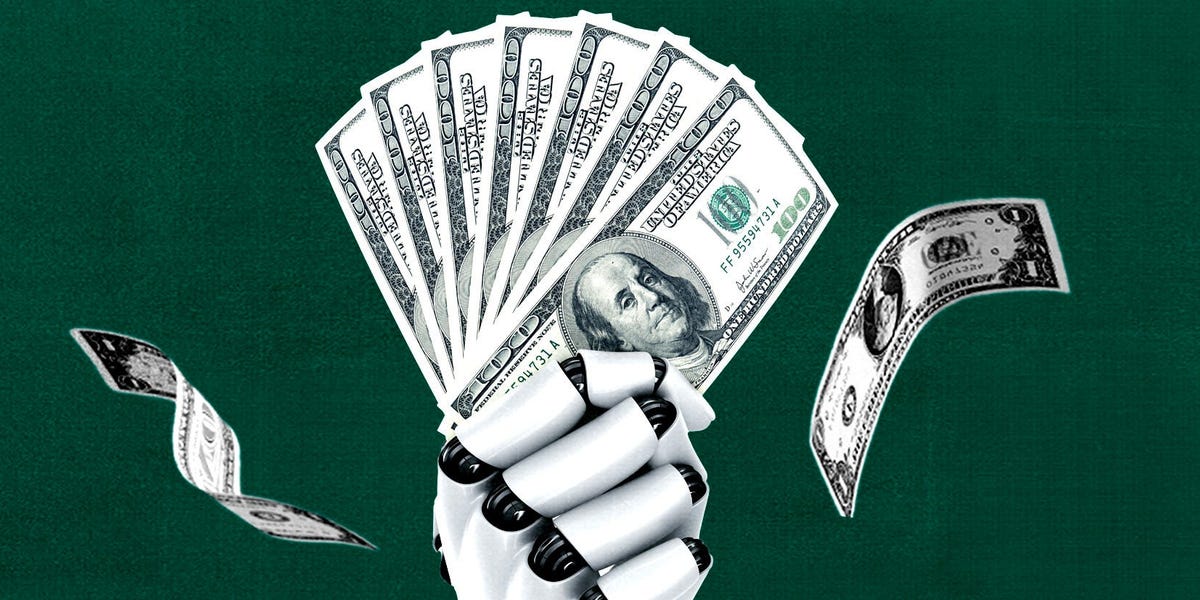
JPMorgan Introduces a Portfolio of Credit Default Swaps for Alphabet Inc., Amazon.com, Meta Platforms, Microsoft, and Oracle Corp - Bloomberg News


Launch of Credit Default Swaps: JPMorgan recently launched a basket of credit default swaps involving major companies like Alphabet, Amazon, Meta Platforms, Microsoft, and Oracle.
Market Impact: This new financial product aims to provide investors with a way to hedge against credit risk in a diversified manner across prominent tech firms.
Analysis of JPMorgan Chase's Stock Decline Reasons
- Poor Stock Performance: JPMorgan Chase's stock has declined approximately 10.6% year-to-date, significantly underperforming the KBW Nasdaq Bank Index's 9% drop, indicating market concerns about its future performance amid increasing economic uncertainty.
- Impact of Capital Requirements: Concerns over new capital requirements have pressured JPMorgan and other megabanks, although Federal Reserve Vice Chair Bowman indicated plans to ease these requirements, potentially alleviating investor worries and providing support for the stock price.
- Litigation Risks: A $5 billion lawsuit filed by the Trump Administration against JPMorgan for debanking political figures has dampened investor sentiment, despite the bank asserting the lawsuit lacks merit, which continues to negatively impact the stock.
- Future Spending Plans: JPMorgan anticipates spending $105 billion in 2026, a 10% increase from 2025, raising investor concerns about the returns on its technology upgrades and AI integration, even as analysts project a 19% earnings growth for the quarter.
JPMorgan Introduces New Strategy for Clients to Mitigate AI Debt Risk - Bloomberg News
New Offer from JPMorgan: JPMorgan has introduced a new method for clients to manage their debt, aiming to provide innovative solutions in financial services.
Focus on Debt Management: The initiative emphasizes aiding clients in effectively handling their debt, reflecting a growing trend in personalized financial strategies.
JPMorgan Flags Hyperliquid Exchange Amid Oil Trading Surge
- Volume Surge: Hyperliquid's oil perpetual futures contract reached a peak daily trading volume of $1.7 billion following the outbreak of the Iran war, primarily driven by traditional commodity traders, indicating a potential shift in trading habits during market closures.
- Market Structure Gap: With CME closed over the weekend, Hyperliquid provided a 24/7 trading platform for traders needing to react, utilizing up to 20x leverage and instant execution, fulfilling institutional demands for liquidity and price discovery.
- Decentralized Advantages: Hyperliquid's fully on-chain order book offers tighter spreads and higher execution quality than traditional exchanges, attracting institutional investors with high liquidity and risk control requirements, potentially pressuring mid-tier centralized exchanges.
- Trend Expansion Potential: JPMorgan analysts noted that the demand for DEXs is accelerating, with expectations that this trend will extend beyond commodities, driving broader interest in decentralized trading platforms and potentially reshaping the competitive landscape of the entire crypto derivatives market.
Japan's Inflation Rate Eases for Fourth Consecutive Month
- Inflation Rate Decline: Japan's consumer price index fell to 1.3% in February, the lowest since March 2022 and below the central bank's 2% target, indicating signs of economic cooling.
- Core Inflation Moderation: The core inflation rate, excluding fresh food, moderated to 1.6% in February, missing economists' forecast of 1.7%, reflecting ongoing cost pressures amid sluggish economic growth.
- Central Bank's Stable Forecast: The Bank of Japan projects core and core-core inflation for fiscal 2026 at 1.9% and 2.2%, respectively, demonstrating caution regarding future inflation risks, particularly due to soaring energy prices from Middle East conflicts.
- Weak Economic Growth: Japan's economy expanded by only 0.1% year-on-year in the fourth quarter, narrowly avoiding a technical recession and slowing from 0.6% growth in the third quarter, indicating challenges in economic recovery.
Delta Airlines Navigates Fuel Price Surge Amid Iran Conflict
- Revenue Forecast Increase: Delta Airlines raised its first-quarter revenue forecast to high single digits amid turmoil, exceeding the previous guidance of 5% to 7%, indicating accelerated consumer and corporate demand in March, thereby boosting market confidence.
- Unique Fuel Advantage: Delta's ownership of its refinery through Monroe Energy near Philadelphia provides a competitive edge in managing rising fuel costs, with CEO Ed Bastian highlighting this as a significant hedge for the company.
- Long-Term Profit Potential: Analysts project Delta's earnings per share to reach $6.69 in 2026 and $8.25 in 2027, with expectations to surpass the pre-pandemic earnings of $7.33 per share next year, marking a successful long-term turnaround for the company.
- Strong Cash Flow Performance: Delta generated $4.6 billion in free cash flow in 2025, with an expected free cash flow yield of 9.2% over the next 12 months, significantly outperforming competitors and demonstrating its financial strength and market competitiveness.
JPMorgan Introduces a Portfolio of Credit Default Swaps for Alphabet Inc., Amazon.com, Meta Platforms, Microsoft, and Oracle Corp - Bloomberg News
Launch of Credit Default Swaps: JPMorgan recently launched a basket of credit default swaps involving major companies like Alphabet, Amazon, Meta Platforms, Microsoft, and Oracle.
Market Impact: This new financial product aims to provide investors with a way to hedge against credit risk in a diversified manner across prominent tech firms.