IRS Staffing Cuts Impact Audit Risks
Written by Emily J. Thompson, Senior Investment Analyst
Updated: 4 days ago
0mins
Should l Buy TSLA?
Source: CNBC
- IRS Staffing Cuts: As of December 2025, the IRS workforce has shrunk by approximately 27%, from over 102,000 in January 2025 to about 74,000, which may create a perception of reduced audit risk; however, experts indicate that audits can still occur through automated processes.
- Diverse Audit Methods: Despite the reduction in IRS audit personnel, various methods still impact taxpayers, including automated math error notices and mail audits, with nearly 80% of audits conducted via correspondence in fiscal year 2024, showcasing the agency's flexibility and adaptability in enforcement.
- Audit Rate Trends: The IRS audited only 0.40% of individual returns from 2014 to 2022, with the audit rate for high earners at 0.7% in 2019, significantly lower than 7.2% in 2011, indicating a lack of enforcement focus on high-income individuals.
- Data-Driven Enforcement: Despite budget cuts, the IRS has prioritized 'data-driven enforcement' as a strategic focus for fiscal year 2027, planning to enhance audit efficiency through artificial intelligence and data analytics, aiming to more accurately identify high-risk noncompliance and fraud.
Trade with 70% Backtested Accuracy
Stop guessing "Should I Buy TSLA?" and start using high-conviction signals backed by rigorous historical data.
Sign up today to access powerful investing tools and make smarter, data-driven decisions.
Analyst Views on TSLA
Wall Street analysts forecast TSLA stock price to rise
30 Analyst Rating
12 Buy
11 Hold
7 Sell
Hold
Current: 388.900

Low
25.28
Averages
401.93
High
600.00
Current: 388.900
Low
25.28
Averages
401.93
High
600.00
About TSLA
Tesla, Inc. designs, develops, manufactures, sells and leases high-performance fully electric vehicles and energy generation and storage systems, and offers services related to its products. Its segments include automotive, and energy generation and storage. The automotive segment includes the design, development, manufacturing, sales and leasing of high-performance fully electric vehicles, and sales of automotive regulatory credits. It also includes sales of used vehicles, non-warranty maintenance services and collisions, part sales, paid supercharging, insurance services revenue and retail merchandise sales. The energy generation and storage segment include the design, manufacture, installation, sales and leasing of solar energy generation and energy storage products and related services and sales of solar energy systems incentives. Its consumer vehicles include the Model 3, Y, S, X and Cybertruck. Its lithium-ion battery energy storage products include Powerwall and Megapack.
About the author

Emily J. Thompson
Emily J. Thompson, a Chartered Financial Analyst (CFA) with 12 years in investment research, graduated with honors from the Wharton School. Specializing in industrial and technology stocks, she provides in-depth analysis for Intellectia’s earnings and market brief reports.
Tesla's Energy Business Expected to Outshine Automotive Revenue

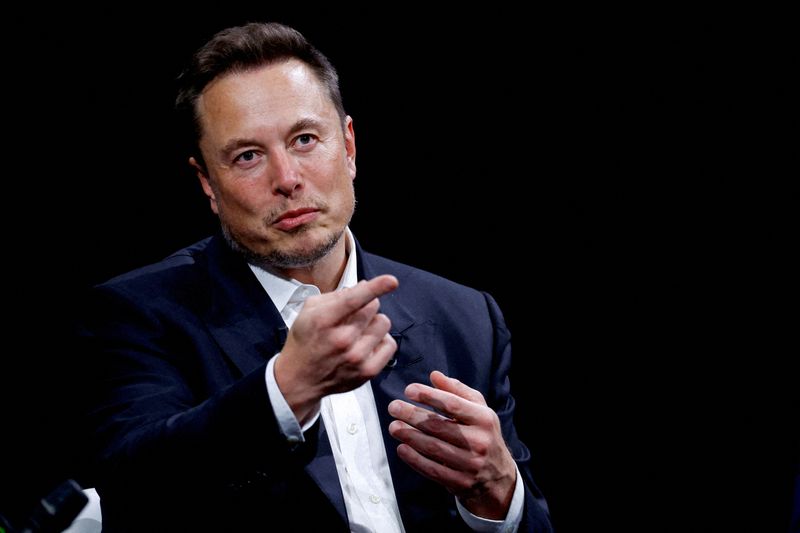
- Energy Business Growth: Tesla's energy division is expected to grow by 25% this quarter, surpassing the automotive revenue growth of 12%, indicating resilience as the company navigates challenges in its core business.
- Cash Flow Situation: The company is projected to report a negative cash flow of $1.44 billion this quarter, highlighting ongoing financial pressures as it transitions towards robotics and self-driving technologies.
- Storage Deployment Trends: In Q1 2026, Tesla's energy storage deployments reached 8.8 gigawatt-hours, down 15% year-over-year; however, revenue is anticipated to rise as the company focuses on selling more profitable products.
- Market Competition Pressure: Analysts note that while growth in the energy sector is likely to remain strong, profit margins may come under pressure due to pricing competition and delays in passing on higher tariff costs, raising concerns among investors.
See More

Tesla's Q1 2026 Earnings Outlook Raises Concerns
- Delivery Decline: Tesla delivered 358,023 vehicles in Q1 2026, a 14% sequential drop that missed Wall Street's expectation of 370,000, indicating potential demand issues that could hinder future sales growth.
- Inventory Buildup: While deliveries saw a modest 6% year-over-year increase, production surged nearly 13% to 408,386 units, resulting in an inventory increase of about 50,000 cars, suggesting a disconnect between supply and demand that may impact profitability.
- Surging Capital Expenditures: Tesla's capital expenditures for 2026 are projected to exceed $20 billion, a significant rise from $8.5 billion in 2025, highlighting the financial strain associated with its ambitious transformation plans.
- Valuation Risks: With a staggering price-to-earnings ratio near 370, Tesla's stock price reflects market expectations for flawless execution of its autonomous and robotics strategies, exposing investors to substantial risks if regulatory timelines slip or operational challenges arise, making the stock unattractive in the short term.
See More

Tesla Launches Robotaxi Service in Texas Cities
- Robotaxi Service Expansion: Tesla has launched its robotaxi service in Dallas and Houston, following the establishment of a geofenced self-driving taxi network in Austin last year, thereby enhancing its market presence in Texas.
- Safety Monitoring Policy Shift: The introduction of a driverless Model Y without a safety monitor in Dallas and Houston signifies a major advancement in Tesla's autonomous driving technology, potentially attracting more users to its service.
- Future Expansion Plans: Tesla aims to expand its robotaxi services to Phoenix, Miami, Orlando, Tampa, and Las Vegas, demonstrating its ambitious growth strategy in the U.S. market, with further details expected during the upcoming earnings conference call.
- Stock Price Fluctuation: Tesla's shares fell 0.8% in premarket trading to $397.69, nearing the 52-week range of $222.79 to $498.83, indicating that market reactions to its robotaxi service will require close monitoring.
See More

Tesla Valuation Debate Intensifies Ahead of Earnings
- Valuation Warning: Gary Black from Future Fund LLC warns that Tesla's current trailing P/E of 371 far exceeds the sustainable level of 200, indicating overvaluation that could undermine investor confidence.
- Delivery Miss: Tesla reported Q1 deliveries of 358,023 vehicles, falling short of the consensus estimate of 365,645 units, marking the second consecutive quarter of delivery misses, which may exert downward pressure on the stock price.
- Robotaxi Challenges: Black asserts that Tesla may struggle to replicate Apple's success with its robotaxi service due to a lack of skills in communicating and educating mass consumers, potentially limiting its market share growth.
- Analyst Price Target Cut: TD Cowen lowered its price target for Tesla from $519 to $490 while maintaining a 'Buy' rating, reflecting a cautious market sentiment regarding Tesla's future performance.
See More
Tesla Set to Report Q1 Earnings Amid Market Surge

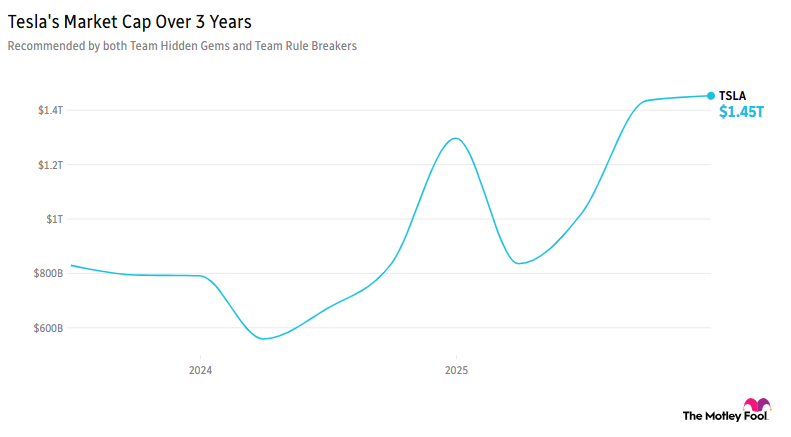
- Tesla Earnings Outlook: Tesla is set to report its Q1 fiscal 2026 earnings on Wednesday, with the stock down 11% year-to-date; however, it has shown recovery in April as CEO Elon Musk garners attention for the upcoming SpaceX IPO, and analysts predict profit growth despite vehicle deliveries of 358,000 falling short of the 370,000 expected.
- Terafab Project Acceleration: Musk is urging potential suppliers to expedite the Terafab AI chip-making project, which is estimated to cost over $25 billion and aims to achieve an annual computing capacity of one terawatt, highlighting Tesla's ambitions in the AI sector.
- Market Performance Surge: Despite uncertainties surrounding dealings with Iran, both the S&P 500 and Nasdaq reached new all-time highs, rising 4.5% and 6.8% respectively, while the Dow Jones increased by 3.2%, indicating a robust market recovery.
- Oil Price Impact: Following the U.S. Navy's seizure of an Iranian-flagged ship, benchmark crude prices surged over 6%, with West Texas Intermediate surpassing $88 and Brent crude exceeding $95, which could influence market sentiment.
See More

U.S. Stock Futures Dip as Iran Conflict Clouds Market Outlook


- Market Reaction: U.S. stock index futures dipped on Monday after last week's record rally on Wall Street, with the Dow futures down 303 points or 0.61%, as dimming prospects of the Iran conflict prompted investors to curb their risk appetite.
- Oil Price Surge: Oil prices jumped 5% on Monday following Iran's reclosure of the Strait of Hormuz, with U.S. energy stocks rising in premarket trading, as Exxon Mobil and Chevron gained 2% and 1.9% respectively, indicating market concerns over supply disruptions.
- Volatility Index Rise: The CBOE Volatility Index (.VIX) rebounded after falling for eight consecutive sessions, last up 2.25 points to 19.73, marking a one-week high, reflecting increased market anxiety about future uncertainties.
- Earnings Focus: Investors are keenly awaiting upcoming earnings reports from defense giants like Lockheed Martin and RTX, as well as tech stocks such as Tesla, to assess the impact of the Iran conflict on corporate results and the broader economy.
See More
Tesla's Energy Business Expected to Outshine Automotive Revenue
- Energy Business Growth: Tesla's energy division is expected to grow by 25% this quarter, surpassing the automotive revenue growth of 12%, indicating resilience as the company navigates challenges in its core business.
- Cash Flow Situation: The company is projected to report a negative cash flow of $1.44 billion this quarter, highlighting ongoing financial pressures as it transitions towards robotics and self-driving technologies.
- Storage Deployment Trends: In Q1 2026, Tesla's energy storage deployments reached 8.8 gigawatt-hours, down 15% year-over-year; however, revenue is anticipated to rise as the company focuses on selling more profitable products.
- Market Competition Pressure: Analysts note that while growth in the energy sector is likely to remain strong, profit margins may come under pressure due to pricing competition and delays in passing on higher tariff costs, raising concerns among investors.
See More
Tesla's Q1 2026 Earnings Outlook Raises Concerns
- Delivery Decline: Tesla delivered 358,023 vehicles in Q1 2026, a 14% sequential drop that missed Wall Street's expectation of 370,000, indicating potential demand issues that could hinder future sales growth.
- Inventory Buildup: While deliveries saw a modest 6% year-over-year increase, production surged nearly 13% to 408,386 units, resulting in an inventory increase of about 50,000 cars, suggesting a disconnect between supply and demand that may impact profitability.
- Surging Capital Expenditures: Tesla's capital expenditures for 2026 are projected to exceed $20 billion, a significant rise from $8.5 billion in 2025, highlighting the financial strain associated with its ambitious transformation plans.
- Valuation Risks: With a staggering price-to-earnings ratio near 370, Tesla's stock price reflects market expectations for flawless execution of its autonomous and robotics strategies, exposing investors to substantial risks if regulatory timelines slip or operational challenges arise, making the stock unattractive in the short term.
See More
Tesla Launches Robotaxi Service in Texas Cities
- Robotaxi Service Expansion: Tesla has launched its robotaxi service in Dallas and Houston, following the establishment of a geofenced self-driving taxi network in Austin last year, thereby enhancing its market presence in Texas.
- Safety Monitoring Policy Shift: The introduction of a driverless Model Y without a safety monitor in Dallas and Houston signifies a major advancement in Tesla's autonomous driving technology, potentially attracting more users to its service.
- Future Expansion Plans: Tesla aims to expand its robotaxi services to Phoenix, Miami, Orlando, Tampa, and Las Vegas, demonstrating its ambitious growth strategy in the U.S. market, with further details expected during the upcoming earnings conference call.
- Stock Price Fluctuation: Tesla's shares fell 0.8% in premarket trading to $397.69, nearing the 52-week range of $222.79 to $498.83, indicating that market reactions to its robotaxi service will require close monitoring.
See More
Tesla Valuation Debate Intensifies Ahead of Earnings
- Valuation Warning: Gary Black from Future Fund LLC warns that Tesla's current trailing P/E of 371 far exceeds the sustainable level of 200, indicating overvaluation that could undermine investor confidence.
- Delivery Miss: Tesla reported Q1 deliveries of 358,023 vehicles, falling short of the consensus estimate of 365,645 units, marking the second consecutive quarter of delivery misses, which may exert downward pressure on the stock price.
- Robotaxi Challenges: Black asserts that Tesla may struggle to replicate Apple's success with its robotaxi service due to a lack of skills in communicating and educating mass consumers, potentially limiting its market share growth.
- Analyst Price Target Cut: TD Cowen lowered its price target for Tesla from $519 to $490 while maintaining a 'Buy' rating, reflecting a cautious market sentiment regarding Tesla's future performance.
See More
Tesla Set to Report Q1 Earnings Amid Market Surge
- Tesla Earnings Outlook: Tesla is set to report its Q1 fiscal 2026 earnings on Wednesday, with the stock down 11% year-to-date; however, it has shown recovery in April as CEO Elon Musk garners attention for the upcoming SpaceX IPO, and analysts predict profit growth despite vehicle deliveries of 358,000 falling short of the 370,000 expected.
- Terafab Project Acceleration: Musk is urging potential suppliers to expedite the Terafab AI chip-making project, which is estimated to cost over $25 billion and aims to achieve an annual computing capacity of one terawatt, highlighting Tesla's ambitions in the AI sector.
- Market Performance Surge: Despite uncertainties surrounding dealings with Iran, both the S&P 500 and Nasdaq reached new all-time highs, rising 4.5% and 6.8% respectively, while the Dow Jones increased by 3.2%, indicating a robust market recovery.
- Oil Price Impact: Following the U.S. Navy's seizure of an Iranian-flagged ship, benchmark crude prices surged over 6%, with West Texas Intermediate surpassing $88 and Brent crude exceeding $95, which could influence market sentiment.
See More
U.S. Stock Futures Dip as Iran Conflict Clouds Market Outlook
- Market Reaction: U.S. stock index futures dipped on Monday after last week's record rally on Wall Street, with the Dow futures down 303 points or 0.61%, as dimming prospects of the Iran conflict prompted investors to curb their risk appetite.
- Oil Price Surge: Oil prices jumped 5% on Monday following Iran's reclosure of the Strait of Hormuz, with U.S. energy stocks rising in premarket trading, as Exxon Mobil and Chevron gained 2% and 1.9% respectively, indicating market concerns over supply disruptions.
- Volatility Index Rise: The CBOE Volatility Index (.VIX) rebounded after falling for eight consecutive sessions, last up 2.25 points to 19.73, marking a one-week high, reflecting increased market anxiety about future uncertainties.
- Earnings Focus: Investors are keenly awaiting upcoming earnings reports from defense giants like Lockheed Martin and RTX, as well as tech stocks such as Tesla, to assess the impact of the Iran conflict on corporate results and the broader economy.
See More