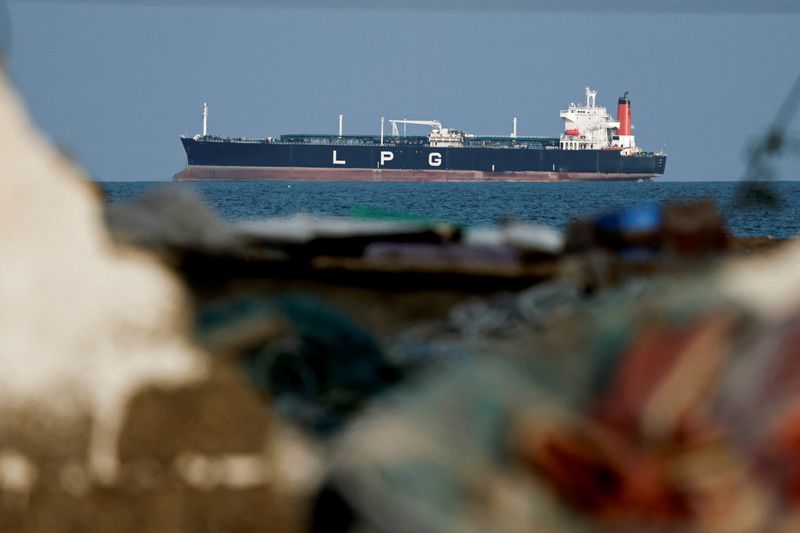
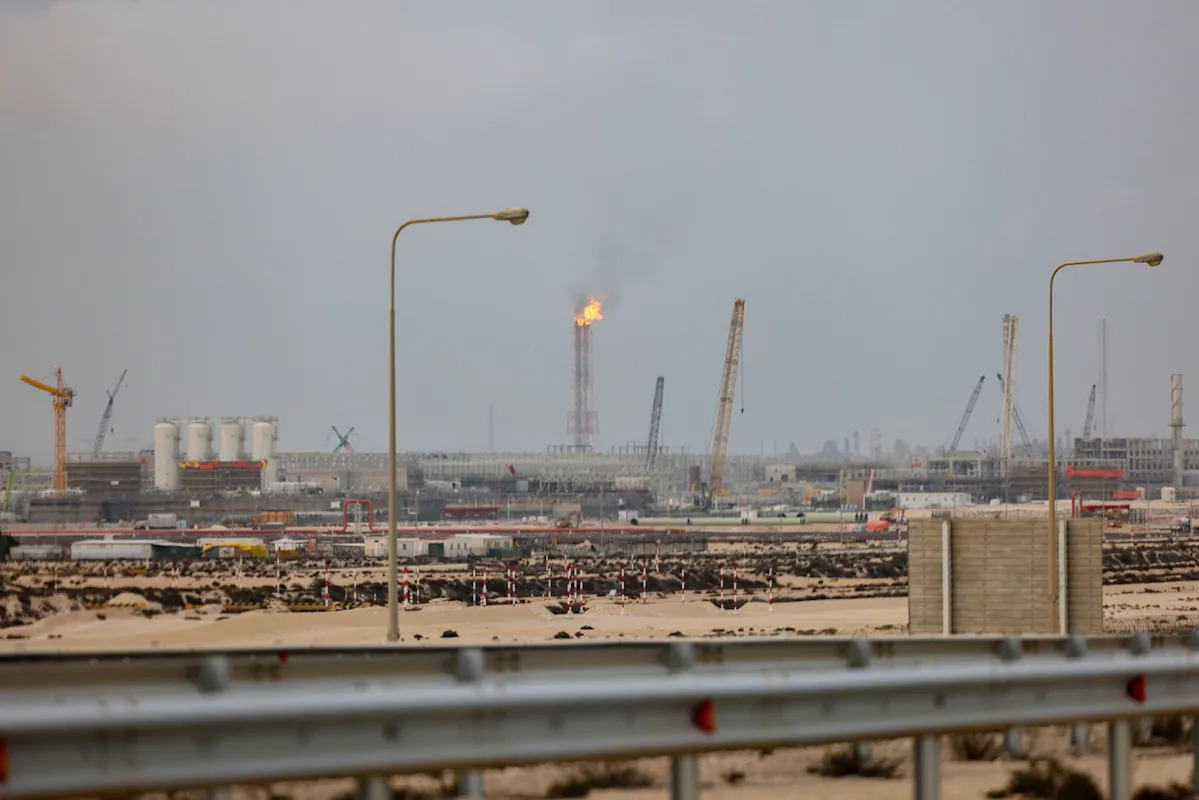
Iran's Attack on Qatar LNG Facilities Boosts U.S. Gas Stocks
Written by Emily J. Thompson, Senior Investment Analyst
Updated: 1 day ago
0mins
Source: seekingalpha
- Positive Market Reaction: Following Iran's attacks on Qatar's LNG infrastructure, which knocked out 17% of its export capacity, shares of Cheniere Energy and Venture Global rose approximately 3%, indicating strong market expectations for U.S. exporters.
- Production Capacity Impact: QatarEnergy reported an estimated $20 billion in annual revenue losses due to the attacks, with 12.8 million tons of LNG expected to be sidelined for three to five years, exacerbating global energy supply constraints.
- U.S. Export Potential: Cheniere Energy has an annual export capacity exceeding 51 million tons, while Venture Global exceeds 37 million tons, positioning these companies for significant growth amid global market volatility.
- Surge in Prices: Geopolitical tensions have led to a 12% increase in U.S. gas prices, with European and Asian prices soaring by 91% and 88% respectively, reflecting severe fluctuations in the global energy market as LNG prices approach 37-month highs in both regions.
Trade with 70% Backtested Accuracy
Stop guessing "Should I Buy LNG?" and start using high-conviction signals backed by rigorous historical data.
Sign up today to access powerful investing tools and make smarter, data-driven decisions.
Analyst Views on LNG
Wall Street analysts forecast LNG stock price to fall
11 Analyst Rating
11 Buy
0 Hold
0 Sell
Strong Buy
Current: 281.870

Low
258.00
Averages
274.09
High
290.00
Current: 281.870
Low
258.00
Averages
274.09
High
290.00
About LNG
Cheniere Energy, Inc. is the producer and exporter of liquefied natural gas (LNG) in the United States. The Company provides clean and secure LNG to integrated energy companies, utilities, and energy trading companies worldwide. It operates two natural gas liquefaction and export facilities at Sabine Pass, Louisiana (Sabine Pass LNG Terminal) and near Corpus Christi, Texas (Corpus Christi LNG Terminal). Sabine Pass LNG Terminal, which has natural gas liquefaction facilities consisting of six operational trains, for a total production capacity of approximately 30 million tons per annum (mtpa) of LNG (the SPL Project). Corpus Christi LNG Terminal near Corpus Christi, Texas, consists of three trains for a total production capacity of approximately 15 mtpa of LNG, three LNG storage tanks and two marine berths. It also owns and operates a 94-mile natural gas supply pipeline that interconnects the Sabine Pass LNG Terminal with several large interstate and intrastate pipelines.
About the author

Emily J. Thompson
Emily J. Thompson, a Chartered Financial Analyst (CFA) with 12 years in investment research, graduated with honors from the Wharton School. Specializing in industrial and technology stocks, she provides in-depth analysis for Intellectia’s earnings and market brief reports.
Iran War: A Major Threat to Global Energy Security

- Global Energy Security Threat: IEA Executive Director Faith Birol described the Iran war as the greatest global energy security threat in history, indicating that even if the conflict ends soon, restoring lost production could take months, likely disrupting global markets for an extended period.
- Asian Markets Impacted: Asian economies like Japan and South Korea, which heavily rely on oil and gas from the Persian Gulf, are significantly affected by rising prices and the blockage of the Strait of Hormuz, with the iShares MSCI South Korea ETF down 17% since the war began, indicating ongoing pressure on these markets.
- Cyclical Stocks Decline: The war has heightened inflation and recession risks, leading to significant declines in cyclical stocks, particularly in the industrial sector, which are sensitive to rising fuel prices, while discretionary stocks have also fallen nearly 10%, reflecting broader economic concerns.
- Energy Stocks Benefit: While many stocks are struggling, energy stocks are benefiting from the surge in oil and gas prices, with Cheniere Energy, a liquefied natural gas exporter, rising about 20% since the war started, highlighting the sector's resilience amid the turmoil.
See More

IEA Warns of Historic Energy Security Threat from Iran Conflict
- Surging Energy Prices: Oil and gas prices have surged due to damage to energy infrastructure, with IEA's Faith Birol warning that elevated prices may persist, impacting operational costs and profitability across various sectors.
- Increased Market Volatility: As the Iran conflict continues, cyclical stocks, particularly in industrials, have seen significant declines, while energy and commodity stocks have thrived, prompting investors to prepare for volatility and potential buying opportunities in the future.
- Production Recovery Challenges: Birol noted that even if the conflict ends quickly, restoring lost production could take months, indicating that global markets will face prolonged disruptions with numerous externalities at play.
- Cautious Investment Advice: While the short-term performance of energy and commodity stocks may entice investors, the ongoing uncertainty of the war suggests maintaining cash reserves to capitalize on potential investment opportunities during market corrections.
See More

Energy Stocks Mixed as NYSE Energy Sector Index Declines


- Market Performance: Energy stocks showed mixed results late Friday afternoon, with the NYSE Energy Sector Index declining by 0.4%, indicating a divergence in market sentiment that could affect investor confidence.
- Investor Reaction: Despite overall market volatility, some investors may seize this opportunity for bargain hunting, particularly against the backdrop of fluctuating energy prices, which could influence future investment strategies.
- Industry Dynamics: The performance of the energy sector is closely tied to the fluctuations in oil and gas prices, prompting investors to monitor global supply and demand changes that may impact energy stocks.
- Future Outlook: As market attention shifts towards renewable energy, traditional energy stocks may face challenges, necessitating investors to assess the implications of industry transformation on long-term investments.
See More
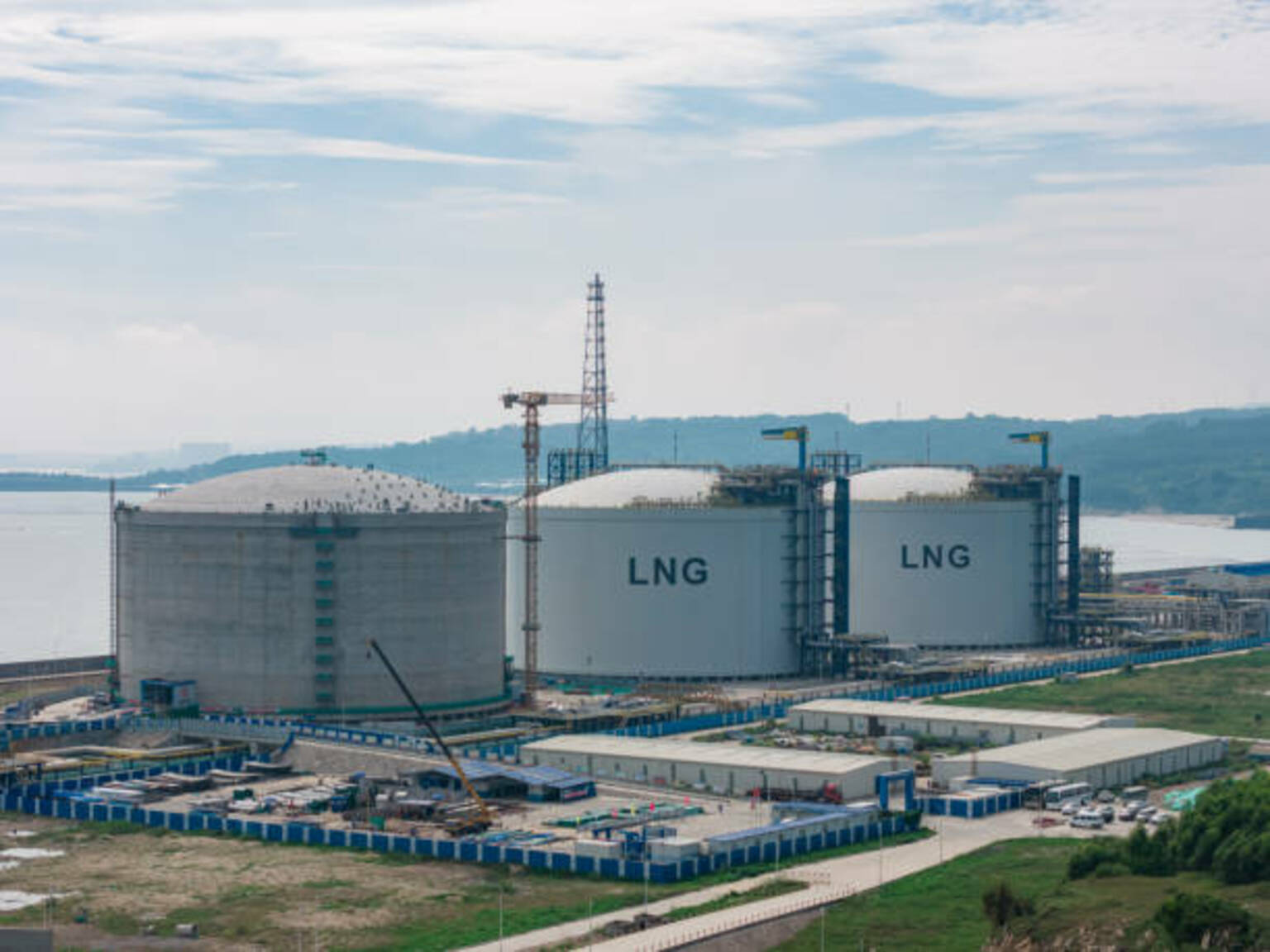
Iran's Attack on Qatar LNG Facilities Boosts U.S. Gas Stocks

- Positive Market Reaction: Following Iran's attacks on Qatar's LNG infrastructure, which knocked out 17% of its export capacity, shares of Cheniere Energy and Venture Global rose approximately 3%, indicating strong market expectations for U.S. exporters.
- Production Capacity Impact: QatarEnergy reported an estimated $20 billion in annual revenue losses due to the attacks, with 12.8 million tons of LNG expected to be sidelined for three to five years, exacerbating global energy supply constraints.
- U.S. Export Potential: Cheniere Energy has an annual export capacity exceeding 51 million tons, while Venture Global exceeds 37 million tons, positioning these companies for significant growth amid global market volatility.
- Surge in Prices: Geopolitical tensions have led to a 12% increase in U.S. gas prices, with European and Asian prices soaring by 91% and 88% respectively, reflecting severe fluctuations in the global energy market as LNG prices approach 37-month highs in both regions.
See More

U.S. Stock Futures Edge Higher Amid Volatile Trading, Oil Prices Ease

- FedEx Earnings Beat: FedEx (FDX) shares surged 11% in premarket trading after reporting fiscal Q3 revenue of $24 billion, an 8.1% year-over-year increase, with EPS at $5.25, exceeding the $4.15 consensus, reflecting strong performance in domestic and international priority package yields, boosting investor confidence.
- Tegna Acquisition Approved: Tegna (TGNA) shares rose 9% following the FCC's approval of its $6.2 billion sale to Nexstar (NXST), despite facing antitrust lawsuits from DirecTV and eight states, indicating market optimism regarding the deal's completion.
- Cheniere Energy Gains: Cheniere Energy (LNG) shares increased by 3% after reaching an all-time high, driven by concerns that Iranian attacks could disrupt nearly 20% of Qatar's LNG output, highlighting market anxiety over energy supply stability.
- Super Micro Computer Decline: Super Micro Computer (SMCI) shares plummeted 20% after three individuals linked to the company were charged with smuggling $2.5 billion worth of U.S. AI technology to China, although the company itself was not named in the indictment, this incident significantly impacted its reputation and stock price.
See More
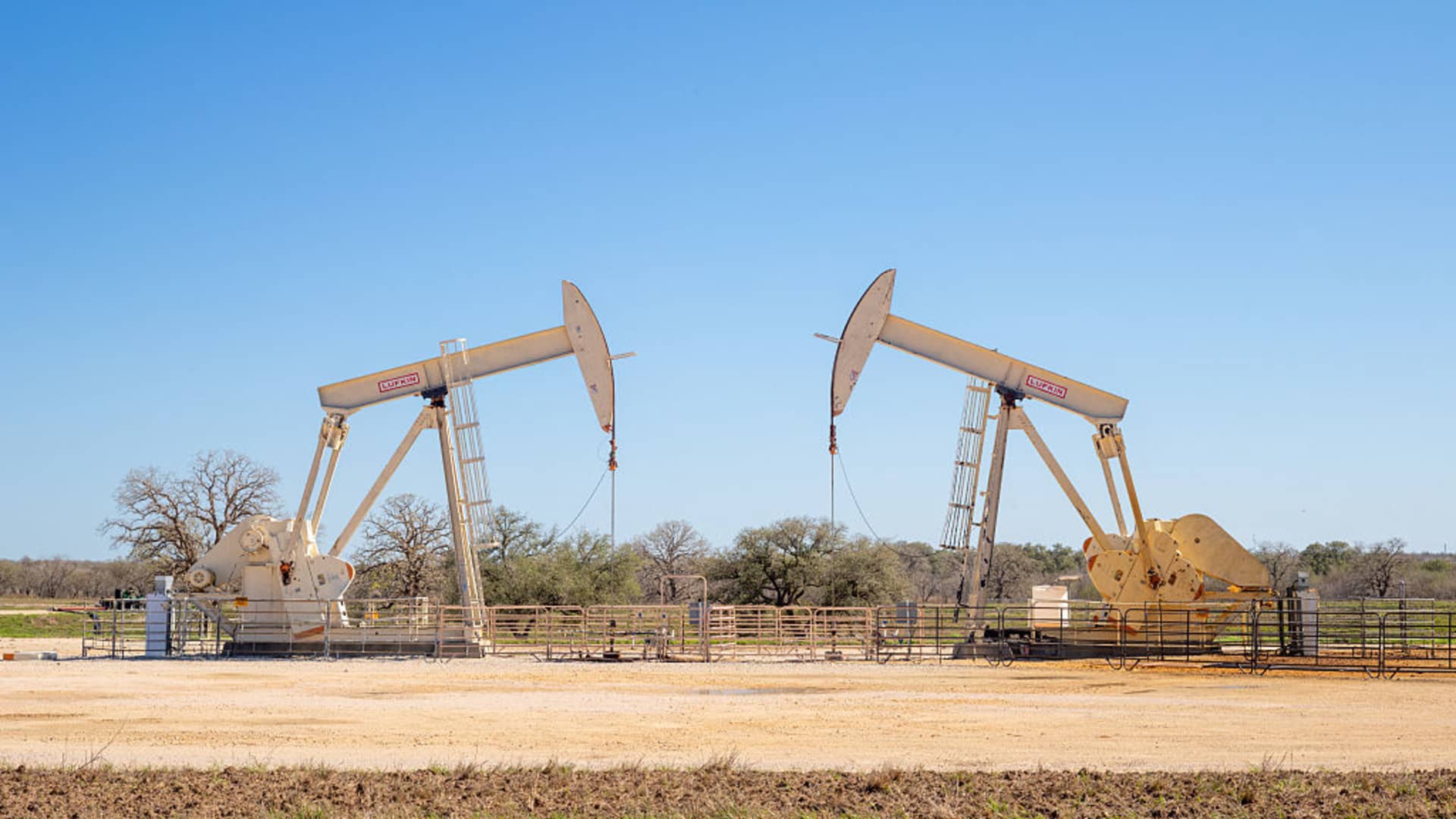
Middle East Tensions Impact Asia-Pacific Markets

- Energy Supply Disruption: Iran's attack on Qatar's largest gas plant has wiped out 17% of the country's LNG export capacity for three to five years, leading to long-term implications for the global energy market.
- Surging Energy Prices: The conflict in the Middle East has caused international benchmark Brent crude futures to rise by 1.18%, closing at $108.65 per barrel, indicating a strong market reaction to potential energy supply disruptions.
- Increased Market Volatility: U.S. natural gas prices increased by 1.5% to $3.112 per million British thermal units, reflecting investor concerns over energy market uncertainties, while gold and silver prices also saw significant declines due to market turbulence.
- International Cooperation Statement: The U.S. and allied countries, including the UK and Canada, issued a joint statement expressing readiness to contribute to ensuring safe passage through the Strait of Hormuz, highlighting the international community's concern and response to the situation in the Middle East.
See More
Iran War: A Major Threat to Global Energy Security
- Global Energy Security Threat: IEA Executive Director Faith Birol described the Iran war as the greatest global energy security threat in history, indicating that even if the conflict ends soon, restoring lost production could take months, likely disrupting global markets for an extended period.
- Asian Markets Impacted: Asian economies like Japan and South Korea, which heavily rely on oil and gas from the Persian Gulf, are significantly affected by rising prices and the blockage of the Strait of Hormuz, with the iShares MSCI South Korea ETF down 17% since the war began, indicating ongoing pressure on these markets.
- Cyclical Stocks Decline: The war has heightened inflation and recession risks, leading to significant declines in cyclical stocks, particularly in the industrial sector, which are sensitive to rising fuel prices, while discretionary stocks have also fallen nearly 10%, reflecting broader economic concerns.
- Energy Stocks Benefit: While many stocks are struggling, energy stocks are benefiting from the surge in oil and gas prices, with Cheniere Energy, a liquefied natural gas exporter, rising about 20% since the war started, highlighting the sector's resilience amid the turmoil.
See More
IEA Warns of Historic Energy Security Threat from Iran Conflict
- Surging Energy Prices: Oil and gas prices have surged due to damage to energy infrastructure, with IEA's Faith Birol warning that elevated prices may persist, impacting operational costs and profitability across various sectors.
- Increased Market Volatility: As the Iran conflict continues, cyclical stocks, particularly in industrials, have seen significant declines, while energy and commodity stocks have thrived, prompting investors to prepare for volatility and potential buying opportunities in the future.
- Production Recovery Challenges: Birol noted that even if the conflict ends quickly, restoring lost production could take months, indicating that global markets will face prolonged disruptions with numerous externalities at play.
- Cautious Investment Advice: While the short-term performance of energy and commodity stocks may entice investors, the ongoing uncertainty of the war suggests maintaining cash reserves to capitalize on potential investment opportunities during market corrections.
See More
Energy Stocks Mixed as NYSE Energy Sector Index Declines
- Market Performance: Energy stocks showed mixed results late Friday afternoon, with the NYSE Energy Sector Index declining by 0.4%, indicating a divergence in market sentiment that could affect investor confidence.
- Investor Reaction: Despite overall market volatility, some investors may seize this opportunity for bargain hunting, particularly against the backdrop of fluctuating energy prices, which could influence future investment strategies.
- Industry Dynamics: The performance of the energy sector is closely tied to the fluctuations in oil and gas prices, prompting investors to monitor global supply and demand changes that may impact energy stocks.
- Future Outlook: As market attention shifts towards renewable energy, traditional energy stocks may face challenges, necessitating investors to assess the implications of industry transformation on long-term investments.
See More
Iran's Attack on Qatar LNG Facilities Boosts U.S. Gas Stocks
- Positive Market Reaction: Following Iran's attacks on Qatar's LNG infrastructure, which knocked out 17% of its export capacity, shares of Cheniere Energy and Venture Global rose approximately 3%, indicating strong market expectations for U.S. exporters.
- Production Capacity Impact: QatarEnergy reported an estimated $20 billion in annual revenue losses due to the attacks, with 12.8 million tons of LNG expected to be sidelined for three to five years, exacerbating global energy supply constraints.
- U.S. Export Potential: Cheniere Energy has an annual export capacity exceeding 51 million tons, while Venture Global exceeds 37 million tons, positioning these companies for significant growth amid global market volatility.
- Surge in Prices: Geopolitical tensions have led to a 12% increase in U.S. gas prices, with European and Asian prices soaring by 91% and 88% respectively, reflecting severe fluctuations in the global energy market as LNG prices approach 37-month highs in both regions.
See More
U.S. Stock Futures Edge Higher Amid Volatile Trading, Oil Prices Ease
- FedEx Earnings Beat: FedEx (FDX) shares surged 11% in premarket trading after reporting fiscal Q3 revenue of $24 billion, an 8.1% year-over-year increase, with EPS at $5.25, exceeding the $4.15 consensus, reflecting strong performance in domestic and international priority package yields, boosting investor confidence.
- Tegna Acquisition Approved: Tegna (TGNA) shares rose 9% following the FCC's approval of its $6.2 billion sale to Nexstar (NXST), despite facing antitrust lawsuits from DirecTV and eight states, indicating market optimism regarding the deal's completion.
- Cheniere Energy Gains: Cheniere Energy (LNG) shares increased by 3% after reaching an all-time high, driven by concerns that Iranian attacks could disrupt nearly 20% of Qatar's LNG output, highlighting market anxiety over energy supply stability.
- Super Micro Computer Decline: Super Micro Computer (SMCI) shares plummeted 20% after three individuals linked to the company were charged with smuggling $2.5 billion worth of U.S. AI technology to China, although the company itself was not named in the indictment, this incident significantly impacted its reputation and stock price.
See More
Middle East Tensions Impact Asia-Pacific Markets
- Energy Supply Disruption: Iran's attack on Qatar's largest gas plant has wiped out 17% of the country's LNG export capacity for three to five years, leading to long-term implications for the global energy market.
- Surging Energy Prices: The conflict in the Middle East has caused international benchmark Brent crude futures to rise by 1.18%, closing at $108.65 per barrel, indicating a strong market reaction to potential energy supply disruptions.
- Increased Market Volatility: U.S. natural gas prices increased by 1.5% to $3.112 per million British thermal units, reflecting investor concerns over energy market uncertainties, while gold and silver prices also saw significant declines due to market turbulence.
- International Cooperation Statement: The U.S. and allied countries, including the UK and Canada, issued a joint statement expressing readiness to contribute to ensuring safe passage through the Strait of Hormuz, highlighting the international community's concern and response to the situation in the Middle East.
See More