Iranian Missile Strikes Cause Helium Shortage in South Korea
Written by Emily J. Thompson, Senior Investment Analyst
Updated: 2 days ago
0mins
Should l Buy MU?
Source: NASDAQ.COM
- Helium Supply Crisis: Iranian missile strikes on Qatar's natural gas infrastructure have reduced the country's liquefied natural gas capacity by 17%, leading to a severe helium shortage in South Korea, significantly impacting major memory producers like Samsung and SK Hynix.
- Shifting Competitive Landscape: While Micron's production base in the U.S. is relatively strong, the helium shortage is likely to hurt Samsung and SK Hynix more, potentially allowing Micron to gain market share, especially once its New York factory is completed.
- Strong Financial Performance: Micron reported a 196% year-over-year revenue increase in Q2 2026, with a net profit margin of 41.5%, demonstrating its robust financial resilience amid helium shortages, outperforming its competitors' financial standings.
- Long-term Impact Assessment: The helium shortage is expected to persist until 2030, but Micron's strong financial position and diversified helium supply chain place it in a favorable position to navigate industry turbulence and better absorb market fluctuations.
Trade with 70% Backtested Accuracy
Stop guessing "Should I Buy MU?" and start using high-conviction signals backed by rigorous historical data.
Sign up today to access powerful investing tools and make smarter, data-driven decisions.
Analyst Views on MU
Wall Street analysts forecast MU stock price to fall
26 Analyst Rating
24 Buy
2 Hold
0 Sell
Strong Buy
Current: 666.590

Low
235.00
Averages
336.12
High
500.00
Current: 666.590
Low
235.00
Averages
336.12
High
500.00
About MU
Micron Technology, Inc. provides memory and storage solutions. The Company delivers a portfolio of high-performance dynamic random-access memory (DRAM), NAND, and NOR memory and storage products through its Micron and Crucial brands. The Company's products enable advancing in artificial intelligence (AI) and compute-intensive applications. Its segments include Cloud Memory Business Unit (CMBU), Core Data Center Business Unit (CDBU), Mobile and Client Business Unit (MCBU) and Automotive and Embedded Business Unit (AEBU). CMBU is focused on memory solutions for large hyperscale cloud customers, and high bandwidth memory (HBM) for all data center customers. CDBU is focused on memory solutions for mid-tier cloud, enterprise, and OEM data center customers and storage solutions for all data center customers. MCBU is focused on memory and storage solutions for mobile and client segments. AEBU is focused on memory and storage solutions for the automotive, industrial, and consumer segments.
About the author

Emily J. Thompson
Emily J. Thompson, a Chartered Financial Analyst (CFA) with 12 years in investment research, graduated with honors from the Wharton School. Specializing in industrial and technology stocks, she provides in-depth analysis for Intellectia’s earnings and market brief reports.
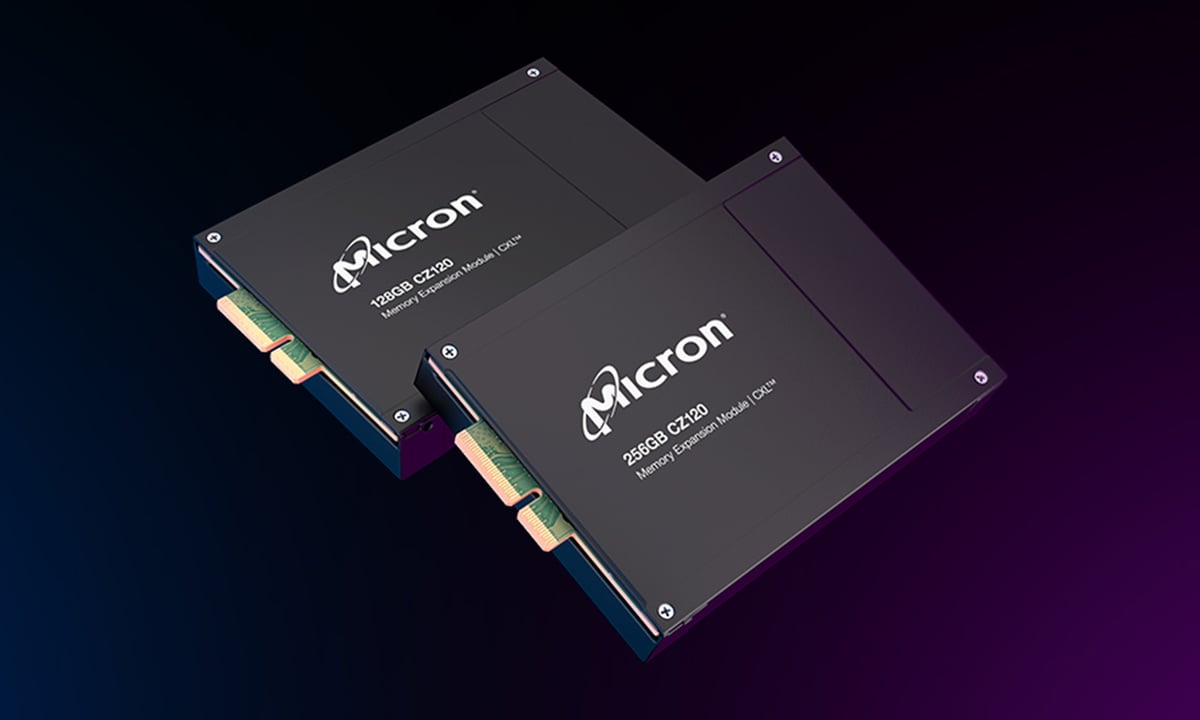
Micron Technology's Stock Soars Nearly 700% Amid AI Boom

- Stock Surge: Micron Technology's stock has surged nearly 700% over the past year, currently trading above $600, indicating strong market demand and investor confidence, which may prompt the company to consider a stock split to enhance liquidity.
- Revenue Growth: In the second quarter of its 2026 fiscal year, Micron reported $23.9 billion in revenue, a staggering 196% year-over-year increase, marking the company's fourth consecutive quarterly revenue record, showcasing its robust performance in the memory market and ongoing growth potential.
- Supply-Demand Shift: Micron confirmed that its entire HBM4 supply for 2026 is sold out under binding contracts, with customers now signing three- to five-year supply agreements, representing a significant structural shift that will help smooth out previous demand volatility and enhance the company's long-term stability.
- Valuation Appeal: Despite Micron's recent strong performance, it trades at only 11 times forward earnings, which is undervalued compared to most AI stocks, suggesting substantial growth potential if it continues to exceed market expectations, making it a compelling investment opportunity.
See More
Micron Technology Remains a Compelling Investment Opportunity
- Valuation Advantage: Micron Technology's price-to-earnings ratio stands at just 9.9 times, significantly lower than the sector median of approximately 32 times, highlighting its undervaluation in the semiconductor industry and attracting investor interest.
- Growth Potential: The company is projected to achieve a staggering forward EPS growth rate of 327%, indicating strong profitability in a rapidly growing market, which could yield substantial returns for shareholders.
- Stock Performance: Over the past year, Micron's stock has surged by 720%, with an impressive 80% increase in the last month, reflecting strong market confidence in its future performance.
- Investment Recommendation: Despite Micron's cyclical nature, analysts maintain that its fundamentals are robust, and with a combination of low valuation and high growth potential, they recommend investors remain bullish on the stock's long-term outlook.
See More

DoorDash's Revenue Miss Doesn't Detract from Strong Growth Story


- Significant Revenue Growth: DoorDash's Q1 revenue increased by 33% year-over-year to $4.04 billion, largely driven by the acquisition of Deliveroo, showcasing the company's strong performance in market expansion.
- Order Volume Surge: Total orders rose by 27% to 933 million, with marketplace gross order value jumping 37% to $31.6 billion, indicating that the company is not only adding orders but also capturing larger ones, particularly in the fast-growing grocery and retail categories.
- Profit Pressure Intensifies: Despite revenue growth, diluted EPS fell from $0.44 to $0.42, primarily due to integration costs from Deliveroo and ongoing investments in autonomous delivery, highlighting the profit pressures faced during expansion.
- Optimistic Future Outlook: Management maintained its full-year outlook, expecting modest margin gains, although heavy investment will continue, indicating the company's need to prove that these investments can translate into operational leverage.
See More
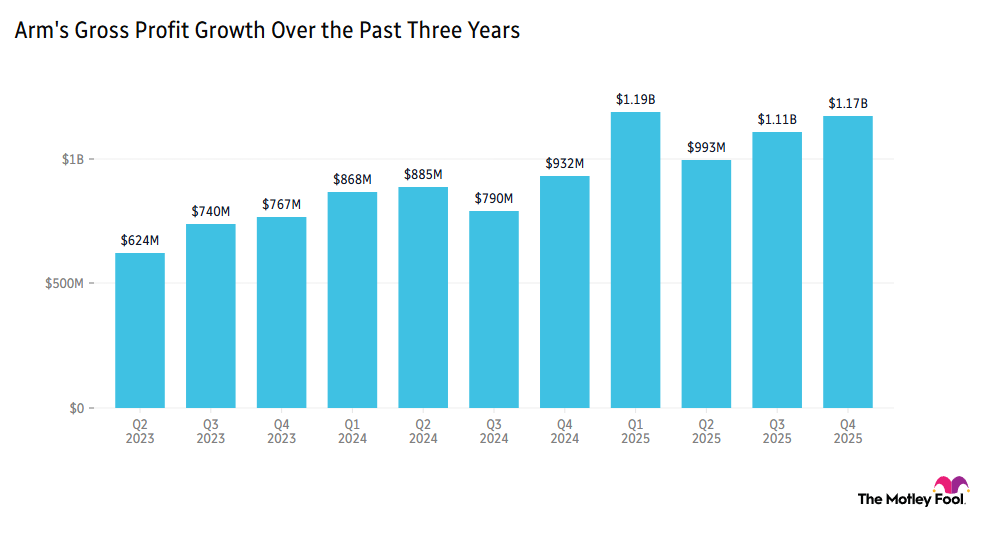
Arm Faces Challenges Amid Chip Supply Strains


- Smartphone Market Slowdown: Arm Holdings fell over 6% in pre-market trading due to a memory chip shortage, which has slowed growth in the smartphone market, despite an improved outlook for AI data centers, impacting major tech companies reliant on Arm's services.
- Strong Demand for New CPU: Arm's new CPU has over $2 billion in customer demand over the next two financial years, indicating a positive market reception for its homegrown chips, which strengthens its position in the cloud computing sector, particularly among top hyperscalers with a 50% market share.
- Memory Stocks Rally: Micron Technology and Western Digital saw their stocks rise over 4% amid chip shortages and ongoing AI demand, demonstrating strong pricing power in the current market backdrop, although future prospects remain uncertain due to historical volatility.
- Celsius's Impressive Performance: Celsius Holdings reported a staggering 137.7% revenue increase in Q1, reaching $782.6 million, showcasing robust growth in both its core brand and Alani Nu, which boosts market confidence in its future performance.
See More

AI Stocks Thrive Amid Market Uncertainty


- Valuation Concerns: The S&P 500 Shiller CAPE ratio has climbed to 40, indicating that stock valuations have reached historical highs similar to the dot-com bubble in 2000; however, the market did not crash, and many tech stocks have significantly rebounded after the first quarter.
- Giant Investments: Tech giants have committed nearly $700 billion in 2023 to support AI infrastructure, with Amazon planning to invest about $200 billion to meet AI customer demands for cloud services, a strategic investment expected to drive future revenue growth.
- Spending vs. Revenue Growth: Amazon's recent shareholder letter indicates that its capital spending will be monetized over the next two years based on solid customer commitments, alleviating investor concerns about spending not matching revenue opportunities and demonstrating strong market demand.
- Market Rebound: Despite uncertainties like the war in Iran, AI stocks have rebounded due to improved valuations and strong earnings; with progress toward a peace agreement, the market outlook is becoming more favorable, further boosting investor confidence in AI stocks.
See More

AI Stocks Rebound Amid Market Challenges
- Valuation Pressure: The S&P 500 Shiller CAPE ratio has climbed to 40, indicating that stock valuations have reached historical highs similar to the dot-com bubble in 2000, which has heightened investor concerns about AI stocks, although the market has not crashed.
- Massive Investment Commitments: Tech giants have pledged nearly $700 billion in 2023 to support AI infrastructure, with Amazon planning to invest about $200 billion to meet AI customer demands, positioning this spending as crucial for driving future revenue growth.
- Revenue Growth Signals: Amazon's recent shareholder letter indicates that much of its 2026 capital spending will be monetized over the next two years based on solid customer commitments, demonstrating the effectiveness of its investments and strong market demand, alleviating investor concerns.
- Improving Market Environment: Despite the uncertainty caused by the war in Iran, which led investors to shift towards safer stocks, AI stocks have rebounded recently as valuations improved and earnings showed strength, highlighting their long-term growth potential and attracting renewed investor interest.
See More
Micron Technology's Stock Soars Nearly 700% Amid AI Boom
- Stock Surge: Micron Technology's stock has surged nearly 700% over the past year, currently trading above $600, indicating strong market demand and investor confidence, which may prompt the company to consider a stock split to enhance liquidity.
- Revenue Growth: In the second quarter of its 2026 fiscal year, Micron reported $23.9 billion in revenue, a staggering 196% year-over-year increase, marking the company's fourth consecutive quarterly revenue record, showcasing its robust performance in the memory market and ongoing growth potential.
- Supply-Demand Shift: Micron confirmed that its entire HBM4 supply for 2026 is sold out under binding contracts, with customers now signing three- to five-year supply agreements, representing a significant structural shift that will help smooth out previous demand volatility and enhance the company's long-term stability.
- Valuation Appeal: Despite Micron's recent strong performance, it trades at only 11 times forward earnings, which is undervalued compared to most AI stocks, suggesting substantial growth potential if it continues to exceed market expectations, making it a compelling investment opportunity.
See More
Micron Technology Remains a Compelling Investment Opportunity
- Valuation Advantage: Micron Technology's price-to-earnings ratio stands at just 9.9 times, significantly lower than the sector median of approximately 32 times, highlighting its undervaluation in the semiconductor industry and attracting investor interest.
- Growth Potential: The company is projected to achieve a staggering forward EPS growth rate of 327%, indicating strong profitability in a rapidly growing market, which could yield substantial returns for shareholders.
- Stock Performance: Over the past year, Micron's stock has surged by 720%, with an impressive 80% increase in the last month, reflecting strong market confidence in its future performance.
- Investment Recommendation: Despite Micron's cyclical nature, analysts maintain that its fundamentals are robust, and with a combination of low valuation and high growth potential, they recommend investors remain bullish on the stock's long-term outlook.
See More
DoorDash's Revenue Miss Doesn't Detract from Strong Growth Story
- Significant Revenue Growth: DoorDash's Q1 revenue increased by 33% year-over-year to $4.04 billion, largely driven by the acquisition of Deliveroo, showcasing the company's strong performance in market expansion.
- Order Volume Surge: Total orders rose by 27% to 933 million, with marketplace gross order value jumping 37% to $31.6 billion, indicating that the company is not only adding orders but also capturing larger ones, particularly in the fast-growing grocery and retail categories.
- Profit Pressure Intensifies: Despite revenue growth, diluted EPS fell from $0.44 to $0.42, primarily due to integration costs from Deliveroo and ongoing investments in autonomous delivery, highlighting the profit pressures faced during expansion.
- Optimistic Future Outlook: Management maintained its full-year outlook, expecting modest margin gains, although heavy investment will continue, indicating the company's need to prove that these investments can translate into operational leverage.
See More
Arm Faces Challenges Amid Chip Supply Strains
- Smartphone Market Slowdown: Arm Holdings fell over 6% in pre-market trading due to a memory chip shortage, which has slowed growth in the smartphone market, despite an improved outlook for AI data centers, impacting major tech companies reliant on Arm's services.
- Strong Demand for New CPU: Arm's new CPU has over $2 billion in customer demand over the next two financial years, indicating a positive market reception for its homegrown chips, which strengthens its position in the cloud computing sector, particularly among top hyperscalers with a 50% market share.
- Memory Stocks Rally: Micron Technology and Western Digital saw their stocks rise over 4% amid chip shortages and ongoing AI demand, demonstrating strong pricing power in the current market backdrop, although future prospects remain uncertain due to historical volatility.
- Celsius's Impressive Performance: Celsius Holdings reported a staggering 137.7% revenue increase in Q1, reaching $782.6 million, showcasing robust growth in both its core brand and Alani Nu, which boosts market confidence in its future performance.
See More
AI Stocks Thrive Amid Market Uncertainty
- Valuation Concerns: The S&P 500 Shiller CAPE ratio has climbed to 40, indicating that stock valuations have reached historical highs similar to the dot-com bubble in 2000; however, the market did not crash, and many tech stocks have significantly rebounded after the first quarter.
- Giant Investments: Tech giants have committed nearly $700 billion in 2023 to support AI infrastructure, with Amazon planning to invest about $200 billion to meet AI customer demands for cloud services, a strategic investment expected to drive future revenue growth.
- Spending vs. Revenue Growth: Amazon's recent shareholder letter indicates that its capital spending will be monetized over the next two years based on solid customer commitments, alleviating investor concerns about spending not matching revenue opportunities and demonstrating strong market demand.
- Market Rebound: Despite uncertainties like the war in Iran, AI stocks have rebounded due to improved valuations and strong earnings; with progress toward a peace agreement, the market outlook is becoming more favorable, further boosting investor confidence in AI stocks.
See More
AI Stocks Rebound Amid Market Challenges
- Valuation Pressure: The S&P 500 Shiller CAPE ratio has climbed to 40, indicating that stock valuations have reached historical highs similar to the dot-com bubble in 2000, which has heightened investor concerns about AI stocks, although the market has not crashed.
- Massive Investment Commitments: Tech giants have pledged nearly $700 billion in 2023 to support AI infrastructure, with Amazon planning to invest about $200 billion to meet AI customer demands, positioning this spending as crucial for driving future revenue growth.
- Revenue Growth Signals: Amazon's recent shareholder letter indicates that much of its 2026 capital spending will be monetized over the next two years based on solid customer commitments, demonstrating the effectiveness of its investments and strong market demand, alleviating investor concerns.
- Improving Market Environment: Despite the uncertainty caused by the war in Iran, which led investors to shift towards safer stocks, AI stocks have rebounded recently as valuations improved and earnings showed strength, highlighting their long-term growth potential and attracting renewed investor interest.
See More