Iran Conflict Disrupts Luxury Car Market Dynamics
Written by Emily J. Thompson, Senior Investment Analyst
Updated: 1 hour ago
0mins

Should l Buy RACE?
Source: Fool
- Increased Market Uncertainty: The ongoing conflict in Iran exacerbates challenges for luxury automakers, with slowing demand in China and Europe leading to profit erosion from tariffs, creating a more precarious market environment.
- Rising Importance of Middle East: Ferrari's 2025 report indicates that the Middle East accounted for 4.6% of total sales, a significant increase from 3.5% the previous year, highlighting the region's growing importance amid current market turmoil.
- Profitability Risks Emerge: Although the Middle East contributes a relatively small portion to Ferrari's sales, supply chain constraints, rising air freight costs, and declining regional demand pose direct threats to profitability, prompting potential production adjustments in response to sudden changes.
- Investment Opportunities Arise: While the Iran conflict negatively impacts Ferrari, investors should view this as a temporary setback; with its global competitive advantages and strong brand image, Ferrari remains a quality long-term investment choice.
Trade with 70% Backtested Accuracy
Stop guessing "Should I Buy RACE?" and start using high-conviction signals backed by rigorous historical data.
Sign up today to access powerful investing tools and make smarter, data-driven decisions.
Analyst Views on RACE
Wall Street analysts forecast RACE stock price to rise
15 Analyst Rating
11 Buy
3 Hold
1 Sell
Moderate Buy
Current: 352.220

Low
349.74
Averages
448.83
High
555.00
Current: 352.220
Low
349.74
Averages
448.83
High
555.00
About RACE
Ferrari NV, known as Ferrari, is an Italy-based designer, manufacturer and retailer of sports cars that is incorporated in the Netherlands. It operates under the Ferrari brand. Its sports cars portfolio includes, among others, F12berlinetta, FF, Ferrari 488 GTB, 488 Spider, 458 Speciale, Ferrari California T, F12tdf and LaFerrari. The Company also offers financing services through Ferrari Financial Services. It also produces limited series and one-off cars. The Company divides its regional markets in EMEA (Europe, the Middle East, India and Africa), Americas, Greater China and Rest of APAC (Asia-Pacific region, excluding Greater China) and is active in over 60 markets worldwide through a network of authorized dealers.
About the author

Emily J. Thompson
Emily J. Thompson, a Chartered Financial Analyst (CFA) with 12 years in investment research, graduated with honors from the Wharton School. Specializing in industrial and technology stocks, she provides in-depth analysis for Intellectia’s earnings and market brief reports.
Ferrari Initiates Second Tranche of Share Buyback Program

- Buyback Program Progress: Ferrari has completed the first tranche of its €250 million share buyback program announced on December 16, 2025, repurchasing 680,168 shares for nearly €200 million, demonstrating the company's commitment to shareholder returns.
- Future Buyback Plans: The second tranche of the buyback program is set to commence on April 13, 2026, with an additional €250 million in shares expected to be repurchased, aimed at further enhancing shareholder value and boosting market confidence.
- Market Operation Strategy: Ferrari has entered into a non-discretionary buyback agreement with a primary financial institution to execute €200 million in buybacks on the EXM market, ensuring continued repurchase capability during market fluctuations.
- Shareholder Authorization Context: This buyback initiative aligns with the resolution adopted at the shareholders' meeting on April 16, 2025, which authorized the repurchase of up to 10% of common shares within an 18-month period, further solidifying the company's position in the capital markets.
See More
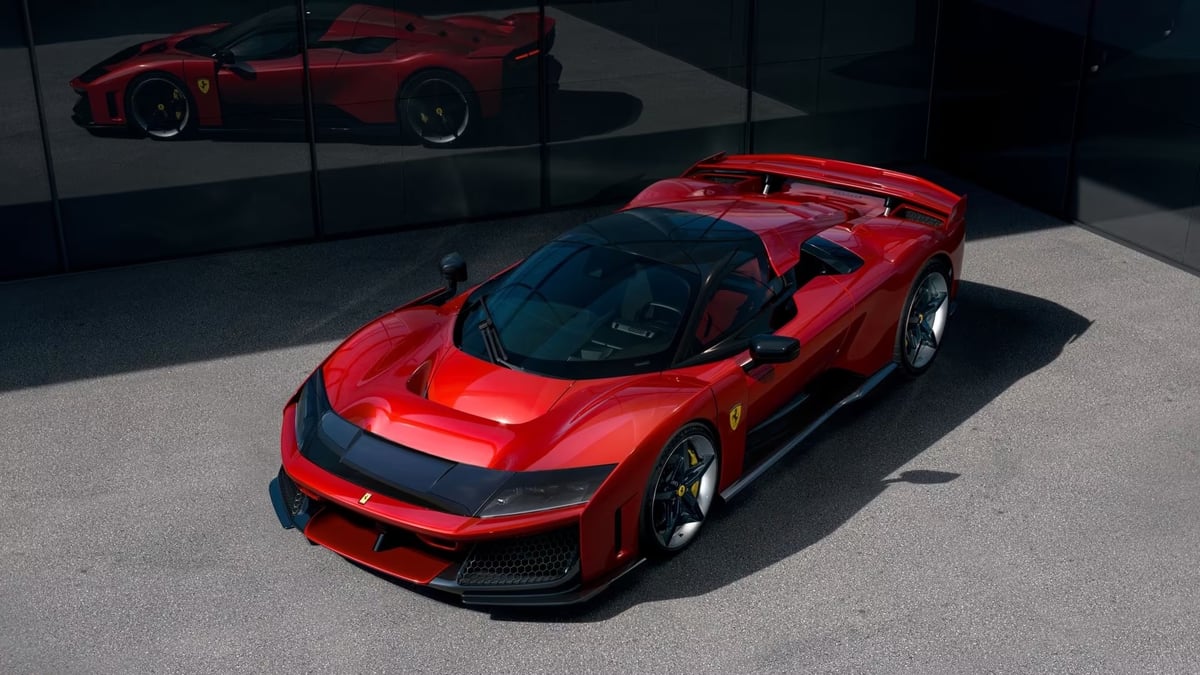
Iran Conflict Disrupts Luxury Car Market Dynamics
- Increased Market Uncertainty: The ongoing conflict in Iran exacerbates challenges for luxury automakers, with slowing demand in China and Europe leading to profit erosion from tariffs, creating a more precarious market environment.
- Rising Importance of Middle East: Ferrari's 2025 report indicates that the Middle East accounted for 4.6% of total sales, a significant increase from 3.5% the previous year, highlighting the region's growing importance amid current market turmoil.
- Profitability Risks Emerge: Although the Middle East contributes a relatively small portion to Ferrari's sales, supply chain constraints, rising air freight costs, and declining regional demand pose direct threats to profitability, prompting potential production adjustments in response to sudden changes.
- Investment Opportunities Arise: While the Iran conflict negatively impacts Ferrari, investors should view this as a temporary setback; with its global competitive advantages and strong brand image, Ferrari remains a quality long-term investment choice.
See More

Impact of Iran Conflict on Luxury Automakers
- Market Impact Assessment: The Iran conflict severely affects Ferrari's high-margin market in the Middle East, which accounted for 4.6% of total sales in 2025, up from 3.5% the previous year, highlighting the region's significance.
- Increased Sales Risks: With supply chain constraints, rising air freight costs, and declining regional demand, Ferrari faces direct profitability risks, particularly in the luxury market, raising concerns about potential production cuts.
- Competitive Advantages and Challenges: Despite these challenges, Ferrari's stable order book and strong global brand image provide flexibility to adapt to market changes, presenting investors with a rare opportunity to buy at a lower valuation.
- Economic Environment Impact: Higher oil prices could negatively affect luxury sales, especially for inflation-sensitive consumers, potentially impacting Ferrari's long-term competitive advantages in the short term.
See More
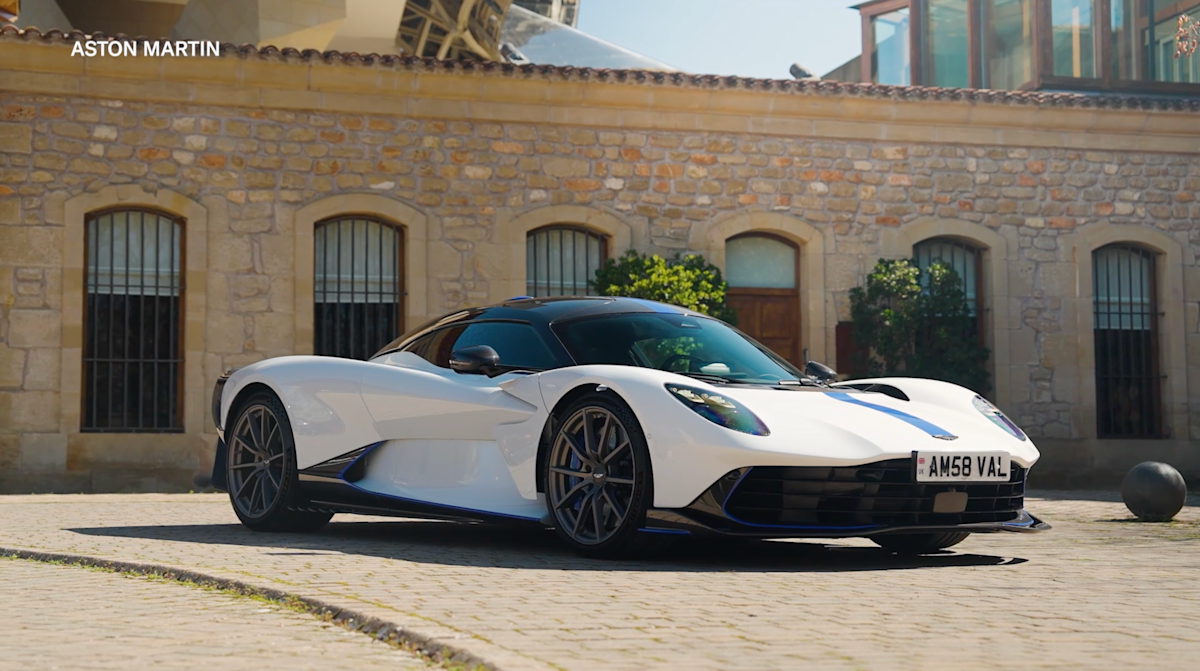
Aston Martin Valhalla Launches, Redefining Brand Future
- Market Positioning: The Aston Martin Valhalla starts at over $1 million with a production cap of 999 units, projected to generate over $1 billion in revenue, making it a crucial pillar for the company's financial recovery.
- Powertrain System: Featuring a 4.0-liter twin-turbo V8 paired with three electric motors, the Valhalla delivers a combined output of 1,064 horsepower, showcasing remarkable handling and stability on track, despite being below the Ferrari F80's 1,200 horsepower.
- Technological Innovation: The vehicle employs Formula One-style pushrod double wishbone front suspension and an active aerodynamics system, enhancing track performance, even though such technology is banned in most motorsport, it is effectively utilized in the Valhalla.
- Market Potential: The launch of the Valhalla marks a significant step for Aston Martin into the supercar market, potentially increasing secondary market values and attracting more customers to purchase new cars, thereby enhancing the brand's competitive edge.
See More
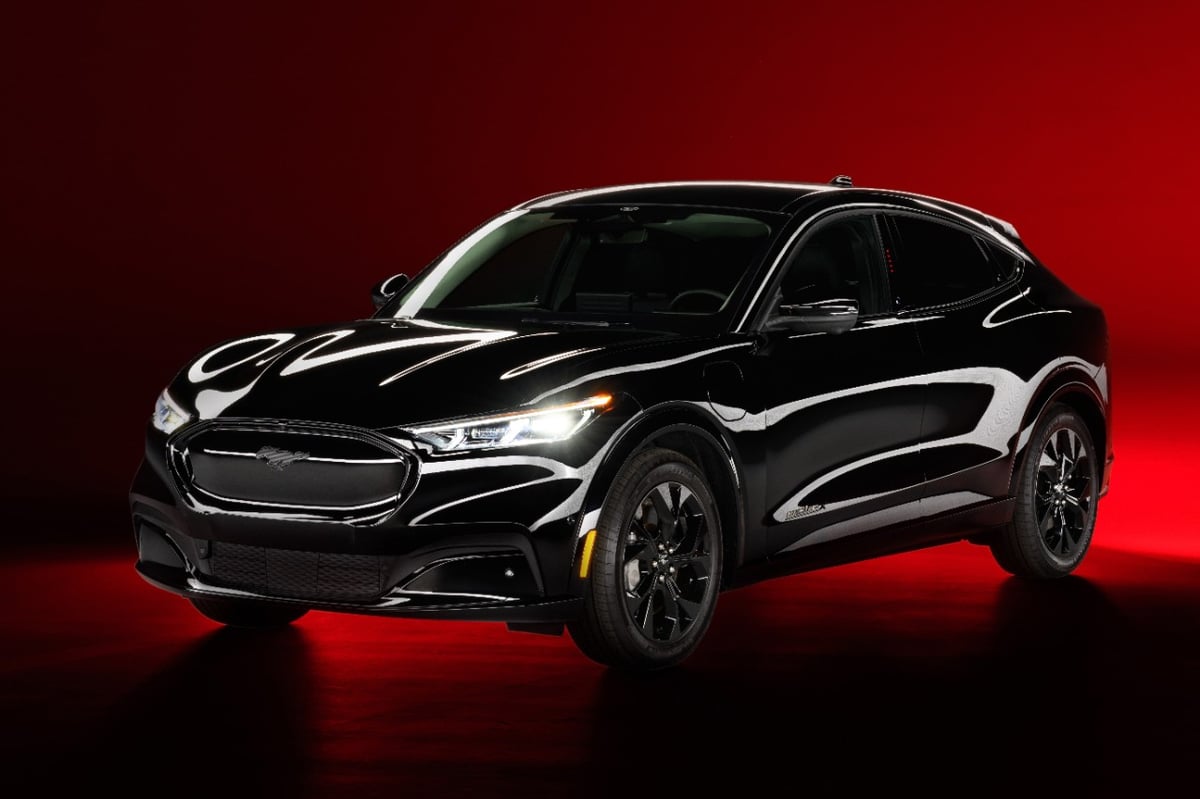
Ferrari and Ford: Must-Have Stocks Analysis
- Ferrari's Pricing Power: Ferrari showcases unmatched pricing power with its high operating margins and luxury brand image, exemplified by the F80 supercar priced at nearly $4 million and limited to 799 units, which, despite accounting for only 2% of sales, could generate 20% of profits, highlighting strong market demand and profitability potential.
- Ford's Dividend Advantage: Ford offers a quarterly dividend of $0.15, yielding 5%, and plans to distribute 40% to 50% of its annual free cash flow to shareholders, with a special dividend of $0.65 in 2023 due to the sale of its Rivian stake, enhancing its appeal to investors.
- Market Positioning Differences: While both Ferrari and Ford operate in the automotive industry, Ferrari drives long-term investment returns through its high-end market and strong brand loyalty, whereas Ford offsets cyclical volatility with stable high-yield dividends and occasional supplemental dividends, showcasing distinct investment values.
- Future Growth Potential: Ferrari's strong brand and pricing power will continue to drive investor gains, while Ford is focused on reversing warranty costs and quality issues while transforming its money-losing EV business into profitability, indicating growth potential in future markets.
See More

Ferrari Maintains Luxury Image and Profit Margins
- Luxury Brand Positioning: Ferrari successfully maintains its luxury brand image by offering high-end cars priced between $250,000 and $500,000, achieving a remarkable net profit margin of 21% despite recent growth slowdown.
- Attractive Stock Valuation: The stock is currently trading around $390, significantly undervalued compared to a five-year average P/E ratio of 41, with a forward-looking P/E ratio of 30 indicating potential investment value.
- Revenue Growth Performance: In the latest fourth quarter, Ferrari reported a 7% year-over-year revenue increase and a 12% rise in operating profit, demonstrating the effectiveness of its business model despite a slowdown in growth.
- Market Competition Analysis: Although Ferrari's stock has declined by 27% over the past year, its unique high-price, low-volume sales strategy allows it to maintain a competitive edge in the fiercely competitive automotive market, making it worthy of investor consideration.
See More
Ferrari Initiates Second Tranche of Share Buyback Program
- Buyback Program Progress: Ferrari has completed the first tranche of its €250 million share buyback program announced on December 16, 2025, repurchasing 680,168 shares for nearly €200 million, demonstrating the company's commitment to shareholder returns.
- Future Buyback Plans: The second tranche of the buyback program is set to commence on April 13, 2026, with an additional €250 million in shares expected to be repurchased, aimed at further enhancing shareholder value and boosting market confidence.
- Market Operation Strategy: Ferrari has entered into a non-discretionary buyback agreement with a primary financial institution to execute €200 million in buybacks on the EXM market, ensuring continued repurchase capability during market fluctuations.
- Shareholder Authorization Context: This buyback initiative aligns with the resolution adopted at the shareholders' meeting on April 16, 2025, which authorized the repurchase of up to 10% of common shares within an 18-month period, further solidifying the company's position in the capital markets.
See More
Iran Conflict Disrupts Luxury Car Market Dynamics
- Increased Market Uncertainty: The ongoing conflict in Iran exacerbates challenges for luxury automakers, with slowing demand in China and Europe leading to profit erosion from tariffs, creating a more precarious market environment.
- Rising Importance of Middle East: Ferrari's 2025 report indicates that the Middle East accounted for 4.6% of total sales, a significant increase from 3.5% the previous year, highlighting the region's growing importance amid current market turmoil.
- Profitability Risks Emerge: Although the Middle East contributes a relatively small portion to Ferrari's sales, supply chain constraints, rising air freight costs, and declining regional demand pose direct threats to profitability, prompting potential production adjustments in response to sudden changes.
- Investment Opportunities Arise: While the Iran conflict negatively impacts Ferrari, investors should view this as a temporary setback; with its global competitive advantages and strong brand image, Ferrari remains a quality long-term investment choice.
See More
Impact of Iran Conflict on Luxury Automakers
- Market Impact Assessment: The Iran conflict severely affects Ferrari's high-margin market in the Middle East, which accounted for 4.6% of total sales in 2025, up from 3.5% the previous year, highlighting the region's significance.
- Increased Sales Risks: With supply chain constraints, rising air freight costs, and declining regional demand, Ferrari faces direct profitability risks, particularly in the luxury market, raising concerns about potential production cuts.
- Competitive Advantages and Challenges: Despite these challenges, Ferrari's stable order book and strong global brand image provide flexibility to adapt to market changes, presenting investors with a rare opportunity to buy at a lower valuation.
- Economic Environment Impact: Higher oil prices could negatively affect luxury sales, especially for inflation-sensitive consumers, potentially impacting Ferrari's long-term competitive advantages in the short term.
See More
Aston Martin Valhalla Launches, Redefining Brand Future
- Market Positioning: The Aston Martin Valhalla starts at over $1 million with a production cap of 999 units, projected to generate over $1 billion in revenue, making it a crucial pillar for the company's financial recovery.
- Powertrain System: Featuring a 4.0-liter twin-turbo V8 paired with three electric motors, the Valhalla delivers a combined output of 1,064 horsepower, showcasing remarkable handling and stability on track, despite being below the Ferrari F80's 1,200 horsepower.
- Technological Innovation: The vehicle employs Formula One-style pushrod double wishbone front suspension and an active aerodynamics system, enhancing track performance, even though such technology is banned in most motorsport, it is effectively utilized in the Valhalla.
- Market Potential: The launch of the Valhalla marks a significant step for Aston Martin into the supercar market, potentially increasing secondary market values and attracting more customers to purchase new cars, thereby enhancing the brand's competitive edge.
See More
Ferrari and Ford: Must-Have Stocks Analysis
- Ferrari's Pricing Power: Ferrari showcases unmatched pricing power with its high operating margins and luxury brand image, exemplified by the F80 supercar priced at nearly $4 million and limited to 799 units, which, despite accounting for only 2% of sales, could generate 20% of profits, highlighting strong market demand and profitability potential.
- Ford's Dividend Advantage: Ford offers a quarterly dividend of $0.15, yielding 5%, and plans to distribute 40% to 50% of its annual free cash flow to shareholders, with a special dividend of $0.65 in 2023 due to the sale of its Rivian stake, enhancing its appeal to investors.
- Market Positioning Differences: While both Ferrari and Ford operate in the automotive industry, Ferrari drives long-term investment returns through its high-end market and strong brand loyalty, whereas Ford offsets cyclical volatility with stable high-yield dividends and occasional supplemental dividends, showcasing distinct investment values.
- Future Growth Potential: Ferrari's strong brand and pricing power will continue to drive investor gains, while Ford is focused on reversing warranty costs and quality issues while transforming its money-losing EV business into profitability, indicating growth potential in future markets.
See More
Ferrari Maintains Luxury Image and Profit Margins
- Luxury Brand Positioning: Ferrari successfully maintains its luxury brand image by offering high-end cars priced between $250,000 and $500,000, achieving a remarkable net profit margin of 21% despite recent growth slowdown.
- Attractive Stock Valuation: The stock is currently trading around $390, significantly undervalued compared to a five-year average P/E ratio of 41, with a forward-looking P/E ratio of 30 indicating potential investment value.
- Revenue Growth Performance: In the latest fourth quarter, Ferrari reported a 7% year-over-year revenue increase and a 12% rise in operating profit, demonstrating the effectiveness of its business model despite a slowdown in growth.
- Market Competition Analysis: Although Ferrari's stock has declined by 27% over the past year, its unique high-price, low-volume sales strategy allows it to maintain a competitive edge in the fiercely competitive automotive market, making it worthy of investor consideration.
See More