Iran Conflict Causes Market Volatility and Oil Price Surge
Written by Emily J. Thompson, Senior Investment Analyst
Updated: 1 hour ago
0mins
Source: Fool
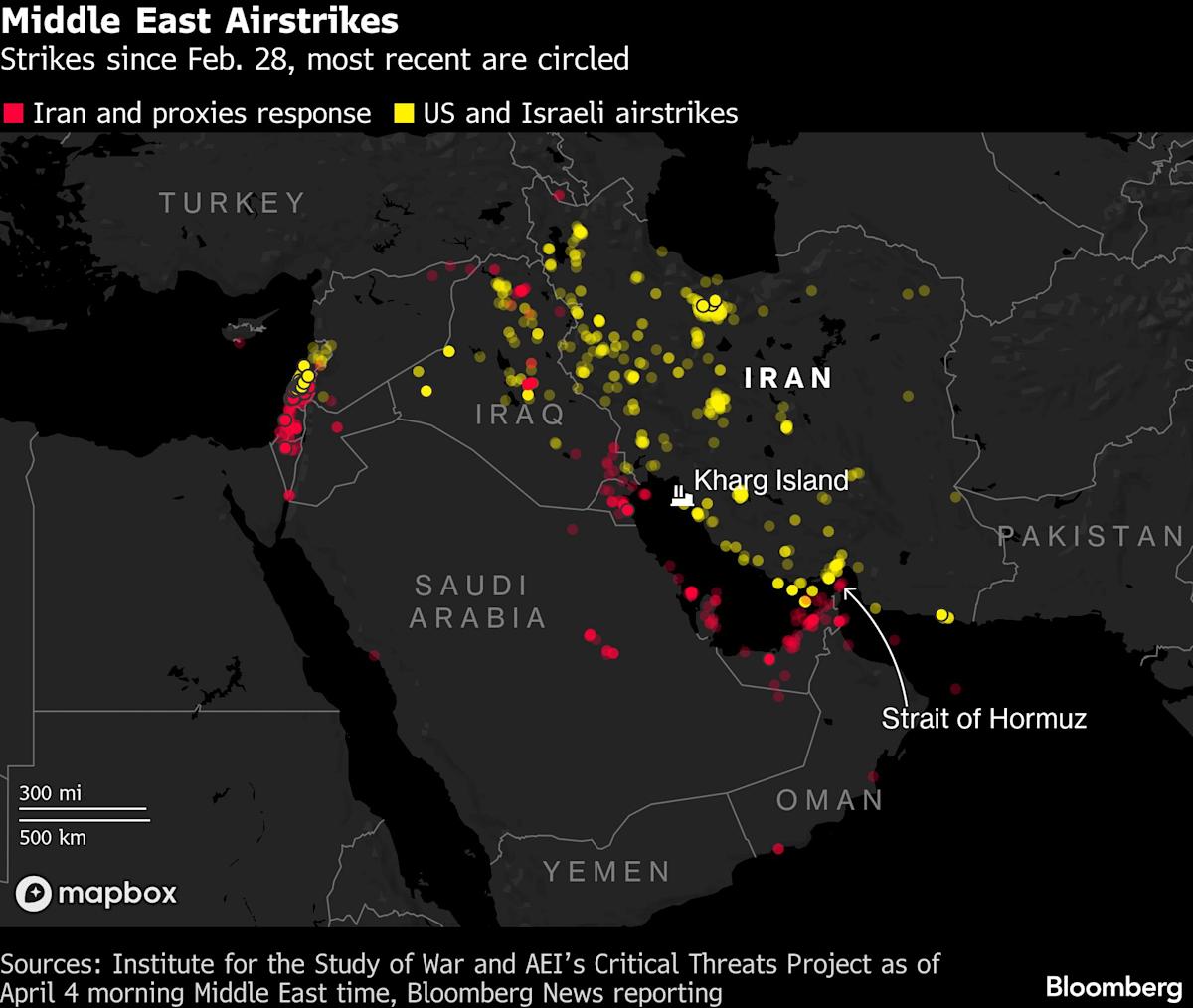
- Market Volatility: The closure of the Strait of Hormuz has led to a spike in market volatility and surging oil prices over the past month, with investors optimistic about President Trump's two-week ceasefire announcement potentially leading to a lasting resolution.
- Infrastructure Damage Risks: Should the Strait reopen, there could be long-term impacts on the energy market due to the destruction of infrastructure in the region, creating uncertainty for future energy supplies.
- Buffett's Investment Wisdom: Despite Berkshire Hathaway's stock decline since the war began, Buffett believes the market pullback is not deep enough to warrant concern, as it has not officially entered a correction phase, reflecting his confidence and patience in market cycles.
- Investment Strategy Advice: Buffett advises investors to build a diversified, recession-resistant portfolio while hoarding cash for attractive buying opportunities, noting that while individual stocks may be discounted, the overall market remains expensive by historical standards.
Trade with 70% Backtested Accuracy
Stop guessing "Should I Buy CVX?" and start using high-conviction signals backed by rigorous historical data.
Sign up today to access powerful investing tools and make smarter, data-driven decisions.
Analyst Views on CVX
Wall Street analysts forecast CVX stock price to fall
19 Analyst Rating
15 Buy
4 Hold
0 Sell
Strong Buy
Current: 198.860

Low
158.00
Averages
176.95
High
206.00
Current: 198.860
Low
158.00
Averages
176.95
High
206.00
About CVX
Chevron Corporation is an integrated energy company. The Company produces crude oil and natural gas; manufactures transportation fuels, lubricants, petrochemicals and additives; and develops technologies that enhance its business and industry. The Company’s segments include Upstream and Downstream. Upstream operations consist primarily of exploring for, developing, producing and transporting crude oil and natural gas; liquefaction, transportation and regasification associated with LNG; transporting crude oil by major international oil export pipelines; processing, transporting, storage and marketing of natural gas; carbon capture and storage; and a gas-to-liquids plant. Downstream operations consist primarily of the refining of crude oil into petroleum products; marketing crude oil, refined products, and lubricants; manufacturing and marketing of renewable fuels, and transporting of crude oil and refined products by pipeline, marine vessel, motor equipment and rail car.
About the author

Emily J. Thompson
Emily J. Thompson, a Chartered Financial Analyst (CFA) with 12 years in investment research, graduated with honors from the Wharton School. Specializing in industrial and technology stocks, she provides in-depth analysis for Intellectia’s earnings and market brief reports.

Iran Conflict Causes Market Volatility and Oil Price Surge


- Market Volatility: The closure of the Strait of Hormuz has led to a spike in market volatility and surging oil prices over the past month, with investors optimistic about President Trump's two-week ceasefire announcement potentially leading to a lasting resolution.
- Infrastructure Damage Risks: Should the Strait reopen, there could be long-term impacts on the energy market due to the destruction of infrastructure in the region, creating uncertainty for future energy supplies.
- Buffett's Investment Wisdom: Despite Berkshire Hathaway's stock decline since the war began, Buffett believes the market pullback is not deep enough to warrant concern, as it has not officially entered a correction phase, reflecting his confidence and patience in market cycles.
- Investment Strategy Advice: Buffett advises investors to build a diversified, recession-resistant portfolio while hoarding cash for attractive buying opportunities, noting that while individual stocks may be discounted, the overall market remains expensive by historical standards.
See More

Buffett Calls Recent Market Sell-Off 'Nothing'
- Market Volatility Insight: In a recent interview, Buffett remarked that the current market sell-off is 'nothing,' despite Berkshire's stock decline since the war began, noting that the S&P 500 hit a low of 6316.91 on March 30, down 9.8% from its January peak, indicating that the market has not officially entered a correction phase.
- Energy Investment Strategy: Berkshire's significant investments in oil stocks like Chevron and Occidental Petroleum, combined with its recession-resistant insurance business model, position the company favorably to navigate the current economic uncertainties and potential energy crises.
- Market Outlook: While Buffett acknowledges that the market remains expensive, he believes the current pullback does not present attractive buying opportunities; however, he points out that many individual stocks have declined by over 10% or 20%, which could offer investors discount buying opportunities.
- Investment Strategy Advice: Buffett advises investors to remain patient during market uncertainties by building a diversified, recession-proof portfolio and hoarding cash while waiting for attractive buying opportunities to prepare for potential deeper market sell-offs.
See More
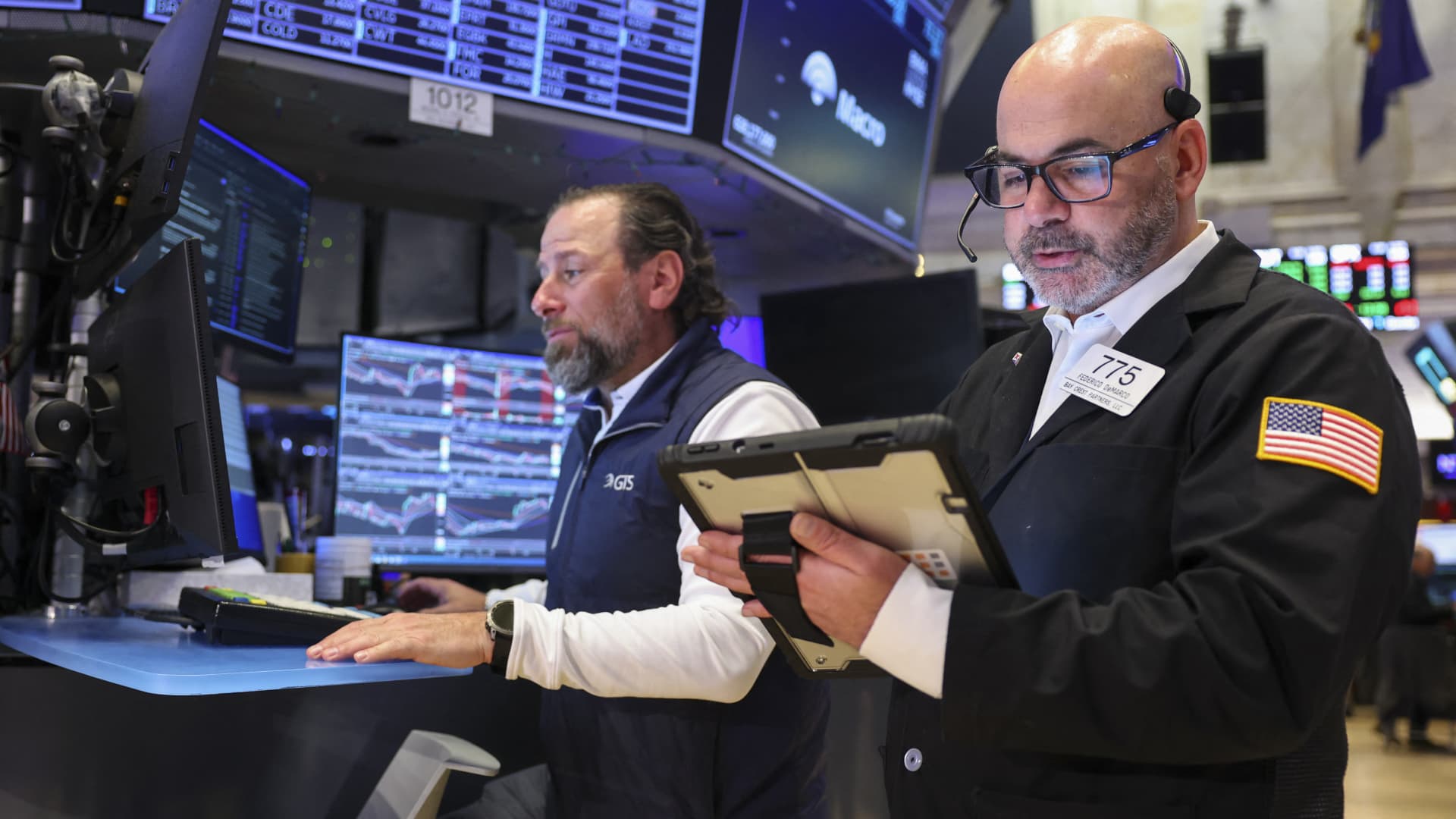
US-Iran Ceasefire Triggers Market Rally


- Market Rally: The two-week ceasefire agreement between the U.S. and Iran has sparked a relief rally across global risk assets, with Asian stocks surging, including a more than 5% rise in South Korea's KOSPI and a 4% increase in Japan's Nikkei 225.
- Gold and Treasury Demand: Despite the stock market gains, gold and U.S. Treasuries remain in demand, with spot gold rising 2.2% to $4,803.83 per ounce and 10-year Treasury yields falling 9 basis points to 4.253%.
- Oil Price Plunge: The ceasefire news has led to a significant drop in oil prices, with West Texas Intermediate (WTI) contracts falling over 14% to $96.98 per barrel and Brent crude dropping more than 12%.
- Cautious Optimism Among Investors: While the market rallies, investors are remaining cautious by holding defensive assets to hedge against potential market volatility, reflecting ongoing concerns about macroeconomic uncertainties.
See More

Middle East Tensions Rise as Iran Launches Missiles


- Escalating Missile Attacks: Despite a two-week ceasefire agreement between the U.S. and Iran, Iran launched missiles towards Israel and several Gulf states on April 8, indicating heightened tensions and the potential for further military conflict.
- Pressure on Defense Systems: Gulf states' air defense systems are under significant strain, with the UAE and Kuwait reportedly depleting about 75% of their Patriot missile interceptor stocks, while Bahrain's inventory may be as low as 87%, potentially compromising future defense capabilities.
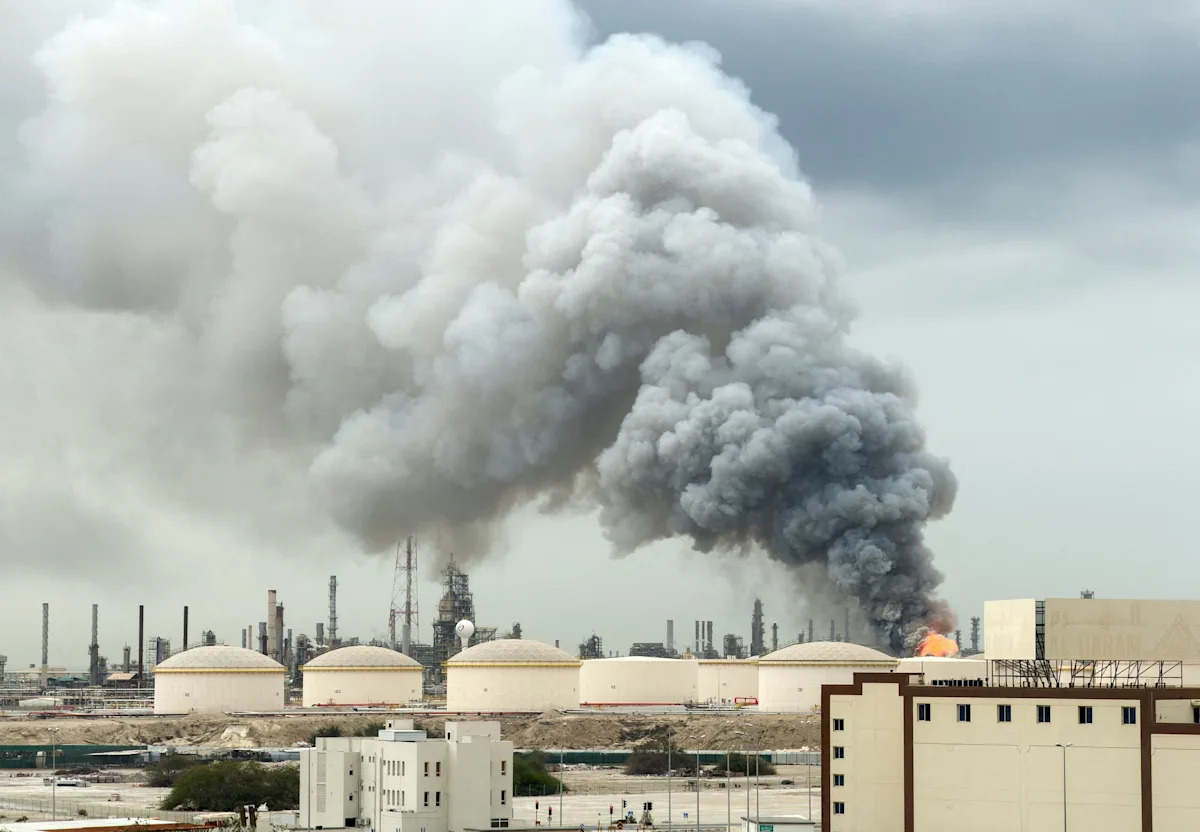
- Damage to Energy Infrastructure: Recent strikes have inflicted a 17% output loss at Qatar's Ras Laffan LNG plants, with recovery expected to take years, which not only impacts regional energy supplies but could also have ripple effects on global markets.
- Need for Long-term Security Solutions: UAE presidential adviser Anwar Gargash emphasized that the war must conclude with a long-term solution for Gulf security, warning that any ceasefire failing to achieve this could lead to a breakdown of trust and future conflicts.
See More
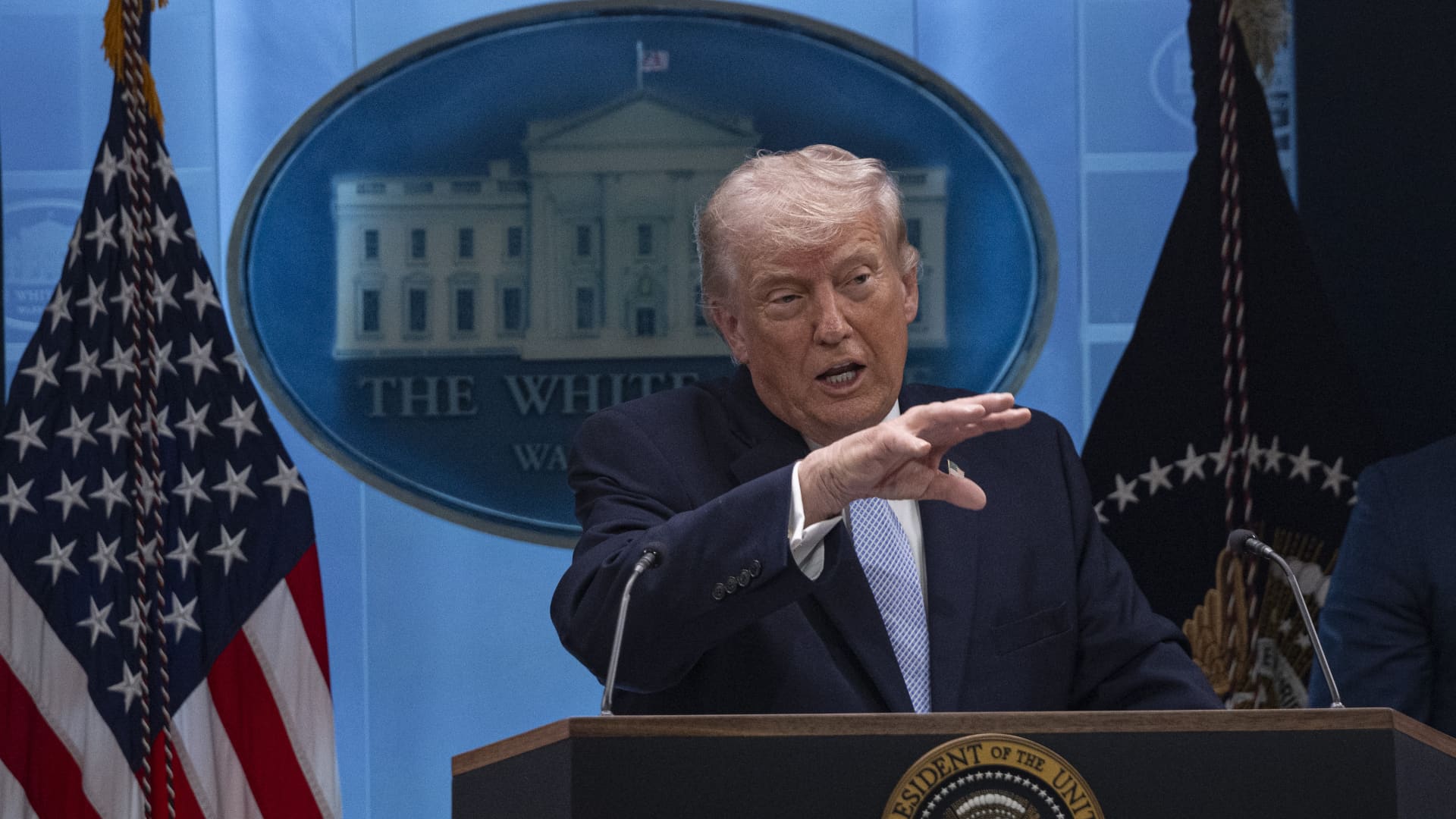
Trump Announces Iran Ceasefire, Markets Rally


- Market Reaction: Trump's announcement to suspend attacks on Iran led to a market rally, with oil prices plummeting over 14% to below $100 per barrel, alleviating global supply chain pressures caused by the conflict.
- Ceasefire Agreement: Iran agreed to abide by the ceasefire, allowing safe passage through the Strait of Hormuz, a crucial artery for global oil flows, indicating a de-escalation in regional tensions.
- Diplomatic Mediation: Pakistan played a mediating role in the conflict, facilitating a two-week ceasefire agreement, with Trump noting it was based on Iran's 10-point proposal, underscoring the importance of diplomatic efforts.
- Impact of Oil Price Volatility: The conflict has caused U.S. jet fuel prices to nearly double, prompting some airlines to consider cutting international flights, reflecting the market's sensitivity to oil price fluctuations.
See More

Trump Suspends Planned Attacks on Iran for Two Weeks
- Positive Market Reaction: Following Trump's announcement to suspend planned attacks on Iranian infrastructure, Asia-Pacific markets are expected to open higher, indicating investor optimism regarding reduced geopolitical risks.
- Crude Oil Prices Plunge: In response to the news, U.S. West Texas Intermediate crude oil prices fell over 16% to $94.23 per barrel, reflecting a market reassessment of supply disruption risks.
- Japanese Stock Market Anticipation: The Nikkei 225 index is poised for gains, with Chicago contracts at 56,040, significantly up from the previous close of 53,429.56, showcasing market confidence in future economic recovery.
- Strong U.S. Futures: Dow Jones Industrial Average futures rose by 718 points, or 1.5%, while S&P 500 and Nasdaq 100 futures increased by 1.6% and 1.7%, respectively, indicating a bullish sentiment among investors regarding market prospects.
See More
Iran Conflict Causes Market Volatility and Oil Price Surge
- Market Volatility: The closure of the Strait of Hormuz has led to a spike in market volatility and surging oil prices over the past month, with investors optimistic about President Trump's two-week ceasefire announcement potentially leading to a lasting resolution.
- Infrastructure Damage Risks: Should the Strait reopen, there could be long-term impacts on the energy market due to the destruction of infrastructure in the region, creating uncertainty for future energy supplies.
- Buffett's Investment Wisdom: Despite Berkshire Hathaway's stock decline since the war began, Buffett believes the market pullback is not deep enough to warrant concern, as it has not officially entered a correction phase, reflecting his confidence and patience in market cycles.
- Investment Strategy Advice: Buffett advises investors to build a diversified, recession-resistant portfolio while hoarding cash for attractive buying opportunities, noting that while individual stocks may be discounted, the overall market remains expensive by historical standards.
See More
Buffett Calls Recent Market Sell-Off 'Nothing'
- Market Volatility Insight: In a recent interview, Buffett remarked that the current market sell-off is 'nothing,' despite Berkshire's stock decline since the war began, noting that the S&P 500 hit a low of 6316.91 on March 30, down 9.8% from its January peak, indicating that the market has not officially entered a correction phase.
- Energy Investment Strategy: Berkshire's significant investments in oil stocks like Chevron and Occidental Petroleum, combined with its recession-resistant insurance business model, position the company favorably to navigate the current economic uncertainties and potential energy crises.
- Market Outlook: While Buffett acknowledges that the market remains expensive, he believes the current pullback does not present attractive buying opportunities; however, he points out that many individual stocks have declined by over 10% or 20%, which could offer investors discount buying opportunities.
- Investment Strategy Advice: Buffett advises investors to remain patient during market uncertainties by building a diversified, recession-proof portfolio and hoarding cash while waiting for attractive buying opportunities to prepare for potential deeper market sell-offs.
See More
US-Iran Ceasefire Triggers Market Rally
- Market Rally: The two-week ceasefire agreement between the U.S. and Iran has sparked a relief rally across global risk assets, with Asian stocks surging, including a more than 5% rise in South Korea's KOSPI and a 4% increase in Japan's Nikkei 225.
- Gold and Treasury Demand: Despite the stock market gains, gold and U.S. Treasuries remain in demand, with spot gold rising 2.2% to $4,803.83 per ounce and 10-year Treasury yields falling 9 basis points to 4.253%.
- Oil Price Plunge: The ceasefire news has led to a significant drop in oil prices, with West Texas Intermediate (WTI) contracts falling over 14% to $96.98 per barrel and Brent crude dropping more than 12%.
- Cautious Optimism Among Investors: While the market rallies, investors are remaining cautious by holding defensive assets to hedge against potential market volatility, reflecting ongoing concerns about macroeconomic uncertainties.
See More
Middle East Tensions Rise as Iran Launches Missiles
- Escalating Missile Attacks: Despite a two-week ceasefire agreement between the U.S. and Iran, Iran launched missiles towards Israel and several Gulf states on April 8, indicating heightened tensions and the potential for further military conflict.
- Pressure on Defense Systems: Gulf states' air defense systems are under significant strain, with the UAE and Kuwait reportedly depleting about 75% of their Patriot missile interceptor stocks, while Bahrain's inventory may be as low as 87%, potentially compromising future defense capabilities.
- Damage to Energy Infrastructure: Recent strikes have inflicted a 17% output loss at Qatar's Ras Laffan LNG plants, with recovery expected to take years, which not only impacts regional energy supplies but could also have ripple effects on global markets.
- Need for Long-term Security Solutions: UAE presidential adviser Anwar Gargash emphasized that the war must conclude with a long-term solution for Gulf security, warning that any ceasefire failing to achieve this could lead to a breakdown of trust and future conflicts.
See More
Trump Announces Iran Ceasefire, Markets Rally
- Market Reaction: Trump's announcement to suspend attacks on Iran led to a market rally, with oil prices plummeting over 14% to below $100 per barrel, alleviating global supply chain pressures caused by the conflict.
- Ceasefire Agreement: Iran agreed to abide by the ceasefire, allowing safe passage through the Strait of Hormuz, a crucial artery for global oil flows, indicating a de-escalation in regional tensions.
- Diplomatic Mediation: Pakistan played a mediating role in the conflict, facilitating a two-week ceasefire agreement, with Trump noting it was based on Iran's 10-point proposal, underscoring the importance of diplomatic efforts.
- Impact of Oil Price Volatility: The conflict has caused U.S. jet fuel prices to nearly double, prompting some airlines to consider cutting international flights, reflecting the market's sensitivity to oil price fluctuations.
See More
Trump Suspends Planned Attacks on Iran for Two Weeks
- Positive Market Reaction: Following Trump's announcement to suspend planned attacks on Iranian infrastructure, Asia-Pacific markets are expected to open higher, indicating investor optimism regarding reduced geopolitical risks.
- Crude Oil Prices Plunge: In response to the news, U.S. West Texas Intermediate crude oil prices fell over 16% to $94.23 per barrel, reflecting a market reassessment of supply disruption risks.
- Japanese Stock Market Anticipation: The Nikkei 225 index is poised for gains, with Chicago contracts at 56,040, significantly up from the previous close of 53,429.56, showcasing market confidence in future economic recovery.
- Strong U.S. Futures: Dow Jones Industrial Average futures rose by 718 points, or 1.5%, while S&P 500 and Nasdaq 100 futures increased by 1.6% and 1.7%, respectively, indicating a bullish sentiment among investors regarding market prospects.
See More