Shell Updates Q1 2026 Outlook Amid Middle East Uncertainty
Written by Emily J. Thompson, Senior Investment Analyst
Updated: 1 hour ago
0mins
Should l Buy SHEL?
Source: Newsfilter
- Production Outlook Adjustment: Shell anticipates a decline in integrated gas production to 880-920 kboe/d for Q1 2026, down from 948 kboe/d in Q4 2025, primarily due to the impact of the Middle East conflict on Qatari volumes, which may lead to a decrease in overall revenue.
- LNG Production Changes: LNG production is expected to drop from 7.8 million tonnes in Q4 2025 to a range of 7.6-8.0 million tonnes, as the ramp-up of LNG Canada is offset by weather constraints in Australia and outages in Qatar, potentially affecting supply commitments.
- Upstream Production Forecast: Shell's upstream production is projected to decrease to 1,760-1,860 kboe/d in Q1 2026, reflecting reduced output following the incorporation of the Adura joint venture, which could impact the company's market share and profitability.
- Financial Metrics Outlook: The adjusted earnings for Shell are expected to range between $0.2-0.7 billion in Q1 2026, indicating resilience in the company's financial performance despite the adverse effects of market volatility on overall results.
Trade with 70% Backtested Accuracy
Stop guessing "Should I Buy SHEL?" and start using high-conviction signals backed by rigorous historical data.
Sign up today to access powerful investing tools and make smarter, data-driven decisions.
Analyst Views on SHEL
Wall Street analysts forecast SHEL stock price to fall
10 Analyst Rating
5 Buy
5 Hold
0 Sell
Moderate Buy
Current: 93.640

Low
41.75
Averages
74.27
High
91.00
Current: 93.640
Low
41.75
Averages
74.27
High
91.00
About SHEL
Shell plc is an international energy company engaged in the principal aspects of the energy and petrochemical industries. The Company's segments include Integrated Gas, Upstream, Marketing, Chemicals and Products, Renewables and Energy Solutions, and Corporate. The Integrated Gas segment includes liquefied natural gas (LNG), conversion of natural gas into gas-to-liquids (GTL) fuels and other products. It includes natural gas and liquids exploration and extraction, and the operation of the upstream and midstream infrastructure. The Upstream segment includes exploration and extraction of crude oil, natural gas and natural gas liquids. It also markets and transports oil and gas and operates the infrastructure necessary to deliver them to the market. The Marketing segment comprises the Mobility, Lubricants, and Sectors & Decarbonization businesses. The Chemicals and Products segment includes chemicals manufacturing plants with their own marketing network, and refineries.
About the author

Emily J. Thompson
Emily J. Thompson, a Chartered Financial Analyst (CFA) with 12 years in investment research, graduated with honors from the Wharton School. Specializing in industrial and technology stocks, she provides in-depth analysis for Intellectia’s earnings and market brief reports.
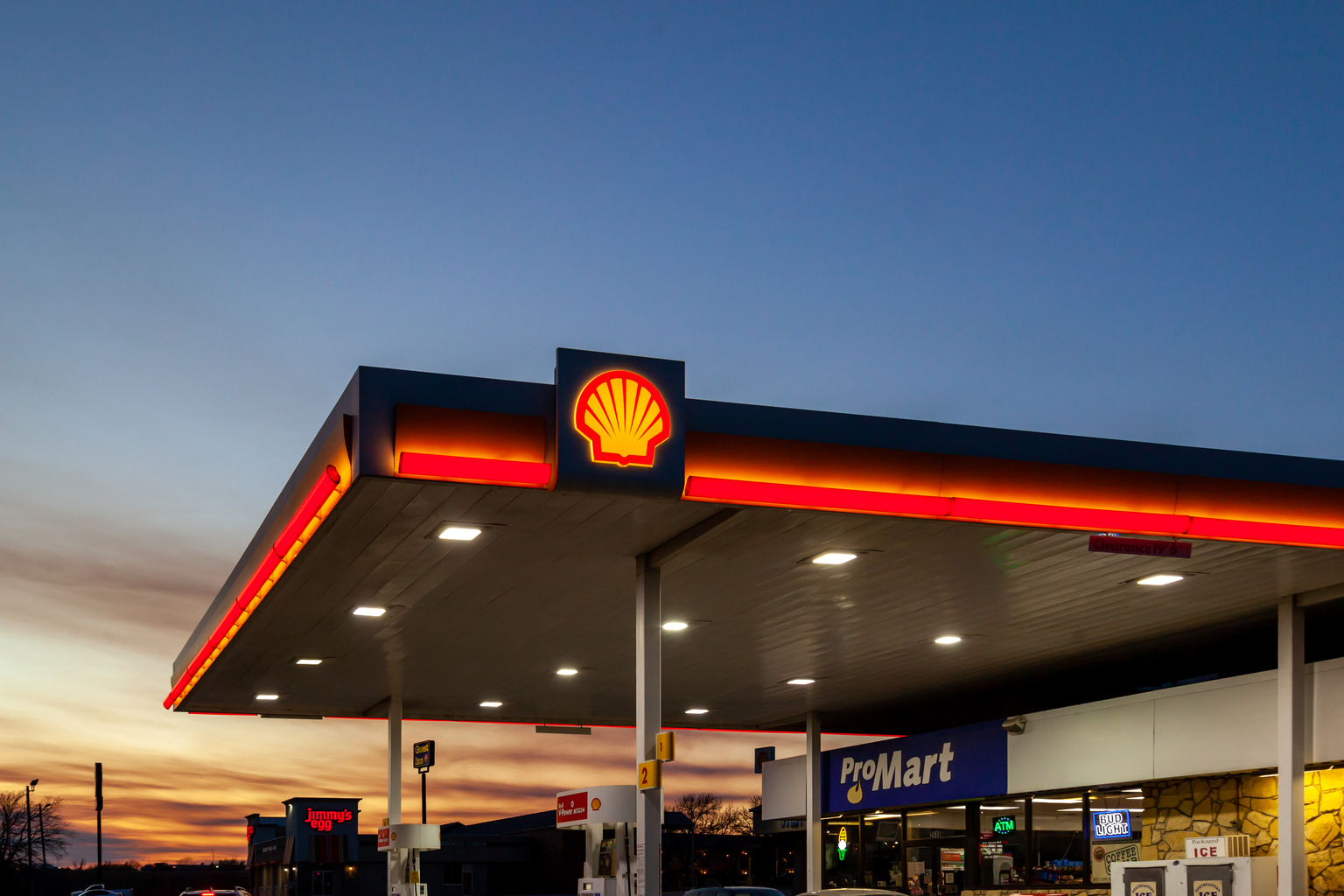
Shell's Q1 Results Boosted by Oil Trading Amid Middle East Challenges
- Strong Oil Trading: Shell (SHEL) reported a significant boost in its first-quarter trading results, with expectations that its chemicals and products business will see results “significantly higher” than the previous quarter, indicating the company's ability to capitalize on oil market volatility and enhance its competitive position.
- Gas Production Outlook Downgrade: Despite strong oil performance, Shell has lowered its integrated gas production outlook to approximately 880,000 to 920,000 barrels of oil equivalent per day, reflecting the impact of the Middle East conflict on Qatari volumes, highlighting the potential threats posed by geopolitical risks to its operations.
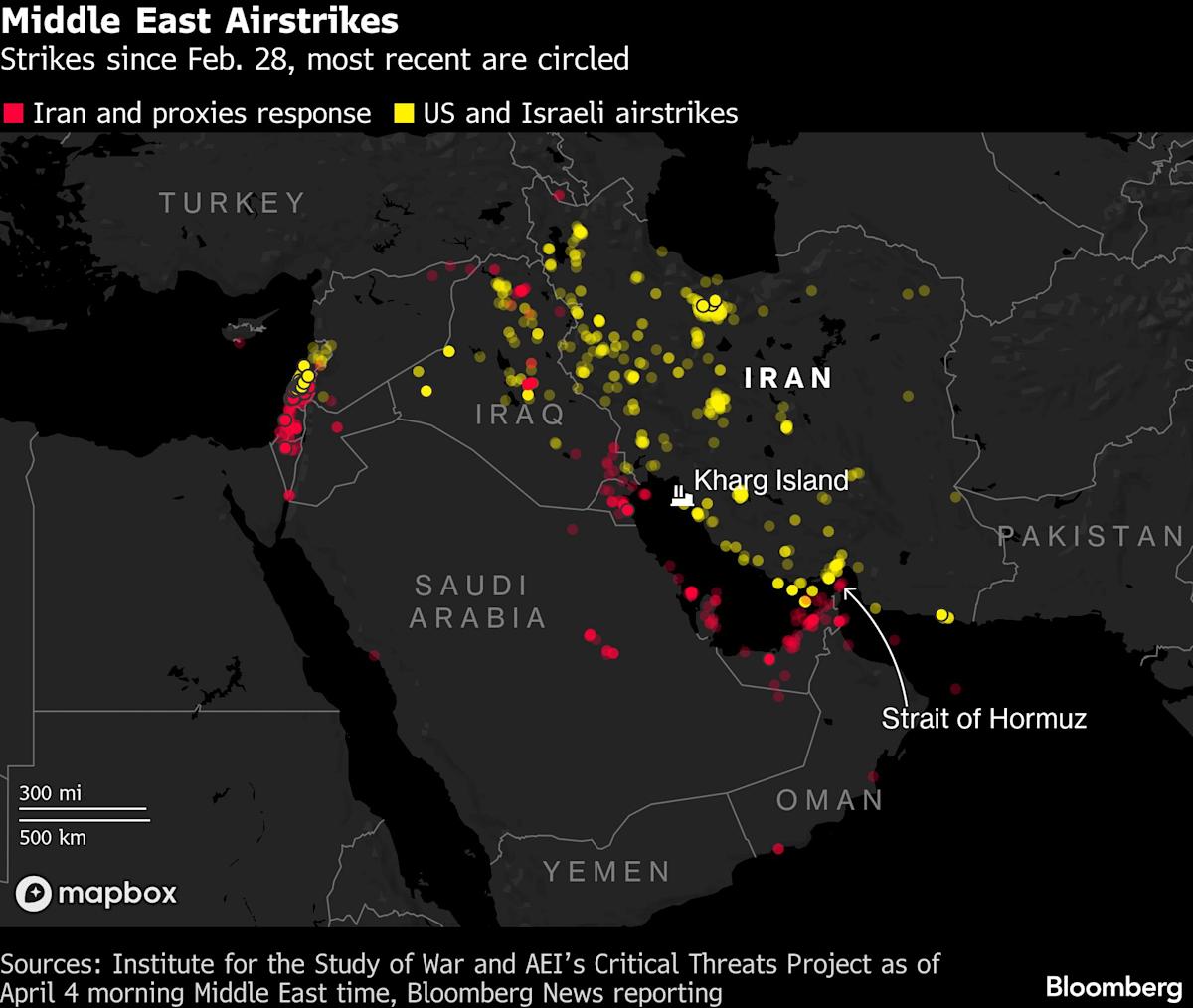
- Brent Crude Price Surge: Brent crude prices have surged to nearly $120 per barrel due to U.S.-Israel strikes on Iran disrupting the Strait of Hormuz, setting the stage for Big Oil to reap multibillion-dollar windfalls, which could further enhance Shell's profitability in the near term.
- Market Uncertainty: While Shell excels in the oil market, its overall growth faces challenges, with analysts downgrading its short-term trade rating, reflecting concerns over the uncertainty and volatility in the energy sector moving forward.
See More

Shell Updates Q1 2026 Outlook Amid Middle East Uncertainty
- Production Outlook Adjustment: Shell anticipates a decline in integrated gas production to 880-920 kboe/d for Q1 2026, down from 948 kboe/d in Q4 2025, primarily due to the impact of the Middle East conflict on Qatari volumes, which may lead to a decrease in overall revenue.
- LNG Production Changes: LNG production is expected to drop from 7.8 million tonnes in Q4 2025 to a range of 7.6-8.0 million tonnes, as the ramp-up of LNG Canada is offset by weather constraints in Australia and outages in Qatar, potentially affecting supply commitments.
- Upstream Production Forecast: Shell's upstream production is projected to decrease to 1,760-1,860 kboe/d in Q1 2026, reflecting reduced output following the incorporation of the Adura joint venture, which could impact the company's market share and profitability.
- Financial Metrics Outlook: The adjusted earnings for Shell are expected to range between $0.2-0.7 billion in Q1 2026, indicating resilience in the company's financial performance despite the adverse effects of market volatility on overall results.
See More

SHELL MANUFACTURING CENTRE IN CORUNNA EXPERIENCES INCREASED FLARING AND NOISE FROM PROCESS DISRUPTION
Manufacturing Center Report: The Shell Manufacturing Centre in Corunna has reported elevated flaring levels.
Cause of Noise: The increased noise levels are attributed to process interruptions at the facility.
See More
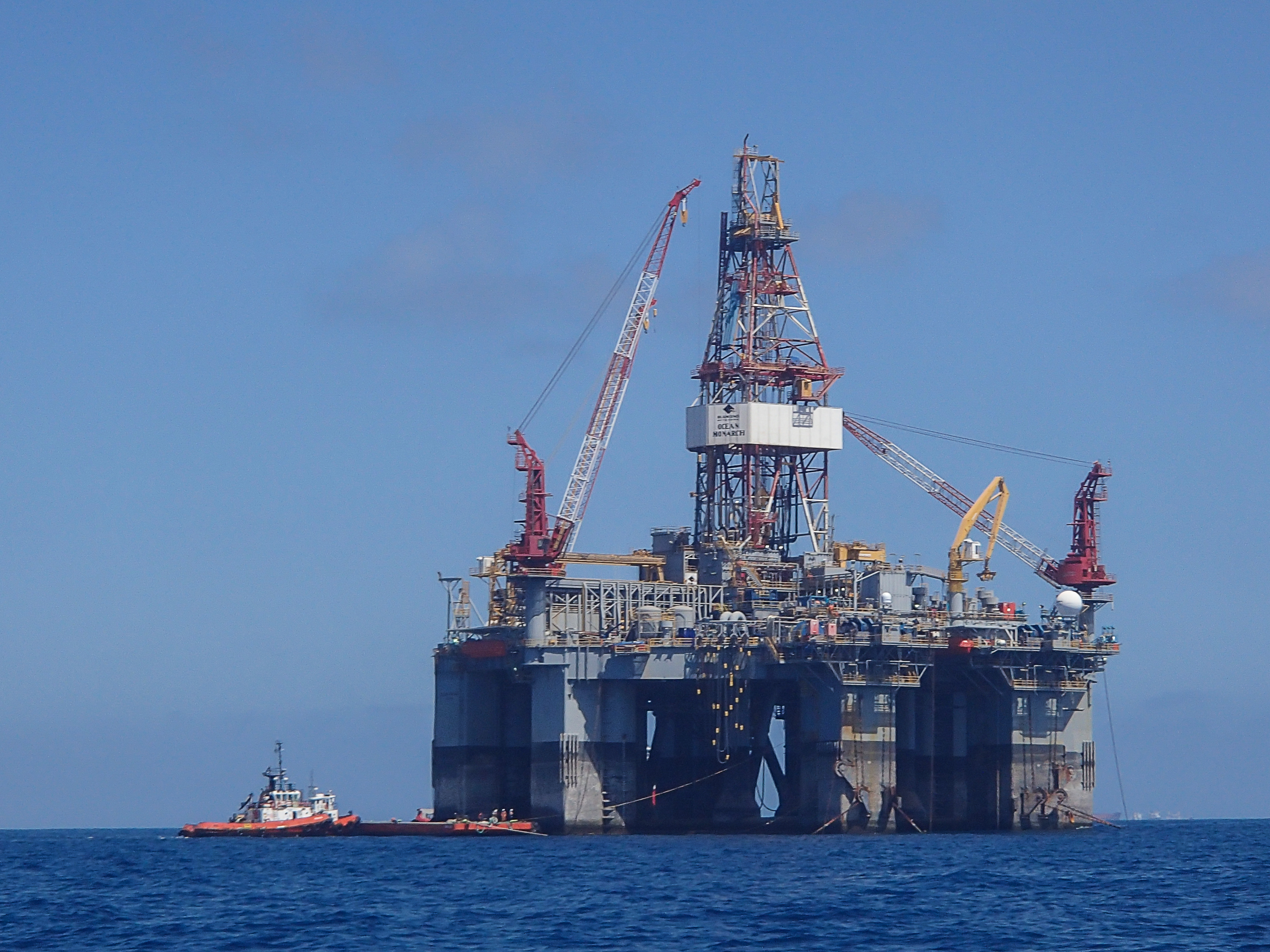
Shell and TotalEnergies Eye Majority Stake in U.S. Gulf Oil Field
- Rising Market Interest: European energy giants Shell (SHEL) and TotalEnergies (TTE) are showing significant interest in potential investments in the U.S. Gulf due to the impact of the Middle East war, reflecting a strong focus on North American energy prospects.
- Acquisition Opportunity: Beacon Offshore Energy and HEQ Deepwater have recently launched a sale process for a 51% stake in the Shenandoah field, attracting interest from multiple companies including BP (BP) and Spain's Repsol (REPYF), which could drive competitive bidding for the deal.
- Valuation Uncertainty: The final valuation of the deal will depend on multiple factors, including the percentage of Shenandoah sold and fluctuations in oil prices, necessitating market participants to closely monitor these dynamics to assess investment risks.
- Deepwater Field Potential: Shenandoah is regarded as one of the most promising ultra-deepwater fields in the U.S. Gulf region, with industry experts highlighting its broad development prospects that could yield substantial returns for investors.
See More

Deepening Strategic Divide Between Washington and European Allies Over Strait of Hormuz
- Limitations of Military Solutions: President Trump has called for a multinational military effort to break Iran's blockade of the Strait of Hormuz, but European allies view a purely military solution as unrealistic due to high risks that could lead to further losses in commercial shipping.
- Asymmetric Threat from Iran: While U.S. and Israeli airstrikes have degraded Iran's conventional navy, the country's Integrated Coastal Defense remains a significant threat, relying on anti-ship missiles, suicide drones, and swarm tactics that can launch surprise attacks with little warning.
- Diplomacy Over Military Action: Maritime security experts agree that the first step to restoring global trade flows should be a United Nations resolution rather than military action, emphasizing the need for a complex communication network to monitor potential threats.
- Economic Hurdles and Iran's Compensation Demands: Iran's demand for reparations may lead to continued control over fuel, chemicals, and fertilizer supplies until compensation for war damages is received, posing a significant economic barrier to stabilizing global energy markets.
See More
Shell in Advanced Talks with Venezuela for Gas Development
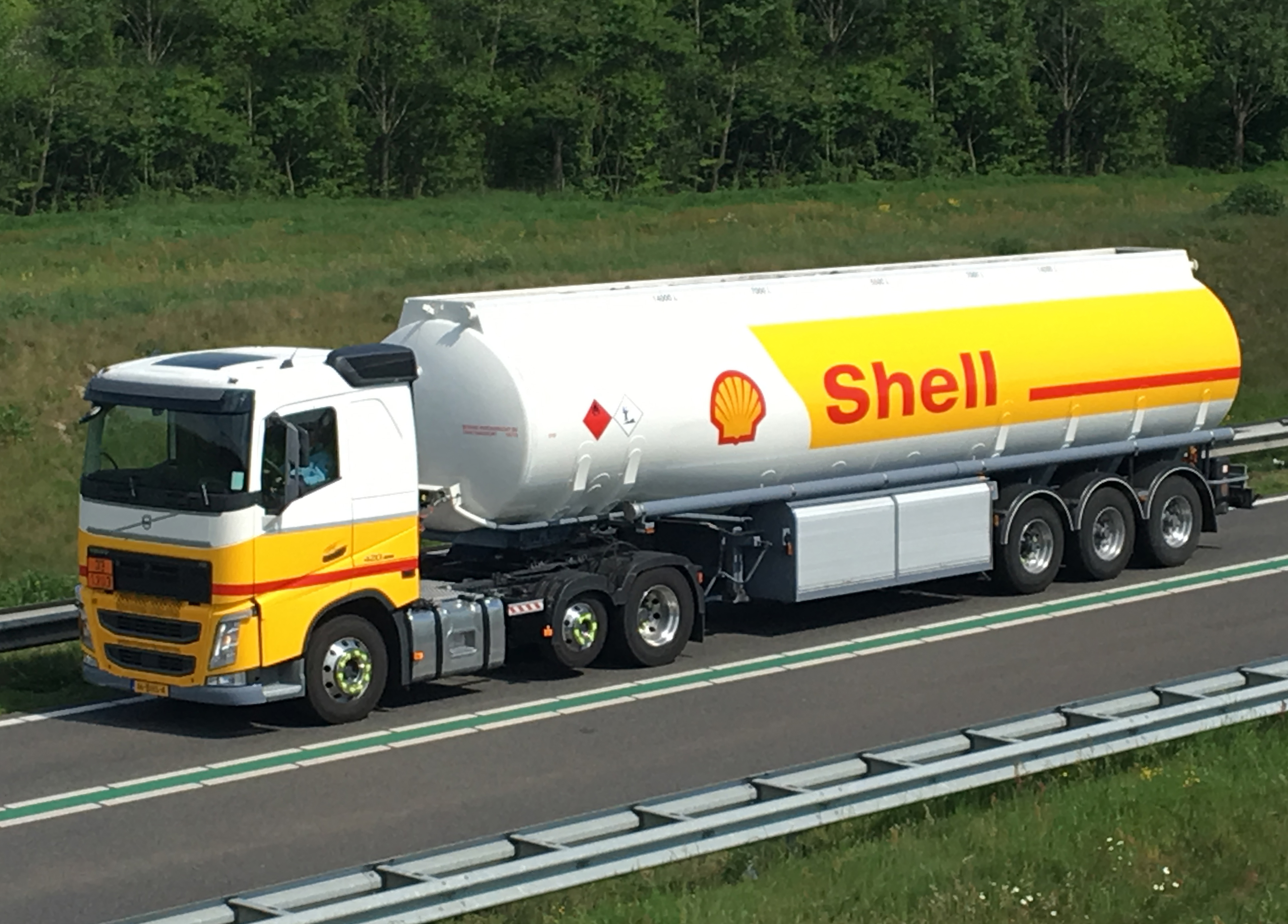
- Project Advancement: Shell is in advanced discussions with the Venezuelan government to develop four large gas blocks near Trinidad and Tobago, with a final investment decision expected by year-end, indicating the company's commitment to the Venezuelan gas market.
- Resource Integration: The company aims to access three fields associated with the 4.2 Tcf Dragon gas field and the 7.3 Tcf Loran offshore area, totaling approximately 20 Tcf of reserves, thereby enhancing its resource integration capabilities in the Latin American market.
- LNG Export Plans: Shell plans to transport Venezuelan gas to Trinidad for liquefaction, supporting its 45%-owned Atlantic LNG project, which aims to increase the facility's capacity to meet export demands.
- Policy Collaboration: Last month, Shell signed preliminary agreements with the new government to advance the Dragon project and potentially develop the Carito and Pirital onshore oil and gas fields, demonstrating the company's strategic adaptability under the new regime.
See More
Shell's Q1 Results Boosted by Oil Trading Amid Middle East Challenges
- Strong Oil Trading: Shell (SHEL) reported a significant boost in its first-quarter trading results, with expectations that its chemicals and products business will see results “significantly higher” than the previous quarter, indicating the company's ability to capitalize on oil market volatility and enhance its competitive position.
- Gas Production Outlook Downgrade: Despite strong oil performance, Shell has lowered its integrated gas production outlook to approximately 880,000 to 920,000 barrels of oil equivalent per day, reflecting the impact of the Middle East conflict on Qatari volumes, highlighting the potential threats posed by geopolitical risks to its operations.
- Brent Crude Price Surge: Brent crude prices have surged to nearly $120 per barrel due to U.S.-Israel strikes on Iran disrupting the Strait of Hormuz, setting the stage for Big Oil to reap multibillion-dollar windfalls, which could further enhance Shell's profitability in the near term.
- Market Uncertainty: While Shell excels in the oil market, its overall growth faces challenges, with analysts downgrading its short-term trade rating, reflecting concerns over the uncertainty and volatility in the energy sector moving forward.
See More
Shell Updates Q1 2026 Outlook Amid Middle East Uncertainty
- Production Outlook Adjustment: Shell anticipates a decline in integrated gas production to 880-920 kboe/d for Q1 2026, down from 948 kboe/d in Q4 2025, primarily due to the impact of the Middle East conflict on Qatari volumes, which may lead to a decrease in overall revenue.
- LNG Production Changes: LNG production is expected to drop from 7.8 million tonnes in Q4 2025 to a range of 7.6-8.0 million tonnes, as the ramp-up of LNG Canada is offset by weather constraints in Australia and outages in Qatar, potentially affecting supply commitments.
- Upstream Production Forecast: Shell's upstream production is projected to decrease to 1,760-1,860 kboe/d in Q1 2026, reflecting reduced output following the incorporation of the Adura joint venture, which could impact the company's market share and profitability.
- Financial Metrics Outlook: The adjusted earnings for Shell are expected to range between $0.2-0.7 billion in Q1 2026, indicating resilience in the company's financial performance despite the adverse effects of market volatility on overall results.
See More
SHELL MANUFACTURING CENTRE IN CORUNNA EXPERIENCES INCREASED FLARING AND NOISE FROM PROCESS DISRUPTION
Manufacturing Center Report: The Shell Manufacturing Centre in Corunna has reported elevated flaring levels.
Cause of Noise: The increased noise levels are attributed to process interruptions at the facility.
See More
Shell and TotalEnergies Eye Majority Stake in U.S. Gulf Oil Field
- Rising Market Interest: European energy giants Shell (SHEL) and TotalEnergies (TTE) are showing significant interest in potential investments in the U.S. Gulf due to the impact of the Middle East war, reflecting a strong focus on North American energy prospects.
- Acquisition Opportunity: Beacon Offshore Energy and HEQ Deepwater have recently launched a sale process for a 51% stake in the Shenandoah field, attracting interest from multiple companies including BP (BP) and Spain's Repsol (REPYF), which could drive competitive bidding for the deal.
- Valuation Uncertainty: The final valuation of the deal will depend on multiple factors, including the percentage of Shenandoah sold and fluctuations in oil prices, necessitating market participants to closely monitor these dynamics to assess investment risks.
- Deepwater Field Potential: Shenandoah is regarded as one of the most promising ultra-deepwater fields in the U.S. Gulf region, with industry experts highlighting its broad development prospects that could yield substantial returns for investors.
See More
Deepening Strategic Divide Between Washington and European Allies Over Strait of Hormuz
- Limitations of Military Solutions: President Trump has called for a multinational military effort to break Iran's blockade of the Strait of Hormuz, but European allies view a purely military solution as unrealistic due to high risks that could lead to further losses in commercial shipping.
- Asymmetric Threat from Iran: While U.S. and Israeli airstrikes have degraded Iran's conventional navy, the country's Integrated Coastal Defense remains a significant threat, relying on anti-ship missiles, suicide drones, and swarm tactics that can launch surprise attacks with little warning.
- Diplomacy Over Military Action: Maritime security experts agree that the first step to restoring global trade flows should be a United Nations resolution rather than military action, emphasizing the need for a complex communication network to monitor potential threats.
- Economic Hurdles and Iran's Compensation Demands: Iran's demand for reparations may lead to continued control over fuel, chemicals, and fertilizer supplies until compensation for war damages is received, posing a significant economic barrier to stabilizing global energy markets.
See More
Shell in Advanced Talks with Venezuela for Gas Development
- Project Advancement: Shell is in advanced discussions with the Venezuelan government to develop four large gas blocks near Trinidad and Tobago, with a final investment decision expected by year-end, indicating the company's commitment to the Venezuelan gas market.
- Resource Integration: The company aims to access three fields associated with the 4.2 Tcf Dragon gas field and the 7.3 Tcf Loran offshore area, totaling approximately 20 Tcf of reserves, thereby enhancing its resource integration capabilities in the Latin American market.
- LNG Export Plans: Shell plans to transport Venezuelan gas to Trinidad for liquefaction, supporting its 45%-owned Atlantic LNG project, which aims to increase the facility's capacity to meet export demands.
- Policy Collaboration: Last month, Shell signed preliminary agreements with the new government to advance the Dragon project and potentially develop the Carito and Pirital onshore oil and gas fields, demonstrating the company's strategic adaptability under the new regime.
See More