Investors Should Consider Four-Way Portfolio Strategy
Written by Emily J. Thompson, Senior Investment Analyst
Updated: Apr 24 2026
0mins
Should l Buy BAC?
Source: CNBC
- Four-Way Portfolio: According to Bank of America, investors in 2026 have achieved better diversification and stronger returns by evenly splitting their investments among stocks, bonds, cash, and commodities, marking the best performance since 1933 and showcasing resilience amid market volatility.
- Strong Market Performance: The S&P 500 has risen over 4% this year, while U.S. crude oil prices have soared more than 60%, with robust returns in the commodities market further driving investor interest in natural resources despite the ongoing Iran conflict.
- Shift in Investment Themes: Bank of America’s chief investment strategist, Michael Hartnett, suggests that investors focus on “C” assets, including curve steepeners in the bond market, consumer cyclical stocks, and chip stocks, which are expected to benefit from narratives of economic recovery and geopolitical shifts.
- Sentiment Not Overheated: Despite the influx of money into the stock market, Hartnett notes that futures traders are increasing hedges against potential equity weakness, indicating that market sentiment is not overheated and investors should remain cautious.
Trade with 70% Backtested Accuracy
Stop guessing "Should I Buy BAC?" and start using high-conviction signals backed by rigorous historical data.
Sign up today to access powerful investing tools and make smarter, data-driven decisions.
Analyst Views on BAC
Wall Street analysts forecast BAC stock price to rise
19 Analyst Rating
15 Buy
4 Hold
0 Sell
Strong Buy
Current: 53.460

Low
55.00
Averages
61.64
High
71.00
Current: 53.460
Low
55.00
Averages
61.64
High
71.00
About BAC
Bank of America Corporation is a bank holding company and a financial holding company. Its segments include Consumer Banking, Global Wealth & Investment Management (GWIM), Global Banking and Global Markets. Consumer Banking segment offers a range of credit, banking and investment products and services to consumers and small businesses. The GWIM includes two businesses: Merrill Wealth Management, which provides tailored solutions to meet clients' needs through a full set of investment management, brokerage, banking and retirement products and Bank of America Private Bank, which provides comprehensive wealth management solutions. Global Banking segment provides a range of lending-related products and services, integrated working capital management and treasury solutions, and underwriting and advisory services. Global Markets segment offers sales and trading services and research services to institutional clients across fixed-income, credit, currency, commodity, and equity businesses.
About the author

Emily J. Thompson
Emily J. Thompson, a Chartered Financial Analyst (CFA) with 12 years in investment research, graduated with honors from the Wharton School. Specializing in industrial and technology stocks, she provides in-depth analysis for Intellectia’s earnings and market brief reports.

Polaris Surpasses Q1 Earnings Expectations with Strategic Military Partnership


- Earnings Beat: Polaris reported a Q1 profit of $0.13 per share, significantly exceeding Wall Street's expectation of a $0.40 loss, with sales growing 8% year-over-year to $1.7 billion and gross margin expanding by 420 basis points to 20.2%, indicating strong market performance.
- Analyst Reactions: Despite six analysts raising Polaris's price targets between $60 and $74, most maintained neutral or hold ratings, reflecting cautious sentiment regarding the company's future growth potential.
- Sales Growth Outlook: Polaris projects flat sales of approximately $7.2 billion in 2026, the same as in 2025, highlighting challenges in achieving sales growth and the need for new strategies to enhance market confidence.
- Military Collaboration Opportunity: Polaris is partnering with Forterra to develop the Mesa autonomous ground vehicle for the U.S. Army, and if successful, this initiative could directly boost Polaris's sales and potentially restore profitability.
See More
The Progressive Corporation Rated as Low-Risk Investment

- Price Target Increase: BofA Securities raised The Progressive Corporation's price target from $298 to $312 while maintaining a Buy rating, indicating confidence in the company's future performance despite Q1 earnings of $1.55 per share falling short of the $1.62 forecast.
- Expense Ratio Improvement: Progressive's expense ratio decreased to 20.0% in March from 20.6%-20.9% in previous months, reflecting progress in cost control, potentially due to reduced advertising expenditures or a more stable workforce.
- Earnings Forecast Adjustment: Based on March data, BofA lowered its full-year forecast for Progressive for fiscal 2026, but increased its out-year projections by 10 cents due to slightly higher stock buyback estimates, reflecting a reassessment of the company's long-term value.
- Enhanced Market Adaptability: Although the loss ratio exceeded expectations, Progressive's net prior-period development was greater than predicted, demonstrating the company's enhanced adaptability to market changes, which may lay the groundwork for future growth.
See More

Berkshire Hathaway Reports 61% of Total Fair Value of Equity Investments Concentrated in American Express, Apple, Bank of America, Chevron, and Coca-Cola as of March 31

Investment Concentration: Berkshire Hathaway's equity investments are heavily concentrated, with 61% of their aggregate fair value in just a few companies.
Key Holdings: The major companies in which Berkshire Hathaway has invested include American Express, Apple, Bank of America, Chevron, and Coca-Cola as of March 31.
See More

Pentair Q1 2026 Earnings Beat Expectations Amid Analyst Downgrades

- Strong Earnings Report: Pentair reported Q1 2026 revenue of $1.04 billion and adjusted EPS of $1.22, surpassing analyst expectations of $1.03 billion and $1.17, indicating robust performance in the water solutions sector.
- Stock Price Decline: Despite the strong earnings, Pentair's stock has fallen 12% since last Friday's close, reflecting market concerns over analysts' downward revisions of price targets, with Barclays, TD Cowen, and Bank of America all lowering their targets.
- Analyst Sentiment Shift: Barclays cut its price target from $95 to $92, TD Cowen from $90 to $75, and Bank of America from $88 to $80, contributing to increased selling pressure among investors.
- Management's Optimistic Outlook: Despite the bearish analyst sentiment, management forecasts 2026 EPS from continuing operations to be between $4.83 and $4.93, representing a year-over-year increase of 23% to 25%, indicating confidence in the company's growth potential.
See More
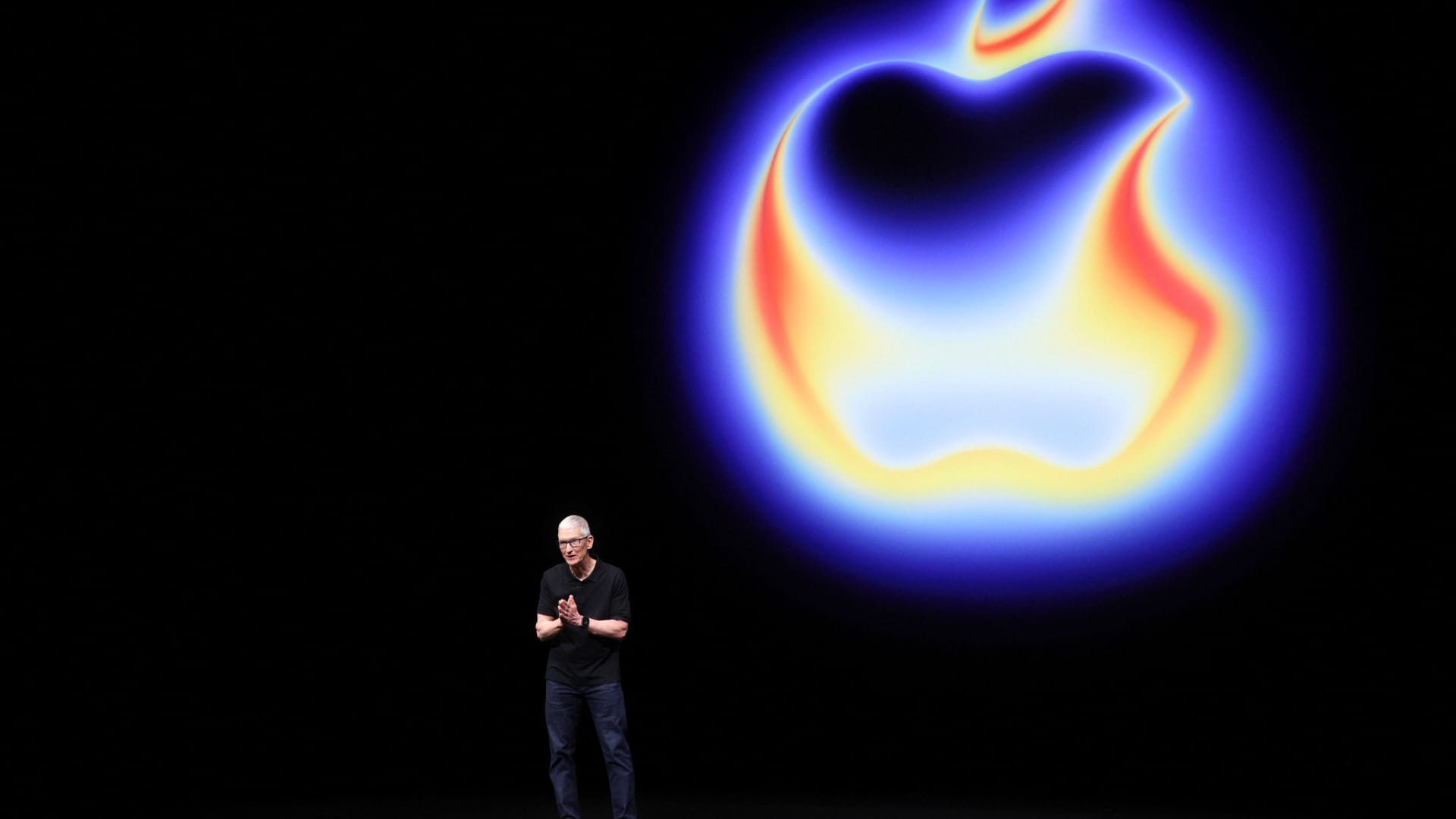
Apple's Strong Earnings Propel Stock Market Higher


- Apple's Earnings Surprise: Apple reported a projected revenue increase of 14% to 17% for the June quarter, significantly exceeding the Street's expectation of 9%, which solidifies its leadership position in the tech industry.
- Record Services Revenue: The company's services revenue reached an all-time high of $30.97 billion, up 16% year-over-year, indicating strong growth potential in its digital services segment and expected to drive future revenue growth.
- Positive Market Reaction: Apple's stock rose by 3.5%, with Wells Fargo raising its price target from $300 to $310, reflecting market optimism regarding its future performance.
- Memory Price Concerns: Despite Sandisk's earnings beating expectations, its shares fell 5%, highlighting market concerns over rising memory chip prices, which could impact overall industry profitability.
See More
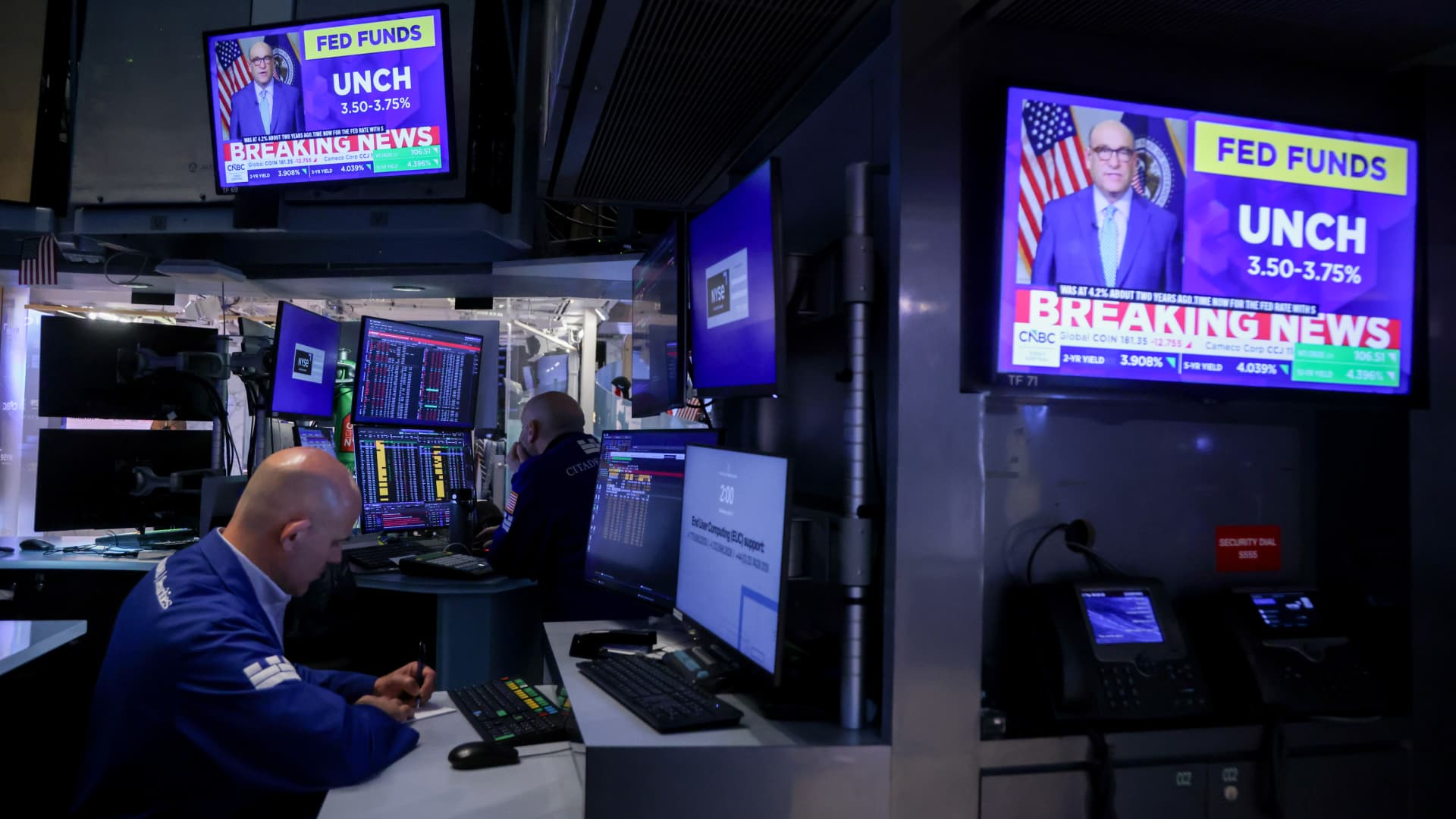
U.S. Treasury Yield Approaches 5% Warning Signal
- Bond Market Warning: The U.S. 30-year Treasury bond yield briefly surpassed 5% on Thursday, settling at 4.979% on Friday, a level referred to as the 'Maginot Line' by Bank of America strategists, indicating potential risks for long-term bonds.
- Inflation Concerns Rise: With West Texas Intermediate crude futures climbing to $103 per barrel, gasoline prices surged from $4.03 to $4.30 over the past week, renewing fears of an inflation shock that could drive interest rates higher.
- Strong Stock Market Performance: Despite the troubling signals from the bond market, the S&P 500 rose over 10% in April, while the Nasdaq Composite surged 15%, reflecting investor optimism driven by a resurgence in AI trade and robust corporate profits.
- Policy Impact Expectations: The U.S. Treasury Secretary indicated consideration of providing currency swap lines to Middle Eastern and Asian nations affected by the war, which could influence the 3.8 trillion dollars of U.S. Treasuries held by these countries, potentially mitigating the rise in bond yields.
See More
Polaris Surpasses Q1 Earnings Expectations with Strategic Military Partnership
- Earnings Beat: Polaris reported a Q1 profit of $0.13 per share, significantly exceeding Wall Street's expectation of a $0.40 loss, with sales growing 8% year-over-year to $1.7 billion and gross margin expanding by 420 basis points to 20.2%, indicating strong market performance.
- Analyst Reactions: Despite six analysts raising Polaris's price targets between $60 and $74, most maintained neutral or hold ratings, reflecting cautious sentiment regarding the company's future growth potential.
- Sales Growth Outlook: Polaris projects flat sales of approximately $7.2 billion in 2026, the same as in 2025, highlighting challenges in achieving sales growth and the need for new strategies to enhance market confidence.
- Military Collaboration Opportunity: Polaris is partnering with Forterra to develop the Mesa autonomous ground vehicle for the U.S. Army, and if successful, this initiative could directly boost Polaris's sales and potentially restore profitability.
See More
The Progressive Corporation Rated as Low-Risk Investment
- Price Target Increase: BofA Securities raised The Progressive Corporation's price target from $298 to $312 while maintaining a Buy rating, indicating confidence in the company's future performance despite Q1 earnings of $1.55 per share falling short of the $1.62 forecast.
- Expense Ratio Improvement: Progressive's expense ratio decreased to 20.0% in March from 20.6%-20.9% in previous months, reflecting progress in cost control, potentially due to reduced advertising expenditures or a more stable workforce.
- Earnings Forecast Adjustment: Based on March data, BofA lowered its full-year forecast for Progressive for fiscal 2026, but increased its out-year projections by 10 cents due to slightly higher stock buyback estimates, reflecting a reassessment of the company's long-term value.
- Enhanced Market Adaptability: Although the loss ratio exceeded expectations, Progressive's net prior-period development was greater than predicted, demonstrating the company's enhanced adaptability to market changes, which may lay the groundwork for future growth.
See More
Berkshire Hathaway Reports 61% of Total Fair Value of Equity Investments Concentrated in American Express, Apple, Bank of America, Chevron, and Coca-Cola as of March 31
Investment Concentration: Berkshire Hathaway's equity investments are heavily concentrated, with 61% of their aggregate fair value in just a few companies.
Key Holdings: The major companies in which Berkshire Hathaway has invested include American Express, Apple, Bank of America, Chevron, and Coca-Cola as of March 31.
See More
Pentair Q1 2026 Earnings Beat Expectations Amid Analyst Downgrades
- Strong Earnings Report: Pentair reported Q1 2026 revenue of $1.04 billion and adjusted EPS of $1.22, surpassing analyst expectations of $1.03 billion and $1.17, indicating robust performance in the water solutions sector.
- Stock Price Decline: Despite the strong earnings, Pentair's stock has fallen 12% since last Friday's close, reflecting market concerns over analysts' downward revisions of price targets, with Barclays, TD Cowen, and Bank of America all lowering their targets.
- Analyst Sentiment Shift: Barclays cut its price target from $95 to $92, TD Cowen from $90 to $75, and Bank of America from $88 to $80, contributing to increased selling pressure among investors.
- Management's Optimistic Outlook: Despite the bearish analyst sentiment, management forecasts 2026 EPS from continuing operations to be between $4.83 and $4.93, representing a year-over-year increase of 23% to 25%, indicating confidence in the company's growth potential.
See More
Apple's Strong Earnings Propel Stock Market Higher
- Apple's Earnings Surprise: Apple reported a projected revenue increase of 14% to 17% for the June quarter, significantly exceeding the Street's expectation of 9%, which solidifies its leadership position in the tech industry.
- Record Services Revenue: The company's services revenue reached an all-time high of $30.97 billion, up 16% year-over-year, indicating strong growth potential in its digital services segment and expected to drive future revenue growth.
- Positive Market Reaction: Apple's stock rose by 3.5%, with Wells Fargo raising its price target from $300 to $310, reflecting market optimism regarding its future performance.
- Memory Price Concerns: Despite Sandisk's earnings beating expectations, its shares fell 5%, highlighting market concerns over rising memory chip prices, which could impact overall industry profitability.
See More
U.S. Treasury Yield Approaches 5% Warning Signal
- Bond Market Warning: The U.S. 30-year Treasury bond yield briefly surpassed 5% on Thursday, settling at 4.979% on Friday, a level referred to as the 'Maginot Line' by Bank of America strategists, indicating potential risks for long-term bonds.
- Inflation Concerns Rise: With West Texas Intermediate crude futures climbing to $103 per barrel, gasoline prices surged from $4.03 to $4.30 over the past week, renewing fears of an inflation shock that could drive interest rates higher.
- Strong Stock Market Performance: Despite the troubling signals from the bond market, the S&P 500 rose over 10% in April, while the Nasdaq Composite surged 15%, reflecting investor optimism driven by a resurgence in AI trade and robust corporate profits.
- Policy Impact Expectations: The U.S. Treasury Secretary indicated consideration of providing currency swap lines to Middle Eastern and Asian nations affected by the war, which could influence the 3.8 trillion dollars of U.S. Treasuries held by these countries, potentially mitigating the rise in bond yields.
See More