Investment Strategies in Energy Amid Middle East Conflict
Written by Emily J. Thompson, Senior Investment Analyst
Updated: 1 hour ago
0mins
Source: seekingalpha
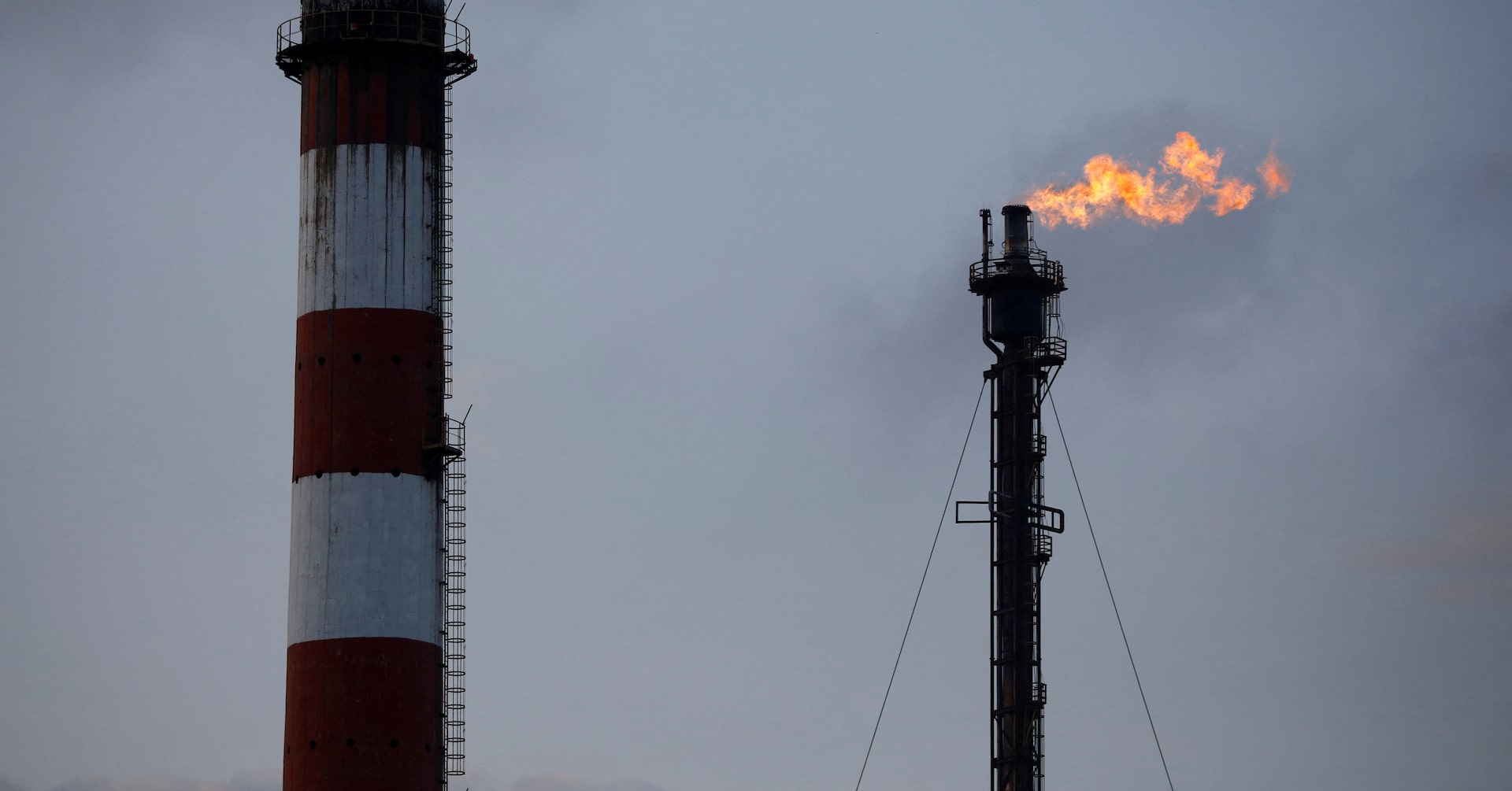
- Oil Price Volatility: With oil prices nearing $90 per barrel, analyst Jack Bowman warns that geopolitical factors limit long-term upside potential, urging investors to be cautious about the risks associated with oil price fluctuations.
- Midstream Opportunities: Bowman recommends investing in midstream energy firms through no-K1 ETFs like Global X MLP & Energy Infrastructure (MLPX) and Alerian MLP (AMLP), as these firms act like toll booths in oil transportation, making them less susceptible to price shocks.
- Regional Investment Considerations: Investors should pay attention to regional differences when selecting companies, particularly the significant disparities in market reactions between firms in California and Texas, which is crucial for small- and mid-cap operations.
- Future Growth Potential: Long Player notes that VAALCO Energy (EGY) plans to triple production by 2030, indicating that certain companies may present better investment opportunities once the market stabilizes, despite the current uncertain environment.
Trade with 70% Backtested Accuracy
Stop guessing "Should I Buy XOM?" and start using high-conviction signals backed by rigorous historical data.
Sign up today to access powerful investing tools and make smarter, data-driven decisions.
Analyst Views on XOM
Wall Street analysts forecast XOM stock price to fall
19 Analyst Rating
12 Buy
7 Hold
0 Sell
Moderate Buy
Current: 150.760

Low
114.00
Averages
132.17
High
158.00
Current: 150.760
Low
114.00
Averages
132.17
High
158.00
About XOM
Exxon Mobil Corporation is an energy provider and chemical manufacturer. The Company’s principal business involves exploration for, and production of, crude oil and natural gas; the manufacture, trade, transport and sale of crude oil, natural gas, petroleum products, petrochemicals and a wide variety of specialty products; and pursuit of lower-emission and other new business opportunities, including carbon capture and storage, hydrogen, lower-emission fuels, Proxxima systems, carbon materials, and lithium. Its Upstream segment explores for and produces crude oil and natural gas. The Energy Products, Chemical Products, and Specialty Products segments manufacture and sell petroleum products and petrochemicals. Energy Products segment includes fuels, aromatics, and catalysts and licensing. Chemical Products segment consists of olefins, polyolefins, and intermediates. Specialty Products segment includes finished lubricants, basestocks and waxes, synthetics, and elastomers and resins.
About the author

Emily J. Thompson
Emily J. Thompson, a Chartered Financial Analyst (CFA) with 12 years in investment research, graduated with honors from the Wharton School. Specializing in industrial and technology stocks, she provides in-depth analysis for Intellectia’s earnings and market brief reports.
Investment Strategies in Energy Amid Middle East Conflict


- Oil Price Volatility: With oil prices nearing $90 per barrel, analyst Jack Bowman warns that geopolitical factors limit long-term upside potential, urging investors to be cautious about the risks associated with oil price fluctuations.
- Midstream Opportunities: Bowman recommends investing in midstream energy firms through no-K1 ETFs like Global X MLP & Energy Infrastructure (MLPX) and Alerian MLP (AMLP), as these firms act like toll booths in oil transportation, making them less susceptible to price shocks.
- Regional Investment Considerations: Investors should pay attention to regional differences when selecting companies, particularly the significant disparities in market reactions between firms in California and Texas, which is crucial for small- and mid-cap operations.
- Future Growth Potential: Long Player notes that VAALCO Energy (EGY) plans to triple production by 2030, indicating that certain companies may present better investment opportunities once the market stabilizes, despite the current uncertain environment.
See More
U.S. Monitoring Russian-Iranian Military Information Exchange


- Intelligence Sharing Concerns: Defense Secretary Hegseth stated that the Trump administration is monitoring reports of Russia providing Iran with information about U.S. military positioning in the Middle East, emphasizing that the U.S. can counter such actions to ensure national security.
- Escalation Expectations: Market data indicates traders expect the conflict to persist, with a 26% probability of a ceasefire by March 15 and 46% by March 31, reflecting concerns over ongoing tensions in the region.
- U.S. Personnel Safety: Hegseth reiterated that the primary focus is on putting adversaries in danger, asserting that there are no concerns for U.S. military personnel, while suggesting that Iranians should be the ones worried about their safety.
- Strait of Hormuz Risks: A market contract indicates a 43% chance of the Strait of Hormuz closing before the end of the month, a critical waterway for approximately 20% of global oil shipments, where any closure would significantly impact the global energy market.
See More

Kuwait Cuts Oil Production Amid Iran Threats
- Production Cuts: Kuwait has implemented oil production and refining cuts due to threats from Iran that have halted tanker transit through the Strait of Hormuz, although the exact volume of cuts remains undisclosed, this precautionary measure will be reviewed as the situation evolves.
- OPEC Impact: As the fifth-largest oil producer in OPEC, Kuwait produced approximately 2.6 million barrels per day in January, and these cuts could significantly impact global oil supply, especially with the Strait of Hormuz closed, potentially leading to soaring oil prices.
- Market Reaction: Oil prices surged about 35% this week due to disruptions in global energy supplies caused by the Iran conflict, with Brent crude futures rising 8.52%, marking the largest weekly gain in history, indicating the market's sensitivity to geopolitical risks.
- Storage Crisis: With oil barrels piling up in the Middle East, Gulf Arab countries face the risk of exhausting storage capacity, as Iraq has already cut 1.5 million barrels per day, and if the Strait of Hormuz remains closed for over three weeks, more countries may shut down production, further driving up prices.
See More

Stocks Decline Amid Middle East Conflict and Mixed Economic Data


- Escalating Middle East Conflict: The U.S. and Israel's bombing of Iran has pressured global stocks, with the S&P 500 dropping 2% last week, while oil prices surged to $90 per barrel, marking a 35% weekly gain, the largest since 1983, indicating potential economic repercussions.
- Mixed Economic Data: Although the ADP report indicated a rise of 63,000 private sector jobs in February, surpassing expectations, the subsequent nonfarm payroll report revealed an increase in the unemployment rate to 4.4%, highlighting emerging job losses due to AI and creating uncertainty about the economic outlook.
- Earnings Impact: Broadcom exceeded earnings expectations, resulting in a 3.4% stock increase, while Corning's shares fell nearly 7% following comments from Broadcom's CEO that dampened optimism about fiber-optic technology, reflecting market volatility in tech sectors.
- Investment Strategy Adjustments: Amid market fluctuations, the investment club increased its position in Cardinal Health and exited BlackRock entirely due to rising private credit concerns, demonstrating a proactive approach to navigating the current market landscape.
See More
Surging Oil Prices Could Trigger Major Economic Shocks in the U.S.

- Oil Price Surge Impact: Following U.S.-Israeli strikes on Iran, oil prices surged 35% last week, with West Texas Intermediate futures closing at $90.90 per barrel on Friday, nearing the $100 threshold that could trigger non-linear economic effects.
- High-Income Consumer Spending Constraints: Higher-income consumers' spending is sensitive to stock market fluctuations, and sustained oil price increases could cool their spending, exacerbating economic shocks, particularly impacting lower-income households.
- Record Gas Price Increases: According to Bespoke Investment Group, the average gas price in the U.S. rose 27 cents to $3.25 per gallon in three days, marking the largest increase since 2008, further eroding the real spending power of low-income households.
- AI Investment Delays Risk: Rising energy prices could delay AI-related investment projects by major tech companies like Microsoft and Alphabet, posing a headwind to GDP growth, with sustained oil prices above $100 potentially shaving off more than 0.60 percentage points from GDP growth.
See More

Impact of Iran War on U.S. Economy
- Surging Oil Prices: The outbreak of war in Iran has caused U.S. crude oil prices to jump from $67 to over $90, leading to a national average gas price of $3.38 per gallon, which increases living costs for families and may affect voter support for the government.
- Rising Natural Gas Prices: Liquefied natural gas prices have surged due to supply disruptions in Qatar, and while U.S. increases have been modest, this exacerbates household electricity bills, particularly as demand from the data center industry strains the electric grid.
- Voter Opposition to War: A CNN poll indicates that nearly 60% of respondents disapprove of U.S. military action in Iran, placing greater pressure on Republicans in an election year, especially as Trump's economic approval ratings remain low.
- Political Accountability: Democrats emphasize the contradiction between Trump's military decisions and economic promises, arguing that this will influence voter intentions, particularly as rising living costs may lead to decreased trust in the Republican Party.
See More
Investment Strategies in Energy Amid Middle East Conflict
- Oil Price Volatility: With oil prices nearing $90 per barrel, analyst Jack Bowman warns that geopolitical factors limit long-term upside potential, urging investors to be cautious about the risks associated with oil price fluctuations.
- Midstream Opportunities: Bowman recommends investing in midstream energy firms through no-K1 ETFs like Global X MLP & Energy Infrastructure (MLPX) and Alerian MLP (AMLP), as these firms act like toll booths in oil transportation, making them less susceptible to price shocks.
- Regional Investment Considerations: Investors should pay attention to regional differences when selecting companies, particularly the significant disparities in market reactions between firms in California and Texas, which is crucial for small- and mid-cap operations.
- Future Growth Potential: Long Player notes that VAALCO Energy (EGY) plans to triple production by 2030, indicating that certain companies may present better investment opportunities once the market stabilizes, despite the current uncertain environment.
See More
U.S. Monitoring Russian-Iranian Military Information Exchange
- Intelligence Sharing Concerns: Defense Secretary Hegseth stated that the Trump administration is monitoring reports of Russia providing Iran with information about U.S. military positioning in the Middle East, emphasizing that the U.S. can counter such actions to ensure national security.
- Escalation Expectations: Market data indicates traders expect the conflict to persist, with a 26% probability of a ceasefire by March 15 and 46% by March 31, reflecting concerns over ongoing tensions in the region.
- U.S. Personnel Safety: Hegseth reiterated that the primary focus is on putting adversaries in danger, asserting that there are no concerns for U.S. military personnel, while suggesting that Iranians should be the ones worried about their safety.
- Strait of Hormuz Risks: A market contract indicates a 43% chance of the Strait of Hormuz closing before the end of the month, a critical waterway for approximately 20% of global oil shipments, where any closure would significantly impact the global energy market.
See More
Kuwait Cuts Oil Production Amid Iran Threats
- Production Cuts: Kuwait has implemented oil production and refining cuts due to threats from Iran that have halted tanker transit through the Strait of Hormuz, although the exact volume of cuts remains undisclosed, this precautionary measure will be reviewed as the situation evolves.
- OPEC Impact: As the fifth-largest oil producer in OPEC, Kuwait produced approximately 2.6 million barrels per day in January, and these cuts could significantly impact global oil supply, especially with the Strait of Hormuz closed, potentially leading to soaring oil prices.
- Market Reaction: Oil prices surged about 35% this week due to disruptions in global energy supplies caused by the Iran conflict, with Brent crude futures rising 8.52%, marking the largest weekly gain in history, indicating the market's sensitivity to geopolitical risks.
- Storage Crisis: With oil barrels piling up in the Middle East, Gulf Arab countries face the risk of exhausting storage capacity, as Iraq has already cut 1.5 million barrels per day, and if the Strait of Hormuz remains closed for over three weeks, more countries may shut down production, further driving up prices.
See More
Stocks Decline Amid Middle East Conflict and Mixed Economic Data
- Escalating Middle East Conflict: The U.S. and Israel's bombing of Iran has pressured global stocks, with the S&P 500 dropping 2% last week, while oil prices surged to $90 per barrel, marking a 35% weekly gain, the largest since 1983, indicating potential economic repercussions.
- Mixed Economic Data: Although the ADP report indicated a rise of 63,000 private sector jobs in February, surpassing expectations, the subsequent nonfarm payroll report revealed an increase in the unemployment rate to 4.4%, highlighting emerging job losses due to AI and creating uncertainty about the economic outlook.
- Earnings Impact: Broadcom exceeded earnings expectations, resulting in a 3.4% stock increase, while Corning's shares fell nearly 7% following comments from Broadcom's CEO that dampened optimism about fiber-optic technology, reflecting market volatility in tech sectors.
- Investment Strategy Adjustments: Amid market fluctuations, the investment club increased its position in Cardinal Health and exited BlackRock entirely due to rising private credit concerns, demonstrating a proactive approach to navigating the current market landscape.
See More
Surging Oil Prices Could Trigger Major Economic Shocks in the U.S.
- Oil Price Surge Impact: Following U.S.-Israeli strikes on Iran, oil prices surged 35% last week, with West Texas Intermediate futures closing at $90.90 per barrel on Friday, nearing the $100 threshold that could trigger non-linear economic effects.
- High-Income Consumer Spending Constraints: Higher-income consumers' spending is sensitive to stock market fluctuations, and sustained oil price increases could cool their spending, exacerbating economic shocks, particularly impacting lower-income households.
- Record Gas Price Increases: According to Bespoke Investment Group, the average gas price in the U.S. rose 27 cents to $3.25 per gallon in three days, marking the largest increase since 2008, further eroding the real spending power of low-income households.
- AI Investment Delays Risk: Rising energy prices could delay AI-related investment projects by major tech companies like Microsoft and Alphabet, posing a headwind to GDP growth, with sustained oil prices above $100 potentially shaving off more than 0.60 percentage points from GDP growth.
See More
Impact of Iran War on U.S. Economy
- Surging Oil Prices: The outbreak of war in Iran has caused U.S. crude oil prices to jump from $67 to over $90, leading to a national average gas price of $3.38 per gallon, which increases living costs for families and may affect voter support for the government.
- Rising Natural Gas Prices: Liquefied natural gas prices have surged due to supply disruptions in Qatar, and while U.S. increases have been modest, this exacerbates household electricity bills, particularly as demand from the data center industry strains the electric grid.
- Voter Opposition to War: A CNN poll indicates that nearly 60% of respondents disapprove of U.S. military action in Iran, placing greater pressure on Republicans in an election year, especially as Trump's economic approval ratings remain low.
- Political Accountability: Democrats emphasize the contradiction between Trump's military decisions and economic promises, arguing that this will influence voter intentions, particularly as rising living costs may lead to decreased trust in the Republican Party.
See More