Investigation into Investor Claims Against Whirlpool Corporation
Written by Emily J. Thompson, Senior Investment Analyst
Updated: 2 days ago
0mins
Should l Buy WHR?
Source: Globenewswire
- Declining Financial Performance: Whirlpool reported Q1 2026 net sales of $3.273 billion, a 9.6% decrease year-over-year, indicating weakened market competitiveness that could undermine investor confidence moving forward.
- Deteriorating Profitability: The company disclosed a GAAP net loss of $85 million compared to a profit of $71 million in the prior year, highlighting significant challenges in cost management and market demand that may lead to further stock price declines.
- Pressure in North American Market: Whirlpool's North America net sales fell 7.5% year-over-year, with EBIT dropping to $6 million and EBIT margin plummeting from 6.2% to 0.3%, reflecting the direct impact of overall industry weakness, which could raise investor concerns.
- Dividend Suspension and Debt Priority: The company announced a suspension of common dividends to prioritize debt repayment, expecting approximately $15 billion in net sales for 2026; while this strategy may improve financial health, it could weaken short-term investor return expectations.
Trade with 70% Backtested Accuracy
Stop guessing "Should I Buy WHR?" and start using high-conviction signals backed by rigorous historical data.
Sign up today to access powerful investing tools and make smarter, data-driven decisions.
Analyst Views on WHR
Wall Street analysts forecast WHR stock price to rise
4 Analyst Rating
0 Buy
2 Hold
2 Sell
Moderate Sell
Current: 48.210

Low
51.00
Averages
64.50
High
78.00
Current: 48.210
Low
51.00
Averages
64.50
High
78.00
About WHR
Whirlpool Corporation is a home appliance company. The Company is a manufacturer of kitchen and laundry appliances. Its segments include Major Domestic Appliances (MDA) North America; MDA Latin America; MDA Asia, and Small Domestic Appliances (SDA) Global. The Company in the United States and Canada, market and distributes home appliances and other consumer products under the Whirlpool, KitchenAid, Maytag, Amana, InSinkErator, JennAir, affresh, Swash, everydrop, and Gladiator brand names to retailers, distributors, and builders, and directly to consumers. In Latin America, the Company produces, market and distributes primarily Consul, Brastemp, Whirlpool, KitchenAid, Acros, Maytag, and Eslabon de Lujo brand names. In Asia, the Company market primarily under the Whirlpool, Elica, Maytag, KitchenAid, and Indesit brand names. In SDA Global, the Company markets the appliances under the KitchenAid brand name to retailers, distributors, and to consumers.
About the author

Emily J. Thompson
Emily J. Thompson, a Chartered Financial Analyst (CFA) with 12 years in investment research, graduated with honors from the Wharton School. Specializing in industrial and technology stocks, she provides in-depth analysis for Intellectia’s earnings and market brief reports.
Retail Hiring Surges Amid Economic Optimism Despite Challenges


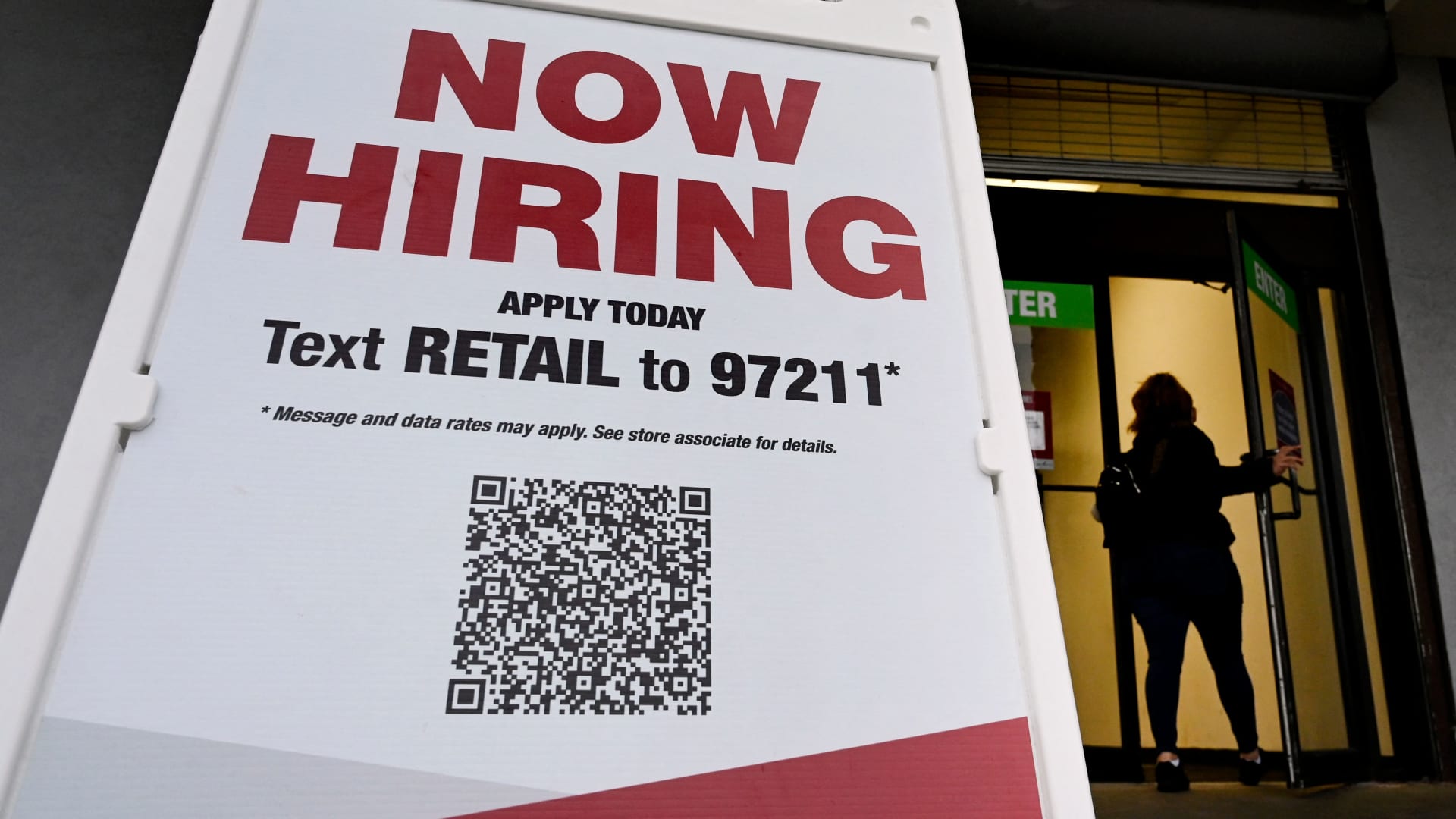
- Significant Hiring Growth: Preliminary federal data indicates that the retail sector added nearly 22,000 jobs in April, accounting for one-fifth of total job growth, showcasing consumer resilience amid economic uncertainties, which in turn boosts hiring confidence in the retail industry.
- Consumer Confidence Rebound: Despite challenges such as the Iran War, rising gas prices, and inflation, the surge in retail hiring reflects optimism among businesses regarding sustained consumer spending, particularly with warehouse clubs and supercenters leading the hiring in April.
- Surge in Job Openings: The retail sector recorded its highest volume of job openings since 2023 in March, with a 48% year-over-year increase, indicating enhanced confidence among retailers about future demand, even as overall job listings in the economy declined.
- Potential Risk Warnings: While consumer spending remains strong, companies like Whirlpool and McDonald's caution that the Iran War may dampen consumer confidence, and high gas prices could force consumers to cut discretionary spending, potentially impacting the retail sector's recent hiring expansion.
See More

Retail Sector Sees Significant Job Growth
- Job Growth Data: Preliminary federal data indicates that the retail sector added nearly 22,000 jobs in April, accounting for almost one-fifth of total job growth, with the total number of retail employees reaching 15.5 million, the highest since July 2024, signaling a recovery in the industry.
- Increased Hiring Confidence: Retailers are ramping up hiring despite economic uncertainties and high gas prices, particularly warehouse clubs and supercenters, reflecting a growing confidence in sustained consumer spending amidst challenging conditions.
- Surge in Job Openings: Retailers posted their highest volume of job openings since 2023 in March, with a 48% year-over-year increase, indicating optimism about future demand, even as overall economic job listings declined during the same period.
- Potential Risk Signals: While consumer spending remains robust, rising gas prices due to the Iran War and declining consumer sentiment pose risks that could impact retail growth and hiring plans in the coming months.
See More

Stocks Hit Record Highs Amid Mixed Economic Data


- Strong Market Performance: The S&P 500 rose 2.3% and the Nasdaq gained 4.5%, marking their longest winning streak since 2024 with six consecutive weeks of gains, reflecting investor confidence in economic recovery.
- Employment Data Impact: April's nonfarm payrolls increased by 115,000, significantly exceeding economists' expectations of 55,000, while the unemployment rate held steady at 4.3%, complicating the Federal Reserve's interest rate decisions amid resilient labor market conditions.
- Cybersecurity Stocks Rebound: Shares of CrowdStrike and Palo Alto Networks surged 16% and 15%, respectively, driven by Fortinet's strong earnings report and raised full-year billings guidance, indicating a renewed confidence in the cybersecurity sector.
- Optical Technology Partnership: Corning's stock jumped 18% following a major supply agreement with Nvidia, projecting a $20 billion annualized sales run rate by 2026 and a 50% increase in fiber production capacity to meet soaring AI infrastructure demands.
See More

Job Report Exceeds Expectations, Market Rallies


- Strong Job Market: The U.S. Labor Department reported a 115,000 increase in nonfarm payrolls for April, surpassing economists' expectations of 55,000, while the unemployment rate held steady at 4.3%, indicating labor market stability that may weaken the case for near-term Fed rate cuts.
- Nike Downgrade: Wells Fargo downgraded Nike due to concerns that the company's turnaround could take longer than investors hoped, with shares down approximately 30% this year, making it the second-worst performer in the Dow, reflecting the increasingly challenging retail environment.
- Qnity Electronics Performance: Qnity Electronics is set to report earnings on Tuesday, following an impressive beat-and-raise quarter from its former parent, DuPont; Qnity shares have surged about 80% this year, with Deutsche Bank raising its price target from $140 to $170, driven by strong semiconductor demand.
- Rapid Fire Review: The rapid-fire segment at the end of the video covered stocks including CoreWeave, Texas Roadhouse, Cloudflare, DraftKings, and Airbnb, highlighting investor interest in diverse investment opportunities.
See More

Investigation into Investor Claims Against Whirlpool Corporation

- Declining Financial Performance: Whirlpool reported Q1 2026 net sales of $3.273 billion, a 9.6% decrease year-over-year, indicating weakened market competitiveness that could undermine investor confidence moving forward.
- Deteriorating Profitability: The company disclosed a GAAP net loss of $85 million compared to a profit of $71 million in the prior year, highlighting significant challenges in cost management and market demand that may lead to further stock price declines.
- Pressure in North American Market: Whirlpool's North America net sales fell 7.5% year-over-year, with EBIT dropping to $6 million and EBIT margin plummeting from 6.2% to 0.3%, reflecting the direct impact of overall industry weakness, which could raise investor concerns.
- Dividend Suspension and Debt Priority: The company announced a suspension of common dividends to prioritize debt repayment, expecting approximately $15 billion in net sales for 2026; while this strategy may improve financial health, it could weaken short-term investor return expectations.
See More

Consumer Confidence Decline Impacts Stock Market


- Market Volatility: Shares of several consumer-focused companies plummeted yesterday, with Planet Fitness down over 30%, marking its largest one-day loss ever, indicating market concerns about consumer health that could hinder overall economic recovery.
- Shake Shack Earnings Miss: Shake Shack's stock dropped more than 28% following an operating loss and earnings miss in Q1, reflecting weak consumer spending that may pressure future performance.
- Job Data Expectations: The U.S. is expected to add 55,000 jobs in April, with the unemployment rate holding steady at 4.3%, a figure that could sway market sentiment, as JPMorgan's trading desk warns of potential significant market swings.
- Cloudflare Layoffs Impact: Cloudflare announced it would cut over one-fifth of its workforce, leading to a 15% pre-market drop in its stock, despite beating Q1 earnings expectations, indicating the company's cautious outlook on future market conditions.
See More
Retail Hiring Surges Amid Economic Optimism Despite Challenges
- Significant Hiring Growth: Preliminary federal data indicates that the retail sector added nearly 22,000 jobs in April, accounting for one-fifth of total job growth, showcasing consumer resilience amid economic uncertainties, which in turn boosts hiring confidence in the retail industry.
- Consumer Confidence Rebound: Despite challenges such as the Iran War, rising gas prices, and inflation, the surge in retail hiring reflects optimism among businesses regarding sustained consumer spending, particularly with warehouse clubs and supercenters leading the hiring in April.
- Surge in Job Openings: The retail sector recorded its highest volume of job openings since 2023 in March, with a 48% year-over-year increase, indicating enhanced confidence among retailers about future demand, even as overall job listings in the economy declined.
- Potential Risk Warnings: While consumer spending remains strong, companies like Whirlpool and McDonald's caution that the Iran War may dampen consumer confidence, and high gas prices could force consumers to cut discretionary spending, potentially impacting the retail sector's recent hiring expansion.
See More
Retail Sector Sees Significant Job Growth
- Job Growth Data: Preliminary federal data indicates that the retail sector added nearly 22,000 jobs in April, accounting for almost one-fifth of total job growth, with the total number of retail employees reaching 15.5 million, the highest since July 2024, signaling a recovery in the industry.
- Increased Hiring Confidence: Retailers are ramping up hiring despite economic uncertainties and high gas prices, particularly warehouse clubs and supercenters, reflecting a growing confidence in sustained consumer spending amidst challenging conditions.
- Surge in Job Openings: Retailers posted their highest volume of job openings since 2023 in March, with a 48% year-over-year increase, indicating optimism about future demand, even as overall economic job listings declined during the same period.
- Potential Risk Signals: While consumer spending remains robust, rising gas prices due to the Iran War and declining consumer sentiment pose risks that could impact retail growth and hiring plans in the coming months.
See More
Stocks Hit Record Highs Amid Mixed Economic Data
- Strong Market Performance: The S&P 500 rose 2.3% and the Nasdaq gained 4.5%, marking their longest winning streak since 2024 with six consecutive weeks of gains, reflecting investor confidence in economic recovery.
- Employment Data Impact: April's nonfarm payrolls increased by 115,000, significantly exceeding economists' expectations of 55,000, while the unemployment rate held steady at 4.3%, complicating the Federal Reserve's interest rate decisions amid resilient labor market conditions.
- Cybersecurity Stocks Rebound: Shares of CrowdStrike and Palo Alto Networks surged 16% and 15%, respectively, driven by Fortinet's strong earnings report and raised full-year billings guidance, indicating a renewed confidence in the cybersecurity sector.
- Optical Technology Partnership: Corning's stock jumped 18% following a major supply agreement with Nvidia, projecting a $20 billion annualized sales run rate by 2026 and a 50% increase in fiber production capacity to meet soaring AI infrastructure demands.
See More
Job Report Exceeds Expectations, Market Rallies
- Strong Job Market: The U.S. Labor Department reported a 115,000 increase in nonfarm payrolls for April, surpassing economists' expectations of 55,000, while the unemployment rate held steady at 4.3%, indicating labor market stability that may weaken the case for near-term Fed rate cuts.
- Nike Downgrade: Wells Fargo downgraded Nike due to concerns that the company's turnaround could take longer than investors hoped, with shares down approximately 30% this year, making it the second-worst performer in the Dow, reflecting the increasingly challenging retail environment.
- Qnity Electronics Performance: Qnity Electronics is set to report earnings on Tuesday, following an impressive beat-and-raise quarter from its former parent, DuPont; Qnity shares have surged about 80% this year, with Deutsche Bank raising its price target from $140 to $170, driven by strong semiconductor demand.
- Rapid Fire Review: The rapid-fire segment at the end of the video covered stocks including CoreWeave, Texas Roadhouse, Cloudflare, DraftKings, and Airbnb, highlighting investor interest in diverse investment opportunities.
See More
Investigation into Investor Claims Against Whirlpool Corporation
- Declining Financial Performance: Whirlpool reported Q1 2026 net sales of $3.273 billion, a 9.6% decrease year-over-year, indicating weakened market competitiveness that could undermine investor confidence moving forward.
- Deteriorating Profitability: The company disclosed a GAAP net loss of $85 million compared to a profit of $71 million in the prior year, highlighting significant challenges in cost management and market demand that may lead to further stock price declines.
- Pressure in North American Market: Whirlpool's North America net sales fell 7.5% year-over-year, with EBIT dropping to $6 million and EBIT margin plummeting from 6.2% to 0.3%, reflecting the direct impact of overall industry weakness, which could raise investor concerns.
- Dividend Suspension and Debt Priority: The company announced a suspension of common dividends to prioritize debt repayment, expecting approximately $15 billion in net sales for 2026; while this strategy may improve financial health, it could weaken short-term investor return expectations.
See More
Consumer Confidence Decline Impacts Stock Market
- Market Volatility: Shares of several consumer-focused companies plummeted yesterday, with Planet Fitness down over 30%, marking its largest one-day loss ever, indicating market concerns about consumer health that could hinder overall economic recovery.
- Shake Shack Earnings Miss: Shake Shack's stock dropped more than 28% following an operating loss and earnings miss in Q1, reflecting weak consumer spending that may pressure future performance.
- Job Data Expectations: The U.S. is expected to add 55,000 jobs in April, with the unemployment rate holding steady at 4.3%, a figure that could sway market sentiment, as JPMorgan's trading desk warns of potential significant market swings.
- Cloudflare Layoffs Impact: Cloudflare announced it would cut over one-fifth of its workforce, leading to a 15% pre-market drop in its stock, despite beating Q1 earnings expectations, indicating the company's cautious outlook on future market conditions.
See More