Intel's Quarterly Results Surpass Expectations
Written by Emily J. Thompson, Senior Investment Analyst
Updated: 6 hours ago
0mins

Should l Buy INTC?
Source: Fool
- Earnings Beat: Intel's Q1 total revenue reached $13.6 billion, a 7% year-over-year increase that significantly surpassed analyst expectations of $12.4 billion, demonstrating the company's ability to capitalize on the surge in data center CPU demand.
- AI Product Revenue Surge: Driven by the skyrocketing demand for data center CPUs, Intel's AI product revenue jumped 22% to $5.1 billion, reflecting the company's strong performance in the AI sector and further solidifying its market position.
- Margin Improvement: Intel's gross margin improved by 250 basis points to 39.4%, with adjusted gross margin rising 180 basis points to 41%, indicating positive progress in cost control and product mix optimization, thereby enhancing profitability.
- Optimistic Outlook: The company projects Q2 revenue between $13.8 billion and $14.8 billion, with adjusted EPS of $0.20, both exceeding analyst expectations of $0.09, showcasing Intel's confidence in future market demand despite potential weakness in computer demand in the second half of the year.
Trade with 70% Backtested Accuracy
Stop guessing "Should I Buy INTC?" and start using high-conviction signals backed by rigorous historical data.
Sign up today to access powerful investing tools and make smarter, data-driven decisions.
Analyst Views on INTC
Wall Street analysts forecast INTC stock price to fall
29 Analyst Rating
5 Buy
19 Hold
5 Sell
Hold
Current: 84.990

Low
20.00
Averages
39.30
High
52.00
Current: 84.990
Low
20.00
Averages
39.30
High
52.00
About INTC
Intel Corporation is a global designer and manufacturer of semiconductor products. The Company's segments include Intel Products, Intel Foundry, and All Other. Its Intel Products comprise Client Computing Group (CCG) and Data Center and AI (DCAI). CCG delivers platforms and processors that power PCs and edge devices, enabling enhanced performance, connectivity and user experience for consumer and commercial markets with capabilities that also support retail, industrial robotics and AI ecosystems at the edge. DCAI delivers workload-optimized solutions based upon its x86 architecture for data centers, including CPUs, AI accelerators, NICs, IPUs and custom ASICs, enabling performance and scalability for cloud, enterprise, telecommunication and HPC environments. The Intel Foundry segment comprises technology development, manufacturing and foundry services, developing new semiconductor process technologies and advanced packaging technologies. All Other segments include Mobileye and Other.
About the author

Emily J. Thompson
Emily J. Thompson, a Chartered Financial Analyst (CFA) with 12 years in investment research, graduated with honors from the Wharton School. Specializing in industrial and technology stocks, she provides in-depth analysis for Intellectia’s earnings and market brief reports.
Intel Reports Strong Q1 2026 Earnings and Revenue Growth

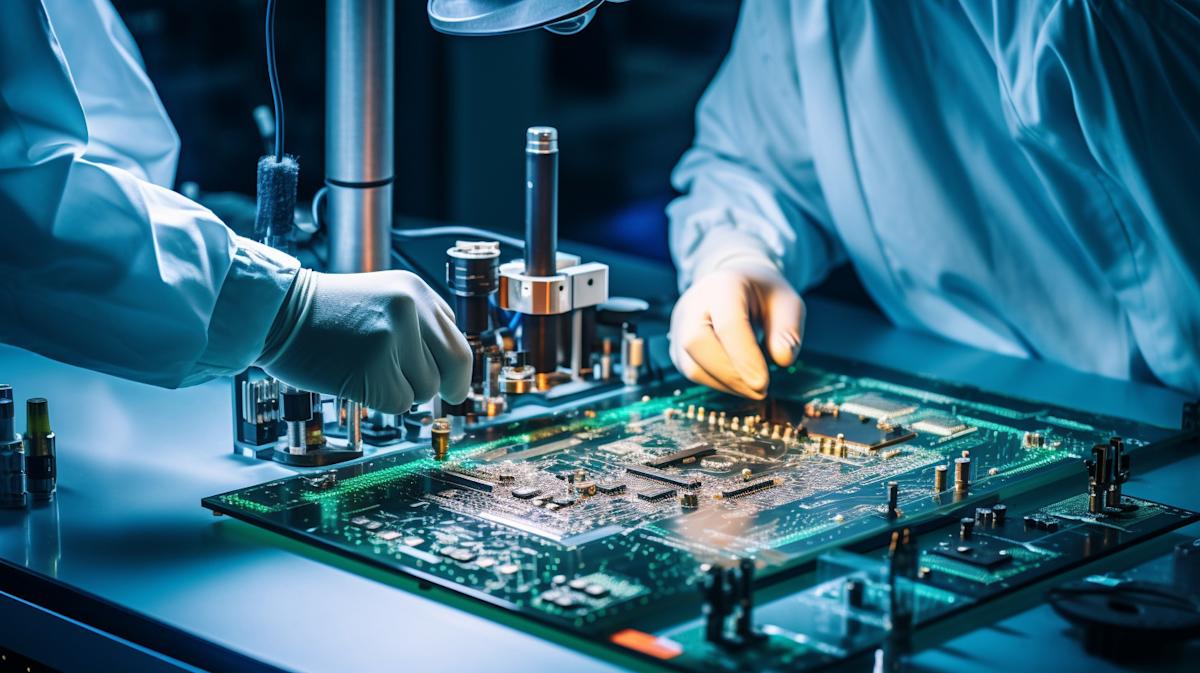
- Strong Financial Performance: Intel's Q1 2026 report reveals revenue of $13.6 billion, a 7% year-over-year increase, indicating robust market performance that is likely to bolster investor confidence moving forward.
- Earnings Per Share: The company reported an earnings per share (EPS) of $0.73 for the quarter, with a non-GAAP EPS of $0.29, demonstrating profitability despite market challenges, reflecting successful cost control and operational efficiency.
- Optimistic Future Outlook: Management forecasts Q2 2026 revenue between $13.8 billion and $14.8 billion, with expected EPS of $0.08 and non-GAAP EPS of $0.20, suggesting a positive growth trajectory that may attract further investor interest.
- Product Line Expansion: Intel launched several new processors, including the Xeon 600 series and Core Ultra series, enhancing its product portfolio and strengthening its competitive position in the workstation and mobile markets, which is expected to drive sales growth and increase market share.
See More
Apple's CEO Tim Cook to Retire Amid AI Challenges and Opportunities


- Cook's Leadership Legacy: Apple's CEO Tim Cook announced his retirement later this year, marking the end of nearly 15 years of leadership during which Apple's market cap soared from $600 billion to nearly $3 trillion, highlighting his contributions to stability and sustained growth.
- Opportunities in the AI Era: With the rise of artificial intelligence, Apple faces new challenges, particularly in hardware innovation, as Cook's successor Ternus will need to maintain the competitiveness of core products while exploring new AI-driven markets.
- Intel's Resurgence: Intel reported strong earnings in 2026, with stock hitting an all-time high due to surging demand for CPUs, underscoring the company's pivotal role in AI infrastructure development and its potential to benefit from the growing need for high-performance computing.
- SaaS Market Turmoil: ServiceNow's earnings triggered market panic, leading to a widespread decline in related stocks, despite its report showing solid growth potential, reflecting investors' heightened sensitivity to AI impacts, which may result in short-term market volatility.
See More

Apple CEO Tim Cook to Retire Amid AI Era Transition
- Cook's Leadership Legacy: Apple CEO Tim Cook announced his retirement later this year, and while his tenure has seen immense success for the company, investor concerns about future leadership and innovation direction may impact stock price stability.
- Rise of AI Technology: With the rapid advancement of artificial intelligence, companies like Intel are seizing new market opportunities in 2026, as evidenced by Intel's stock hitting an all-time high, reflecting strong demand for AI infrastructure that could reshape market competition.
- Challenges in Product Innovation: Under Cook's leadership, Apple has been relatively conservative in innovation, failing to launch new products like the
See More

Market Reaction Reveals AI Stock Bubble

- Market Overreaction: CNBC's Jim Cramer highlighted that the market's reaction to a pessimistic report on OpenAI's growth trajectory underscores the excessive nature of the recent AI-driven rally, indicating that even minor news could trigger significant stock declines, revealing market fragility.
- Stock Sell-off: Following a Wall Street Journal report indicating OpenAI missed internal user growth and revenue targets, shares of chipmakers and data center suppliers experienced a sell-off on Tuesday, reflecting investor concerns about the company's ability to sustain heavy spending on computing infrastructure.
- Internal Warning: OpenAI CFO Sarah Friar warned colleagues that if revenue growth did not accelerate, the company would struggle to fund future compute agreements, raising concerns about the company's financial health among investors.
- Company Response: Despite OpenAI's rebuttal of the report as
See More
OpenAI Misses Revenue Targets; Coca-Cola Reports Strong Quarter


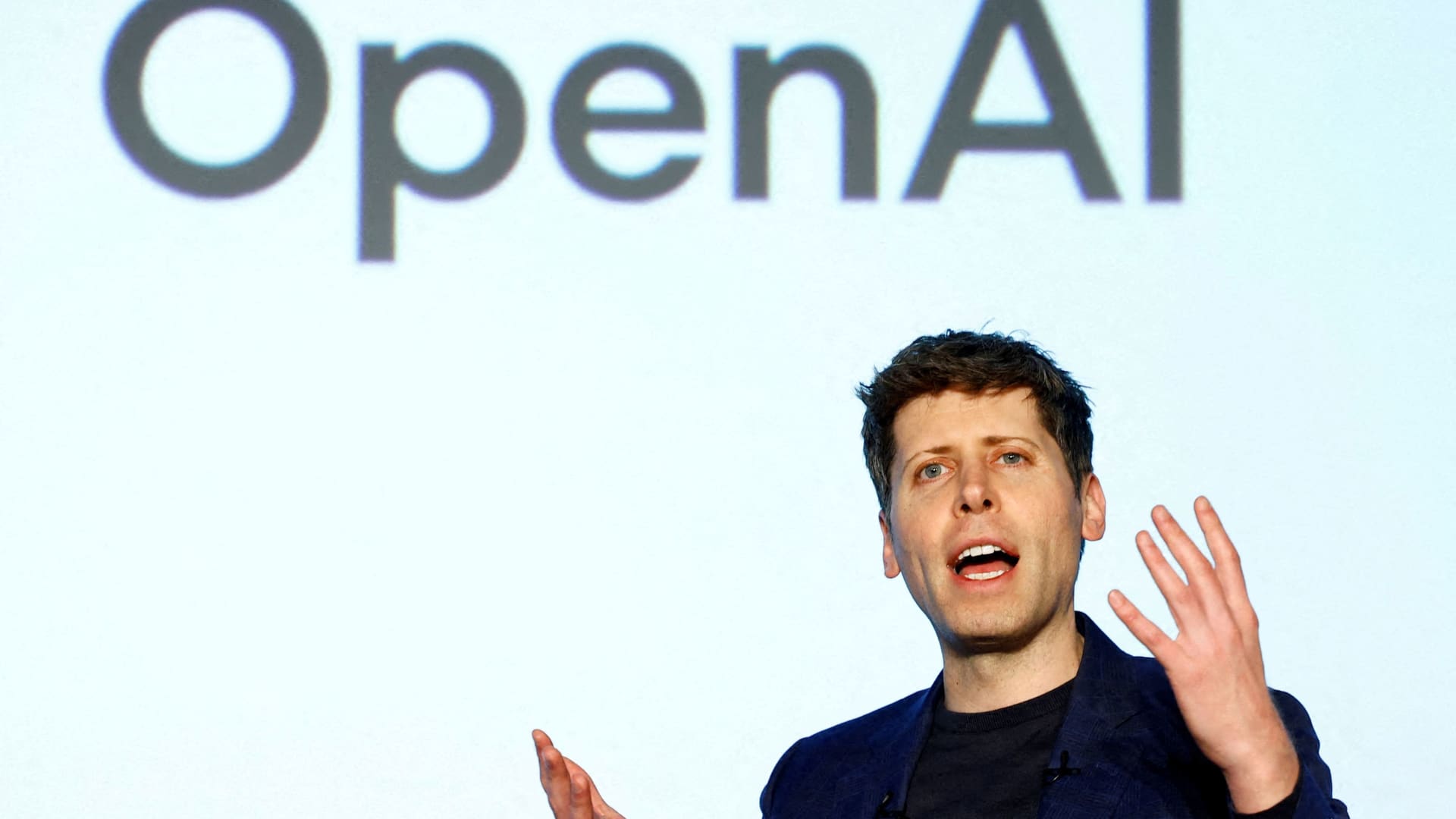
- OpenAI Revenue Decline: According to The Wall Street Journal, OpenAI fell short of its internal revenue growth and user targets, leading to a decline in its overall valuation, which negatively impacted related companies like Softbank and Oracle.
- Coca-Cola Strong Performance: Coca-Cola reported first-quarter revenue of $12.5 billion and earnings per share of $0.86, both exceeding market expectations, with a 10% organic growth indicating its robust position in the sluggish consumer goods sector despite having a few extra days in the quarter.
- UPS Steady Performance: UPS achieved top and bottom line beats in the first quarter and reaffirmed its full-year guidance, demonstrating a recovery in growth after cutting costs and winding down its partnership with Amazon.
- Spotify Growth Struggles: Despite Spotify's first-quarter earnings per share of €4.04 beating expectations, the stock fell over 8% due to a disappointing outlook for the current quarter, indicating investor concerns over its operating income and gross margin guidance.
See More

Chip Stocks Face Downside Risks Amid Revenue Concerns
- Semiconductor Index Decline: The Philadelphia Semiconductor Index (SOX) dropped 4% in early trading on Tuesday, reflecting market concerns over OpenAI's failure to meet revenue and new user targets, leading to diminished investor confidence.
- Major Stock Price Volatility: Nvidia fell over 3%, Intel slid 5%, and AMD tumbled more than 7%, indicating worries about the semiconductor sector's future performance, which could impact overall market sentiment.
- Bubble Risk Signals: Bank of America analysts noted that the Bubble Risk Indicator for U.S. semiconductors has reached its highest level since the launch of ChatGPT in late 2022, signaling heightened near-term risks that investors should be cautious of.
- Abnormal Valuation Levels: The SOX index trades at nearly 53 times trailing earnings, a level not seen in over 20 years, suggesting that market expectations for the semiconductor industry may be overly optimistic, potentially leading to future price corrections.
See More
Intel Reports Strong Q1 2026 Earnings and Revenue Growth
- Strong Financial Performance: Intel's Q1 2026 report reveals revenue of $13.6 billion, a 7% year-over-year increase, indicating robust market performance that is likely to bolster investor confidence moving forward.
- Earnings Per Share: The company reported an earnings per share (EPS) of $0.73 for the quarter, with a non-GAAP EPS of $0.29, demonstrating profitability despite market challenges, reflecting successful cost control and operational efficiency.
- Optimistic Future Outlook: Management forecasts Q2 2026 revenue between $13.8 billion and $14.8 billion, with expected EPS of $0.08 and non-GAAP EPS of $0.20, suggesting a positive growth trajectory that may attract further investor interest.
- Product Line Expansion: Intel launched several new processors, including the Xeon 600 series and Core Ultra series, enhancing its product portfolio and strengthening its competitive position in the workstation and mobile markets, which is expected to drive sales growth and increase market share.
See More
Apple's CEO Tim Cook to Retire Amid AI Challenges and Opportunities
- Cook's Leadership Legacy: Apple's CEO Tim Cook announced his retirement later this year, marking the end of nearly 15 years of leadership during which Apple's market cap soared from $600 billion to nearly $3 trillion, highlighting his contributions to stability and sustained growth.
- Opportunities in the AI Era: With the rise of artificial intelligence, Apple faces new challenges, particularly in hardware innovation, as Cook's successor Ternus will need to maintain the competitiveness of core products while exploring new AI-driven markets.
- Intel's Resurgence: Intel reported strong earnings in 2026, with stock hitting an all-time high due to surging demand for CPUs, underscoring the company's pivotal role in AI infrastructure development and its potential to benefit from the growing need for high-performance computing.
- SaaS Market Turmoil: ServiceNow's earnings triggered market panic, leading to a widespread decline in related stocks, despite its report showing solid growth potential, reflecting investors' heightened sensitivity to AI impacts, which may result in short-term market volatility.
See More
Apple CEO Tim Cook to Retire Amid AI Era Transition
- Cook's Leadership Legacy: Apple CEO Tim Cook announced his retirement later this year, and while his tenure has seen immense success for the company, investor concerns about future leadership and innovation direction may impact stock price stability.
- Rise of AI Technology: With the rapid advancement of artificial intelligence, companies like Intel are seizing new market opportunities in 2026, as evidenced by Intel's stock hitting an all-time high, reflecting strong demand for AI infrastructure that could reshape market competition.
- Challenges in Product Innovation: Under Cook's leadership, Apple has been relatively conservative in innovation, failing to launch new products like the
See More
Market Reaction Reveals AI Stock Bubble
- Market Overreaction: CNBC's Jim Cramer highlighted that the market's reaction to a pessimistic report on OpenAI's growth trajectory underscores the excessive nature of the recent AI-driven rally, indicating that even minor news could trigger significant stock declines, revealing market fragility.
- Stock Sell-off: Following a Wall Street Journal report indicating OpenAI missed internal user growth and revenue targets, shares of chipmakers and data center suppliers experienced a sell-off on Tuesday, reflecting investor concerns about the company's ability to sustain heavy spending on computing infrastructure.
- Internal Warning: OpenAI CFO Sarah Friar warned colleagues that if revenue growth did not accelerate, the company would struggle to fund future compute agreements, raising concerns about the company's financial health among investors.
- Company Response: Despite OpenAI's rebuttal of the report as
See More
OpenAI Misses Revenue Targets; Coca-Cola Reports Strong Quarter
- OpenAI Revenue Decline: According to The Wall Street Journal, OpenAI fell short of its internal revenue growth and user targets, leading to a decline in its overall valuation, which negatively impacted related companies like Softbank and Oracle.
- Coca-Cola Strong Performance: Coca-Cola reported first-quarter revenue of $12.5 billion and earnings per share of $0.86, both exceeding market expectations, with a 10% organic growth indicating its robust position in the sluggish consumer goods sector despite having a few extra days in the quarter.
- UPS Steady Performance: UPS achieved top and bottom line beats in the first quarter and reaffirmed its full-year guidance, demonstrating a recovery in growth after cutting costs and winding down its partnership with Amazon.
- Spotify Growth Struggles: Despite Spotify's first-quarter earnings per share of €4.04 beating expectations, the stock fell over 8% due to a disappointing outlook for the current quarter, indicating investor concerns over its operating income and gross margin guidance.
See More
Chip Stocks Face Downside Risks Amid Revenue Concerns
- Semiconductor Index Decline: The Philadelphia Semiconductor Index (SOX) dropped 4% in early trading on Tuesday, reflecting market concerns over OpenAI's failure to meet revenue and new user targets, leading to diminished investor confidence.
- Major Stock Price Volatility: Nvidia fell over 3%, Intel slid 5%, and AMD tumbled more than 7%, indicating worries about the semiconductor sector's future performance, which could impact overall market sentiment.
- Bubble Risk Signals: Bank of America analysts noted that the Bubble Risk Indicator for U.S. semiconductors has reached its highest level since the launch of ChatGPT in late 2022, signaling heightened near-term risks that investors should be cautious of.
- Abnormal Valuation Levels: The SOX index trades at nearly 53 times trailing earnings, a level not seen in over 20 years, suggesting that market expectations for the semiconductor industry may be overly optimistic, potentially leading to future price corrections.
See More