O'Reilly Automotive's Performance Continues to Soar
Written by Emily J. Thompson, Senior Investment Analyst
Updated: 1 hour ago
0mins
Should l Buy ORLY?
Source: Fool
- Significant Performance Returns: As of April 24, the S&P 500 index has generated an 84% total return over the past five years, while O'Reilly Automotive has soared 162% since late April 2021, nearly doubling the benchmark's gain, showcasing its strong market performance.
- Store Expansion Strategy: O'Reilly added 207 net new stores in 2025 and plans to open 225-235 more in 2026, with the increase in store count directly driving sustained revenue growth, reflecting the stability and sustainability of its business model.
- Outstanding Financial Performance: O'Reilly's net income has climbed 173% over the past decade, while diluted earnings per share have surged 386%, attributed to management's capital allocation strategy and aggressive stock buybacks, demonstrating the company's strong profitability.
- Reasonable Market Valuation: Although O'Reilly's price-to-earnings ratio stands at 31.4, which may seem expensive, its stock price is still 14% below its record high, making it a worthwhile investment opportunity for those seeking high-quality businesses.
Trade with 70% Backtested Accuracy
Stop guessing "Should I Buy ORLY?" and start using high-conviction signals backed by rigorous historical data.
Sign up today to access powerful investing tools and make smarter, data-driven decisions.
Analyst Views on ORLY
Wall Street analysts forecast ORLY stock price to rise
20 Analyst Rating
18 Buy
2 Hold
0 Sell
Strong Buy
Current: 91.970

Low
91.00
Averages
110.75
High
125.00
Current: 91.970
Low
91.00
Averages
110.75
High
125.00
About ORLY
O’Reilly Automotive, Inc. is a specialty retailer of automotive aftermarket parts, tools, supplies, equipment, and accessories in the United States (U.S.), selling its products to both do-it-yourself (DIY) and professional service provider customers. Its stores carry various product lines, including new and remanufactured automotive hard parts and maintenance items, such as alternators, batteries, brake system components, belts, chassis parts, driveline parts, engine parts, fuel pumps, hoses, starters, temperature control, water pumps, antifreeze, appearance products, engine additives, filters, fluids, lighting, oil, and wiper blades and accessories, such as floor mats, seat covers, and truck accessories. Its stores offer services and programs, including battery diagnostic testing; battery, wiper, and bulb replacement; a loaner tool program; custom hydraulic hoses, drum and rotor resurfacing, electrical and module testing, used oil, oil filter, and battery recycling; and others.
About the author

Emily J. Thompson
Emily J. Thompson, a Chartered Financial Analyst (CFA) with 12 years in investment research, graduated with honors from the Wharton School. Specializing in industrial and technology stocks, she provides in-depth analysis for Intellectia’s earnings and market brief reports.
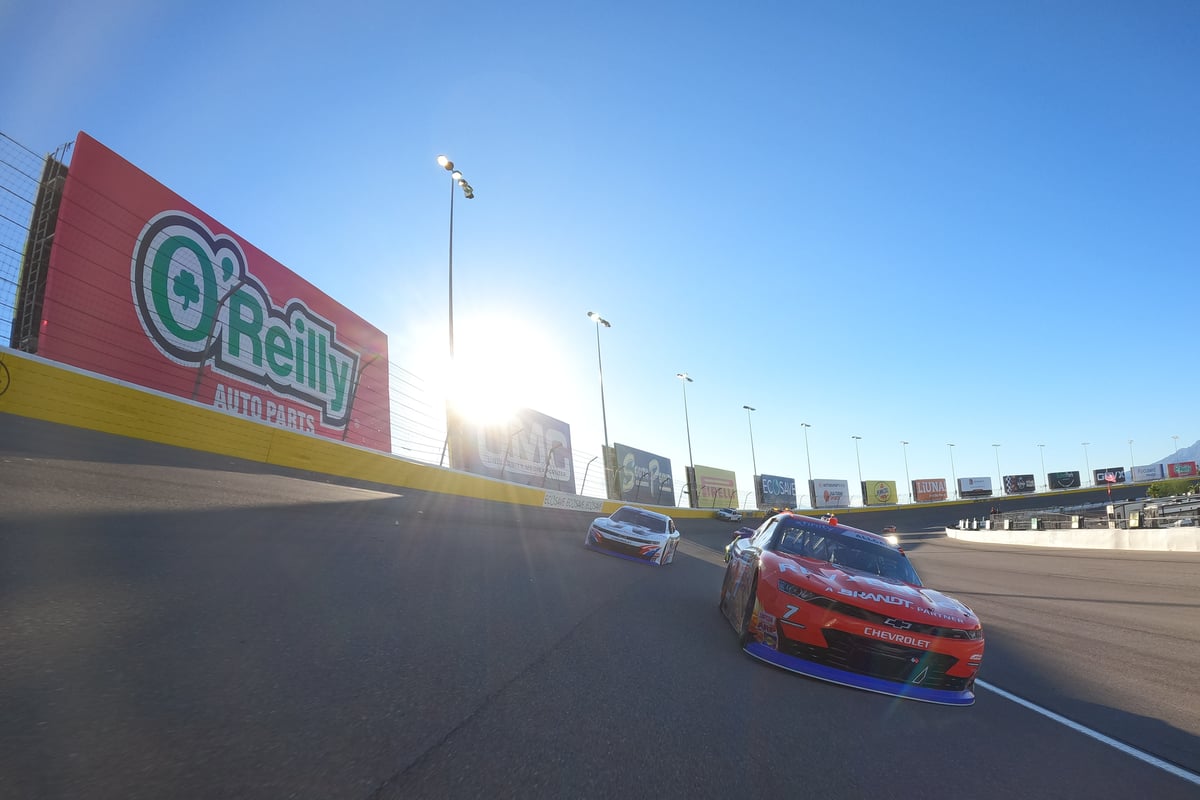
O'Reilly Automotive's Performance Continues to Soar

- Significant Performance Returns: As of April 24, the S&P 500 index has generated an 84% total return over the past five years, while O'Reilly Automotive has soared 162% since late April 2021, nearly doubling the benchmark's gain, showcasing its strong market performance.
- Store Expansion Strategy: O'Reilly added 207 net new stores in 2025 and plans to open 225-235 more in 2026, with the increase in store count directly driving sustained revenue growth, reflecting the stability and sustainability of its business model.
- Outstanding Financial Performance: O'Reilly's net income has climbed 173% over the past decade, while diluted earnings per share have surged 386%, attributed to management's capital allocation strategy and aggressive stock buybacks, demonstrating the company's strong profitability.
- Reasonable Market Valuation: Although O'Reilly's price-to-earnings ratio stands at 31.4, which may seem expensive, its stock price is still 14% below its record high, making it a worthwhile investment opportunity for those seeking high-quality businesses.
See More

U.S. Stocks Near All-Time Highs as Investors Eye Tech Giants' Earnings


- Strong Market Performance: The S&P 500 and Nasdaq Composite indices reached new all-time highs in April, rising over 8% and 13% respectively, indicating robust market resilience despite ongoing geopolitical tensions and AI disruption concerns, reflecting investor confidence in tech stocks.
- Earnings Pressure on Tech Giants: Next week, five of the 'Magnificent Seven' companies will report earnings, with market expectations for them to demonstrate sufficient revenue growth to justify their high AI expenditures; Alphabet, Amazon, Meta, and Microsoft have all seen stock price increases of over 10% this month, highlighting the market's keen interest in their performance.
- Federal Reserve Meeting Impact: This is expected to be Jerome Powell's last meeting as chair, with the market widely anticipating that the Fed will keep interest rates unchanged, although rising oil prices could complicate future monetary policy, necessitating close attention to how this dynamic may affect the market.
- Cautious Investor Sentiment: As the traditional market adage 'Sell in May' approaches, investors remain wary of potential downside risks, particularly in light of poor software stock performance and rising oil prices, which could further dampen market sentiment.
See More
Rapid Growth of Chinese Electric Vehicle Market

- Increased Competition: Chinese EV manufacturers like BYD and Geely have overtaken Tesla in global EV sales, demonstrating strong competitiveness of Chinese brands in the global market, which may pressure American automakers' market shares.
- Tariff Policy Changes: Canada has reduced tariffs on Chinese EVs from 100% to 6.1%, although import caps remain, indicating a gradual market opening that could enhance acceptance and sales of Chinese EVs internationally.
- Rising Consumer Acceptance: As Chinese EVs become more prevalent globally, consumer recognition of their quality is increasing, which may prompt governments to further relax market access restrictions on Chinese EVs, accelerating industry consolidation and growth.
- Cautious Investment Outlook: Despite the promising prospects of the Chinese EV market, intense competition is squeezing profit margins, necessitating investors to carefully assess the investment value of Chinese EV companies, especially against the backdrop of market consolidation and policy changes.
See More

In-Depth Analysis of the Chinese EV Market
- Market Acceptance Rising: Canada's reduction of tariffs on Chinese EVs from 100% to 6.1% and plans to gradually increase import caps indicate a growing acceptance of Chinese vehicles in global markets, potentially opening up broader opportunities for manufacturers.
- Intensifying Competition: BYD's 19% profit decline in Q1 2026 highlights the fierce competition in the EV sector, as other manufacturers vie for market share, which may lead to increased pressure on profits in the coming years.
- Historical Parallels: Similar to the rise of Japanese cars in the U.S. market, Chinese EVs may disrupt Western automakers by offering higher quality products, prompting innovation and improvement that ultimately benefits consumers.
- Cautious Investment Outlook: Despite the promising prospects of the Chinese EV market, analysts remain cautious about investments, suggesting that fierce competition may hinder significant returns for investors, especially given government intervention in the industry.
See More

Ferrari Maintains Luxury Image and Profit Margins


- Luxury Brand Positioning: Ferrari successfully maintains its luxury brand image by offering high-end cars priced between $250,000 and $500,000, achieving a remarkable net profit margin of 21% despite recent growth slowdown.
- Attractive Stock Valuation: The stock is currently trading around $390, significantly undervalued compared to a five-year average P/E ratio of 41, with a forward-looking P/E ratio of 30 indicating potential investment value.
- Revenue Growth Performance: In the latest fourth quarter, Ferrari reported a 7% year-over-year revenue increase and a 12% rise in operating profit, demonstrating the effectiveness of its business model despite a slowdown in growth.
- Market Competition Analysis: Although Ferrari's stock has declined by 27% over the past year, its unique high-price, low-volume sales strategy allows it to maintain a competitive edge in the fiercely competitive automotive market, making it worthy of investor consideration.
See More

Analyzing the Investment Appeal of Ferrari Stock
- Attractive Valuation: Ferrari's stock is currently priced around $390, significantly undervalued compared to a five-year average P/E ratio of 41, with a current ratio of 30, indicating investment potential, especially after a 27% decline over the past year.
- Strong Profitability: In the fourth quarter, Ferrari reported a 7% year-over-year revenue increase and a 12% rise in operating profit, with a remarkable net profit margin of 21%, showcasing the effectiveness of its high-price, low-volume business model in maintaining a luxury brand image.
- Market Performance: With an average annual growth rate of 23% over the past decade, Ferrari's stock has faced recent declines due to tariff concerns and underwhelming management projections, yet its market capitalization stands at $60 billion, reflecting a strong market position.
- Future Outlook: Despite challenges of slowing growth, the upcoming F80 priced at $4 million is already sold out, indicating sustained demand in the high-end market, suggesting that investors should monitor its long-term growth potential.
See More
O'Reilly Automotive's Performance Continues to Soar
- Significant Performance Returns: As of April 24, the S&P 500 index has generated an 84% total return over the past five years, while O'Reilly Automotive has soared 162% since late April 2021, nearly doubling the benchmark's gain, showcasing its strong market performance.
- Store Expansion Strategy: O'Reilly added 207 net new stores in 2025 and plans to open 225-235 more in 2026, with the increase in store count directly driving sustained revenue growth, reflecting the stability and sustainability of its business model.
- Outstanding Financial Performance: O'Reilly's net income has climbed 173% over the past decade, while diluted earnings per share have surged 386%, attributed to management's capital allocation strategy and aggressive stock buybacks, demonstrating the company's strong profitability.
- Reasonable Market Valuation: Although O'Reilly's price-to-earnings ratio stands at 31.4, which may seem expensive, its stock price is still 14% below its record high, making it a worthwhile investment opportunity for those seeking high-quality businesses.
See More
U.S. Stocks Near All-Time Highs as Investors Eye Tech Giants' Earnings
- Strong Market Performance: The S&P 500 and Nasdaq Composite indices reached new all-time highs in April, rising over 8% and 13% respectively, indicating robust market resilience despite ongoing geopolitical tensions and AI disruption concerns, reflecting investor confidence in tech stocks.
- Earnings Pressure on Tech Giants: Next week, five of the 'Magnificent Seven' companies will report earnings, with market expectations for them to demonstrate sufficient revenue growth to justify their high AI expenditures; Alphabet, Amazon, Meta, and Microsoft have all seen stock price increases of over 10% this month, highlighting the market's keen interest in their performance.
- Federal Reserve Meeting Impact: This is expected to be Jerome Powell's last meeting as chair, with the market widely anticipating that the Fed will keep interest rates unchanged, although rising oil prices could complicate future monetary policy, necessitating close attention to how this dynamic may affect the market.
- Cautious Investor Sentiment: As the traditional market adage 'Sell in May' approaches, investors remain wary of potential downside risks, particularly in light of poor software stock performance and rising oil prices, which could further dampen market sentiment.
See More
Rapid Growth of Chinese Electric Vehicle Market
- Increased Competition: Chinese EV manufacturers like BYD and Geely have overtaken Tesla in global EV sales, demonstrating strong competitiveness of Chinese brands in the global market, which may pressure American automakers' market shares.
- Tariff Policy Changes: Canada has reduced tariffs on Chinese EVs from 100% to 6.1%, although import caps remain, indicating a gradual market opening that could enhance acceptance and sales of Chinese EVs internationally.
- Rising Consumer Acceptance: As Chinese EVs become more prevalent globally, consumer recognition of their quality is increasing, which may prompt governments to further relax market access restrictions on Chinese EVs, accelerating industry consolidation and growth.
- Cautious Investment Outlook: Despite the promising prospects of the Chinese EV market, intense competition is squeezing profit margins, necessitating investors to carefully assess the investment value of Chinese EV companies, especially against the backdrop of market consolidation and policy changes.
See More
In-Depth Analysis of the Chinese EV Market
- Market Acceptance Rising: Canada's reduction of tariffs on Chinese EVs from 100% to 6.1% and plans to gradually increase import caps indicate a growing acceptance of Chinese vehicles in global markets, potentially opening up broader opportunities for manufacturers.
- Intensifying Competition: BYD's 19% profit decline in Q1 2026 highlights the fierce competition in the EV sector, as other manufacturers vie for market share, which may lead to increased pressure on profits in the coming years.
- Historical Parallels: Similar to the rise of Japanese cars in the U.S. market, Chinese EVs may disrupt Western automakers by offering higher quality products, prompting innovation and improvement that ultimately benefits consumers.
- Cautious Investment Outlook: Despite the promising prospects of the Chinese EV market, analysts remain cautious about investments, suggesting that fierce competition may hinder significant returns for investors, especially given government intervention in the industry.
See More
Ferrari Maintains Luxury Image and Profit Margins
- Luxury Brand Positioning: Ferrari successfully maintains its luxury brand image by offering high-end cars priced between $250,000 and $500,000, achieving a remarkable net profit margin of 21% despite recent growth slowdown.
- Attractive Stock Valuation: The stock is currently trading around $390, significantly undervalued compared to a five-year average P/E ratio of 41, with a forward-looking P/E ratio of 30 indicating potential investment value.
- Revenue Growth Performance: In the latest fourth quarter, Ferrari reported a 7% year-over-year revenue increase and a 12% rise in operating profit, demonstrating the effectiveness of its business model despite a slowdown in growth.
- Market Competition Analysis: Although Ferrari's stock has declined by 27% over the past year, its unique high-price, low-volume sales strategy allows it to maintain a competitive edge in the fiercely competitive automotive market, making it worthy of investor consideration.
See More
Analyzing the Investment Appeal of Ferrari Stock
- Attractive Valuation: Ferrari's stock is currently priced around $390, significantly undervalued compared to a five-year average P/E ratio of 41, with a current ratio of 30, indicating investment potential, especially after a 27% decline over the past year.
- Strong Profitability: In the fourth quarter, Ferrari reported a 7% year-over-year revenue increase and a 12% rise in operating profit, with a remarkable net profit margin of 21%, showcasing the effectiveness of its high-price, low-volume business model in maintaining a luxury brand image.
- Market Performance: With an average annual growth rate of 23% over the past decade, Ferrari's stock has faced recent declines due to tariff concerns and underwhelming management projections, yet its market capitalization stands at $60 billion, reflecting a strong market position.
- Future Outlook: Despite challenges of slowing growth, the upcoming F80 priced at $4 million is already sold out, indicating sustained demand in the high-end market, suggesting that investors should monitor its long-term growth potential.
See More