Insider Buying Update for Friday, November 7: NBTB, JBLU
Written by Emily J. Thompson, Senior Investment Analyst
Updated: Nov 07 2025
0mins

Should l Buy JBLU?
Source: NASDAQ.COM
NBT Bancorp Insider Buying: Director Timothy E. Delaney purchased 10,000 shares of NBT Bancorp for $409,750, with shares trading at $40.98 each, marking his second buy in the past year.
JetBlue Airways Insider Buying: Director Peter Boneparth bought 50,000 shares of JetBlue Airways for $206,000 at $4.12 each, with shares rising 3.2% on Friday and reaching a high of $4.39 during trading.
Trade with 70% Backtested Accuracy
Stop guessing "Should I Buy JBLU?" and start using high-conviction signals backed by rigorous historical data.
Sign up today to access powerful investing tools and make smarter, data-driven decisions.
Analyst Views on JBLU
Wall Street analysts forecast JBLU stock price to rise
10 Analyst Rating
0 Buy
5 Hold
5 Sell
Moderate Sell
Current: 4.120

Low
3.50
Averages
4.69
High
7.00
Current: 4.120
Low
3.50
Averages
4.69
High
7.00
About JBLU
JetBlue Airways Corporation provides air transportation services across the United States, Latin America, the Caribbean, Canada, and Europe. The Company operates five types of aircraft, including Airbus A220, Airbus A320, Airbus A321, Airbus A321neo, and Embraer E190. Its inflight entertainment system onboards its aircraft with free live TV on select routes and premium movie channel offerings from JetBlue Features. Its entire fleet is equipped with Fly-Fi, a broadband product that allows gate-to-gate Wi-Fi at every seat. Customers also have access to the Fly-Fi Hub, a content portal where customers can access a wide range of additional content from their own personal devices. Its customers can purchase one of five branded fares: Blue Basic, Blue, Blue Plus, Blue Extra, and Mint, its premium service. It also sells vacation packages through its subsidiary, JetBlue Travel Products, LLC, which offers one-stop, value-priced vacation services for self-directed packaged travel planning.
About the author

Emily J. Thompson
Emily J. Thompson, a Chartered Financial Analyst (CFA) with 12 years in investment research, graduated with honors from the Wharton School. Specializing in industrial and technology stocks, she provides in-depth analysis for Intellectia’s earnings and market brief reports.

Dubai International Airport Suspends Flights After Drone Strike


- Flight Suspension: Dubai International Airport temporarily halted flights after a drone strike damaged airport facilities, disrupting normal operations and highlighting the direct impact of the Iran conflict on regional security.
- Fire Emergency: The drone strike ignited a fire at a nearby fuel tank, which was successfully contained, yet this incident underscores the security risks faced by the airport, potentially leading to uncertainties in future flight schedules.
- Airline CEOs' Warning: Executives from several major U.S. airlines urged Congress to swiftly resolve the ongoing 29-day partial government shutdown, warning that unpaid airport security officers are beginning to disrupt air travel as the busy spring break season approaches.
- Security Personnel Impact: Approximately 50,000 Transportation Security Administration (TSA) officers are working without pay, resulting in longer checkpoint lines at some airports, which further exacerbates the pressure on air travel and could affect airline operational efficiency.
See More
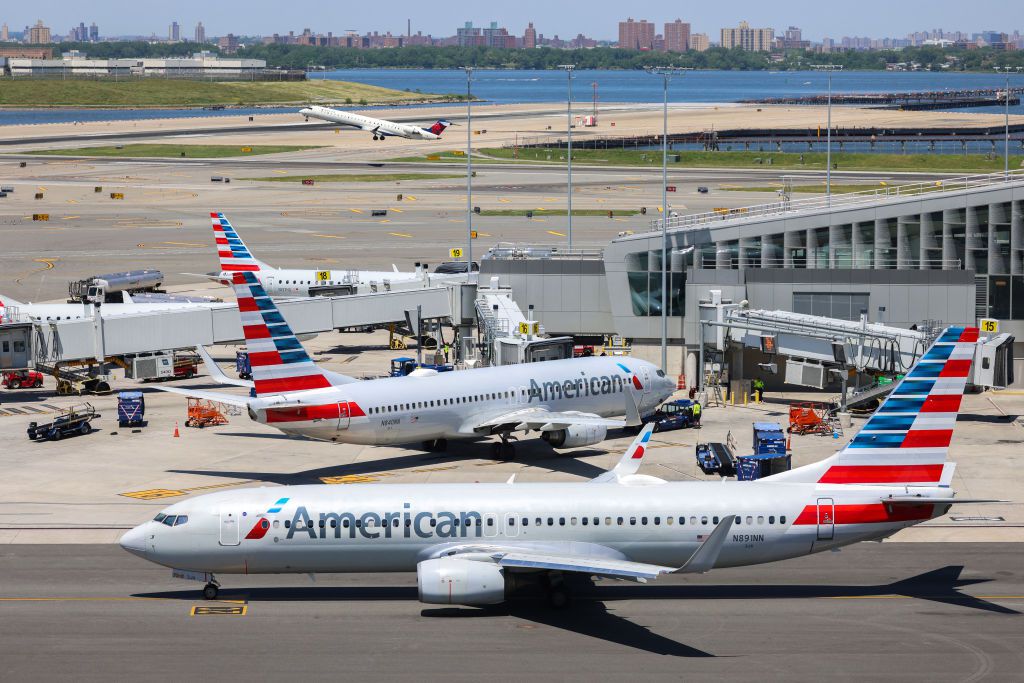
Airline Executives Call on Congress to Resolve Government Shutdown and Compensate Airport Employees

- CEOs' Urgent Call: Ten CEOs from major airlines are urging Congress to end the partial government shutdown affecting airport operations.
- Impact on Security: The shutdown has resulted in long security lines and disrupted the agency responsible for airport security for the second time in six months.
See More
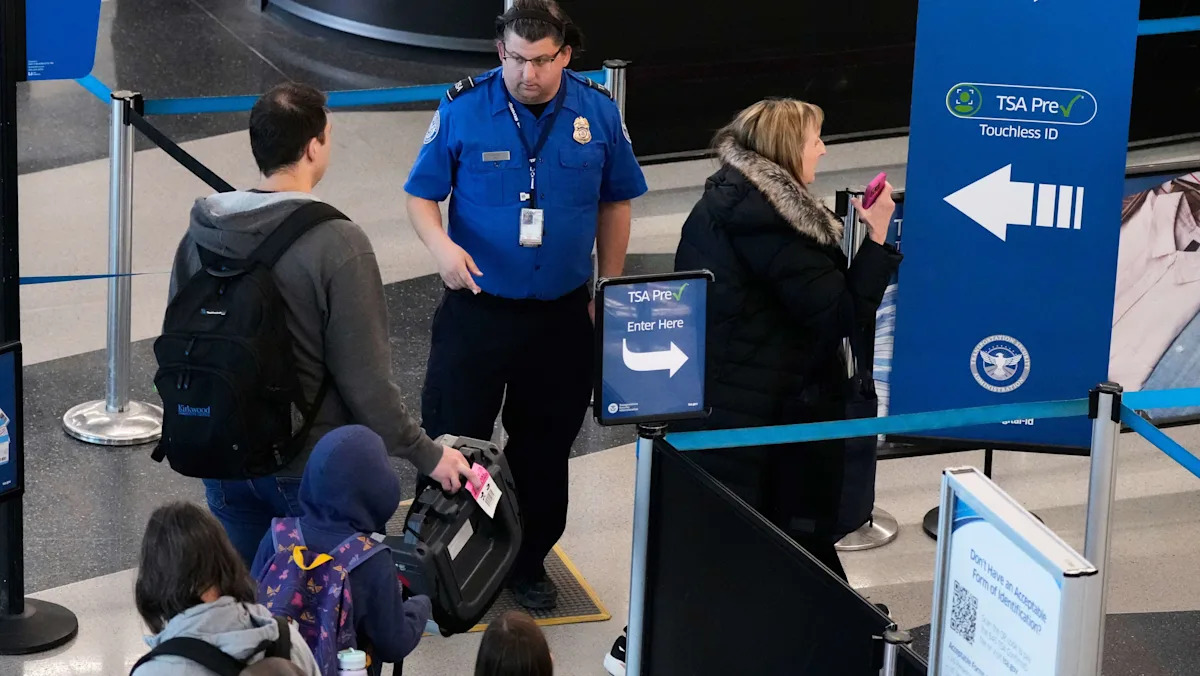
US Airlines Face Demand Risks Amid Shutdown

- Security Delays Impact: The partial government shutdown has caused massive slowdowns at TSA checkpoints in major airports, leading travelers to potentially opt for driving instead of flying, negatively affecting airline demand.
- Economic Impact Evident: Airlines experienced a 43-day shutdown in Q4, with reports indicating that this event has had a measurable impact on earnings, highlighting the increasing economic pressure on the aviation sector.
- Emotional Factors Affect Stock Prices: Experts note that market sentiment is also reflected in airline stock prices, and if the situation calms down, a rebound in share prices may occur; however, the current demand stagnation poses challenges for the industry's outlook.
- Demand Trend Uncertainty: With security delays and global entry restrictions, the future trends of airline demand have become increasingly uncertain, potentially leading consumers to be more cautious in their travel choices, further impacting airline performance.
See More
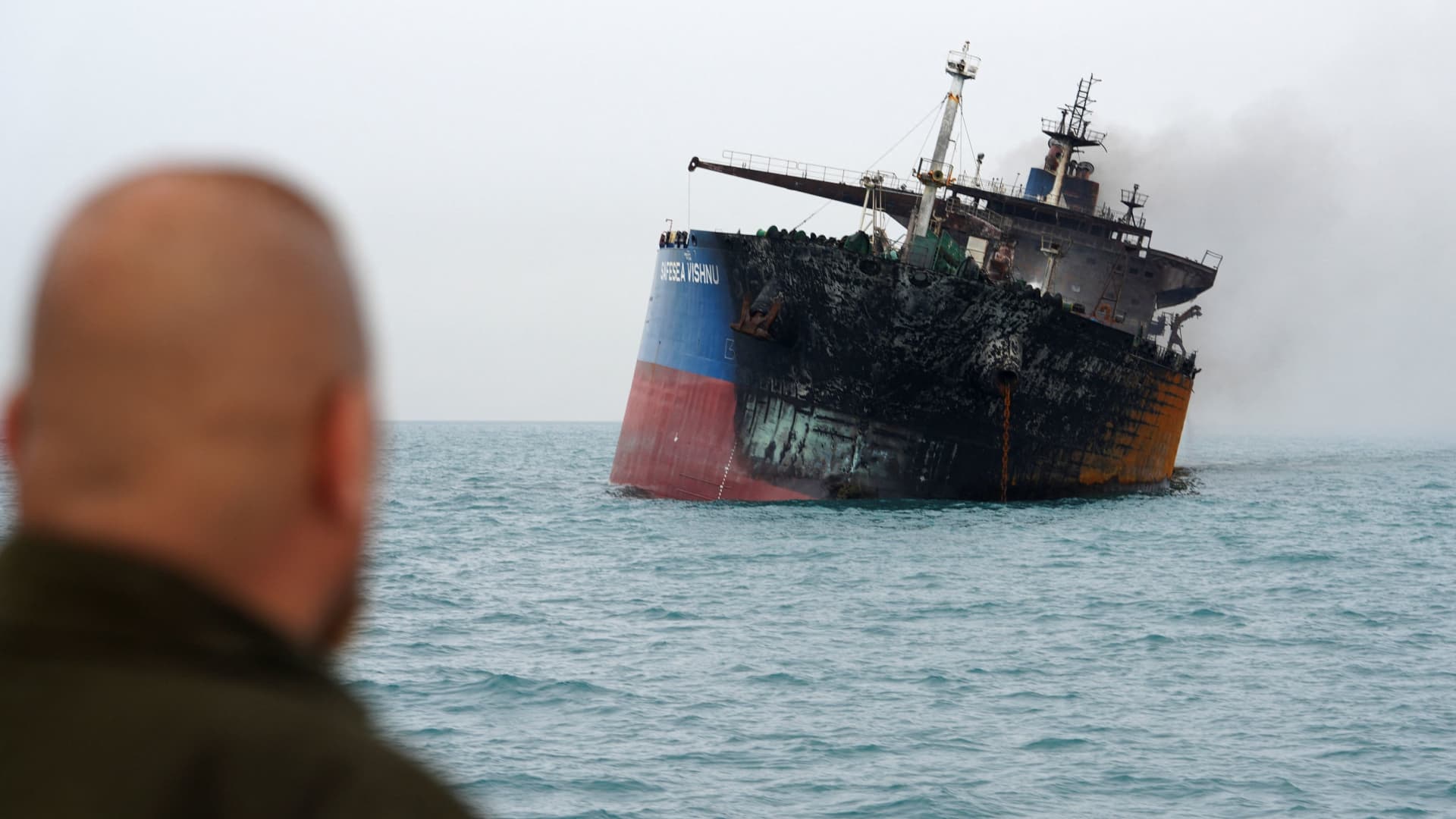
US Launches 60 Trade Investigations Amid Rising Tensions


- Increase in Trade Investigations: The U.S. government launched 60 investigations into forced labor trade practices, reflecting ongoing scrutiny of trade policies from the Trump administration, which may impact operational models and compliance costs in affected industries.
- Surge in Oil Prices: Brent crude oil prices rose 9.22% to surpass $100 per barrel after Iran's new supreme leader stated that the Strait of Hormuz should remain closed, potentially leading to increased global energy costs and exacerbating inflationary pressures.
- Shift in Fed Policy Expectations: The outbreak of the Iran war has diminished market expectations for interest rate cuts by the Federal Reserve this year, with traders now anticipating only one cut in December, which could affect investor confidence and market liquidity.
- Impact of Executive Changes: Adobe's CEO Shantanu Narayen announced his departure, and despite the company reporting first-quarter results that exceeded expectations, its stock fell over 7% in premarket trading, indicating market sensitivity to leadership changes.
See More

Middle East Tensions Pressure US Airlines

- Rising Oil Price Risk: US airlines are under threat of soaring jet fuel costs due to escalating tensions in the Middle East, which could significantly impact their operational costs and profit margins.
- Travel Demand Fluctuations: Aviation expert Steve Trent highlights that rising oil prices may suppress travel demand, affecting airfare prices, prompting airlines to navigate market changes carefully to maintain profitability.
- Government Shutdown Impact: The partial government shutdown has led to severe delays at TSA checkpoints in major airports, potentially affecting passenger travel experiences and subsequently impacting airline traffic and revenue.
- Market Reaction Monitoring: As airlines face multiple pressures, market attention on their future performance is increasing, with investors needing to closely monitor oil price trends and their potential impact on the aviation sector.
See More
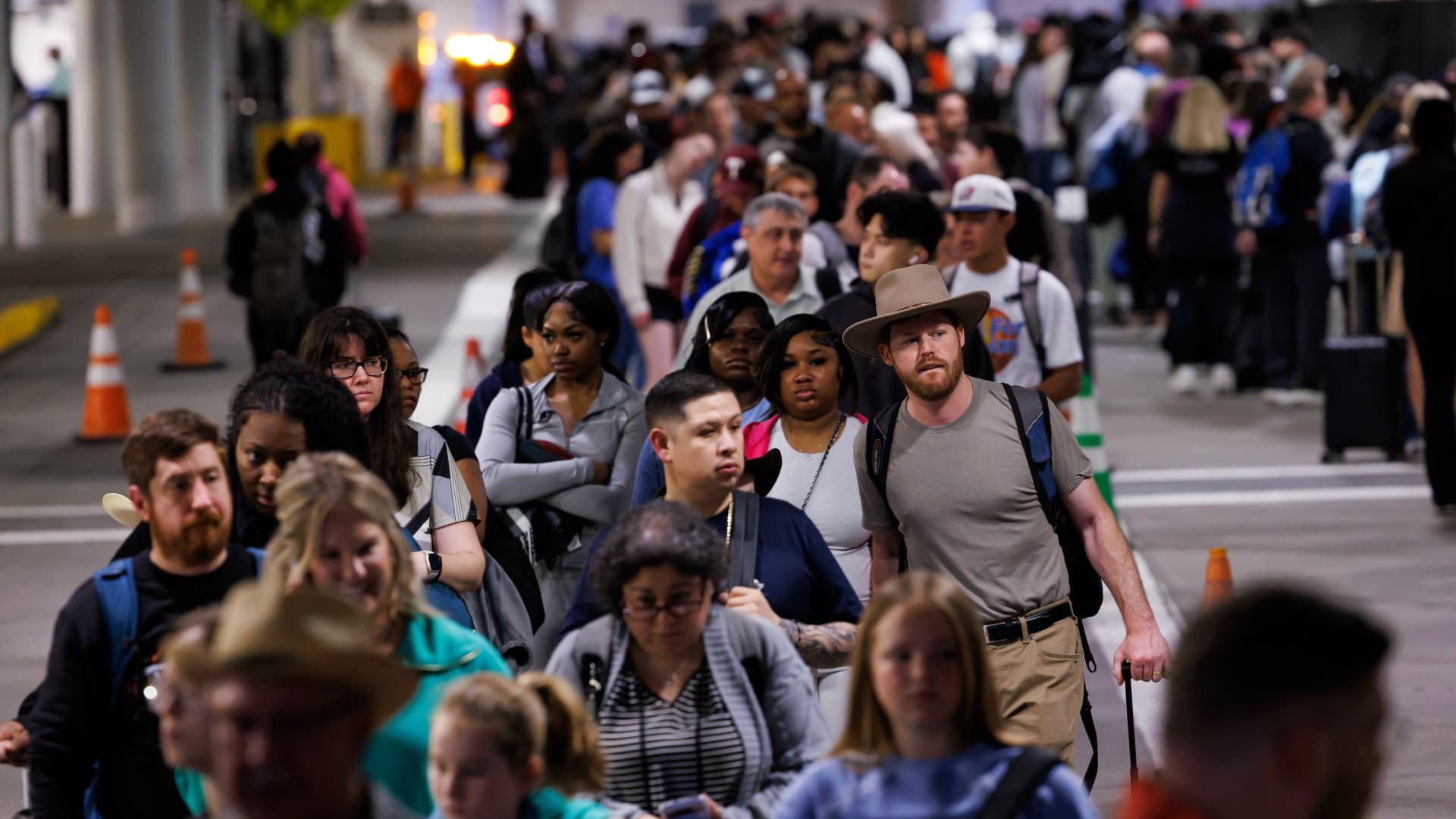
Airlines Adjust Fares Amid Soaring Fuel Prices


- Fuel Surcharge Increase: Cathay Pacific announced it would nearly double fuel surcharges starting March 18, reflecting the pressure on airlines from soaring fuel prices due to the U.S. and Israel's attacks on Iran, which may impact consumer travel choices.
- Flight Adjustment Risks: Air New Zealand stated it would suspend its financial outlook and make initial fare adjustments if fuel markets and operating conditions remain unstable, highlighting the vulnerability of airlines in a high fuel price environment, potentially affecting profitability.
- Demand and Pricing Power: Despite rising fuel prices, United Airlines CEO Scott Kirby noted that travel demand remains strong, and if this trend continues, airlines may gain more pricing power; however, this will depend on the duration of the conflict.
- Delayed Market Response: Analysts expect airlines to face the most acute financial impact in the next 30-90 days, as they booked yields for flights assuming lower fuel prices, making it difficult to adjust fares quickly, which could lead to earnings hits in the first quarter.
See More
Dubai International Airport Suspends Flights After Drone Strike
- Flight Suspension: Dubai International Airport temporarily halted flights after a drone strike damaged airport facilities, disrupting normal operations and highlighting the direct impact of the Iran conflict on regional security.
- Fire Emergency: The drone strike ignited a fire at a nearby fuel tank, which was successfully contained, yet this incident underscores the security risks faced by the airport, potentially leading to uncertainties in future flight schedules.
- Airline CEOs' Warning: Executives from several major U.S. airlines urged Congress to swiftly resolve the ongoing 29-day partial government shutdown, warning that unpaid airport security officers are beginning to disrupt air travel as the busy spring break season approaches.
- Security Personnel Impact: Approximately 50,000 Transportation Security Administration (TSA) officers are working without pay, resulting in longer checkpoint lines at some airports, which further exacerbates the pressure on air travel and could affect airline operational efficiency.
See More
Airline Executives Call on Congress to Resolve Government Shutdown and Compensate Airport Employees
- CEOs' Urgent Call: Ten CEOs from major airlines are urging Congress to end the partial government shutdown affecting airport operations.
- Impact on Security: The shutdown has resulted in long security lines and disrupted the agency responsible for airport security for the second time in six months.
See More
US Airlines Face Demand Risks Amid Shutdown
- Security Delays Impact: The partial government shutdown has caused massive slowdowns at TSA checkpoints in major airports, leading travelers to potentially opt for driving instead of flying, negatively affecting airline demand.
- Economic Impact Evident: Airlines experienced a 43-day shutdown in Q4, with reports indicating that this event has had a measurable impact on earnings, highlighting the increasing economic pressure on the aviation sector.
- Emotional Factors Affect Stock Prices: Experts note that market sentiment is also reflected in airline stock prices, and if the situation calms down, a rebound in share prices may occur; however, the current demand stagnation poses challenges for the industry's outlook.
- Demand Trend Uncertainty: With security delays and global entry restrictions, the future trends of airline demand have become increasingly uncertain, potentially leading consumers to be more cautious in their travel choices, further impacting airline performance.
See More
US Launches 60 Trade Investigations Amid Rising Tensions
- Increase in Trade Investigations: The U.S. government launched 60 investigations into forced labor trade practices, reflecting ongoing scrutiny of trade policies from the Trump administration, which may impact operational models and compliance costs in affected industries.
- Surge in Oil Prices: Brent crude oil prices rose 9.22% to surpass $100 per barrel after Iran's new supreme leader stated that the Strait of Hormuz should remain closed, potentially leading to increased global energy costs and exacerbating inflationary pressures.
- Shift in Fed Policy Expectations: The outbreak of the Iran war has diminished market expectations for interest rate cuts by the Federal Reserve this year, with traders now anticipating only one cut in December, which could affect investor confidence and market liquidity.
- Impact of Executive Changes: Adobe's CEO Shantanu Narayen announced his departure, and despite the company reporting first-quarter results that exceeded expectations, its stock fell over 7% in premarket trading, indicating market sensitivity to leadership changes.
See More
Middle East Tensions Pressure US Airlines
- Rising Oil Price Risk: US airlines are under threat of soaring jet fuel costs due to escalating tensions in the Middle East, which could significantly impact their operational costs and profit margins.
- Travel Demand Fluctuations: Aviation expert Steve Trent highlights that rising oil prices may suppress travel demand, affecting airfare prices, prompting airlines to navigate market changes carefully to maintain profitability.
- Government Shutdown Impact: The partial government shutdown has led to severe delays at TSA checkpoints in major airports, potentially affecting passenger travel experiences and subsequently impacting airline traffic and revenue.
- Market Reaction Monitoring: As airlines face multiple pressures, market attention on their future performance is increasing, with investors needing to closely monitor oil price trends and their potential impact on the aviation sector.
See More
Airlines Adjust Fares Amid Soaring Fuel Prices
- Fuel Surcharge Increase: Cathay Pacific announced it would nearly double fuel surcharges starting March 18, reflecting the pressure on airlines from soaring fuel prices due to the U.S. and Israel's attacks on Iran, which may impact consumer travel choices.
- Flight Adjustment Risks: Air New Zealand stated it would suspend its financial outlook and make initial fare adjustments if fuel markets and operating conditions remain unstable, highlighting the vulnerability of airlines in a high fuel price environment, potentially affecting profitability.
- Demand and Pricing Power: Despite rising fuel prices, United Airlines CEO Scott Kirby noted that travel demand remains strong, and if this trend continues, airlines may gain more pricing power; however, this will depend on the duration of the conflict.
- Delayed Market Response: Analysts expect airlines to face the most acute financial impact in the next 30-90 days, as they booked yields for flights assuming lower fuel prices, making it difficult to adjust fares quickly, which could lead to earnings hits in the first quarter.
See More