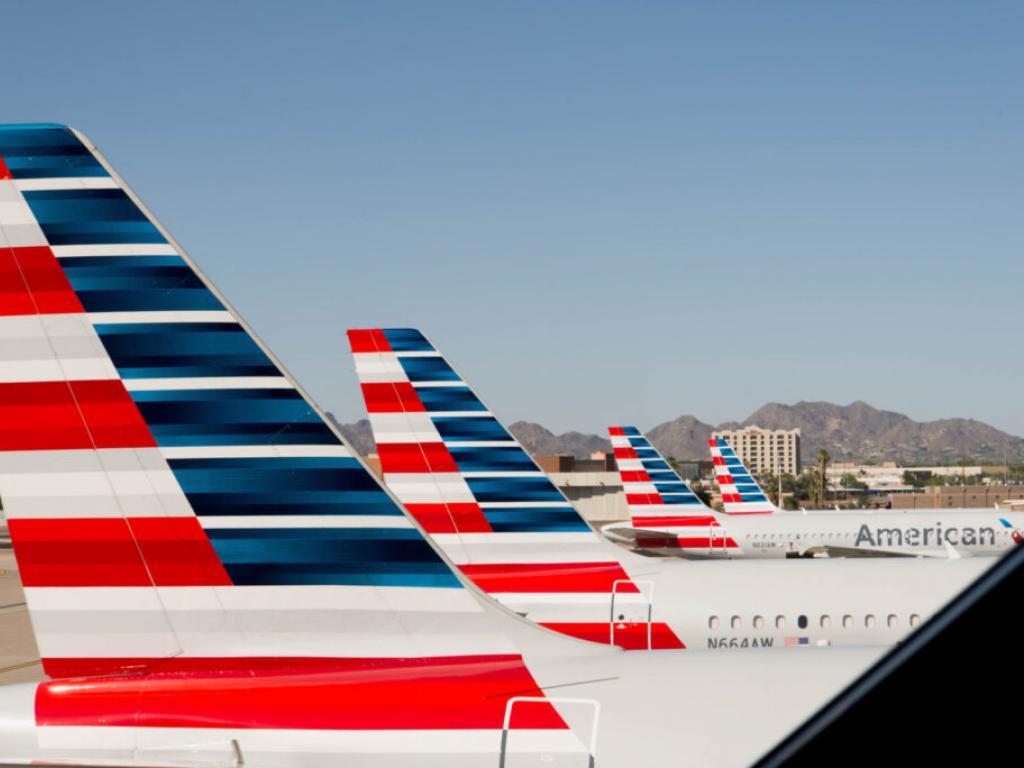
Infinium Partners with American Airlines to Advance Sustainable Aviation Fuel
Written by Emily J. Thompson, Senior Investment Analyst
Updated: 2 days ago
0mins
Should l Buy AAL?
Source: Newsfilter
- Project Selection: Infinium's Atlas project has been selected by SABA to supply sustainable aviation fuel (SAF) certificates, marking a significant advancement in the deployment of high-integrity fuel pathways, which is expected to greatly enhance the sustainability of future aviation fuels.
- Production Capacity: The Atlas project plans to produce approximately 100,000 metric tons of eSAF annually, targeting a 95% reduction in carbon intensity, which will provide airlines with more environmentally friendly fuel options while supporting global emission reduction goals.
- Collaborative Model: American Airlines will serve as the end-user, managing the logistics of eSAF, ensuring the effectiveness of SAF certificates, further solidifying its leadership position in the SAF market and accelerating the commercialization of new technologies.
- Market Demand: SABA's procurement strategy aims to leverage corporate demand for SAF certificates to drive the establishment of new production facilities, with initial production expected by 2029, reflecting strong corporate interest and investment willingness in sustainable aviation fuel.
Trade with 70% Backtested Accuracy
Stop guessing "Should I Buy AAL?" and start using high-conviction signals backed by rigorous historical data.
Sign up today to access powerful investing tools and make smarter, data-driven decisions.
Analyst Views on AAL
Wall Street analysts forecast AAL stock price to rise
15 Analyst Rating
7 Buy
7 Hold
1 Sell
Moderate Buy
Current: 11.370

Low
11.00
Averages
17.93
High
22.00
Current: 11.370
Low
11.00
Averages
17.93
High
22.00
About AAL
American Airlines Group Inc. is a holding company. Its primary business activity is the operation of a major network air carrier, providing scheduled air transportation for passengers and cargo through its hubs in Charlotte, Chicago, Dallas/Fort Worth, Los Angeles, Miami, New York, Philadelphia, Phoenix and Washington, D.C. and partner gateways, including in London, Doha, Madrid, Seattle/Tacoma, Sydney and Tokyo, among others. Together with its regional airline subsidiaries and third-party regional carriers operating as American Eagle. Its cargo division provides a wide range of freight and mail services, with facilities and interline connections available across the globe. It operates approximately 977 mainline aircraft supported by its regional airline subsidiaries and third-party regional carriers, which together operate an additional 585 regional aircraft. Its subsidiaries include American Airlines, Inc., Envoy Aviation Group Inc., PSA Airlines, Inc. and Piedmont Airlines, Inc.
About the author

Emily J. Thompson
Emily J. Thompson, a Chartered Financial Analyst (CFA) with 12 years in investment research, graduated with honors from the Wharton School. Specializing in industrial and technology stocks, she provides in-depth analysis for Intellectia’s earnings and market brief reports.
American Airlines Group Q1 2026 Financial Results Conference Call Announcement
- Conference Call Announcement: American Airlines Group will host a conference call on April 23, 2026, at 7:30 a.m. CT to discuss its Q1 financial results, providing a live audio feed for investors to access the latest financial information.
- Investor Relations Access: The audio webcast will be available on the company's investor relations website, ensuring all investors can conveniently listen and obtain relevant financial data, thereby enhancing transparency.
- Company Overview: Founded in 1926, American Airlines has grown to become the world's largest airline, operating over 6,000 daily flights to more than 350 destinations and serving over 200 million customers annually, showcasing its significant influence in the global aviation market.
- Centennial Celebration: The year 2026 marks the centennial of American Airlines, highlighting its innovative history, including the introduction of the first scheduled air cargo service and the first airport lounge, reflecting its ongoing commitment to enhancing customer experience.
See More
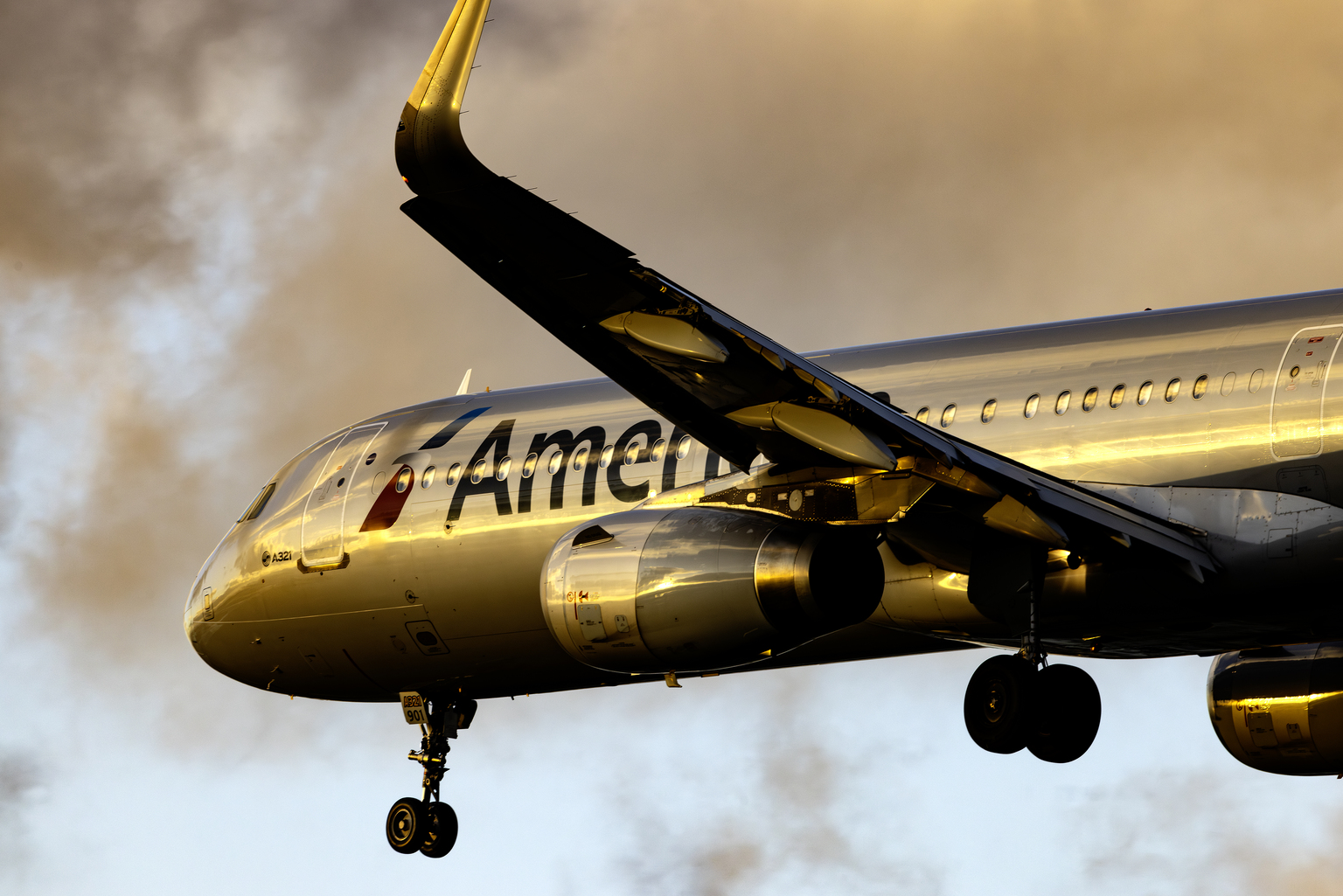
American Airlines Raises Baggage Fees to Offset Rising Fuel Costs
- Baggage Fee Increase: American Airlines has raised the checked baggage fee by $10 to $50 for domestic and short-haul international flights, aiming to offset rising jet fuel costs, which is expected to have a direct impact on the company's revenue.
- Multiple Bag Charges: The fee for a second bag is now $60, while a third bag costs $200, indicating the company's struggle with profitability in a high fuel cost environment, which may influence consumer travel decisions.
- Online Prepayment Discount: Travelers who prepay for their first and second bags online or via the mobile app will receive a $5 discount, aimed at encouraging early payments to improve cash flow and enhance customer experience.
- Industry Trend: As escalating tensions in the Middle East have driven up oil prices, other airlines like United, JetBlue, and Delta have also increased baggage fees, reflecting the widespread cost pressures and intensifying competition within the airline industry.
See More
Fragile U.S.-Iran Ceasefire Tested Amid Oil Price Volatility


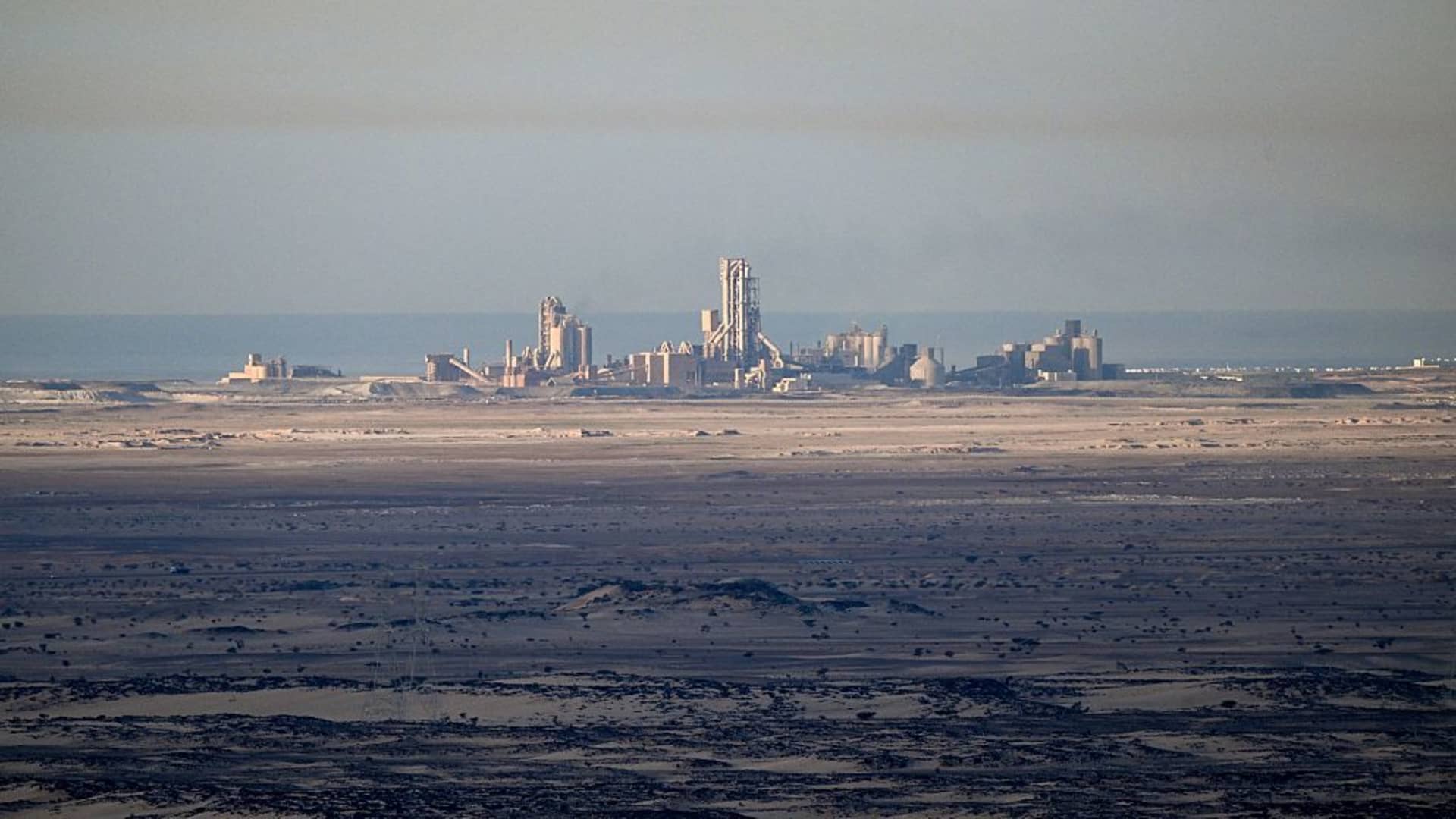
- Oil Price Fluctuations: Iran's attack on Saudi Arabia's Red Sea pipeline has cut throughput by 700,000 barrels per day, causing oil prices to hover below $100 per barrel, which exacerbates uncertainty in global markets.
- Ceasefire Negotiations Tension: U.S. and Iranian negotiators are set to meet in Pakistan, and despite heated rhetoric, there remains a willingness to maintain the ceasefire, which could impact future energy supply and price stability.
- Global Economic Impact: China's factory-gate prices have risen for the first time in over three years, indicating the war's disruption of global energy markets, potentially leading to increased inflationary pressures for the Federal Reserve.
- Political Landscape Attention: The British Prime Minister expressed frustration over energy price volatility, highlighting the influence of international politics on domestic economies, which underscores the far-reaching effects of global political dynamics on markets.
See More

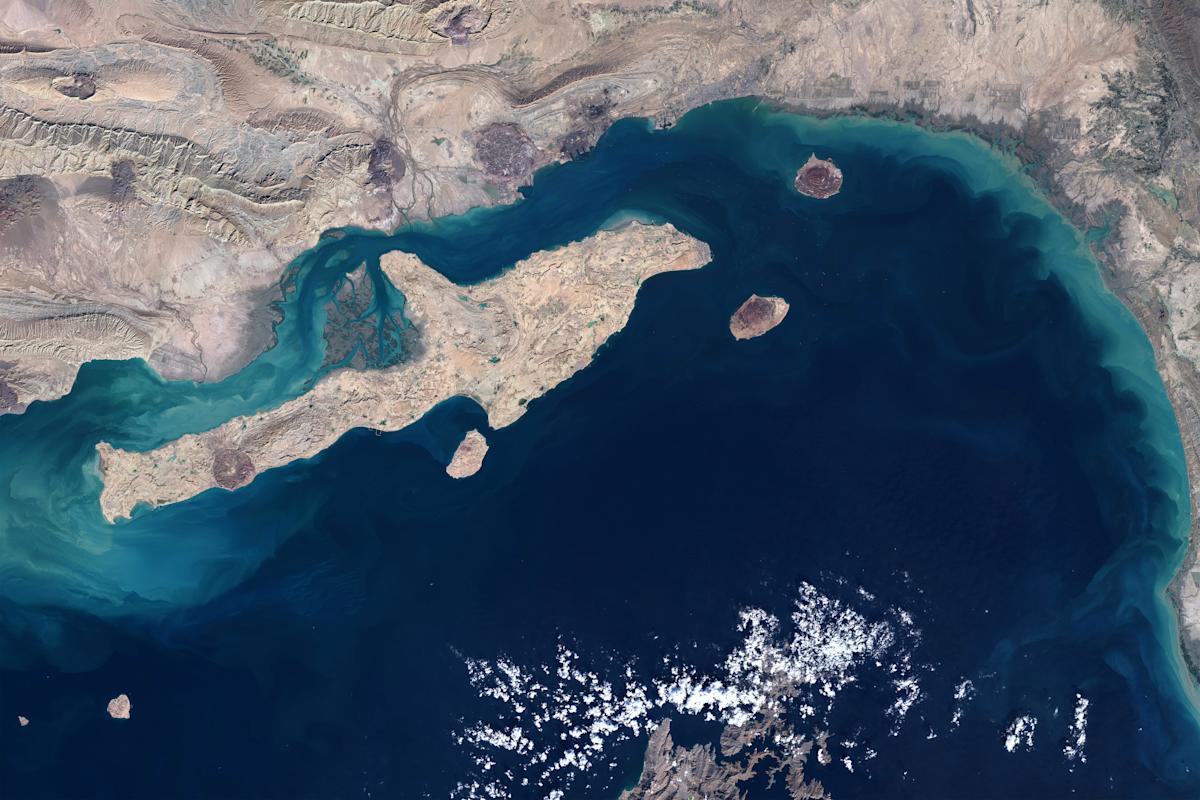
Closure of Strait of Hormuz Triggers Global Energy Crisis
- Market Reaction: Oil prices surged above $100 per barrel due to the closure of the Strait of Hormuz, reflecting market concerns over tight energy supplies that could lead to a global economic slowdown.
- Transport Restrictions: The CEO of Abu Dhabi National Oil Co. confirmed that the Strait of Hormuz is not open to shipping, with traffic being restricted, which will further exacerbate international oil price volatility and impact the global energy supply chain.
- Geopolitical Tensions: Iran's plan to charge shipping companies cryptocurrency tolls for passage through the Strait could provoke strong international backlash, increasing the risk of regional conflict.
- Emergency Measures Escalate: Japan is reportedly considering releasing about 20 days' worth of oil reserves as early as May to address the global supply crisis, demonstrating the urgency and strategic responses of governments facing energy shortages.
See More

Stock Price Movements of Various Companies


- Revenue Miss: Simply Good Foods' stock fell 19% after its fiscal second-quarter revenue and adjusted EBITDA significantly missed Wall Street consensus, indicating investor concerns about future growth and potentially impacting market confidence.
- Acquisition Potential: Brown-Forman's shares surged 12% following reports that Sazerac is approaching the company for a potential deal, reflecting market optimism regarding its merger prospects, which could enhance long-term value.
- Tech Stocks Under Pressure: Software stocks declined for the second consecutive day, with the iShares Expanded Tech-Software Sector ETF dropping nearly 4%, highlighting investor concerns over AI-related risks that may weaken confidence in tech equities.
- Strong Earnings Guidance: Staar Surgical's stock jumped about 27% after guiding for first-quarter revenue exceeding $90 million, well above the $67.6 million expected by analysts, showcasing the company's robust performance and growth potential in the market.
See More
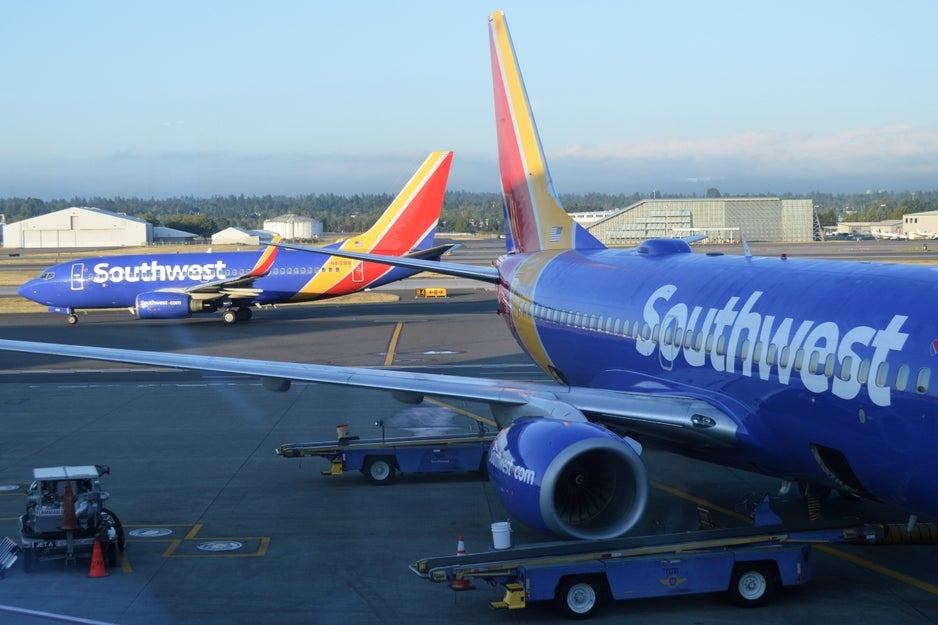
AMERICAN AIRLINES SET TO LAUNCH U.S. FLIGHTS TO VENEZUELA STARTING APRIL 30, SAYS AIRLINE
- American Airlines Announcement: American Airlines plans to begin U.S. flights to Venezuela.
- Start Date: The flights are set to commence on April 30.
See More
American Airlines Group Q1 2026 Financial Results Conference Call Announcement
- Conference Call Announcement: American Airlines Group will host a conference call on April 23, 2026, at 7:30 a.m. CT to discuss its Q1 financial results, providing a live audio feed for investors to access the latest financial information.
- Investor Relations Access: The audio webcast will be available on the company's investor relations website, ensuring all investors can conveniently listen and obtain relevant financial data, thereby enhancing transparency.
- Company Overview: Founded in 1926, American Airlines has grown to become the world's largest airline, operating over 6,000 daily flights to more than 350 destinations and serving over 200 million customers annually, showcasing its significant influence in the global aviation market.
- Centennial Celebration: The year 2026 marks the centennial of American Airlines, highlighting its innovative history, including the introduction of the first scheduled air cargo service and the first airport lounge, reflecting its ongoing commitment to enhancing customer experience.
See More
American Airlines Raises Baggage Fees to Offset Rising Fuel Costs
- Baggage Fee Increase: American Airlines has raised the checked baggage fee by $10 to $50 for domestic and short-haul international flights, aiming to offset rising jet fuel costs, which is expected to have a direct impact on the company's revenue.
- Multiple Bag Charges: The fee for a second bag is now $60, while a third bag costs $200, indicating the company's struggle with profitability in a high fuel cost environment, which may influence consumer travel decisions.
- Online Prepayment Discount: Travelers who prepay for their first and second bags online or via the mobile app will receive a $5 discount, aimed at encouraging early payments to improve cash flow and enhance customer experience.
- Industry Trend: As escalating tensions in the Middle East have driven up oil prices, other airlines like United, JetBlue, and Delta have also increased baggage fees, reflecting the widespread cost pressures and intensifying competition within the airline industry.
See More
Fragile U.S.-Iran Ceasefire Tested Amid Oil Price Volatility
- Oil Price Fluctuations: Iran's attack on Saudi Arabia's Red Sea pipeline has cut throughput by 700,000 barrels per day, causing oil prices to hover below $100 per barrel, which exacerbates uncertainty in global markets.
- Ceasefire Negotiations Tension: U.S. and Iranian negotiators are set to meet in Pakistan, and despite heated rhetoric, there remains a willingness to maintain the ceasefire, which could impact future energy supply and price stability.
- Global Economic Impact: China's factory-gate prices have risen for the first time in over three years, indicating the war's disruption of global energy markets, potentially leading to increased inflationary pressures for the Federal Reserve.
- Political Landscape Attention: The British Prime Minister expressed frustration over energy price volatility, highlighting the influence of international politics on domestic economies, which underscores the far-reaching effects of global political dynamics on markets.
See More
Closure of Strait of Hormuz Triggers Global Energy Crisis
- Market Reaction: Oil prices surged above $100 per barrel due to the closure of the Strait of Hormuz, reflecting market concerns over tight energy supplies that could lead to a global economic slowdown.
- Transport Restrictions: The CEO of Abu Dhabi National Oil Co. confirmed that the Strait of Hormuz is not open to shipping, with traffic being restricted, which will further exacerbate international oil price volatility and impact the global energy supply chain.
- Geopolitical Tensions: Iran's plan to charge shipping companies cryptocurrency tolls for passage through the Strait could provoke strong international backlash, increasing the risk of regional conflict.
- Emergency Measures Escalate: Japan is reportedly considering releasing about 20 days' worth of oil reserves as early as May to address the global supply crisis, demonstrating the urgency and strategic responses of governments facing energy shortages.
See More
Stock Price Movements of Various Companies
- Revenue Miss: Simply Good Foods' stock fell 19% after its fiscal second-quarter revenue and adjusted EBITDA significantly missed Wall Street consensus, indicating investor concerns about future growth and potentially impacting market confidence.
- Acquisition Potential: Brown-Forman's shares surged 12% following reports that Sazerac is approaching the company for a potential deal, reflecting market optimism regarding its merger prospects, which could enhance long-term value.
- Tech Stocks Under Pressure: Software stocks declined for the second consecutive day, with the iShares Expanded Tech-Software Sector ETF dropping nearly 4%, highlighting investor concerns over AI-related risks that may weaken confidence in tech equities.
- Strong Earnings Guidance: Staar Surgical's stock jumped about 27% after guiding for first-quarter revenue exceeding $90 million, well above the $67.6 million expected by analysts, showcasing the company's robust performance and growth potential in the market.
See More
AMERICAN AIRLINES SET TO LAUNCH U.S. FLIGHTS TO VENEZUELA STARTING APRIL 30, SAYS AIRLINE
- American Airlines Announcement: American Airlines plans to begin U.S. flights to Venezuela.
- Start Date: The flights are set to commence on April 30.
See More