Indian Businesses Visit China to Strengthen Cooperation
Written by Emily J. Thompson, Senior Investment Analyst
Updated: 2 days ago
0mins

Should l Buy CAAS?
Source: CNBC
- First Delegation Visit: For the first time in over five years, an Indian business delegation visited China, meeting with eight Chinese firms from Shanghai, Zhejiang, and Wuxi, highlighting potential collaborations in electric vehicle charging and renewable energy sectors.
- Energy Security Focus: As the world's third-largest oil importer, India faces energy supply risks from Middle Eastern conflicts, prompting companies to seek technological partnerships with China to enhance EV charging infrastructure, aiming for electric vehicles to constitute 30% of total sales by 2030.
- Investment Policy Easing: The Indian government has recently relaxed restrictions on Chinese investments, marking a gradual improvement in bilateral relations, although this progress remains cautious and incremental, reflecting mutual interest in technology transfer and joint ventures.
- Complementary Market Potential: With China's strengths in rare earth elements and battery technology, India recognizes that commercial engagement with China is crucial for competitiveness in emerging tech sectors, establishing a foundation for future collaboration based on market complementarity.
Trade with 70% Backtested Accuracy
Stop guessing "Should I Buy CAAS?" and start using high-conviction signals backed by rigorous historical data.
Sign up today to access powerful investing tools and make smarter, data-driven decisions.
Analyst Views on CAAS
About CAAS
China Automotive Systems Inc is a holding company principally engaged in the manufacture and sale of automotive systems and components. The Company’s main products include rack and pinion power steering, integral power steering, electronic power steering and manual steering, steering columns, steering oil pumps and steering hoses. The Company's major customers include FAW Group, Dongfeng Auto Group Co., Ltd, BYD Auto Co., Ltd, as well as Stellar Group and Ford Motor Company in North America. The Company primarily operates its businesses in the domestic and overseas markets.
About the author

Emily J. Thompson
Emily J. Thompson, a Chartered Financial Analyst (CFA) with 12 years in investment research, graduated with honors from the Wharton School. Specializing in industrial and technology stocks, she provides in-depth analysis for Intellectia’s earnings and market brief reports.

Indian Textile Industry Faces New Challenges Amid Iran War


- Export Decline: India's textile exports from April 2025 to February 2026 totaled $29.5 billion, a slight drop from $29.8 billion the previous year, indicating the fragility of recovery in an industry aiming for $100 billion in exports by 2030.
- Rising Costs: The Iran war has driven raw material and packaging costs up, with polyester prices increasing over 40% since the conflict began, complicating companies' ability to pass costs onto customers and impacting production and profitability.
- Weak Demand: Although tariff relief from the U.S. provided temporary respite, industry leaders warn that a prolonged war could dampen U.S. consumer demand, leading to declining sales and rising inventories, posing significant challenges for retailers.
- Production Cuts: Companies like Filatex have already reduced production by 25% and are awaiting demand recovery, with widespread concerns that failure to pass on costs could lead to larger-scale production cuts, further affecting employment and economic growth.
See More
Temporary US-Iran Ceasefire Sparks Market Relief Amid Trust Issues

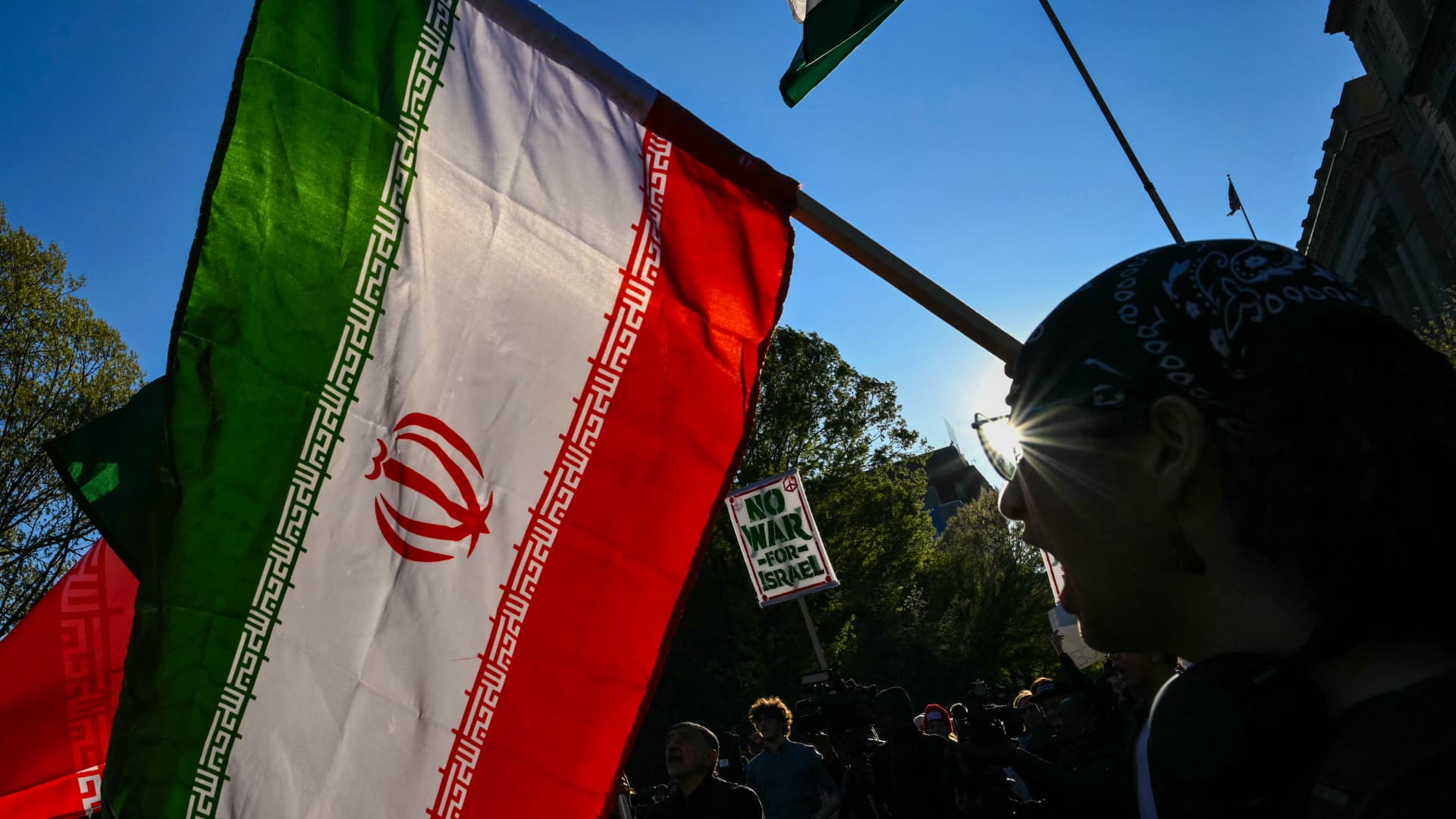
- Ceasefire Agreement: A two-week ceasefire between the US and Iran, facilitated by Pakistan's diplomatic efforts, has been established, temporarily easing tensions, although experts warn that a lack of trust could complicate future peace negotiations.
- Oil Price Fluctuations: Following the ceasefire announcement, oil prices fell below $100 per barrel, remaining above pre-war levels of around $70, which could impact global economic recovery and energy market stability.
- Military Activity Suspension: Iran has stated it will cease defensive military operations if attacks against it stop; however, missile launches continued after the ceasefire took effect, indicating uncertainty in compliance from both sides.
- Positive Market Reaction: The ceasefire sparked a market rally, with investors increasingly optimistic about de-escalation, although analysts caution that the market must remain vigilant regarding the durability of the ceasefire, especially with energy and commodity prices still elevated.
See More
Indian Businesses Visit China to Strengthen Cooperation


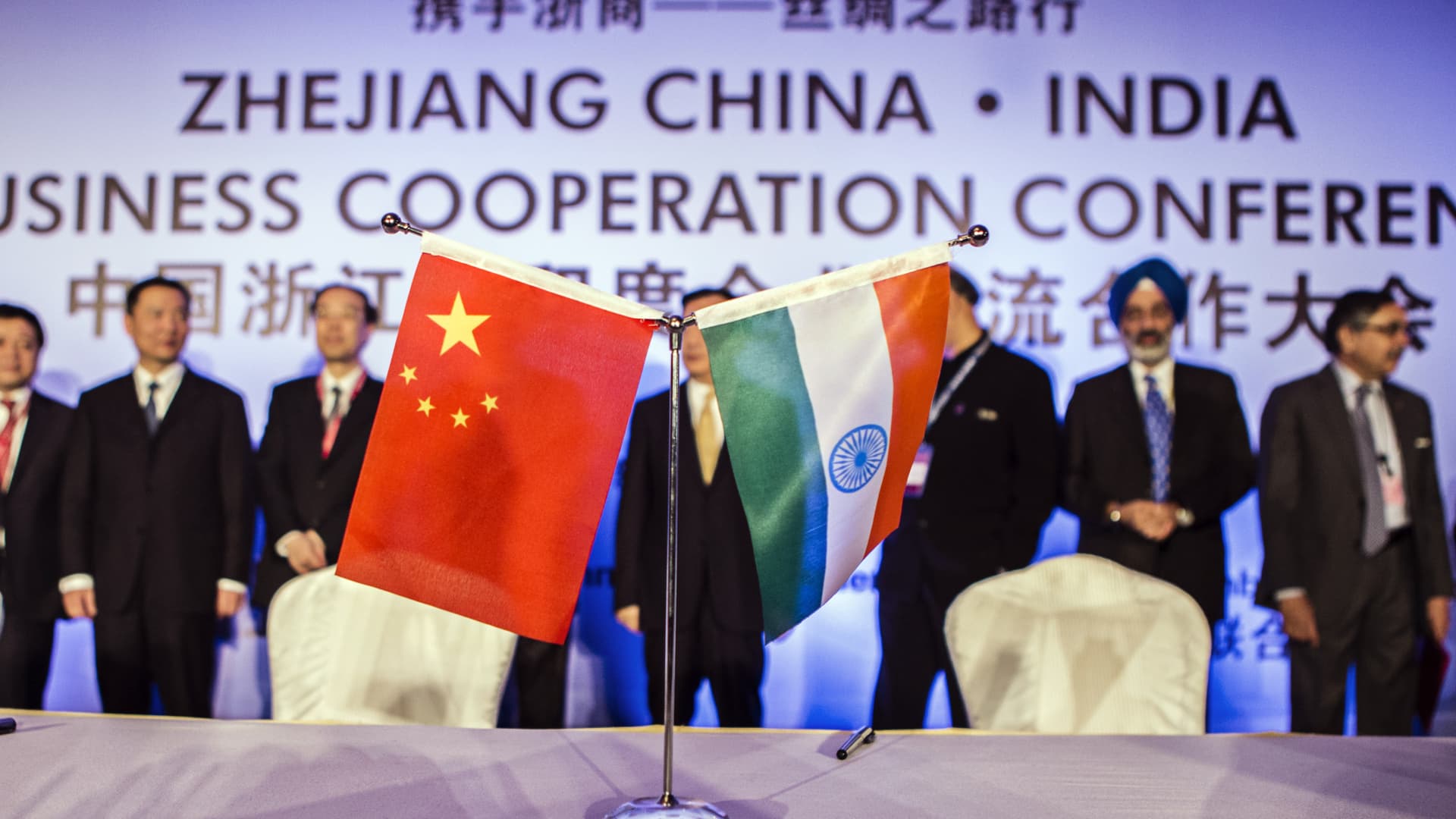
- First Delegation Visit: For the first time in over five years, an Indian business delegation visited China, meeting with eight Chinese firms from Shanghai, Zhejiang, and Wuxi, highlighting potential collaborations in electric vehicle charging and renewable energy sectors.
- Energy Security Focus: As the world's third-largest oil importer, India faces energy supply risks from Middle Eastern conflicts, prompting companies to seek technological partnerships with China to enhance EV charging infrastructure, aiming for electric vehicles to constitute 30% of total sales by 2030.
- Investment Policy Easing: The Indian government has recently relaxed restrictions on Chinese investments, marking a gradual improvement in bilateral relations, although this progress remains cautious and incremental, reflecting mutual interest in technology transfer and joint ventures.
- Complementary Market Potential: With China's strengths in rare earth elements and battery technology, India recognizes that commercial engagement with China is crucial for competitiveness in emerging tech sectors, establishing a foundation for future collaboration based on market complementarity.
See More

China's AI Job Market Remains Relatively Stable Amid U.S. Layoffs

- Job Market Status: While U.S. tech giants like Oracle undergo massive layoffs, China's AI job market remains relatively stable, supported by a national employment goal of around 5.5% urban unemployment, which limits local companies' layoffs.
- Salary Disparities: According to Zhilian, the average monthly salary for high-demand algorithm engineers is 20,035 yuan (about $2,900), which, while decent in China, is nearly ten times less than salaries in Silicon Valley, highlighting significant wage differences between the two markets.
- Cultural and Work Practices: Unlike the U.S. trend towards remote work, Chinese companies prefer in-office attendance, and engineers in China often handle a broader range of tasks, making them less susceptible to AI replacement, reflecting structural differences in the job markets.
- AI Impact and Policy: Despite Alibaba reporting a headcount drop of over 30% due to business adjustments, Tencent's employee count increased last year, indicating varied responses among Chinese firms to AI transitions, while policymakers must balance technological innovation support with youth unemployment control.
See More
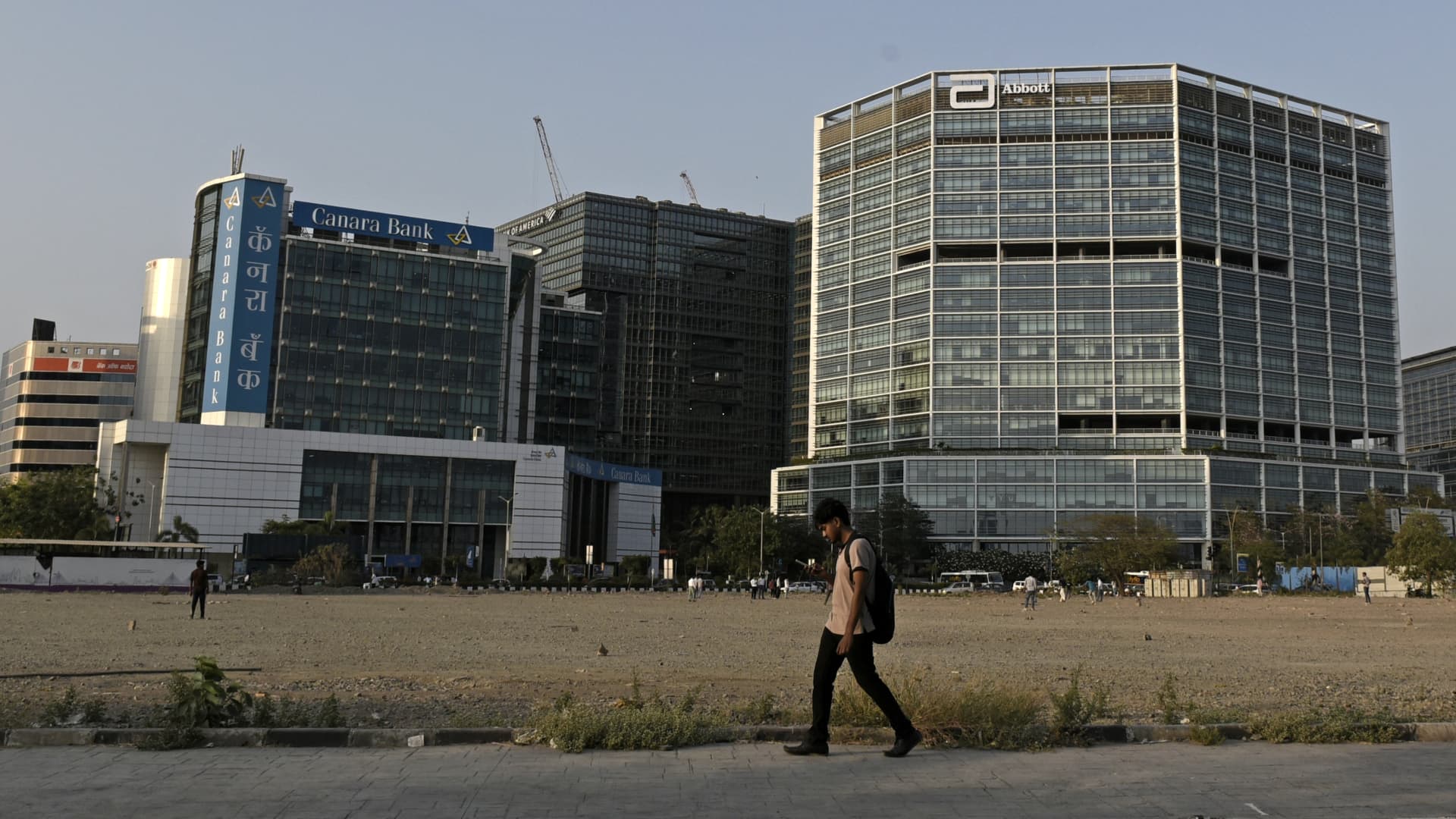
Indian Markets Rattle Amid Iran War Turmoil
- Foreign Capital Exodus: Amid the turmoil of the Iran war, Indian markets experienced a record foreign investor sell-off exceeding $12 billion in March, resulting in a more than 10% drop in the Nifty 50 index, highlighting significant concerns over future economic growth prospects.
- Diminished Growth Outlook: India's Chief Economic Advisor V. Anantha Nageswaran warned that rising energy costs and supply chain disruptions pose considerable downside risks to the forecasted 7.0%-7.4% growth for FY 2027, with expectations of a significant widening of the trade deficit exacerbating fiscal pressures.
- Government Intervention: In response to economic strains, the Indian government implemented two key measures, including limiting banks' currency-hedging positions and cutting excise duties on petrol and diesel by 10 rupees per liter, which will significantly impact tax revenues and potentially hinder government spending capabilities.
- Weak Job Market: While India's consumption narrative continues to attract foreign investment, the lack of white-collar job creation undermines this story, with reports indicating that only a small percentage of graduates secure stable employment within a year of graduation, posing a long-term challenge to economic growth.
See More
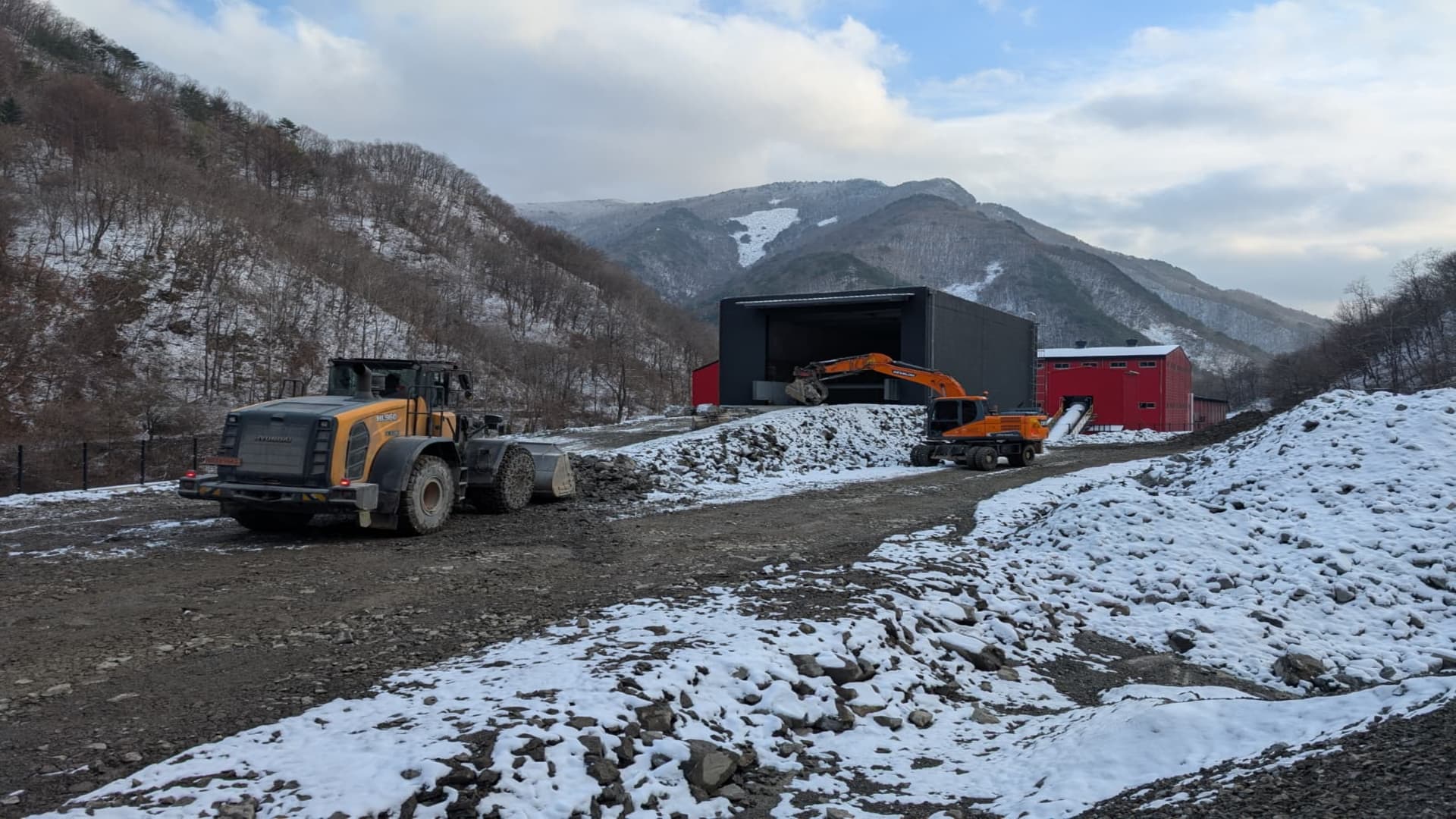
Iran War Intensifies Global Shortages of Tungsten and Other Commodities

- Tungsten Price Surge: Tungsten prices exceeded $3,000 last week, marking over a 50% increase for the month, indicating strong demand in the defense sector despite significant inventory shortages due to the Iran war.
- Rising Sulfuric Acid Prices: Sulfuric acid prices in Africa have risen at least 30% since the onset of the war, while China's sulfur prices increased by approximately 13% from early March, reflecting ongoing demand pressures that could lead to severe supply shocks.
- Helium Supply Tightness: Helium prices have roughly doubled since the Iran war began, particularly after missile attacks on a key industrial center in Qatar, complicating the restoration of global helium supplies and exacerbating market tightness.
- Global Commodity Market Turmoil: The supply chain disruptions caused by the Iran war present new challenges for global markets, prompting companies to diversify their supply sources while China ramps up stockpiling plans, highlighting concerns over future supply uncertainties.
See More
Indian Textile Industry Faces New Challenges Amid Iran War
- Export Decline: India's textile exports from April 2025 to February 2026 totaled $29.5 billion, a slight drop from $29.8 billion the previous year, indicating the fragility of recovery in an industry aiming for $100 billion in exports by 2030.
- Rising Costs: The Iran war has driven raw material and packaging costs up, with polyester prices increasing over 40% since the conflict began, complicating companies' ability to pass costs onto customers and impacting production and profitability.
- Weak Demand: Although tariff relief from the U.S. provided temporary respite, industry leaders warn that a prolonged war could dampen U.S. consumer demand, leading to declining sales and rising inventories, posing significant challenges for retailers.
- Production Cuts: Companies like Filatex have already reduced production by 25% and are awaiting demand recovery, with widespread concerns that failure to pass on costs could lead to larger-scale production cuts, further affecting employment and economic growth.
See More
Temporary US-Iran Ceasefire Sparks Market Relief Amid Trust Issues
- Ceasefire Agreement: A two-week ceasefire between the US and Iran, facilitated by Pakistan's diplomatic efforts, has been established, temporarily easing tensions, although experts warn that a lack of trust could complicate future peace negotiations.
- Oil Price Fluctuations: Following the ceasefire announcement, oil prices fell below $100 per barrel, remaining above pre-war levels of around $70, which could impact global economic recovery and energy market stability.
- Military Activity Suspension: Iran has stated it will cease defensive military operations if attacks against it stop; however, missile launches continued after the ceasefire took effect, indicating uncertainty in compliance from both sides.
- Positive Market Reaction: The ceasefire sparked a market rally, with investors increasingly optimistic about de-escalation, although analysts caution that the market must remain vigilant regarding the durability of the ceasefire, especially with energy and commodity prices still elevated.
See More
Indian Businesses Visit China to Strengthen Cooperation
- First Delegation Visit: For the first time in over five years, an Indian business delegation visited China, meeting with eight Chinese firms from Shanghai, Zhejiang, and Wuxi, highlighting potential collaborations in electric vehicle charging and renewable energy sectors.
- Energy Security Focus: As the world's third-largest oil importer, India faces energy supply risks from Middle Eastern conflicts, prompting companies to seek technological partnerships with China to enhance EV charging infrastructure, aiming for electric vehicles to constitute 30% of total sales by 2030.
- Investment Policy Easing: The Indian government has recently relaxed restrictions on Chinese investments, marking a gradual improvement in bilateral relations, although this progress remains cautious and incremental, reflecting mutual interest in technology transfer and joint ventures.
- Complementary Market Potential: With China's strengths in rare earth elements and battery technology, India recognizes that commercial engagement with China is crucial for competitiveness in emerging tech sectors, establishing a foundation for future collaboration based on market complementarity.
See More
China's AI Job Market Remains Relatively Stable Amid U.S. Layoffs
- Job Market Status: While U.S. tech giants like Oracle undergo massive layoffs, China's AI job market remains relatively stable, supported by a national employment goal of around 5.5% urban unemployment, which limits local companies' layoffs.
- Salary Disparities: According to Zhilian, the average monthly salary for high-demand algorithm engineers is 20,035 yuan (about $2,900), which, while decent in China, is nearly ten times less than salaries in Silicon Valley, highlighting significant wage differences between the two markets.
- Cultural and Work Practices: Unlike the U.S. trend towards remote work, Chinese companies prefer in-office attendance, and engineers in China often handle a broader range of tasks, making them less susceptible to AI replacement, reflecting structural differences in the job markets.
- AI Impact and Policy: Despite Alibaba reporting a headcount drop of over 30% due to business adjustments, Tencent's employee count increased last year, indicating varied responses among Chinese firms to AI transitions, while policymakers must balance technological innovation support with youth unemployment control.
See More
Indian Markets Rattle Amid Iran War Turmoil
- Foreign Capital Exodus: Amid the turmoil of the Iran war, Indian markets experienced a record foreign investor sell-off exceeding $12 billion in March, resulting in a more than 10% drop in the Nifty 50 index, highlighting significant concerns over future economic growth prospects.
- Diminished Growth Outlook: India's Chief Economic Advisor V. Anantha Nageswaran warned that rising energy costs and supply chain disruptions pose considerable downside risks to the forecasted 7.0%-7.4% growth for FY 2027, with expectations of a significant widening of the trade deficit exacerbating fiscal pressures.
- Government Intervention: In response to economic strains, the Indian government implemented two key measures, including limiting banks' currency-hedging positions and cutting excise duties on petrol and diesel by 10 rupees per liter, which will significantly impact tax revenues and potentially hinder government spending capabilities.
- Weak Job Market: While India's consumption narrative continues to attract foreign investment, the lack of white-collar job creation undermines this story, with reports indicating that only a small percentage of graduates secure stable employment within a year of graduation, posing a long-term challenge to economic growth.
See More
Iran War Intensifies Global Shortages of Tungsten and Other Commodities
- Tungsten Price Surge: Tungsten prices exceeded $3,000 last week, marking over a 50% increase for the month, indicating strong demand in the defense sector despite significant inventory shortages due to the Iran war.
- Rising Sulfuric Acid Prices: Sulfuric acid prices in Africa have risen at least 30% since the onset of the war, while China's sulfur prices increased by approximately 13% from early March, reflecting ongoing demand pressures that could lead to severe supply shocks.
- Helium Supply Tightness: Helium prices have roughly doubled since the Iran war began, particularly after missile attacks on a key industrial center in Qatar, complicating the restoration of global helium supplies and exacerbating market tightness.
- Global Commodity Market Turmoil: The supply chain disruptions caused by the Iran war present new challenges for global markets, prompting companies to diversify their supply sources while China ramps up stockpiling plans, highlighting concerns over future supply uncertainties.
See More