Impact of Iran Conflict on Global Auto Demand
Written by Emily J. Thompson, Senior Investment Analyst
Updated: Mar 18 2026
0mins

Source: NASDAQ.COM
- Middle East Impact: Chinese automakers, with significant market presence in the Middle East, will face direct sales impacts due to the Iran conflict, particularly in supply chain and inventory distribution, leading to increased investor scrutiny on these companies.
- Rising Oil Price Pressure: With about one-fifth of the world's oil supply passing through the Strait of Hormuz, Iranian officials have indicated restrictions on shipping, which will likely lead to higher gasoline prices in the short term, pushing consumers towards EVs and hybrids, thus affecting traditional auto sales.
- Consumer Behavior Shift: Although rising oil prices may prompt consumers to consider EVs, the high price of new vehicles, averaging $50,000, makes consumers more cautious in their purchasing decisions, likely leading to adjustments in spending habits rather than immediate purchases in the short term.
- Delayed Market Response: While some analysts predict a quick boost to the EV market due to the Iran conflict, historical data suggests that only sustained high oil prices will significantly alter consumer purchasing decisions, indicating limited growth in EV sales in the near term.
Trade with 70% Backtested Accuracy
Stop guessing "Should I Buy F?" and start using high-conviction signals backed by rigorous historical data.
Sign up today to access powerful investing tools and make smarter, data-driven decisions.
Analyst Views on F
Wall Street analysts forecast F stock price to rise
14 Analyst Rating
3 Buy
10 Hold
1 Sell
Hold
Current: 11.540

Low
11.00
Averages
13.65
High
16.00
Current: 11.540
Low
11.00
Averages
13.65
High
16.00
About F
Ford Motor Company is an automobile company. The Company develops and delivers Ford trucks, sport utility vehicles, commercial vans and cars, and Lincoln luxury vehicles, along with connected services. The Company’s segments include Ford Blue, Ford Model e, Ford Pro, and Ford Credit. The Ford Blue segment primarily includes the sale of Ford and Lincoln internal combustion engine (ICE) and hybrid vehicles, service parts, accessories, and digital services for retail customers. The Ford Model e segment primarily includes the sale of its electric vehicles, service parts, accessories, and digital services for retail customers. The Ford Pro segment primarily includes the sale of Ford and Lincoln vehicles, service parts, accessories, and services for commercial, government, and rental customers. The Ford Credit segment consists of the Ford Credit business on a consolidated basis, which is primarily vehicle-related financing and leasing activities. Its vehicle brands are Ford and Lincoln.
About the author

Emily J. Thompson
Emily J. Thompson, a Chartered Financial Analyst (CFA) with 12 years in investment research, graduated with honors from the Wharton School. Specializing in industrial and technology stocks, she provides in-depth analysis for Intellectia’s earnings and market brief reports.

BYD Surpasses Tesla in Market Performance


- Sales Leadership: BYD sold over 2.25 million electric vehicles last year, surpassing Tesla's 1.63 million deliveries, indicating BYD's strong growth momentum in the EV market, despite Tesla's larger market capitalization.
- Intensifying Competition: BYD's sales continue to grow in both China and Europe, having outsold Tesla in Europe since mid-last year, highlighting its increasing competitiveness in the global EV market.
- Profit Pressure: Although BYD's revenue grew by 3.5% to $116 billion, its profits for 2025 fell by 19% year-over-year, reflecting the impact of price wars on profitability and the fierce competition within the industry.
- Future Outlook: Analysts expect BYD to achieve double-digit revenue and earnings growth over the next two years, with plans for international sales of 1.5 million units, showcasing its potential for global market expansion and keen insight into EV demand.
See More

Tesla Faces Competitive Pressure from BYD
- Intensifying Market Competition: BYD has surpassed Tesla in electric vehicle manufacturing and deliveries, selling over 2.25 million EVs last year compared to Tesla's 1.63 million, indicating BYD's strong growth momentum that forces Tesla to implement price cuts to maintain market share.
- Profit Pressure Emerges: Despite BYD's revenue growth of 3.5% to $116 billion, its profits for 2025 have declined by 19% year-over-year, highlighting the impact of fierce price competition on profit margins, which may affect its future investment and expansion capabilities.
- International Market Strategy: BYD plans to establish up to 20 dealership locations in Canada and is considering setting up production facilities, a strategic move that could pave the way for its entry into the U.S. market, further threatening Tesla's position in North America.
- Leading Technological Innovation: BYD not only manufactures electric vehicles but also leads in high-performance lithium batteries, with plans to begin producing solid-state batteries next year, a breakthrough that could address key issues holding back EV sales and enhance its competitive edge.
See More
US Stocks Performance Review and Outlook


- Employment Data Expectations: ADP is set to release employment data at 8:15 a.m. ET, with a consensus estimate of 39,000 new jobs in the private sector, which will provide a crucial indicator of economic health and could influence investor confidence and market trends.
- Retail Sales Growth: Retail sales figures are expected to be released at 8:30 a.m., with a general forecast of a 0.5% increase, a data point that will directly impact consumer spending and the outlook for economic recovery, potentially guiding a market rebound.
- Corporate Earnings Dynamics: Cal-Maine, Conagra, and Lamb Weston are scheduled to report earnings before the bell, with Cal-Maine's stock flat over the past three months, Conagra down 9%, and Lamb Weston showing no significant change, all of which will affect investor sentiment towards the food sector.
- Market Performance Review: In the first quarter, the Russell 2000 index rose by 0.58%, making it the best performer among major indices, while the S&P 500 and Nasdaq 100 fell by 4.63% and 5.98%, respectively, reflecting market volatility and cautious investor sentiment.
See More

Tesla Stock Rises 4.52% Amid Market Rally

- Market Rally Impact: Tesla's stock rose 4.64% to close at $371.75 on Tuesday, driven by a broader market rally and a favorable analyst report, indicating renewed investor confidence in the company's growth prospects.
- Surge in Trading Volume: The trading volume reached 73.4 million shares, nearly 19% above the three-month average of 61.5 million shares, suggesting a significant increase in market interest towards Tesla, potentially signaling a shift in investor sentiment.
- Declining Delivery Expectations: Despite the stock rebound, first-quarter delivery expectations are projected between 365,000 and 366,000, indicating a sequential decline that highlights the disconnect between improving sentiment and weakening short-term demand, which could impact future performance.
- Future Key Indicator: The delivery report on April 2 will be a crucial indicator of whether Tesla's core auto business can stabilize; if demand remains weak, it may pose challenges to the company's autonomy and long-term growth expectations.
See More

Tesla Stock Rises 4.64% Amid Market Rally
- Market Rally Impact: Tesla's stock closed at $371.75 on Tuesday, rising 4.64%, primarily driven by a broader market rally, a favorable analyst report, and increased optimism surrounding AI, robotics, and autonomous driving initiatives.
- Significant Volume Surge: The trading volume for Tesla reached 73.4 million shares, nearly 19% above its three-month average of 61.5 million shares, indicating a notable increase in investor interest in the stock.
- Delivery Expectations vs. Market Sentiment: Despite first-quarter delivery expectations of approximately 365,000 to 366,000 vehicles indicating weak short-term demand, the improved market sentiment and focus on future technologies contrast sharply, potentially supporting Tesla's long-term growth.
- Core Business Stability Test: The rebound in Tesla's stock follows a significant year-to-date decline driven by valuation concerns, increased competition, and leadership uncertainty, with the April 2 delivery report serving as a critical indicator of whether the core auto business can stabilize.
See More
NTSB Calls for Enhanced Oversight of Automated Vehicle Technology
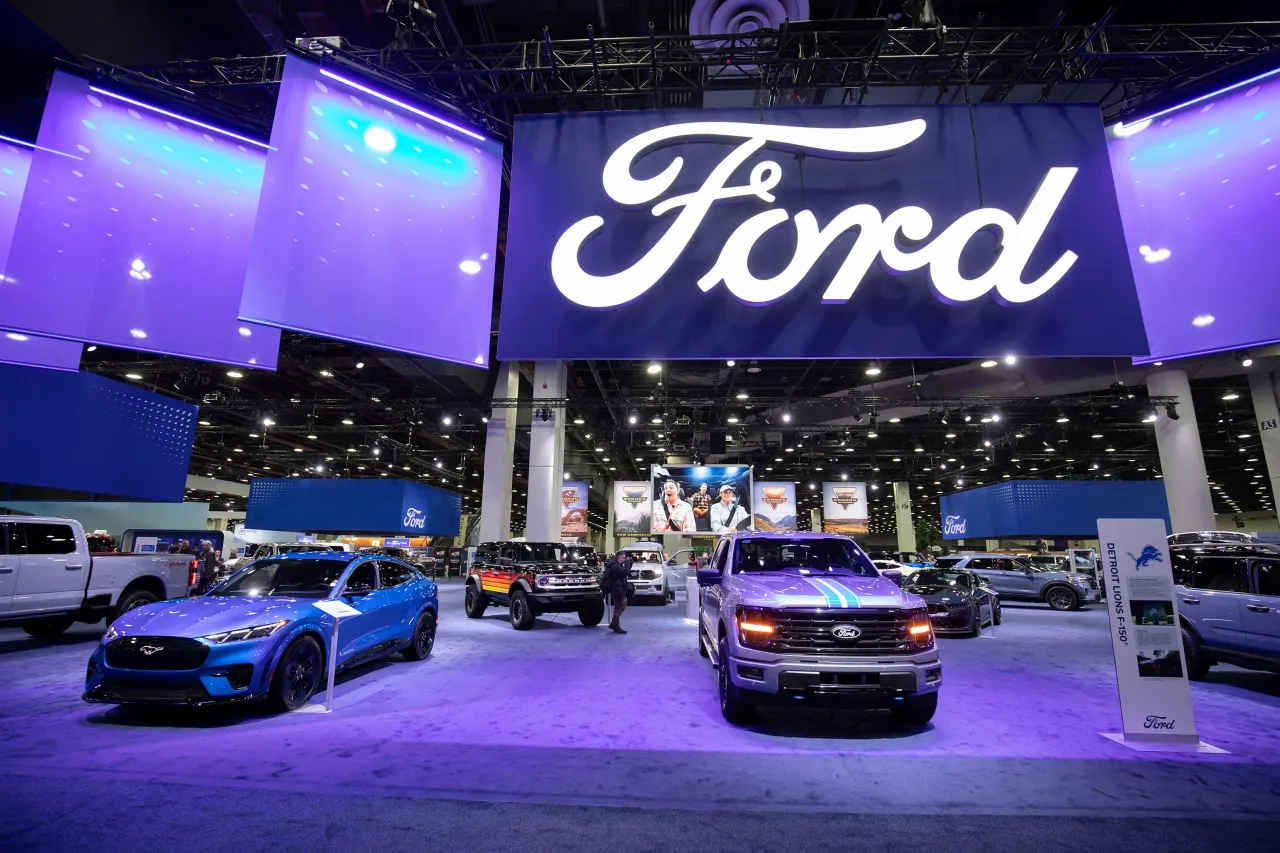
- Investigation Findings: The NTSB investigated two fatal crashes in 2024 involving Ford's BlueCruise partial automation system, concluding that drivers' overreliance on the technology significantly contributed to the accidents, highlighting safety deficiencies in automated driving systems.
- Lack of Safety Standards: The agency pointed out existing gaps in oversight for automated vehicle technology and called for standardized performance requirements to ensure the safety of all road users, emphasizing the urgent need for stronger safety standards.
- Regulatory Responsibility: NTSB Chairwoman Jennifer Homendy stated that manufacturers and federal regulators must ensure that these technologies are designed, monitored, and implemented in ways that protect all road users, stressing that a 'hands-off' approach to hands-free driving is unacceptable.
- Market Reaction: Following the announcement, Ford's shares fell approximately 1% in after-hours trading, reflecting market concerns regarding the safety issues surrounding automated driving technology and its potential impact on the company's future performance.
See More
BYD Surpasses Tesla in Market Performance
- Sales Leadership: BYD sold over 2.25 million electric vehicles last year, surpassing Tesla's 1.63 million deliveries, indicating BYD's strong growth momentum in the EV market, despite Tesla's larger market capitalization.
- Intensifying Competition: BYD's sales continue to grow in both China and Europe, having outsold Tesla in Europe since mid-last year, highlighting its increasing competitiveness in the global EV market.
- Profit Pressure: Although BYD's revenue grew by 3.5% to $116 billion, its profits for 2025 fell by 19% year-over-year, reflecting the impact of price wars on profitability and the fierce competition within the industry.
- Future Outlook: Analysts expect BYD to achieve double-digit revenue and earnings growth over the next two years, with plans for international sales of 1.5 million units, showcasing its potential for global market expansion and keen insight into EV demand.
See More
Tesla Faces Competitive Pressure from BYD
- Intensifying Market Competition: BYD has surpassed Tesla in electric vehicle manufacturing and deliveries, selling over 2.25 million EVs last year compared to Tesla's 1.63 million, indicating BYD's strong growth momentum that forces Tesla to implement price cuts to maintain market share.
- Profit Pressure Emerges: Despite BYD's revenue growth of 3.5% to $116 billion, its profits for 2025 have declined by 19% year-over-year, highlighting the impact of fierce price competition on profit margins, which may affect its future investment and expansion capabilities.
- International Market Strategy: BYD plans to establish up to 20 dealership locations in Canada and is considering setting up production facilities, a strategic move that could pave the way for its entry into the U.S. market, further threatening Tesla's position in North America.
- Leading Technological Innovation: BYD not only manufactures electric vehicles but also leads in high-performance lithium batteries, with plans to begin producing solid-state batteries next year, a breakthrough that could address key issues holding back EV sales and enhance its competitive edge.
See More
US Stocks Performance Review and Outlook
- Employment Data Expectations: ADP is set to release employment data at 8:15 a.m. ET, with a consensus estimate of 39,000 new jobs in the private sector, which will provide a crucial indicator of economic health and could influence investor confidence and market trends.
- Retail Sales Growth: Retail sales figures are expected to be released at 8:30 a.m., with a general forecast of a 0.5% increase, a data point that will directly impact consumer spending and the outlook for economic recovery, potentially guiding a market rebound.
- Corporate Earnings Dynamics: Cal-Maine, Conagra, and Lamb Weston are scheduled to report earnings before the bell, with Cal-Maine's stock flat over the past three months, Conagra down 9%, and Lamb Weston showing no significant change, all of which will affect investor sentiment towards the food sector.
- Market Performance Review: In the first quarter, the Russell 2000 index rose by 0.58%, making it the best performer among major indices, while the S&P 500 and Nasdaq 100 fell by 4.63% and 5.98%, respectively, reflecting market volatility and cautious investor sentiment.
See More
Tesla Stock Rises 4.52% Amid Market Rally
- Market Rally Impact: Tesla's stock rose 4.64% to close at $371.75 on Tuesday, driven by a broader market rally and a favorable analyst report, indicating renewed investor confidence in the company's growth prospects.
- Surge in Trading Volume: The trading volume reached 73.4 million shares, nearly 19% above the three-month average of 61.5 million shares, suggesting a significant increase in market interest towards Tesla, potentially signaling a shift in investor sentiment.
- Declining Delivery Expectations: Despite the stock rebound, first-quarter delivery expectations are projected between 365,000 and 366,000, indicating a sequential decline that highlights the disconnect between improving sentiment and weakening short-term demand, which could impact future performance.
- Future Key Indicator: The delivery report on April 2 will be a crucial indicator of whether Tesla's core auto business can stabilize; if demand remains weak, it may pose challenges to the company's autonomy and long-term growth expectations.
See More
Tesla Stock Rises 4.64% Amid Market Rally
- Market Rally Impact: Tesla's stock closed at $371.75 on Tuesday, rising 4.64%, primarily driven by a broader market rally, a favorable analyst report, and increased optimism surrounding AI, robotics, and autonomous driving initiatives.
- Significant Volume Surge: The trading volume for Tesla reached 73.4 million shares, nearly 19% above its three-month average of 61.5 million shares, indicating a notable increase in investor interest in the stock.
- Delivery Expectations vs. Market Sentiment: Despite first-quarter delivery expectations of approximately 365,000 to 366,000 vehicles indicating weak short-term demand, the improved market sentiment and focus on future technologies contrast sharply, potentially supporting Tesla's long-term growth.
- Core Business Stability Test: The rebound in Tesla's stock follows a significant year-to-date decline driven by valuation concerns, increased competition, and leadership uncertainty, with the April 2 delivery report serving as a critical indicator of whether the core auto business can stabilize.
See More
NTSB Calls for Enhanced Oversight of Automated Vehicle Technology
- Investigation Findings: The NTSB investigated two fatal crashes in 2024 involving Ford's BlueCruise partial automation system, concluding that drivers' overreliance on the technology significantly contributed to the accidents, highlighting safety deficiencies in automated driving systems.
- Lack of Safety Standards: The agency pointed out existing gaps in oversight for automated vehicle technology and called for standardized performance requirements to ensure the safety of all road users, emphasizing the urgent need for stronger safety standards.
- Regulatory Responsibility: NTSB Chairwoman Jennifer Homendy stated that manufacturers and federal regulators must ensure that these technologies are designed, monitored, and implemented in ways that protect all road users, stressing that a 'hands-off' approach to hands-free driving is unacceptable.
- Market Reaction: Following the announcement, Ford's shares fell approximately 1% in after-hours trading, reflecting market concerns regarding the safety issues surrounding automated driving technology and its potential impact on the company's future performance.
See More