Ideal Stocks for Retirees to Consider
Written by Emily J. Thompson, Senior Investment Analyst
Updated: 38 minutes ago
0mins

Source: Fool
- REIT Stability: Realty Income, a leading real estate investment trust, boasts over 1,700 clients with a nearly 99% occupancy rate, ensuring a stable income stream, while its 5.1% dividend yield makes it attractive for risk-averse retirees looking for reliable long-term investments.
- PepsiCo's Resilience: With net income exceeding $8 billion annually for the past four years and a dividend yield of 3.67% significantly above the S&P 500's 1.1%, PepsiCo offers solid stability for retirees, despite its slower growth trajectory.
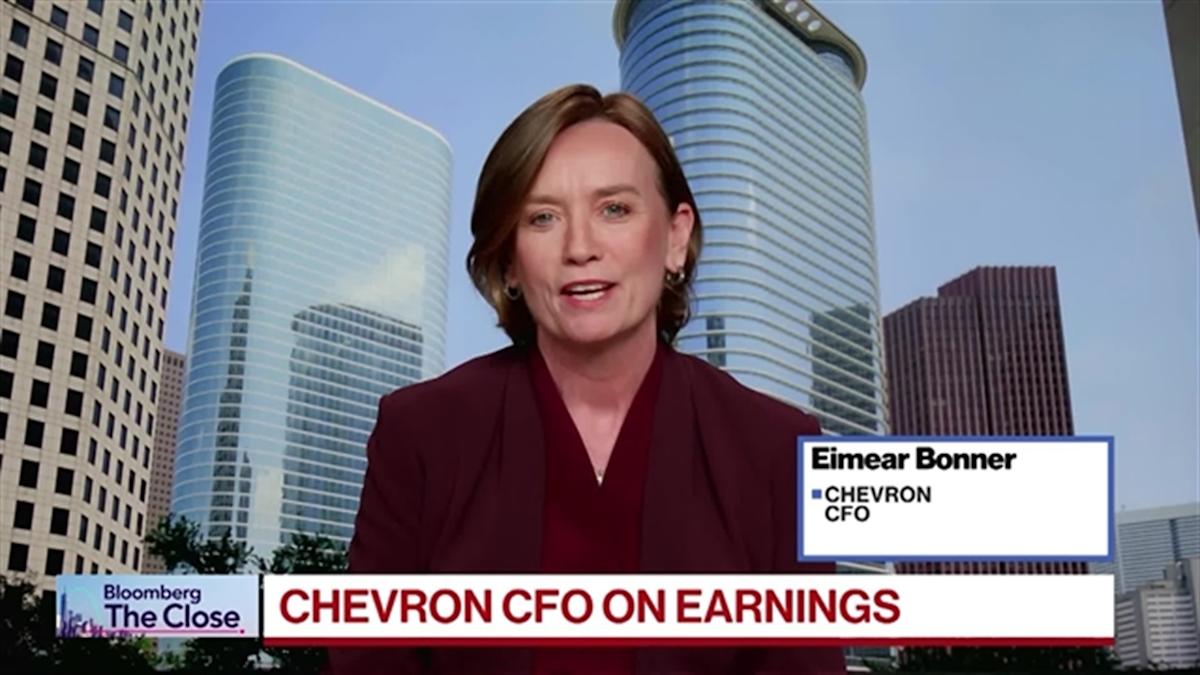
- Chevron's Inflation Hedge: Chevron's stock has surged 26% this year, demonstrating strong performance amid inflation, with a remarkable 53% increase over the past year, and a beta of 0.50 indicates low correlation with market volatility, making it a suitable choice for retirees seeking risk mitigation.
- Long-Term Dividend Growth: All three stocks have a history of consistent dividend increases, with Realty Income and Chevron raising dividends for 39 years and decades respectively, highlighting their financial robustness and appeal to retirement investors.
Trade with 70% Backtested Accuracy
Stop guessing "Should I Buy O?" and start using high-conviction signals backed by rigorous historical data.
Sign up today to access powerful investing tools and make smarter, data-driven decisions.
Analyst Views on O
Wall Street analysts forecast O stock price to fall
11 Analyst Rating
3 Buy
7 Hold
1 Sell
Hold
Current: 63.570

Low
60.00
Averages
62.59
High
67.50
Current: 63.570
Low
60.00
Averages
62.59
High
67.50
About O
Realty Income Corporation is a real estate investment trust. The Company is engaged in the acquisition, ownership, and management of freestanding commercial properties leased under long‑term net lease agreements to a diversified base of operators, including a blend of investment grade, investment grade equivalent, and other clients. It owns a portfolio of over 15,500 properties in all 50 United States (U.S.) states, the United Kingdom, and eight other countries in Europe. It is engaged in a single business activity, which is the leasing of property to clients, generally on a net basis. That business activity spans various geographic boundaries and includes property types and clients engaged in various industries. Its property types include retail, industrial, gaming, and other. Its industry concentrations include grocery, convenience stores, home improvement, dollar stores, restaurants-quick service, health and fitness, drug stores, automotive service, among others.
About the author

Emily J. Thompson
Emily J. Thompson, a Chartered Financial Analyst (CFA) with 12 years in investment research, graduated with honors from the Wharton School. Specializing in industrial and technology stocks, she provides in-depth analysis for Intellectia’s earnings and market brief reports.

Realty Income Q1 Earnings Expectations

- Q1 Earnings Forecast: Realty Income is expected to report an EPS of $0.42 and revenue of $1.39 billion for Q1, indicating stability despite modest Q4 results and aligning 2026 earnings guidance with analyst expectations.
- Full-Year FFO Guidance: The REIT anticipates adjusted FFO per share between $4.38 and $4.42, with same-store rent growth projected at 1.0%-1.3%, slightly lower than 2025's 1.3%, reflecting challenges in the market environment.
- Investment and Expansion Plans: Realty Income's investment volume guidance of $8.0 billion, up from $6.3 billion in 2025, highlights its proactive stance in expanding into the European market, which is expected to yield higher cash returns and competitive advantages.
- Dividend and Financial Health: Despite macroeconomic uncertainties, Realty Income maintains a stable 98% occupancy rate and a 5% monthly dividend yield, although dividend growth has slowed to 2.2%, yet its strong balance sheet and diversified portfolio provide a solid foundation for long-term growth.
See More

Ideal Stocks for Retirees to Consider

- REIT Stability: Realty Income, a leading real estate investment trust, boasts over 1,700 clients with a nearly 99% occupancy rate, ensuring a stable income stream, while its 5.1% dividend yield makes it attractive for risk-averse retirees looking for reliable long-term investments.
- PepsiCo's Resilience: With net income exceeding $8 billion annually for the past four years and a dividend yield of 3.67% significantly above the S&P 500's 1.1%, PepsiCo offers solid stability for retirees, despite its slower growth trajectory.
- Chevron's Inflation Hedge: Chevron's stock has surged 26% this year, demonstrating strong performance amid inflation, with a remarkable 53% increase over the past year, and a beta of 0.50 indicates low correlation with market volatility, making it a suitable choice for retirees seeking risk mitigation.
- Long-Term Dividend Growth: All three stocks have a history of consistent dividend increases, with Realty Income and Chevron raising dividends for 39 years and decades respectively, highlighting their financial robustness and appeal to retirement investors.
See More

High Dividend Stocks Investors Should Focus On

- AbbVie Dividend Stability: AbbVie declared a quarterly cash dividend of $1.73 per share, and despite losing patent protection for Humira, the company has successfully achieved growth through strategic acquisitions and R&D investments, indicating a strong potential for continued dividends in the future.
- Significant Dividend Growth: Since its spin-off in 2013, AbbVie has increased its dividend by over 332%, with a 33% growth in the past five years, and a current dividend yield of 3.27%, which, although below historical averages, still reflects the company's robust profitability.
- Realty Income's Monthly Dividends: Realty Income, known as
See More

AbbVie and Realty Income's Stable Dividend Prospects
- AbbVie Dividend Growth: AbbVie's board declared a quarterly cash dividend of $1.73 per share, payable on May 15, 2026, demonstrating the company's ability to increase dividends for 54 consecutive years, even amidst patent expiration challenges, while maintaining robust business growth.
- Dividend Yield Performance: AbbVie's forward dividend yield stands above 3.3%, although below its historical average, yet its solid stock price appreciation and 33% dividend growth over the past five years indicate effective inflation management.
- Realty Income Stability: Realty Income has paid dividends for 670 consecutive quarters since going public in 1994, with a forward dividend yield exceeding 5%, showcasing its ability to generate steady cash flow and maintain a high occupancy rate of 98.9% even during economic fluctuations.
- Market Growth Potential: Realty Income's total addressable market is estimated at $13 trillion, with $8.5 trillion in Europe, indicating significant growth potential in a highly fragmented market, which suggests the company can continue to provide substantial monthly dividends to investors.
See More

Investment Opportunities in Dividend Stocks

- Resilience of Realty Income: Realty Income's stock has fallen 20% from its March peak, yet its occupancy rate above 98% and stable 5.1% dividend yield demonstrate its ability to withstand economic turbulence, providing investors with an opportunity to enter at an elevated yield.
- Potential of Brookfield Renewable: A 20% pullback in Brookfield Renewable's stock has pushed its dividend yield up to 4.4%, and despite geopolitical and interest rate pressures, the company is still on track for annual dividend growth of 5% to 9%, reflecting the long-term growth potential of renewable energy.
- Transformation Opportunity for Pfizer: Although Pfizer's stock is down 55% from its 2021 peak, the company is actively developing new drugs, expecting to generate $15 billion to $20 billion in new revenue by 2030, while offering a stable 6.54% dividend yield for investors.
- Market Sentiment and Timing: The current pessimism surrounding dividend stocks may lead investors to underestimate the fundamentals of companies like Realty Income and Brookfield Renewable, suggesting that now is an opportune time to invest in these resilient firms.
See More

High-Yield Stocks Boost Retirement Income
- REIT Advantages: Realty Income has grown to become one of the largest REITs in the U.S. since its founding in 1969, boasting a market cap of $59 billion and a current stock price of $63.63, with a dividend yield of 5.1% that significantly exceeds the S&P 500's 1.1%, providing investors with a stable source of passive income.
- Recession-Resistant Cash Flow: Realty Income's business model focuses on single-tenant freestanding units, such as fast-food restaurants and auto repair shops, which tend to maintain strong demand even during economic downturns, ensuring the company's cash flow stability amid rising economic uncertainty.
- Tobacco Industry Transition: Phillip Morris International has expanded its market share in smoke-free nicotine products through a $16 billion acquisition of Swedish Match, resulting in a 9.1% year-over-year sales increase to $10.1 billion in Q1, demonstrating strong demand for its innovative product portfolio and profitability.
- Shareholder Return Strategy: With a current dividend yield of 3.5%, Phillip Morris has historically engaged in stock repurchases, which were paused after the acquisition but could potentially resume if profits continue to grow, further enhancing shareholder value.
See More
Realty Income Q1 Earnings Expectations
- Q1 Earnings Forecast: Realty Income is expected to report an EPS of $0.42 and revenue of $1.39 billion for Q1, indicating stability despite modest Q4 results and aligning 2026 earnings guidance with analyst expectations.
- Full-Year FFO Guidance: The REIT anticipates adjusted FFO per share between $4.38 and $4.42, with same-store rent growth projected at 1.0%-1.3%, slightly lower than 2025's 1.3%, reflecting challenges in the market environment.
- Investment and Expansion Plans: Realty Income's investment volume guidance of $8.0 billion, up from $6.3 billion in 2025, highlights its proactive stance in expanding into the European market, which is expected to yield higher cash returns and competitive advantages.
- Dividend and Financial Health: Despite macroeconomic uncertainties, Realty Income maintains a stable 98% occupancy rate and a 5% monthly dividend yield, although dividend growth has slowed to 2.2%, yet its strong balance sheet and diversified portfolio provide a solid foundation for long-term growth.
See More
Ideal Stocks for Retirees to Consider
- REIT Stability: Realty Income, a leading real estate investment trust, boasts over 1,700 clients with a nearly 99% occupancy rate, ensuring a stable income stream, while its 5.1% dividend yield makes it attractive for risk-averse retirees looking for reliable long-term investments.
- PepsiCo's Resilience: With net income exceeding $8 billion annually for the past four years and a dividend yield of 3.67% significantly above the S&P 500's 1.1%, PepsiCo offers solid stability for retirees, despite its slower growth trajectory.
- Chevron's Inflation Hedge: Chevron's stock has surged 26% this year, demonstrating strong performance amid inflation, with a remarkable 53% increase over the past year, and a beta of 0.50 indicates low correlation with market volatility, making it a suitable choice for retirees seeking risk mitigation.
- Long-Term Dividend Growth: All three stocks have a history of consistent dividend increases, with Realty Income and Chevron raising dividends for 39 years and decades respectively, highlighting their financial robustness and appeal to retirement investors.
See More
High Dividend Stocks Investors Should Focus On
- AbbVie Dividend Stability: AbbVie declared a quarterly cash dividend of $1.73 per share, and despite losing patent protection for Humira, the company has successfully achieved growth through strategic acquisitions and R&D investments, indicating a strong potential for continued dividends in the future.
- Significant Dividend Growth: Since its spin-off in 2013, AbbVie has increased its dividend by over 332%, with a 33% growth in the past five years, and a current dividend yield of 3.27%, which, although below historical averages, still reflects the company's robust profitability.
- Realty Income's Monthly Dividends: Realty Income, known as
See More
AbbVie and Realty Income's Stable Dividend Prospects
- AbbVie Dividend Growth: AbbVie's board declared a quarterly cash dividend of $1.73 per share, payable on May 15, 2026, demonstrating the company's ability to increase dividends for 54 consecutive years, even amidst patent expiration challenges, while maintaining robust business growth.
- Dividend Yield Performance: AbbVie's forward dividend yield stands above 3.3%, although below its historical average, yet its solid stock price appreciation and 33% dividend growth over the past five years indicate effective inflation management.
- Realty Income Stability: Realty Income has paid dividends for 670 consecutive quarters since going public in 1994, with a forward dividend yield exceeding 5%, showcasing its ability to generate steady cash flow and maintain a high occupancy rate of 98.9% even during economic fluctuations.
- Market Growth Potential: Realty Income's total addressable market is estimated at $13 trillion, with $8.5 trillion in Europe, indicating significant growth potential in a highly fragmented market, which suggests the company can continue to provide substantial monthly dividends to investors.
See More
Investment Opportunities in Dividend Stocks
- Resilience of Realty Income: Realty Income's stock has fallen 20% from its March peak, yet its occupancy rate above 98% and stable 5.1% dividend yield demonstrate its ability to withstand economic turbulence, providing investors with an opportunity to enter at an elevated yield.
- Potential of Brookfield Renewable: A 20% pullback in Brookfield Renewable's stock has pushed its dividend yield up to 4.4%, and despite geopolitical and interest rate pressures, the company is still on track for annual dividend growth of 5% to 9%, reflecting the long-term growth potential of renewable energy.
- Transformation Opportunity for Pfizer: Although Pfizer's stock is down 55% from its 2021 peak, the company is actively developing new drugs, expecting to generate $15 billion to $20 billion in new revenue by 2030, while offering a stable 6.54% dividend yield for investors.
- Market Sentiment and Timing: The current pessimism surrounding dividend stocks may lead investors to underestimate the fundamentals of companies like Realty Income and Brookfield Renewable, suggesting that now is an opportune time to invest in these resilient firms.
See More
High-Yield Stocks Boost Retirement Income
- REIT Advantages: Realty Income has grown to become one of the largest REITs in the U.S. since its founding in 1969, boasting a market cap of $59 billion and a current stock price of $63.63, with a dividend yield of 5.1% that significantly exceeds the S&P 500's 1.1%, providing investors with a stable source of passive income.
- Recession-Resistant Cash Flow: Realty Income's business model focuses on single-tenant freestanding units, such as fast-food restaurants and auto repair shops, which tend to maintain strong demand even during economic downturns, ensuring the company's cash flow stability amid rising economic uncertainty.
- Tobacco Industry Transition: Phillip Morris International has expanded its market share in smoke-free nicotine products through a $16 billion acquisition of Swedish Match, resulting in a 9.1% year-over-year sales increase to $10.1 billion in Q1, demonstrating strong demand for its innovative product portfolio and profitability.
- Shareholder Return Strategy: With a current dividend yield of 3.5%, Phillip Morris has historically engaged in stock repurchases, which were paused after the acquisition but could potentially resume if profits continue to grow, further enhancing shareholder value.
See More