IBM and LXEO Options Show Significant Volume Surge
Written by Emily J. Thompson, Senior Investment Analyst
Updated: Jan 09 2026
0mins


Source: NASDAQ.COM
- IBM Options Volume: As of now, IBM options have reached a trading volume of 15,715 contracts, representing approximately 42.3% of the average daily trading volume of 3.7 million shares over the past month, indicating a significant increase in market interest in the stock.
- High-Frequency Contracts: Within IBM, the $312.50 strike call option has seen 932 contracts traded today, involving about 93,200 shares, reflecting investor expectations for future price appreciation.
- LXEO Options Activity: LXEO's options trading volume stands at 6,208 contracts, accounting for approximately 42% of its average daily trading volume of 1.5 million shares over the past month, suggesting sustained market interest in the company.
- Key Contract Insights: For LXEO, the $11 strike call option has traded 2,891 contracts today, representing around 289,100 shares, showcasing investor optimism regarding its future performance.
Trade with 70% Backtested Accuracy
Stop guessing "Should I Buy IBM?" and start using high-conviction signals backed by rigorous historical data.
Sign up today to access powerful investing tools and make smarter, data-driven decisions.
Analyst Views on IBM
Wall Street analysts forecast IBM stock price to rise
16 Analyst Rating
11 Buy
4 Hold
1 Sell
Moderate Buy
Current: 258.270

Low
210.00
Averages
315.80
High
375.00
Current: 258.270
Low
210.00
Averages
315.80
High
375.00
About IBM
International Business Machines Corporation is a provider of global hybrid cloud and artificial intelligence (AI) and consulting expertise. The Company’s segments include Software, Consulting, Infrastructure and Financing. The Software segment includes hybrid cloud and AI platforms, which allow clients to realize their digital and AI transformations across the applications, data, and environments in which they operate. The Consulting segment focuses on integrating skills on strategy, experience, technology and operations by domain and industry. The Infrastructure segment is focused on the hybrid cloud infrastructure market, providing on-premises and cloud-based server and storage solutions. In addition, it offers a portfolio of life-cycle services for hybrid cloud infrastructure deployment. The Financing segment provides client and commercial financing, facilitating its clients’ acquisition of hardware, software and services. It helps clients in more than 175 countries.
About the author

Emily J. Thompson
Emily J. Thompson, a Chartered Financial Analyst (CFA) with 12 years in investment research, graduated with honors from the Wharton School. Specializing in industrial and technology stocks, she provides in-depth analysis for Intellectia’s earnings and market brief reports.

IBM Unveils World's First Sub-1 Nanometer Semiconductor Technology

- Technological Breakthrough: IBM's introduction of the 0.7 nanometer chip with a three-dimensional 'nanostack' transistor architecture overcomes traditional chip scaling limits, potentially advancing the next generation of artificial intelligence, cloud computing, and advanced electronics.
- Transistor Density Increase: The new prototype integrates nearly 100 billion transistors on a chip the size of a fingernail, nearly doubling the transistor density of IBM's 2 nm chip launched in 2021, significantly enhancing computational power and performance.
- Performance and Efficiency: This technology is expected to deliver up to 50% higher performance or 70% greater energy efficiency compared to 2 nm chips, further strengthening IBM's competitive position in the semiconductor market.
- Commercialization Outlook: IBM anticipates commercial adoption of its nanostack technology within the next five years, marking a transition into the angstrom era for its semiconductor roadmap and solidifying its leadership in the industry.
See More

Surge in Options Trading Volume for IBM and Groupon

- IBM Options Volume: International Business Machines Corp (IBM) has seen an options trading volume of 86,507 contracts today, representing approximately 8.7 million underlying shares, which is about 72.5% of its average daily trading volume of 11.9 million shares over the past month, indicating strong market interest in IBM.
- High-Frequency Contracts: Notably, the $270 strike call option expiring on June 26, 2026, has traded 6,399 contracts today, equating to approximately 639,900 shares, suggesting investor expectations for a price increase in IBM's stock.
- Groupon Options Activity: Groupon Inc (GRPN) has recorded an options trading volume of 10,897 contracts today, representing about 1.1 million underlying shares, or approximately 71.6% of its average daily trading volume of 1.5 million shares over the past month, reflecting a growing interest among investors.
- Key Contract Insights: Particularly, the $23 strike call option expiring on July 17, 2026, has seen a trading volume of 1,396 contracts today, representing around 139,600 shares, indicating optimistic market sentiment regarding Groupon's future performance.
See More

Trump Signs Executive Orders to Propel Quantum Computing Initiatives

- Quantum Innovation Strategy: Trump's executive orders mandate the delivery of a scientifically relevant quantum computer to the Department of Energy by 2028 and establish the Quantum Computer for Application Development and Discovery Science initiative (QC-ADDS), which will enhance U.S. leadership in quantum technology, ensuring national security and economic benefits.
- Funding Support: The government announced $2 billion in CHIPS Act grants to nine quantum companies, with IBM receiving $1 billion to build the nation's first pure-play quantum chip foundry, Anderon, in New York, while committing over $10 billion in total quantum investment over the next five years, demonstrating its strong commitment to quantum computing.
- Infrastructure Transformation: The second executive order requires all critical federal infrastructure to migrate to post-quantum cryptography (PQC) standards by 2030 and 2031, creating a procurement mandate that will directly drive demand for PQC products, with the market projected to grow from $420 million in 2025 to $2.84 billion by 2030.
- Market Opportunities: Companies like Palo Alto Networks have launched quantum-safe products, becoming one of the few large-cap cybersecurity firms with commercial PQC offerings, and as government compliance deadlines approach, demand for their products is expected to surge, further solidifying their market position in cybersecurity.
See More
Quantum Computing Drives Infrastructure Investment
- Government Investment Surge: President Trump's signing of two executive orders places quantum computing at the forefront of U.S. economic and national security policy, mandating the delivery of a scientifically relevant quantum computer to the Department of Energy by 2028, thereby accelerating the development of quantum infrastructure.
- IBM's Major Commitment: IBM has secured $1 billion in CHIPS Act funding to establish the nation's first pure-play quantum chip foundry in Albany, New York, and has pledged over $10 billion in total quantum investment over the next five years, aiming for a fault-tolerant quantum computer by 2029, three years ahead of the government's target.
- GlobalFoundries' Strategic Role: GlobalFoundries has signed a $375 million CHIPS Act letter of intent to create a dedicated Quantum Technology Solutions division, positioning itself as a key supplier of chips for various quantum architectures, thus supporting a diverse range of competing technologies in the quantum computing space.
- Cybersecurity Market Expansion: Palo Alto Networks' launch of quantum-safe security products is projected to drive the PQC market from $420 million in 2025 to $2.84 billion by 2030, with a compound annual growth rate exceeding 46%, creating new compliance demands and budget allocations within the cybersecurity sector.
See More

Biotech Stocks Surge Amid Positive Trials and Earnings


- Biotech Breakthrough: Kymera Therapeutics enrolled in a Phase 2b Broaden2 trial for its KT-621 drug aimed at treating atopic dermatitis, leading to a 17% stock surge, indicating potential market share growth in the therapeutic area.
- BlackBerry Earnings Beat: BlackBerry reported fiscal Q1 adjusted earnings of 4 cents per share on revenue of $152.9 million, exceeding analyst expectations, resulting in a 20% stock increase, reflecting a recovery in its software business and enhanced market confidence.
- Apple Price Hike: Apple announced price increases for MacBooks and iPads, causing its shares to drop nearly 5%, driven by rising memory and storage costs, which may impact consumer purchasing decisions and future sales.
- Hertz Stock Decline: Hertz Global's stock fell over 9% following a 37 million share secondary offering priced at $2.70 per share, with proceeds going to JPMorgan, potentially affecting market liquidity and investor confidence despite Hertz not receiving direct benefits.
See More
Significant Moves in Premarket Trading

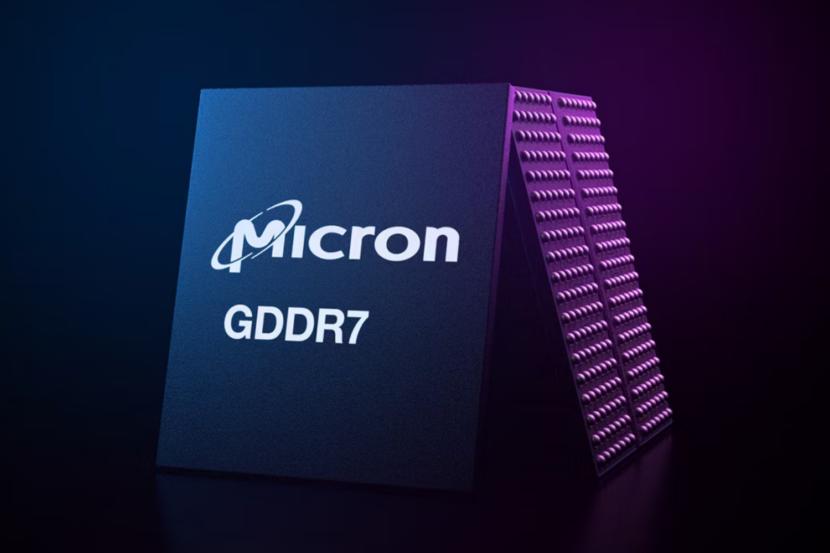
- Micron Earnings Beat: Micron's Q3 adjusted earnings reached $25.11 per share, significantly exceeding the $20.78 expected by analysts, with revenue soaring to $41.46 billion from $9.3 billion a year ago, indicating robust market demand and enhanced profitability, likely driving further stock price increases.
- Qualcomm Revenue Forecast Doubled: Qualcomm nearly doubled its 2029 non-handset revenue projection from $22 billion to $40 billion, resulting in an 11% stock price increase, while also targeting $15 billion in data center sales for the same year, showcasing the company's successful diversification strategy.
- Memory Stocks Surge: Shares of memory-related companies rose sharply, with Sandisk up 15.6%, Western Digital gaining 13%, and Lam Research adding 6%, reflecting a strong recovery in demand for memory products, which may boost overall industry investment confidence.
- IBM Technology Breakthrough: IBM unveiled the first technology capable of producing chips smaller than one nanometer, leading to a 3% stock price increase; this advancement is expected to significantly enhance computing capabilities, particularly in generative AI and cloud infrastructure applications, potentially opening new growth avenues for the company.
See More
IBM Unveils World's First Sub-1 Nanometer Semiconductor Technology
- Technological Breakthrough: IBM's introduction of the 0.7 nanometer chip with a three-dimensional 'nanostack' transistor architecture overcomes traditional chip scaling limits, potentially advancing the next generation of artificial intelligence, cloud computing, and advanced electronics.
- Transistor Density Increase: The new prototype integrates nearly 100 billion transistors on a chip the size of a fingernail, nearly doubling the transistor density of IBM's 2 nm chip launched in 2021, significantly enhancing computational power and performance.
- Performance and Efficiency: This technology is expected to deliver up to 50% higher performance or 70% greater energy efficiency compared to 2 nm chips, further strengthening IBM's competitive position in the semiconductor market.
- Commercialization Outlook: IBM anticipates commercial adoption of its nanostack technology within the next five years, marking a transition into the angstrom era for its semiconductor roadmap and solidifying its leadership in the industry.
See More
Surge in Options Trading Volume for IBM and Groupon
- IBM Options Volume: International Business Machines Corp (IBM) has seen an options trading volume of 86,507 contracts today, representing approximately 8.7 million underlying shares, which is about 72.5% of its average daily trading volume of 11.9 million shares over the past month, indicating strong market interest in IBM.
- High-Frequency Contracts: Notably, the $270 strike call option expiring on June 26, 2026, has traded 6,399 contracts today, equating to approximately 639,900 shares, suggesting investor expectations for a price increase in IBM's stock.
- Groupon Options Activity: Groupon Inc (GRPN) has recorded an options trading volume of 10,897 contracts today, representing about 1.1 million underlying shares, or approximately 71.6% of its average daily trading volume of 1.5 million shares over the past month, reflecting a growing interest among investors.
- Key Contract Insights: Particularly, the $23 strike call option expiring on July 17, 2026, has seen a trading volume of 1,396 contracts today, representing around 139,600 shares, indicating optimistic market sentiment regarding Groupon's future performance.
See More
Trump Signs Executive Orders to Propel Quantum Computing Initiatives
- Quantum Innovation Strategy: Trump's executive orders mandate the delivery of a scientifically relevant quantum computer to the Department of Energy by 2028 and establish the Quantum Computer for Application Development and Discovery Science initiative (QC-ADDS), which will enhance U.S. leadership in quantum technology, ensuring national security and economic benefits.
- Funding Support: The government announced $2 billion in CHIPS Act grants to nine quantum companies, with IBM receiving $1 billion to build the nation's first pure-play quantum chip foundry, Anderon, in New York, while committing over $10 billion in total quantum investment over the next five years, demonstrating its strong commitment to quantum computing.
- Infrastructure Transformation: The second executive order requires all critical federal infrastructure to migrate to post-quantum cryptography (PQC) standards by 2030 and 2031, creating a procurement mandate that will directly drive demand for PQC products, with the market projected to grow from $420 million in 2025 to $2.84 billion by 2030.
- Market Opportunities: Companies like Palo Alto Networks have launched quantum-safe products, becoming one of the few large-cap cybersecurity firms with commercial PQC offerings, and as government compliance deadlines approach, demand for their products is expected to surge, further solidifying their market position in cybersecurity.
See More
Quantum Computing Drives Infrastructure Investment
- Government Investment Surge: President Trump's signing of two executive orders places quantum computing at the forefront of U.S. economic and national security policy, mandating the delivery of a scientifically relevant quantum computer to the Department of Energy by 2028, thereby accelerating the development of quantum infrastructure.
- IBM's Major Commitment: IBM has secured $1 billion in CHIPS Act funding to establish the nation's first pure-play quantum chip foundry in Albany, New York, and has pledged over $10 billion in total quantum investment over the next five years, aiming for a fault-tolerant quantum computer by 2029, three years ahead of the government's target.
- GlobalFoundries' Strategic Role: GlobalFoundries has signed a $375 million CHIPS Act letter of intent to create a dedicated Quantum Technology Solutions division, positioning itself as a key supplier of chips for various quantum architectures, thus supporting a diverse range of competing technologies in the quantum computing space.
- Cybersecurity Market Expansion: Palo Alto Networks' launch of quantum-safe security products is projected to drive the PQC market from $420 million in 2025 to $2.84 billion by 2030, with a compound annual growth rate exceeding 46%, creating new compliance demands and budget allocations within the cybersecurity sector.
See More
Biotech Stocks Surge Amid Positive Trials and Earnings
- Biotech Breakthrough: Kymera Therapeutics enrolled in a Phase 2b Broaden2 trial for its KT-621 drug aimed at treating atopic dermatitis, leading to a 17% stock surge, indicating potential market share growth in the therapeutic area.
- BlackBerry Earnings Beat: BlackBerry reported fiscal Q1 adjusted earnings of 4 cents per share on revenue of $152.9 million, exceeding analyst expectations, resulting in a 20% stock increase, reflecting a recovery in its software business and enhanced market confidence.
- Apple Price Hike: Apple announced price increases for MacBooks and iPads, causing its shares to drop nearly 5%, driven by rising memory and storage costs, which may impact consumer purchasing decisions and future sales.
- Hertz Stock Decline: Hertz Global's stock fell over 9% following a 37 million share secondary offering priced at $2.70 per share, with proceeds going to JPMorgan, potentially affecting market liquidity and investor confidence despite Hertz not receiving direct benefits.
See More
Significant Moves in Premarket Trading
- Micron Earnings Beat: Micron's Q3 adjusted earnings reached $25.11 per share, significantly exceeding the $20.78 expected by analysts, with revenue soaring to $41.46 billion from $9.3 billion a year ago, indicating robust market demand and enhanced profitability, likely driving further stock price increases.
- Qualcomm Revenue Forecast Doubled: Qualcomm nearly doubled its 2029 non-handset revenue projection from $22 billion to $40 billion, resulting in an 11% stock price increase, while also targeting $15 billion in data center sales for the same year, showcasing the company's successful diversification strategy.
- Memory Stocks Surge: Shares of memory-related companies rose sharply, with Sandisk up 15.6%, Western Digital gaining 13%, and Lam Research adding 6%, reflecting a strong recovery in demand for memory products, which may boost overall industry investment confidence.
- IBM Technology Breakthrough: IBM unveiled the first technology capable of producing chips smaller than one nanometer, leading to a 3% stock price increase; this advancement is expected to significantly enhance computing capabilities, particularly in generative AI and cloud infrastructure applications, potentially opening new growth avenues for the company.
See More